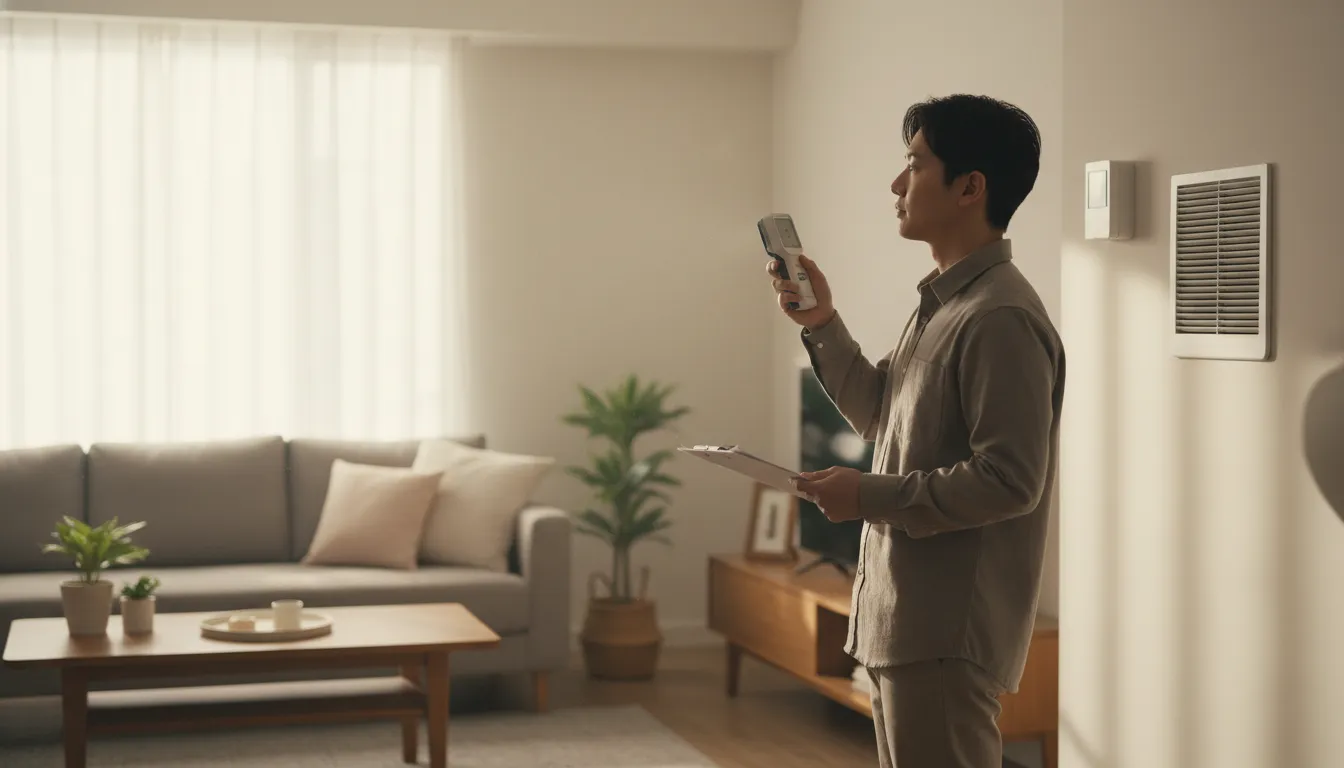
Find the Best Indoor Air Quality Service Providers for Your Business
No obligation • Fast responses • Nationwide coverage

Why you can trust HVAC Firms
HVAC Firms is a leading United States resource for evaluating HVAC service providers. Our team researches companies, checks credentials, and reviews customer feedback to present clear, unbiased information. Listings and rankings are based on merit, and companies cannot pay to change our editorial content.
Search providers near you
Top Indoor Air Quality Service Providers in Austin, Texas Ranked
The air inside your home or business in Austin can have a profound impact on your health, comfort, and productivity. Indoor Air Quality (IAQ) refers to the condition of the air within buildings, influenced by pollutants like mold, chemicals, dust, and inadequate ventilation. In a city known for its humidity and dynamic climate, managing your indoor environment is essential. This resource helps you understand common local air quality concerns, how to identify them, and connect with professionals who can provide testing, analysis, and solutions tailored to Austin's unique conditions.
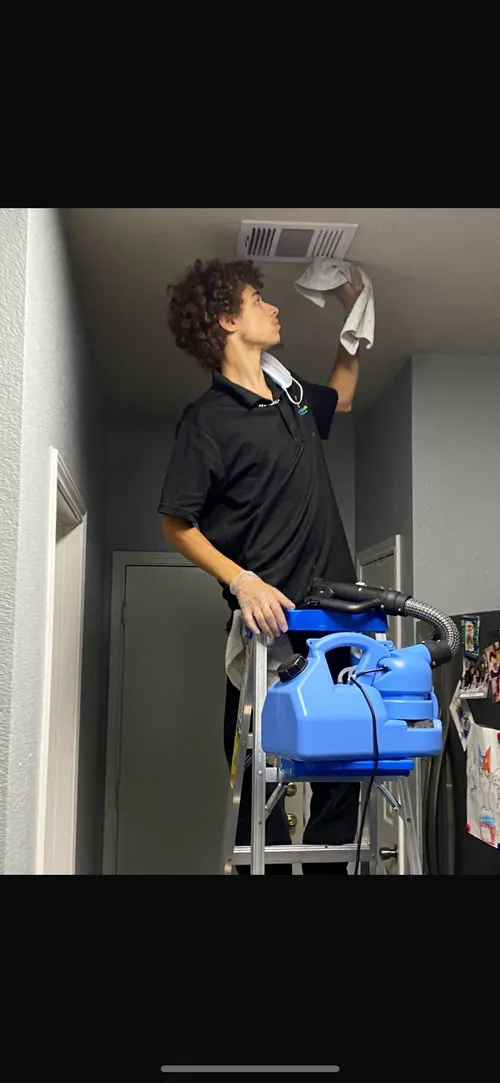
Supreme Air Austin | Air Duct Cleaning | Dryer Vent Cleaning
12501 Tech Ridge Blvd unit 425, Austin, TX 78753
Supreme Air Austin | Air Duct Cleaning | Dryer Vent Cleaning is an indoor air quality service provider based in Austin, TX. They specialize in air duct cleaning, dryer vent cleaning, chimney inspection, and HVAC cleaning for both residential and commercial properties. The company is known for addressing indoor air quality issues such as mold growth, allergens, and fire hazards by using certified technicians and advanced equipment. With over 12 years of experience, Supreme Air Austin has earned recognition including the Consumer Choice Award for best air duct and dryer vent cleaning in the Austin area.
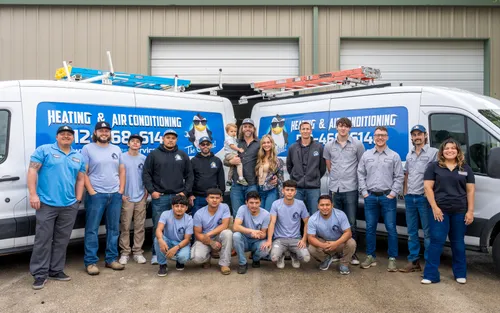
The Coolest LLC
4505 Terry-O Ln, Austin, TX 78745
The Coolest LLC is an HVAC company based in Austin, TX, specializing in air conditioning installation, repair, and indoor air quality services. They focus on installing energy-efficient HVAC systems that help reduce electricity consumption while improving air quality by filtering dust and pollution. Their services include AC installation, HVAC tune-ups, and maintenance tailored to meet customer needs, aiming to lower overall HVAC-related expenses through efficient and durable equipment. The company emphasizes transparency in pricing and offers options for exchanging older units with newer models to enhance efficiency.
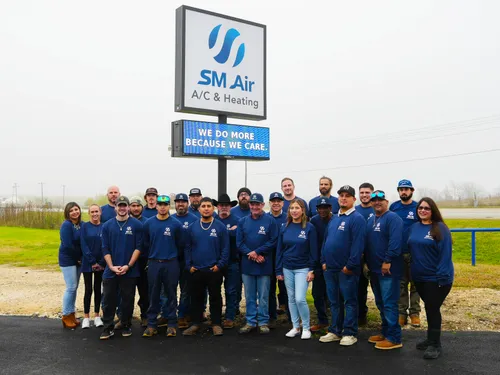
SM Air A/C & Heating
3500 TX-123, San Marcos, TX 78666
SM Air A/C & Heating provides heating and cooling services in Austin, TX, specializing in repair, installation, and maintenance of HVAC systems. Their offerings include furnace and heat pump services, air conditioning repairs and installations, and indoor air quality solutions such as air purifiers and whole-home dehumidifiers. The company serves residential customers with a focus on energy-efficient and reliable HVAC solutions. SM Air is a member of the ACCA and emphasizes using innovative technology to meet industry standards and customer needs.
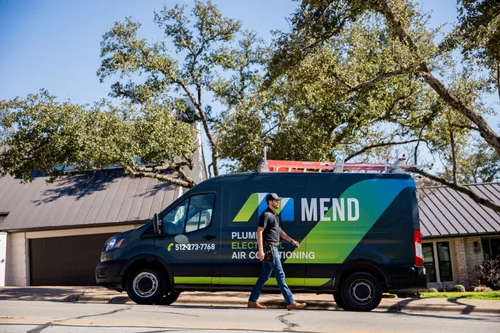
Mend Services
12951 Wright Rd, Buda, TX 78610
Mend Services is a comprehensive home service provider based in Austin, TX, offering plumbing, electrical, and HVAC solutions. They serve Austin and surrounding areas including Buda, Cedar Park, Round Rock, and more. Their HVAC services cover installation, repair, and maintenance of air conditioning, furnaces, heat pumps, mini splits, and smart thermostats, along with indoor air quality solutions like humidifiers and air purifiers. Mend Services also provides 24/7 emergency after-hours support. The company emphasizes a workmanship guarantee and integrates smart technology for efficient home system management.
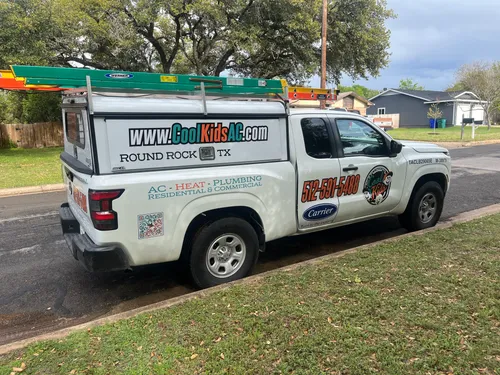
Cool Kids AC, Heat & Plumbing
907 Fieldstone Pl, Round Rock, TX 78664
Cool Kids AC, Heat & Plumbing is a family-owned HVAC company serving Austin, TX, and the surrounding areas. They provide a range of services including air conditioning and furnace repair, installation, and tune-ups, as well as indoor air quality solutions. Their team offers same-to-next-day HVAC system replacements and emphasizes homeowner education on maintenance to prevent future issues. They recommend bi-annual maintenance to keep systems efficient and extend their lifespan. Cool Kids AC, Heat & Plumbing is available for service calls during days, nights, and weekends.
Why Indoor Air Quality Matters in Austin
Austin's climate and lifestyle create a specific set of challenges for maintaining clean indoor air. High humidity levels, common throughout much of the year, provide the perfect breeding ground for mold and mildew, especially if there are undetected leaks. Furthermore, the use of various building materials, cleaning supplies, and even furnishings can release Volatile Organic Compounds (VOCs) into your indoor space. For those with allergies, outdoor allergens like pollen and dust easily make their way inside, while everyday activities contribute pet dander and other particulates. Without proper ventilation, these pollutants become concentrated, potentially leading to health issues ranging from headaches and fatigue to more serious respiratory conditions.
Common Indoor Air Pollutants in Austin Homes
Understanding what you're up against is the first step toward cleaner air. The primary culprits affecting Austin's indoor environments include:
- Mold & Moisture: This is a leading concern. High humidity and any form of water intrusion from leaks or flooding create ideal conditions for mold growth, which can trigger allergies and asthma.
- VOCs & Chemicals: Sourced from paints, varnishes, cleaning agents, adhesives, and even new furniture, these gases can off-gas into your air, contributing to "new building" or "new car" smells and potential health risks.
- Dust & Allergens: A mix of outdoor pollen, tracked-in dirt, pet dander, and dust mite debris is a constant battle, particularly during high-pollen seasons.
- Inadequate Ventilation: Modern, energy-efficient homes are often sealed tightly, which is great for utility bills but can trap pollutants inside if not paired with a deliberate ventilation strategy.
- HVAC System Issues: Your heating and cooling system is the lungs of your building. If it's poorly maintained, it can circulate dust, mold spores, and other contaminants throughout every room.
How to Assess Your Indoor Air
You have several options for evaluating the air in your Austin property, from professional-grade analysis to simple DIY monitoring.
Professional IAQ Testing and Assessment
For a comprehensive evaluation, especially if you suspect mold, have persistent health symptoms, or are preparing for a real estate transaction, hiring a professional is recommended. Local specialists offer detailed assessments that can include:
- Mold and bacteria sampling
- VOC level testing
- Moisture mapping using infrared cameras to find hidden leaks
- Detailed analysis of ventilation rates and airflow The cost for a professional indoor air quality assessment in Austin typically ranges from $250 to over $1,000, depending on the size of the property and the scope of testing required.
DIY Air Quality Monitoring
For ongoing awareness and tracking trends, consumer-grade air quality monitors are a valuable tool. These devices can provide real-time data on key metrics:
- PM2.5: Fine particulate matter from dust, smoke, and allergens.
- VOCs: Levels of chemical pollutants.
- CO2: An indicator of ventilation adequacy.
- Humidity: Critical for mold prevention.
- Radon: A naturally occurring radioactive gas (though this often requires a specific test kit). Quality monitors can be purchased for between $100 and $300, offering a continuous window into your indoor environment.
Visual and Olfactory Clues
Never ignore your own senses. A persistent musty odor is a strong indicator of mold growth, even if it's not visible. Visible mold on walls, ceilings, or around windows is a clear sign of a moisture problem. Condensation on windows, peeling paint, or warped flooring can also signal excessive humidity 1.
Find the perfect indoor air quality service providers for your needs
Get personalized recommendations and expert advice
Strategies for Improving Your Indoor Air
Improving IAQ is typically a multi-pronged approach. Experts generally recommend three basic strategies, applied in this order: source control, ventilation, and filtration.
1. Source Control
The most effective way to clean your air is to prevent pollutants from entering in the first place.
- Moisture Management: Promptly repair any leaks in roofs, walls, or plumbing. Use dehumidifiers to keep indoor relative humidity below 50% to inhibit mold growth 2.
- Choose Low-VOC Products: Opt for paints, sealants, and cleaning supplies labeled as low-VOC or green.
- Regular Cleaning: Use a HEPA-filter vacuum cleaner and damp-dust surfaces to reduce dust and allergen buildup.
2. Enhance Ventilation
Diluting stale indoor air with fresh outdoor air is crucial.
- Natural Ventilation: Open windows and doors when outdoor air quality is good (check local pollen and ozone reports).
- Exhaust Fans: Consistently use fans in bathrooms and kitchens to remove moisture and odors at the source.
- Mechanical Ventilation: For a sealed home, consider installing an Energy Recovery Ventilator (ERV) or Heat Recovery Ventilator (HRV). These systems efficiently bring in fresh air while conserving energy, addressing Austin's need for humidity control and fresh air.
3. Upgrade Filtration and Purification
After controlling sources and improving ventilation, cleaning the remaining air is the final step.
- HVAC Filter Upgrades: Replace standard furnace filters with higher-efficiency pleated filters, such as MERV 13. These can capture finer particles, including many allergens and some bacteria. Filters typically cost between $10 and $50 each 3.
- Portable Air Purifiers: Standalone units with true HEPA and activated carbon filters can be highly effective in single rooms or apartments. Prices range from $100 to over $500.
- Whole-Home Solutions: For integrated protection, systems like in-duct air cleaners, UV germicidal lights (which can help control mold and bacteria in the HVAC system), or whole-home air purifiers can be installed directly into your forced-air system. Installation for these more complex solutions, like ERVs or whole-home purifiers, can cost several thousand dollars.
Investing in Your Air: Cost Considerations
Budgeting for better air involves a range of options:
- Low-Cost/DIY: Humidity monitors, DIY radon test kits, high-MERV filters, and regular maintenance.
- Mid-Range: Quality portable air purifiers, standalone dehumidifiers, and comprehensive DIY air quality monitors.
- Professional Investment: Full IAQ assessments ($250-$1,000+), professional mold remediation, and the installation of whole-home mechanical ventilation or purification systems 4 5.
For Austin residents, a practical approach involves using DIY monitors for daily awareness, practicing diligent source control and ventilation, and calling in professionals for testing when major issues like mold are suspected. This balanced strategy allows you to proactively manage your indoor environment for better health and comfort year-round 6 7 8 9.
Frequently asked questions
Sources
Footnotes
-
Indoor Air Quality (IAQ) | Environmental Health & Safety (EHS) - https://ehs.utexas.edu/working-safely/indoor-air-quality-iaq ↩
-
Five Key Factors Affecting Your Indoor Air Quality | Second Nature - https://www.secondnature.com/blog/five-key-factors-affecting-your-indoor-air-quality ↩
-
THREE BASIC STRATEGIES TO IMPROVE INDOOR AIR QUALITY - https://airquip.com/three-basic-strategies-to-improve-indoor-air-quality/ ↩
-
How to test indoor air quality in your home - Airthings - https://www.airthings.com/resources/how-to-test-air-quality-in-your-home ↩
-
How Much Does Professional Home Indoor Air Quality Testing Cost? - https://www.airpf.com/how-much-does-a-home-indoor-air-quality-testing-cost/ ↩
-
Indoor Air Quality Testing | Austin Enviro Group - https://www.aegaustin.com/indoor-air-quality ↩
-
What are the major sources of indoor air pollution? | The effects ... - Metrikus - https://www.metrikus.io/blog/what-are-the-major-sources-of-indoor-air-pollution ↩
-
Top 10 Best Indoor Air Quality Testing in Austin, TX - Yelp - https://m.yelp.com/search?find_desc=Indoor+Air+Quality+Testing&find_loc=Austin%2C+TX ↩
-
Essential Tips for Boosting Air Quality at Home - Expedition HVAC - https://expeditionhvac.com/essential-tips-for-boosting-air-quality-at-home/ ↩