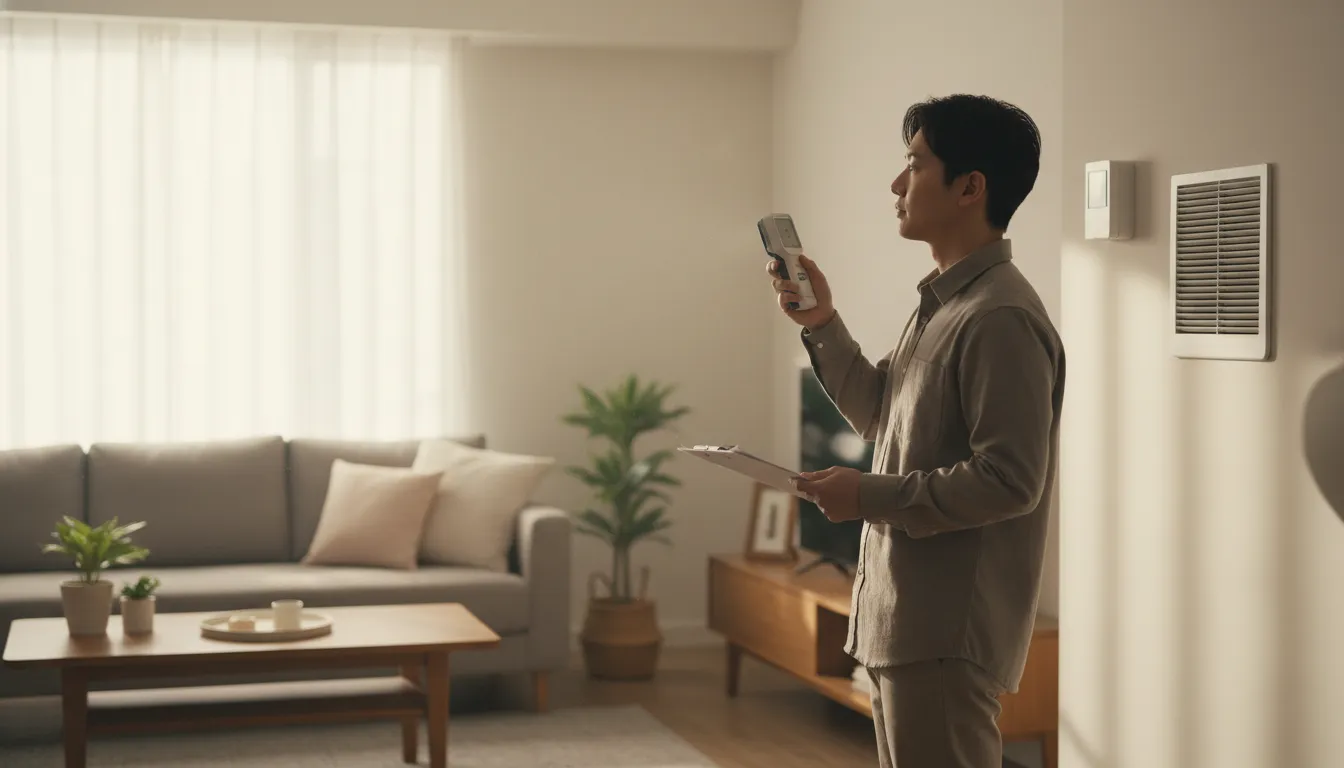
Find the Best Indoor Air Quality Service Providers for Your Business
No obligation • Fast responses • Nationwide coverage

Why you can trust HVAC Firms
HVAC Firms is a leading United States resource for evaluating HVAC service providers. Our team researches companies, checks credentials, and reviews customer feedback to present clear, unbiased information. Listings and rankings are based on merit, and companies cannot pay to change our editorial content.
Search providers near you
Top Indoor Air Quality Service Providers in Dallas, Texas Ranked
The air inside your Dallas home or office can have a profound impact on your health, comfort, and energy bills. Indoor air quality (IAQ) refers to the condition of the air within and around buildings, especially as it relates to the health and well-being of occupants. In a city known for its extreme temperatures and high humidity, managing your interior environment is crucial. This guide will help you understand the unique air quality challenges in North Texas, the professional services available to diagnose problems, and the effective solutions to breathe easier.
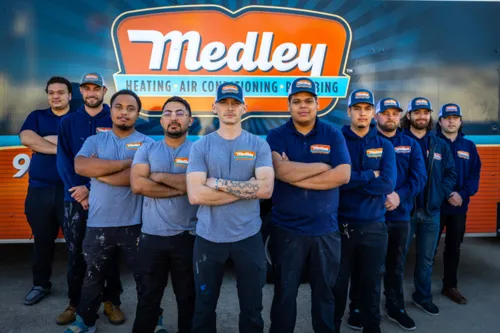
Medley Heating Air Conditioning Plumbing
1711 Briercroft Ct ste 127, Carrollton, TX 75006
Medley Heating Air Conditioning Plumbing provides heating, air conditioning, indoor air quality, and plumbing services in Dallas, TX. They offer installation, repair, and maintenance for HVAC systems, including furnaces and air conditioners, with a focus on high-efficiency solutions. Their licensed technicians are employees who receive ongoing training and background checks, ensuring careful and knowledgeable service. Medley also offers financing options to assist with system upgrades and emergency repairs. The company serves Dallas and nearby communities such as Carrollton, Coppell, and Plano.
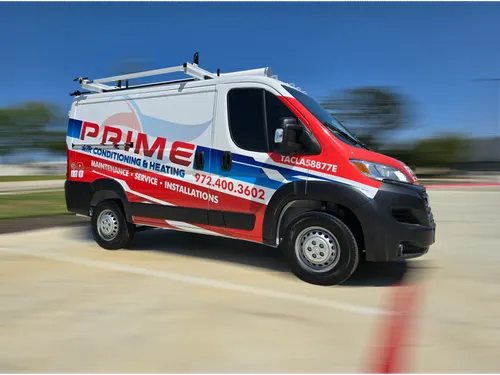
Prime AC and Heat
150 Valley Ridge Blvd Suite #102, Lewisville, TX 75057
Prime AC and Heat is a residential HVAC company serving Dallas, TX, and the wider DFW metroplex, including Lewisville, Flower Mound, and surrounding areas. They offer a full range of home comfort services such as air conditioning repair and replacement, furnace installation and repair, heat pump service, duct cleaning, thermostat installation, and indoor air quality solutions. The company provides 24/7 emergency service with same-day appointments to address urgent HVAC needs. Prime AC and Heat is known for its licensed technicians, A+ BBB rating, and transparent pricing without hidden fees.
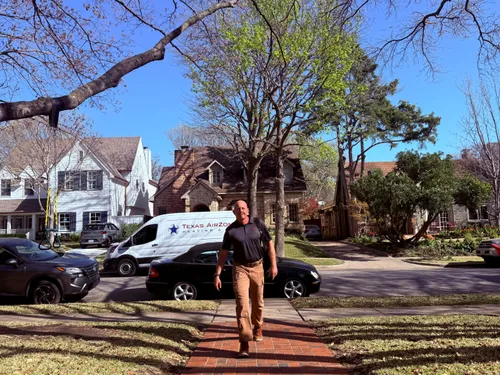
Texas AirZone LLC
10763 Mapleridge Dr, Dallas, TX 75238
Texas AirZone LLC is an HVAC and plumbing service provider based in Dallas, TX. They offer a range of services including air conditioner repair, furnace installation and repair, indoor air quality solutions, and plumbing repairs for both residential and commercial clients. Their team has over 100 years of combined experience, specializing in whole-home HVAC systems with a focus on duct design and testing to maximize comfort and efficiency. Established in 1997, Texas AirZone provides 24/7 emergency service to ensure reliable heating and cooling year-round in the Texas climate.
Coventry & Gattis A/C, Inc.
219 N Dooley St, Grapevine, TX 76051
Coventry & Gattis A/C, Inc. provides HVAC services including air conditioning repair, installation, furnace installation, and indoor air quality solutions in Irving, TX. They offer energy-efficient heating systems and advanced air purification options such as ultraviolet light air purifiers and air filtration systems. Serving Grapevine and surrounding areas, the company focuses on maintaining comfortable and breathable indoor environments.
Aircons Heat & Better Air Inc
220 Commercial St, Garland, TX 75040
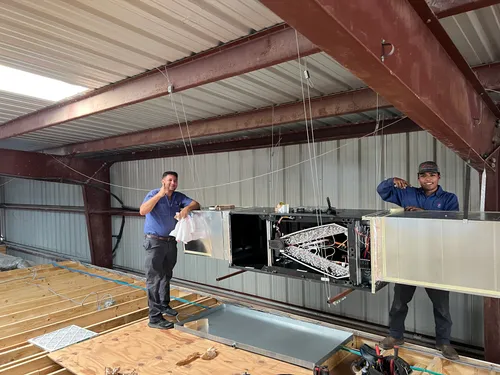
Aircons Heat & Better Air Inc is an HVAC company based in Dallas, TX, offering a wide range of heating and cooling services. They provide air conditioning and furnace repair, installation of heat pumps and geothermal systems, duct cleaning, thermostat installation, and indoor air quality solutions for both residential and commercial clients. The company is a certified Trane dealer and has over 15 years of experience in the industry. Their team is trained to handle all major HVAC brands and systems. Aircons Heat & Better Air Inc also offers financing options and is available for service calls day and night.
Why Dallas Air Poses Unique Challenges
Dallas residents face a perfect storm of factors that can degrade the air inside their buildings. The high-demand, deregulated energy market encourages the construction of tightly sealed, energy-efficient homes, which is great for utility bills but can trap pollutants indoors without adequate ventilation. Compounding this, the Environmental Protection Agency (EPA) notes that indoor air can be two to five times more contaminated than outdoor air, and local conditions often make this disparity worse.
The primary culprits affecting Dallas indoor air include:
- High Humidity and Mold: The North Texas climate creates an ideal breeding ground for mold, mildew, and bacteria, which often proliferate in HVAC systems, attics, and crawl spaces.
- VOCs and Off-Gassing: In booming suburbs like Plano and Frisco, new construction materials, paints, adhesives, and new carpets can release high levels of volatile organic compounds (VOCs) for months after installation.
- Particulate Matter: Regional dust storms, constant construction, and notoriously high pollen counts fill the air with fine particles (PM2.5/PM10) that trigger allergies and asthma.
- Combustion Pollutants: Leaks from gas furnaces, water heaters, or fireplaces can introduce dangerous carbon monoxide and nitrogen dioxide into living spaces.
- "Sick Building" Syndrome: This is common in both older downtown Dallas buildings and modern, tightly sealed offices, leading to occupant symptoms like headaches, fatigue, and respiratory irritation 1.
- Radon: This colorless, odorless radioactive gas can seep from the soil into buildings, posing a long-term health risk, particularly in areas with specific geological features 2.
Professional Indoor Air Quality Assessment
Before investing in solutions, a precise diagnosis is key. Professional IAQ testing in Dallas involves more than a simple glance at your air filter. Specialists use advanced equipment to identify invisible threats.
Common Testing Methods Include:
- Comprehensive IAQ Testing: Experts use tools like GrayWolf meters and photoionization detectors (PID) to measure levels of total VOCs (TVOCs), carbon monoxide (CO), carbon dioxide (CO2), formaldehyde, and particulate matter 3 4.
- Mold and Allergen Sampling: This involves collecting air and surface samples to identify specific types of fungal spores, dust mite allergens, and pet dander 5.
- HVAC System Inspection: A critical step often overlooked. Technicians check for contaminated ductwork, microbial growth in air handlers, and the condition of existing filtration 6.
- Continuous Monitoring: For ongoing concerns, smart IAQ monitors can be installed to provide real-time data on air quality parameters, helping track changes and the effectiveness of solutions 7.
The cost for a professional assessment varies based on the scope. A standard, comprehensive indoor air quality test in Dallas typically averages around $437, with a general range between $292 and $584. Specific add-on tests have their own costs:
Effective Solutions for Cleaner Dallas Air
Once the pollutants are identified, a multi-pronged strategy is most effective for improving your home's air. The best approach follows a hierarchy: first control the source, then ventilate, and finally clean the air.
1. Source Control: The most effective way to improve air quality is to eliminate or seal off pollutant sources. This includes using low-VOC paints and cleaning products, properly storing pesticides and chemicals, and allowing new furniture to off-gas in a well-ventilated area before bringing it inside 10.
2. Ventilation: Diluting stale indoor air with fresh outdoor air is vital. Ensure bathroom and kitchen exhaust fans vent to the outside, not into an attic. Modern HVAC systems can be equipped with dedicated fresh air intakes or energy recovery ventilators (ERVs) to bring in filtered outdoor air without sacrificing energy efficiency 11.
3. Air Cleaning and Purification: When source control and ventilation aren't enough, mechanical cleaning is necessary.
- High-Efficiency Filtration: Upgrading your HVAC filter to a MERV 11-16 rating can capture a high percentage of dust, pollen, and mold spores. Expect to pay $50-$150 per filter plus installation.
- UV Light Systems: Installing ultraviolet-C (UVC) lights inside your HVAC air handler is highly effective at killing mold, bacteria, and viruses that grow on cooling coils. Installation costs typically range from $400 to $800 or more 12.
- Standalone Air Purifiers: For room-specific issues, HEPA air purifiers can remove fine particulates. Whole-home air sanitizer systems integrated with your HVAC provide comprehensive coverage and can cost between $500 and $2,000+.
4. Humidity Control: Maintaining indoor relative humidity between 30% and 50% is critical in Dallas to inhibit mold growth and dust mites. This can be achieved through properly sized air conditioning, standalone dehumidifiers, or whole-home dehumidification systems integrated with your HVAC 13 14.
Find the perfect indoor air quality service providers for your needs
Get personalized recommendations and expert advice
Addressing Specific Contaminants
For Mold Problems: If testing confirms a mold issue, source removal is essential. Professional mold remediation in Dallas can range from $1,200 to $3,800 or more, depending on the extent of the infestation 15. This must be paired with fixing the underlying moisture problem (e.g., a leaky roof, poor drainage, or HVAC condensation issue) to prevent recurrence.
For Dirty Ductwork: If your air ducts are lined with dust, debris, or mold, cleaning may be recommended. Professional duct cleaning costs vary widely based on system size and contamination level, generally ranging from $300 to $1,000+ 16. It's important to hire a reputable company that follows National Air Duct Cleaners Association (NADCA) standards.
For Radon Mitigation: If radon testing shows elevated levels (at or above 4 pCi/L), a mitigation system will be necessary. This typically involves installing a vent pipe and fan to draw radon gas from beneath the foundation and exhaust it safely above the roofline.
Maintaining Your IAQ Investment
Improving your indoor environment isn't a one-time project. Consistent maintenance ensures your systems work effectively:
- Filter Changes: Replace HVAC filters regularly, at least every 90 days, or monthly during high-use seasons and periods of high pollen or dust.
- System Maintenance: Schedule annual HVAC tune-ups to ensure coils are clean, drainage is clear, and the system is operating efficiently.
- Monitor Humidity: Use a simple hygrometer to keep an eye on indoor humidity levels, especially during the humid summer months.
- Clean Regularly: Use a vacuum with a HEPA filter and damp-mop floors to reduce settled dust and allergens.
Taking proactive steps to assess and improve your indoor air quality is an investment in your health and home's comfort. Given Dallas's specific environmental challenges, a tailored approach developed from professional testing will yield the best, longest-lasting results.
Frequently asked questions
Sources
Footnotes
-
Improve Indoor Air Quality Services in DFW - Houk AC - https://houkac.com/service-areas/dallas-fort-worth/dfw-indoor-air-quality/ ↩
-
Indoor Air Quality Testing Dallas TX - AirMD - https://airmd.com/areas-served/texas/dallas/indoor-air-quality-testing/ ↩
-
Indoor Air Quality Testing - Culley Enviro - https://culleyenviro.com/indoor-air-quality-testing/ ↩
-
Indoor Air Quality Services in Dallas, TX - https://willardac.com/dallas/air-quality/ ↩
-
IAQ / LEED Testing | DFW Metroplex - TTI Labs - https://www.ttilabs.com/testing-services/iaq-leed-testing/ ↩
-
Expert Indoor Air Quality Testing With MSE Environmental - https://msenational.com/indoor-air-quality ↩
-
Essential Air Quality Testing For Little Rock Offices: Compliance Guide - myshyft.com - https://www.myshyft.com/blog/indoor-air-quality-testing-for-offices-little-rock-arkansas/ ↩
-
How Much Does Indoor Air Quality Testing Cost? [2025 Data] - https://www.homeadvisor.com/cost/environmental-safety/test-indoor-air-quality/ ↩
-
How Much Does Indoor Air Quality Testing Cost? [2026 Data] - https://www.angi.com/articles/how-much-does-indoor-air-quality-testing-cost.htm ↩
-
How to test and improve the indoor air quality in your home - https://www.racv.com.au/royalauto/property/maintenance/how-to-test-and-improve-air-quality-in-home.html ↩
-
Indoor Air Quality in Dallas, TX - https://kandsac.com/indoor-air-quality-in-dallas-tx/ ↩
-
St. Louis UV Light Sanitizer - https://www.vogelheating.com/indoor-air-quality/uv-light-sanitizer/ ↩
-
Indoor Air Quality Services Dallas TX - Tiger Air and Heating - https://www.tigerairtx.com/indoor-air-quality ↩
-
Indoor Air Quality Improving and Testing - https://www.renkeer.com/indoor-air-quality/ ↩
-
How Much Does an Air Handler Cost? (2025) - https://homeguide.com/costs/air-handler-cost ↩
-
Ft. Worth Indoor Air Quality | Air Filters & Cleaners Ft. Worth - https://www.texasairdoctors.com/air-quality ↩