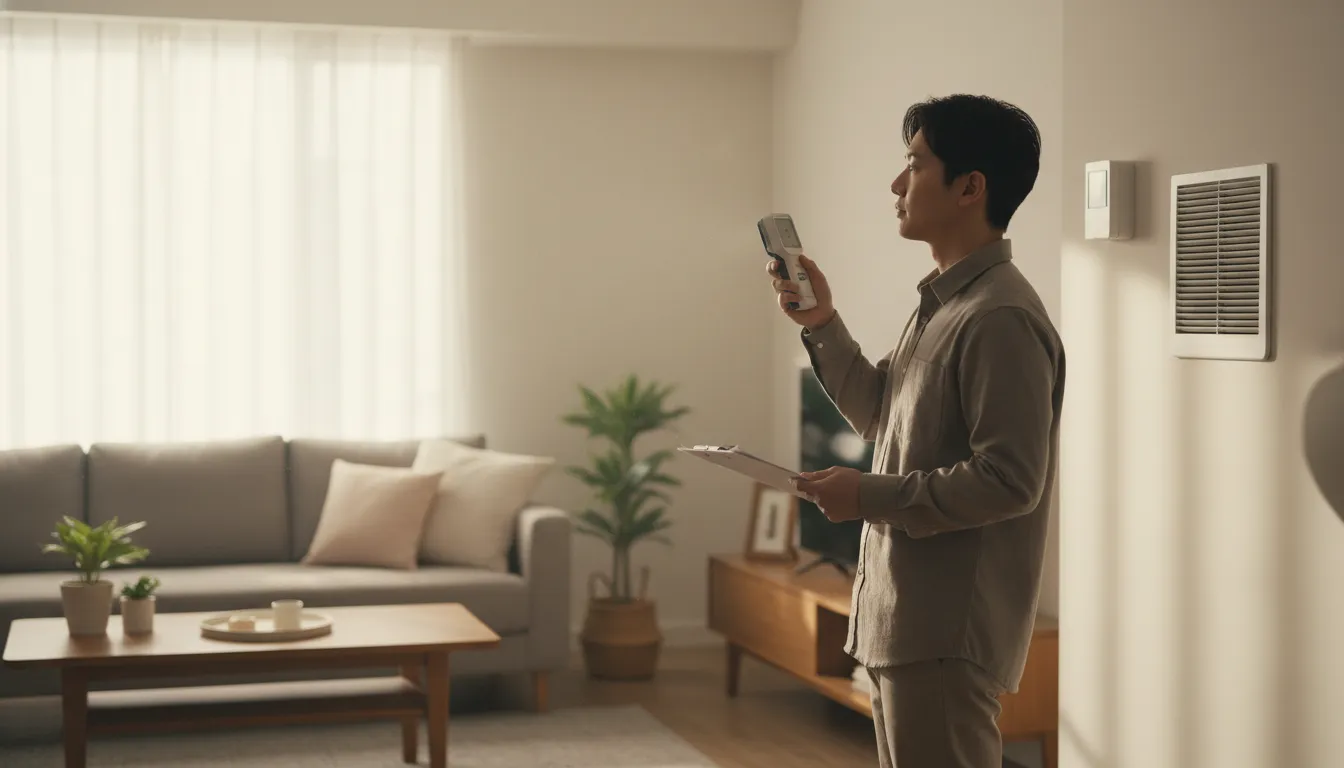
Find the Best Indoor Air Quality Service Providers for Your Business
No obligation • Fast responses • Nationwide coverage

Why you can trust HVAC Firms
HVAC Firms is a leading United States resource for evaluating HVAC service providers. Our team researches companies, checks credentials, and reviews customer feedback to present clear, unbiased information. Listings and rankings are based on merit, and companies cannot pay to change our editorial content.
Search providers near you
Best Indoor Air Quality Service Providers in Texas Ranked
The quality of the air you breathe indoors is a critical component of health, comfort, and productivity. In Texas, where homes and buildings are often sealed tightly for energy efficiency, managing indoor air quality (IAQ) is essential to control pollutants like mold, dust, volatile chemicals, and allergens. This resource explains the state's approach to IAQ, outlines common pollutants and solutions, and provides practical guidance for finding local professionals who can assess your air and implement effective improvements.
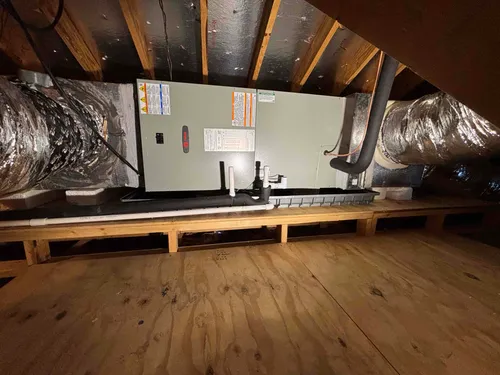
Legacy Home Services
2001 Wald Rd, New Braunfels, TX 78132
Legacy Home Services is a locally owned company providing heating, air conditioning, plumbing, and electrical services in San Antonio, TX, and surrounding areas. They offer a wide range of home comfort solutions including AC and furnace repair and installation, heat pump services, ductless system installation, indoor air quality products, and whole-home generator installation. Their team is equipped for on-site repairs and maintenance to optimize system performance and energy efficiency. Legacy Home Services also provides plumbing and electrical services, ensuring comprehensive home care. They serve multiple communities including New Braunfels, Seguin, and San Marcos, among others. The company offers emergency services and has a family plan membership for ongoing maintenance and inspections.
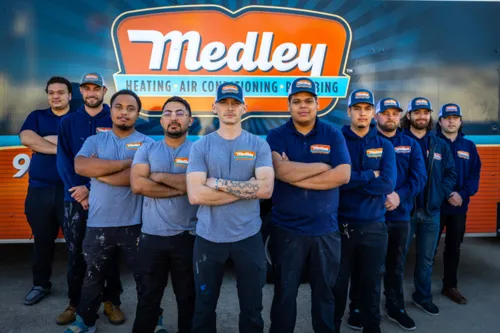
Medley Heating Air Conditioning Plumbing
1711 Briercroft Ct ste 127, Carrollton, TX 75006
Medley Heating Air Conditioning Plumbing provides heating, air conditioning, indoor air quality, and plumbing services in Dallas, TX. They offer installation, repair, and maintenance for HVAC systems, including furnaces and air conditioners, with a focus on high-efficiency solutions. Their licensed technicians are employees who receive ongoing training and background checks, ensuring careful and knowledgeable service. Medley also offers financing options to assist with system upgrades and emergency repairs. The company serves Dallas and nearby communities such as Carrollton, Coppell, and Plano.
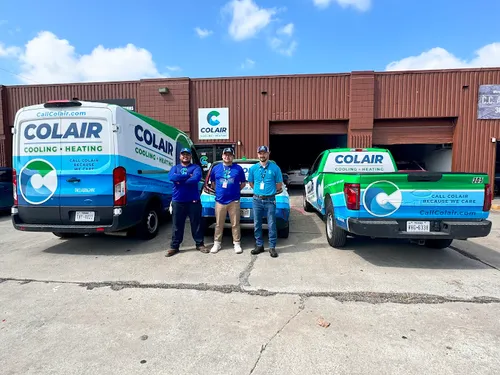
Colair Cooling & Heating
3790 Wow Rd unit a, Corpus Christi, TX 78413
Colair Cooling & Heating is an HVAC company serving Corpus Christi, TX, specializing in heating and air conditioning repair, installation, and maintenance. Established in 1985, they have provided services to over 20,000 homeowners and businesses in the Rio Grande Valley area. Their offerings include furnace and AC repairs, HVAC tune-ups, thermostat installations, and indoor air quality solutions. Colair is licensed, bonded, and insured, with expertise in servicing all brands. They focus on reliable heating and cooling systems tailored to the coastal climate of Corpus Christi, ensuring comfort throughout the year.
Bodensteiner Service Inc
3403 Houston Ave, Houston, TX 77009
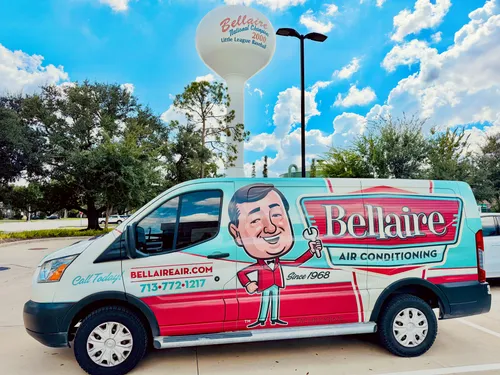
Bodensteiner Service Inc is an HVAC company based in Houston, TX, offering heating, cooling, and indoor air quality services. They provide installation, repair, and maintenance for air conditioners, furnaces, heat pumps, mini splits, and thermostats. The company fabricates custom ductwork to ensure proper ventilation and serves the greater Houston area. As an American Standard dealer, they offer a range of indoor comfort equipment including air cleaners, UV lights, and zoning products. Bodensteiner Service Inc has experience installing many systems locally and emphasizes doing the job right the first time.
Supreme Air Austin | Air Duct Cleaning | Dryer Vent Cleaning
12501 Tech Ridge Blvd unit 425, Austin, TX 78753
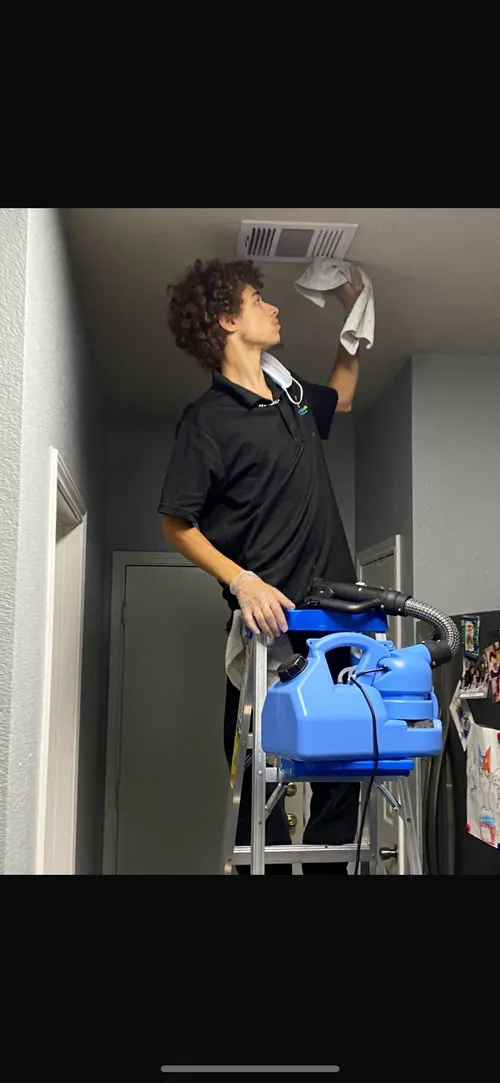
Supreme Air Austin | Air Duct Cleaning | Dryer Vent Cleaning is an indoor air quality service provider based in Austin, TX. They specialize in air duct cleaning, dryer vent cleaning, chimney inspection, and HVAC cleaning for both residential and commercial properties. The company is known for addressing indoor air quality issues such as mold growth, allergens, and fire hazards by using certified technicians and advanced equipment. With over 12 years of experience, Supreme Air Austin has earned recognition including the Consumer Choice Award for best air duct and dryer vent cleaning in the Austin area.
Understanding Texas's Approach to Indoor Air Quality
Unlike some states with stringent, enforceable regulations for private buildings, Texas primarily relies on federal guidelines and voluntary standards. The regulatory framework is designed to encourage best practices rather than mandate specific actions for most residential and commercial properties 1 2.
Key state entities involved include:
- Texas Commission on Environmental Quality (TCEQ): Primarily focuses on outdoor (ambient) air quality standards and monitoring 3.
- Texas Department of Insurance (TDI) & State Office of Risk Management: Provide voluntary guidance documents for workplace safety and government-owned buildings, which serve as excellent models for all property types 4.
The cornerstone of Texas's guidance is a multi-pronged strategy: controlling pollutant sources, ensuring adequate ventilation, and maintaining proper humidity levels. For new construction, the state building code incorporates mechanical ventilation requirements based on ASHRAE Standard 62.2 to ensure a minimum amount of fresh air exchange in tightly sealed homes 5.
Common Indoor Air Pollutants in Texas Homes and Buildings
Texas's climate and building practices create a unique set of IAQ challenges. Being aware of these common pollutants is the first step toward mitigation.
Biological Contaminants: Mold, Allergens, and Pests
High humidity, sudden storms, and air conditioning systems can lead to moisture problems, making biological pollutants a primary concern.
- Mold and Mildew: Thrive in damp areas from leaks, flooding, or condensation. Spores can cause allergic reactions and respiratory issues.
- Dust Mites: Flourish in humid environments and are a common trigger for asthma and allergies.
- Pollen: Easily enters from outdoors and can accumulate indoors, affecting allergy sufferers.
- Pet Dander and Insect Droppings: Common allergens that circulate in the air and settle in dust.
Chemical Pollutants and Volatile Organic Compounds (VOCs)
Many everyday products and building materials off-gas chemicals that can degrade air quality 6 7.
- Formaldehyde: Found in pressed wood products (like cabinetry and flooring), certain insulation, and some fabrics.
- Household Products: Cleaning agents, air fresheners, pesticides, paints, and adhesives can release VOCs.
- Combustion Byproducts: Sources include tobacco smoke, burning candles, gas stoves, fireplaces, and improperly vented fuel-burning appliances. These can produce carbon monoxide (CO) and nitrogen dioxide (NOx), which are serious health hazards.
Other Key Concerns
- Radon: This naturally occurring radioactive gas can seep into buildings from the ground. While Texas has limited specific regulations, testing is recommended, especially during real estate transactions or major renovations 8.
- Particulate Matter (PM): Fine particles from dust, cooking, fireplaces, and outdoor pollution can penetrate deep into the lungs.
Find the perfect indoor air quality service providers for your needs
Get personalized recommendations and expert advice
Core Strategies for Improving Indoor Air Quality
Effective IAQ management isn't about a single miracle device; it's a layered strategy focusing on the fundamentals.
1. Source Control: The Most Effective Strategy
The best way to improve air quality is to prevent pollutants from entering the environment in the first place 9.
- Moisture Management: Fix leaks promptly, use exhaust fans in bathrooms and kitchens, and ensure proper drainage around your foundation.
- Choose Low-VOC Materials: When renovating or buying new furniture, look for products certified for low chemical emissions.
- Store Chemicals Safely: Keep paints, solvents, and pesticides in well-ventilated areas or sealed containers, preferably outside living spaces.
- Prohibit Indoor Smoking: Establish a strict no-smoking policy indoors.
2. Ventilation: Diluting Stale Air with Fresh Air
Bringing in outdoor air is crucial for diluting and removing indoor pollutants 10 11.
- Natural Ventilation: Open windows and doors when weather and outdoor air quality permit.
- Mechanical Ventilation: This is required in new Texas homes and is vital for older ones. Systems include:
- Exhaust Fans: Remove moisture and pollutants directly from source points (bathrooms, kitchens).
- Supply Ventilation Systems: Introduce filtered outdoor air.
- Balanced Systems (HRVs/ERVs): Heat Recovery and Energy Recovery Ventilators exchange indoor and outdoor air while preserving heating/cooling energy, making them highly efficient for Texas climates.
3. Filtration and Air Cleaning
After source control and ventilation, filtration captures remaining airborne particles.
- HVAC Filters: Upgrade the filter in your central system. Look for a Minimum Efficiency Reporting Value (MERV) rating of 13 or higher for the best capture of fine particles. Change filters regularly (typically every 1-3 months).
- Portable Air Purifiers: Effective for single rooms. Choose a unit with a HEPA filter for allergens and a carbon filter for odors and VOCs.
- Whole-Home Air Cleaners: Installed directly into the HVAC ductwork, these systems (like electronic air cleaners or UVGI lights) can treat the air throughout the entire house.
4. Humidity Control
Maintaining relative humidity between 30% and 60% inhibits mold growth and dust mites 12.
- Air Conditioners: Naturally dehumidify as they cool.
- Dehumidifiers: Standalone or whole-home dehumidifiers are essential in humid climates or for damp basements.
- Proper HVAC Sizing: An oversized air conditioner will cool too quickly without running long enough to remove adequate moisture, leading to a cold, clammy feeling.
Professional IAQ Services: What to Expect
For persistent problems, suspected mold, or before major investments in equipment, a professional assessment is wise.
Inspection and Testing: A professional IAQ inspection involves assessing ventilation, identifying moisture sources, and visually checking for contamination. Specific testing (for mold spores, VOCs, radon, or formaldehyde) involves taking air or surface samples for laboratory analysis 13 14. Costs vary widely based on the size of the property and scope of testing, ranging from several hundred dollars for a basic assessment to over $1,000 for comprehensive contaminant-specific analysis 15 16.
Common Remediation and Improvement Services:
- HVAC System Cleaning and Maintenance: Professional duct and system cleaning can remove accumulated dust, debris, and biological growth. Regular maintenance ensures systems operate efficiently and circulate clean air.
- Mold Remediation: A specialized process to safely contain, remove, and restore an area affected by mold, following industry standards.
- Ventilation System Installation: Upgrading or adding exhaust fans, whole-house fans, or installing an HRV/ERV system.
- Air Purification System Installation: Integrating in-duct air cleaners, UV lights, or advanced filtration systems.
Costs for IAQ Improvements in Texas
Investing in better air quality has a variable cost structure, depending on the solutions chosen.
- Air Purifiers: Portable units range from under $100 to over $500. Whole-home systems integrated into HVAC ductwork have a higher upfront cost.
- Ventilation Upgrades: Installing new bathroom/kitchen exhaust fans can cost $150-$500 per unit. A whole-home heat recovery ventilator (HRV) system is a more significant investment, typically ranging from $1,500 to $5,000 installed 17 18.
- HVAC/Duct Cleaning: Professional cleaning of an entire system and ductwork can range from $450 to over $1,000.
- Mold Remediation: Costs are highly dependent on the extent of contamination, often running into thousands of dollars for proper abatement.
Maintaining Healthy Indoor Air
Good IAQ requires ongoing attention:
- Schedule Regular HVAC Maintenance: Have your system inspected and serviced at least annually.
- Change Filters Religiously: Follow manufacturer guidelines for your HVAC and air purifier filters.
- Control Humidity: Monitor levels with a hygrometer and use dehumidifiers as needed.
- Clean Regularly: Use a vacuum with a HEPA filter and damp-dust to reduce settled dust and allergens.
- Address Water Intrusion Immediately: Dry any wet areas (from leaks, spills, or flooding) within 24-48 hours to prevent mold growth.
Frequently asked questions
Sources
Footnotes
-
Indoor Air Quality - Overview - OSHA - https://www.osha.gov/indoor-air-quality ↩
-
Residents track air quality in Sunnyside - https://www.houstonchronicle.com/news/houston-texas/houston/article/Residents-track-air-quality-in-Sunnyside-16227643.php ↩
-
Air Quality and Monitoring - https://www.tceq.texas.gov/airquality ↩
-
Indoor Air Quality Workplace Program - https://www.tdi.texas.gov/pubs/videoresource/wpindoor.pdf ↩
-
Mechanical Ventilation - TX Energy Code - https://txenergycode.com/mechanical-ventilation/ ↩
-
Indoor Air Quality - The State Office of Risk Management - https://www.sorm.state.tx.us/risk-management/iaq/ ↩
-
Indoor environmental quality - https://www.gsa.gov/governmentwide-initiatives/federal-highperformance-buildings/highperformance-building-clearinghouse/health/indoor-environmental-quality ↩
-
environmental-law-institute-database-of-state-indoor-air ... - https://www.depts.ttu.edu/ceweb/radon/includes/PDFs/environmental-law-institute-database-of-state-indoor-air-quality-laws.pdf ↩
-
Texas Voluntary Indoor Air Quality Guidelines for Government ... - https://gato-docs.its.txst.edu/jcr:afe38366-c8fe-4e39-8e6f-9eab96d729ba/Gov_Bld_Gd.pdf ↩
-
How much ventilation do I need in my home to improve indoor air ... - https://www.epa.gov/indoor-air-quality-iaq/how-much-ventilation-do-i-need-my-home-improve-indoor-air-quality ↩
-
IAQ & Ventilation for Texas Homes - The Build Show - https://buildshownetwork.com/contents/iaq-ventilation-for-texas-homes ↩
-
Indoor Air Quality Program - Environmental Health & Safety - https://ehs.tamu.edu/_media/Files/Programs/Indoor%20Air%20Quality/indoorairqualityprogram.pdf ↩
-
Understanding Commercial Indoor Air Quality Testing: What's Involved? - https://www.aeroenergy.com/understanding-commercial-indoor-air-quality-testing-whats-involved/ ↩
-
Main stages of indoor air quality services testing, remediation & maintenance? - Thermacon Service Company, Inc. - https://thermaconservice.com/indoor-air-quality-testing-remediation-maintenance/ ↩
-
How Much Does a Home Indoor Air Quality Testing Cost? - https://www.airpf.com/how-much-does-a-home-indoor-air-quality-testing-cost/ ↩
-
Philadelphia Office Air Quality Testing: Essential Compliance Guide - myshyft.com - https://www.myshyft.com/blog/indoor-air-quality-testing-for-offices-philadelphia-pennsylvania/ ↩
-
Indoor Air Quality - The State Office of Risk Management - https://www.sorm.state.tx.us/risk-management/iaq/ ↩
-
Enhancing Indoor Air Quality Through HVAC Systems - https://texasairmechanical.com/enhancing-indoor-air-quality-through-hvac-systems/ ↩