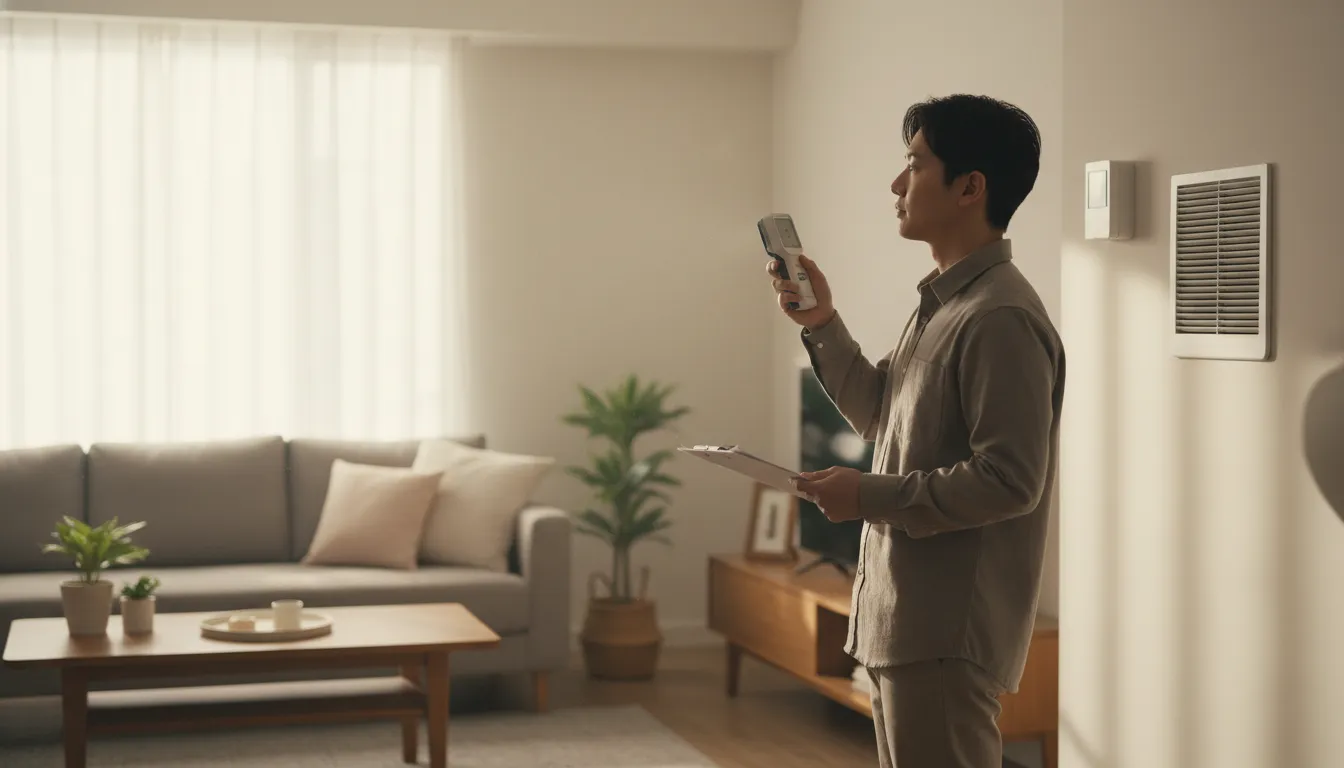
Find the Best Indoor Air Quality Service Providers for Your Business
No obligation • Fast responses • Nationwide coverage

Why you can trust HVAC Firms
HVAC Firms is a leading United States resource for evaluating HVAC service providers. Our team researches companies, checks credentials, and reviews customer feedback to present clear, unbiased information. Listings and rankings are based on merit, and companies cannot pay to change our editorial content.
Search providers near you
Top Indoor Air Quality Service Providers in El Paso, Texas Ranked
Living in El Paso comes with stunning desert vistas and abundant sunshine, but it also presents unique challenges for the air you breathe indoors. Indoor Air Quality (IAQ) refers to the condition of the air within and around buildings, especially as it relates to the health and comfort of occupants. In our region, factors like pervasive dust, potential for mold, and outdoor pollution make managing your home or office's air environment a critical aspect of comfort and wellness. This guide will help you understand the specific IAQ concerns in El Paso, how to identify problems, and the practical steps you can take to find local expertise for testing, improving, and maintaining cleaner, healthier indoor air.
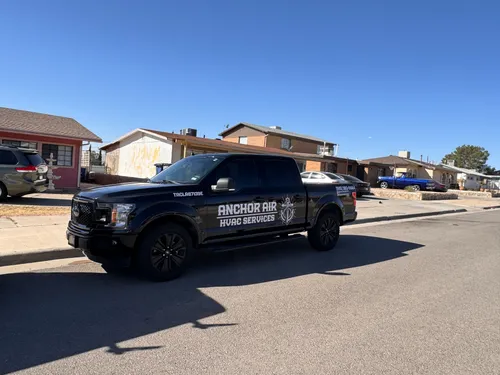
Anchor Air
7606 Boeing Dr, El Paso, TX 79925
Anchor Air is a veteran-owned HVAC company based in El Paso, TX, offering heating, cooling, and indoor air quality services for both residential and commercial clients. Their services include AC and furnace installation and repair, HVAC tune-ups, ducting, and refrigerated air conversions. With over 20 years of experience, Anchor Air has installed more than 1,000 systems and employs a team of expert professionals dedicated to energy-efficient upgrades and airflow optimization. The company emphasizes integrity and precision in every project.
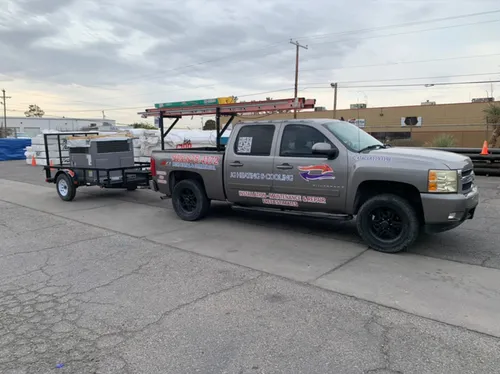
JG Heating & Cooling
2324 Sun Seeker, El Paso, TX 79938
JG Heating & Cooling is a family-owned HVAC company serving El Paso, TX. They provide installation, maintenance, and repair services for air conditioners, furnaces, heat pumps, and indoor air quality systems. With over 15 years of experience, they offer specialized capabilities such as UV light air purification installation, which helps eliminate mold, bacteria, and odors while improving indoor air quality and system efficiency. The company is fully licensed, bonded, and insured, and has built its reputation on customer referrals and local trust.
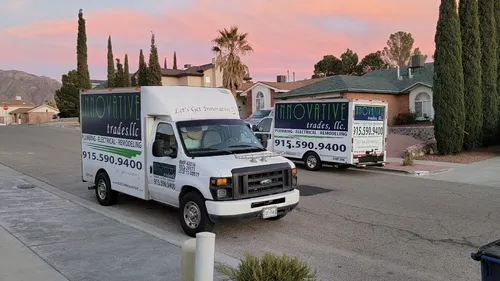
INNOVATIVE TRADES, LLC PLUMBING, ELECTRICAL & HVACR
8555 Yermoland Dr Ste B, El Paso, TX 79907
INNOVATIVE TRADES, LLC PLUMBING, ELECTRICAL & HVACR is a full-service contractor based in El Paso, TX, offering plumbing, electrical, and HVAC-R services. They provide installation, repair, maintenance, and replacement for heating, cooling, ventilation, refrigeration, plumbing fixtures, and electrical systems. Their capabilities include ductwork services and commercial refrigeration repair. Serving El Paso and nearby communities, the company combines experienced technicians with modern tools to address residential and commercial needs efficiently.
SoBellas Home Services El Paso
125 Graphite Dr Ste D, El Paso, TX 79932
SoBellas Home Services El Paso is an HVAC contractor serving El Paso, TX, specializing in heating, cooling, and indoor air quality solutions. Established in 2008 with roots dating back to 1975 in the appliance industry, the company offers installation and repair services for air conditioners, furnaces, heat pumps, and mini splits. Their team of licensed and insured technicians is trained through a dedicated customer service program, ensuring professional and reliable work. SoBellas Home Services provides warranties on their work and emphasizes safety with thorough background checks for all staff.
The Air Conditioning Company
6590 Crawford Rd, Anthony, NM 88021
The Air Conditioning Company is an HVAC contractor serving El Paso, TX, and nearby communities. They provide a wide range of heating and cooling services including repair, installation, maintenance, and indoor air quality solutions. Their expertise covers air conditioning systems, heat pumps, thermostats, and commercial HVAC units. With over 30 years of experience, they offer 24-hour repair services to address urgent HVAC needs.
Why El Paso's Climate Demands Attention to Indoor Air
El Paso's high-desert environment is characterized by low humidity, frequent winds, and significant temperature swings. While this climate is often celebrated, it directly impacts your indoor environment in several ways. The dry, windy conditions are a primary driver of dust and particulate matter, which can easily infiltrate homes and buildings 1. Furthermore, while the air is generally dry, localized issues like plumbing leaks, poor drainage, or malfunctioning air conditioning systems can create pockets of high humidity perfect for mold growth. Compounding this, El Paso frequently ranks among U.S. cities with higher levels of outdoor ozone and particulate pollution, which doesn't stay outside 1. These outdoor pollutants can seep indoors, mixing with internally generated contaminants to degrade your indoor air. Understanding these local stressors is the first step toward an effective air quality management plan.
Common Indoor Air Pollutants in El Paso Homes
Knowing what you're up against is half the battle. Here are the most prevalent indoor air contaminants faced by El Paso residents:
- Dust and Particulates (PM2.5): Our dry soil and windy days lead to significant dust infiltration. This dust isn't just dirt; it can carry allergens, pesticides, and other fine particles (known as PM2.5) deep into lungs.
- Mold and Mildew: Any source of unwanted moisture-from a slow roof leak to condensation on windows or an over-cooled air handler-can lead to mold growth. Mold spores are a major allergen and irritant, and addressing the moisture source is as important as cleaning the mold itself 2.
- Allergens: Beyond mold, common indoor allergens include dust mites (which thrive in bedding and upholstery), pollen that blows in from outdoors, and pet dander.
- Volatile Organic Compounds (VOCs): These are gases emitted from a wide array of household products, including paints, cleaning supplies, adhesives, and even some furnishings. Concentrations can be much higher indoors than out.
- Ozone and Outdoor Pollution Infiltration: As noted, El Paso's outdoor air quality challenges mean pollutants like ground-level ozone can enter homes through ventilation systems, open windows, and cracks in the building envelope 3 4.
- Carbon Dioxide (CO2) and Stale Air: In tightly sealed homes (which are efficient for heating and cooling), a lack of fresh air ventilation can allow CO2 from occupants to build up, leading to stuffiness, drowsiness, and reduced cognitive function.
How to Test Your Indoor Air Quality
You can't manage what you don't measure. Assessing your IAQ involves a combination of observation, DIY tools, and professional evaluation.
1. Visual and Sensory Inspection: Start with a simple walkthrough. Look for signs of moisture or water damage on ceilings, walls, and under sinks. Check for visible mold growth, which often appears as discolored spots or fuzzy patches. Be aware of musty odors, which are a classic sign of mold or mildew. Notice if allergy symptoms worsen at home or if the air consistently feels stale or stuffy.
2. Using DIY Air Quality Monitors: Technology has made basic air quality monitoring accessible. Consumer-grade devices can track key metrics in real-time:
- Particulate Matter (PM2.5): Measures fine dust and allergens.
- Carbon Dioxide (CO2): Indicates ventilation effectiveness.
- Volatile Organic Compounds (VOCs): Detects chemical pollutants.
- Temperature and Humidity: Crucial data, as humidity should ideally be kept between 30-50% to inhibit mold and dust mites 5. Brands like Airthings offer user-friendly monitors that provide a good snapshot of your air's condition and help identify patterns.
3. Professional Indoor Air Quality Testing: For a comprehensive analysis, especially if health issues are a concern or you suspect hidden mold, professional testing is recommended. Local specialists can conduct:
- Mold Testing: Air and surface sampling to identify spore types and concentrations.
- VOC Testing: Using specialized equipment to detect a broad spectrum of chemical pollutants.
- Radon Testing: Although less commonly a primary concern in this region, it's a critical test for homeowner safety.
- Full IAQ Assessment: Professionals may use tools like infrared cameras to find hidden moisture and assess your HVAC system's role in air distribution and filtration 6 7.
Find the perfect indoor air quality service providers for your needs
Get personalized recommendations and expert advice
Strategies to Improve Your Home's Air
Improving IAQ is not about one magic solution but implementing a layered strategy. The EPA and HVAC professionals emphasize three fundamental approaches: source control, ventilation, and air cleaning 8.
1. Source Control: The Most Effective Method
The best way to improve air quality is to prevent pollutants from entering or being created in your home.
- Control Dust: Use a damp mop and microfiber cloths for cleaning. Place high-quality doormats at every entrance and adopt a "no shoes indoors" policy.
- Manage Moisture: Promptly repair any plumbing leaks. Ensure your AC drip pan and drain line are clear. Use exhaust fans in bathrooms and kitchens to vent moisture outside.
- Choose Low-Emission Products: Opt for paints, cleaners, and building materials labeled "low-VOC" or "zero-VOC."
- Maintain Gas Appliances: Ensure furnaces, water heaters, and stoves are properly vented and serviced to prevent carbon monoxide issues.
2. Enhance Ventilation: Dilute Indoor Pollutants
Bringing in fresh outdoor air is essential, but in El Paso, timing is key due to ozone and dust.
- Natural Ventilation: Open windows and doors during early morning or late evening when outdoor pollutant levels are typically lower and the temperature is mild.
- Mechanical Ventilation: Install and use exhaust fans. For a holistic solution, consider an Energy Recovery Ventilator (ERV) or Heat Recovery Ventilator (HRV). These systems efficiently exchange stale indoor air for fresh outdoor air while preserving indoor temperature and humidity, providing constant, filtered fresh air without the energy penalty.
3. Air Cleaning and Filtration: Capture What Remains
When source control and ventilation aren't enough, filtration is your next line of defense.
- Upgrade Your HVAC Filter: This is the simplest and most impactful step. Move from a standard fiberglass filter to a pleated filter with a MERV 13 rating or higher, which can capture fine particulates including many bacteria and virus carriers. Check and replace filters every 1-3 months, especially during dusty seasons.
- Consider a Whole-Home Air Cleaner: For superior filtration, a device like a high-efficiency particulate air (HEPA) system or an electronic air cleaner can be integrated directly into your forced-air HVAC system. These systems are highly effective at removing particles but require professional installation.
- Use Portable Air Purifiers: A standalone HEPA air purifier is excellent for targeting specific rooms, such as bedrooms or home offices. Ensure the unit is properly sized for the room's square footage.
4. Humidity Control: Find the Balance
El Paso's average humidity is low, but micro-environments in your home can vary.
- For High Humidity Areas (e.g., bathrooms, basements): Use a dehumidifier to keep levels below 50% and prevent mold.
- For Overly Dry Air: In the peak of summer or winter, indoor air can become excessively dry, irritating respiratory passages. A whole-home humidifier attached to your HVAC or a portable room humidifier can add necessary moisture.
Understanding the Investment
The cost of improving indoor air quality in El Paso ranges from very affordable DIY steps to significant investments in home systems.
- DIY & Low-Cost Solutions: High-quality HVAC filters ($20 - $100), portable HEPA purifiers ($150 - $600), and dehumidifiers ($150 - $400) offer accessible starting points 9.
- Professional Services: HVAC system evaluations, duct cleaning, and professional IAQ testing have variable costs depending on the home's size and scope. Comprehensive mold remediation can range from hundreds to thousands of dollars.
- System Upgrades: Installing a whole-home air cleaner, UV germicidal light system, or an ERV/HRV represents a more substantial investment, often ranging from $1,000 to $5,000 or more installed, but provides a permanent, integrated solution for healthier air 10.
Frequently asked questions
Sources
Footnotes
-
El Paso among most polluted major cities in U.S. - https://elpasomatters.org/2025/03/12/el-paso-air-quality-rank-dust-pollution-wind-weather/ ↩ ↩2
-
Indoor Air Quality - Frequently Asked Questions - OSHA - https://www.osha.gov/indoor-air-quality/faqs ↩
-
El Paso, TX Poor Air Quality Map and Forecast | First Street - https://firststreet.org/city/el-paso-tx/4824000_fsid/air ↩
-
Video - Facebook - https://www.facebook.com/KTSM9News/videos/research-conducted-by-the-hispanic-access-foundation-and-the-us-environmental-pr/825932823642526/ ↩
-
How to test indoor air quality in your home - Airthings - https://www.airthings.com/resources/how-to-test-air-quality-in-your-home ↩
-
El Paso Indoor Air Quality Testing - https://npiweb.com/elpaso/services/indoor-air-testing/ ↩
-
How to Conduct an Indoor Air Quality Assessment - Aire Serv - https://www.aireserv.com/about/blog/2020/april/how-to-conduct-an-indoor-air-quality-assessment/ ↩
-
Introduction to Indoor Air Quality | US EPA - https://www.epa.gov/indoor-air-quality-iaq/introduction-indoor-air-quality ↩
-
Breathe Easy: Improve Indoor Air Quality in El Paso Homes - https://www.onewayelpaso.com/blog/entry/indoor-air-quality-el-paso ↩
-
THREE BASIC STRATEGIES TO IMPROVE INDOOR AIR QUALITY - https://airquip.com/three-basic-strategies-to-improve-indoor-air-quality/ ↩