Find the Best Indoor Air Quality Service Providers for Your Business
No obligation • Fast responses • Nationwide coverage

Why you can trust HVAC Firms
HVAC Firms is a leading United States resource for evaluating HVAC service providers. Our team researches companies, checks credentials, and reviews customer feedback to present clear, unbiased information. Listings and rankings are based on merit, and companies cannot pay to change our editorial content.
Search providers near you
Top Indoor Air Quality Service Providers in Pasadena, Texas Ranked
The air you breathe inside your Pasadena home or business directly impacts your health, comfort, and well-being. Indoor air quality (IAQ) refers to the condition of the air within and around buildings, especially as it relates to the health of occupants. In a region with unique environmental factors, managing your indoor environment is crucial. This guide provides a clear overview of common local air quality concerns, practical solutions, and how to connect with certified professionals who can assess and improve your indoor air.
Bodensteiner Service Inc
3403 Houston Ave, Houston, TX 77009
Bodensteiner Service Inc is an HVAC company based in Houston, TX, offering heating, cooling, and indoor air quality services. They provide installation, repair, and maintenance for air conditioners, furnaces, heat pumps, mini splits, and thermostats. The company fabricates custom ductwork to ensure proper ventilation and serves the greater Houston area. As an American Standard dealer, they offer a range of indoor comfort equipment including air cleaners, UV lights, and zoning products. Bodensteiner Service Inc has experience installing many systems locally and emphasizes doing the job right the first time.
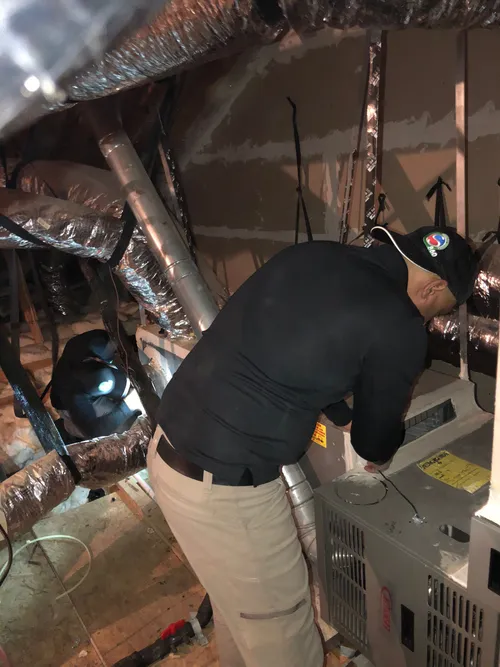
QS 360 Air Duct Cleaning
7411 Hillcroft St, Houston, TX 77081
QS 360 Air Duct Cleaning is a duct cleaning company based in Houston, TX, specializing in improving indoor air quality for homes and businesses. They offer comprehensive duct and vent cleaning services using EPA-approved, non-toxic disinfectants that remove over 95% of harmful substances. With 8 years of experience, their certified technicians stay updated on the latest air quality research and provide expert advice on ventilation and air quality solutions.
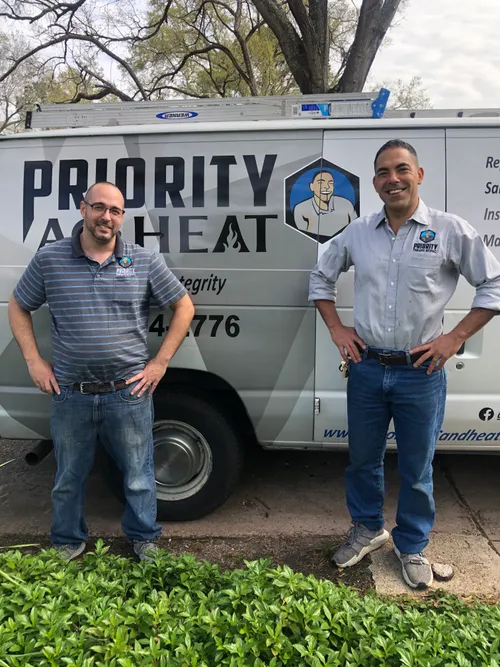
Priority AC & Heat
846 Wavecrest Ln, Houston, TX 77062
Priority AC & Heat is a family-owned HVAC company serving Houston, TX, and the greater Houston Bay Area since 2011. They offer a full range of air conditioning and heating services, including installation, repair, and maintenance for air conditioners, heat pumps, furnaces, and indoor air quality products. Their certified technicians provide 24-hour emergency repair services year-round, covering areas such as Alvin, Baycliff, Clear Lake, Deer Park, Friendswood, and more. One notable capability is their installation of the REME HALO whole home air purification system, which integrates with existing HVAC systems to reduce bacteria, mold, and viruses throughout the home.
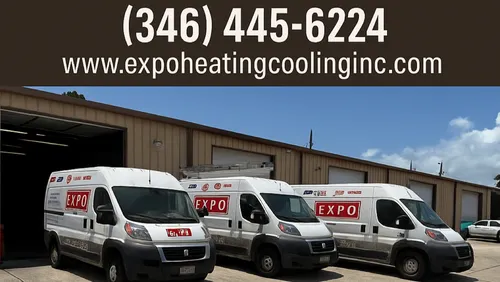
Expo Heating & Cooling Inc.
19507 Wied Rd Suite B, Spring, TX 77388
Expo Heating & Cooling Inc. is an HVAC service provider based in Houston, TX, serving Spring, The Woodlands, Cypress, and nearby areas. With over 20 years of experience, they offer air conditioning repair, furnace repair, indoor air quality solutions, and zoned HVAC systems for both residential and commercial clients. Their team focuses on maintaining comfortable indoor environments through reliable heating and cooling services.
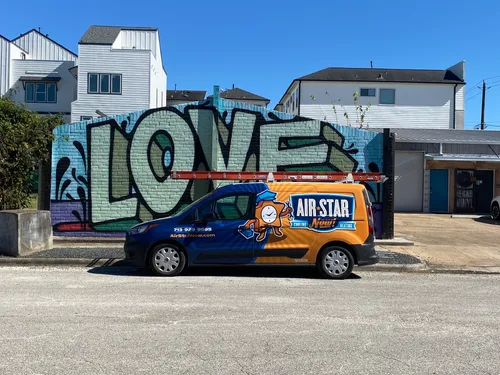
Air Star Now
6607 Flintlock Rd, Houston, TX 77040
Air Star Now is a family-owned HVAC company serving Houston, TX, and nearby areas including Katy, Cypress, and Spring. They provide a full range of heating and cooling services such as air conditioner and furnace repair, installation, and maintenance. Their licensed technicians offer 24/7 emergency service and specialize in system diagnostics, repairs, and energy efficiency improvements, including programmable thermostat installation. Air Star Now emphasizes preventative maintenance to extend system lifespan and reduce energy costs, supporting homeowners with expert advice and quality parts.
Understanding Pasadena's Unique Air Quality Challenges
Pasadena's indoor air is influenced by a distinct combination of coastal humidity and industrial proximity. This creates a set of common pollutants that residents and business owners should be aware of to protect their indoor environments effectively.
The high humidity levels common in the Houston-Pasadena area provide an ideal breeding ground for mold and mildew. These biological contaminants often thrive in damp, unventilated spaces like under sinks, within wall cavities, in attics, and in basements. Beyond causing musty odors, mold spores can trigger allergic reactions, asthma attacks, and other respiratory issues.
Another significant concern is the presence of volatile organic compounds (VOCs) and formaldehyde 1. These gases are emitted from a wide array of common household and office items, including:
- New furniture, cabinets, and flooring
- Paints, varnishes, and solvents
- Cleaning and disinfecting products
- Air fresheners and candles
- Building materials like plywood and insulation
Pasadena's location within a major industrial corridor introduces external pollutants that can infiltrate indoor spaces 2. Outdoor air intrusion can bring in ozone, nitrogen oxides, and particulate matter from nearby refineries, chemical plants, and traffic. This is especially problematic when buildings have poor ventilation or inadequate filtration systems, allowing these pollutants to accumulate indoors where people spend the majority of their time.
Additional common indoor air contaminants in the area include:
- Combustion Products: Carbon monoxide and fine particulate matter from gas stoves, furnaces, fireplaces, and vehicles idling in attached garages 3.
- Dust and Allergens: Pollen, pet dander, dust mites, and cockroach debris, which are pervasive and can be exacerbated by local flora and climate.
- Legacy Hazards: In older homes, there is potential for materials containing asbestos or lead dust, which require specialized handling.
How to Test and Assess Your Indoor Air
Before implementing solutions, it's important to understand the specific pollutants present in your space. Assessment options range from DIY approaches to comprehensive professional evaluations.
DIY Air Quality Monitors: Homeowners can get a general snapshot of their indoor environment using consumer-grade air quality monitors. These devices, which range in price, typically provide real-time data on parameters like particulate matter (PM2.5), carbon dioxide (CO2) levels, temperature, and relative humidity 4. While helpful for tracking trends and identifying potential problem areas, they may not detect specific VOCs, mold spores, or formaldehyde with laboratory-grade accuracy.
Professional IAQ Testing: For a definitive diagnosis, hiring a certified indoor air quality professional is recommended 5. These experts conduct whole-home assessments using specialized equipment. Their process often includes:
- Visual inspection of the HVAC system, ductwork, and potential moisture sources.
- Air sampling sent to laboratories to identify specific types and concentrations of mold, VOCs, and other chemicals.
- Surface sampling to check for mold growth or dust composition.
- Tests for specific hazards like radon gas or asbestos, if suspected 6.
A professional assessment provides not just data, but expert interpretation and a roadmap for effective remediation tailored to your Pasadena home's unique situation 7.
Find the perfect indoor air quality service providers for your needs
Get personalized recommendations and expert advice
Effective Strategies for Improving Indoor Air
Improving your home's air purity involves a multi-pronged strategy focusing on source control, ventilation, and filtration. Costs can vary from simple behavioral changes to significant system upgrades.
Source Control: The First Line of Defense
The most effective way to improve air quality is to prevent pollutants from entering or being generated indoors.
- Manage Humidity: Use dehumidifiers and ensure bathrooms, kitchens, and laundry rooms are well-ventilated to the outside to keep humidity below 60% and inhibit mold growth 8.
- Choose Low-VOC Products: Opt for paints, cleaners, and building materials labeled "low-VOC" or "zero-VOC."
- Maintain Appliances: Have fuel-burning appliances (furnaces, water heaters, fireplaces) serviced annually to prevent carbon monoxide leaks.
- Isolate Pollutants: Store chemicals, paints, and solvents in a detached shed or garage. Avoid idling cars in attached garages.
Ventilation: Diluting Indoor Pollutants
Bringing in fresh outdoor air is essential, but in Pasadena, it must be balanced with filtration.
- Use Exhaust Fans: Always run bathroom and kitchen exhaust fans while showering or cooking to remove moisture and combustion byproducts directly.
- Spot Ventilation: Open windows when outdoor air quality is good (check local air quality indexes) to create cross-ventilation 9.
- Whole-Home Systems: Consider installing an Energy Recovery Ventilator (ERV) or Heat Recovery Ventilator (HRV). These systems systematically bring in fresh, filtered outdoor air while exhausting stale indoor air, conserving energy in the process.
Filtration and Air Cleaning
Mechanical filtration is key to removing particles and some gases from the air.
- HVAC Filter Upgrades: The simplest upgrade is using a higher Minimum Efficiency Reporting Value (MERV) rated filter for your central HVAC system (check system compatibility first). MERV 13 filters are highly effective at capturing fine particles 10.
- Portable Air Purifiers: These are excellent for targeting specific rooms. Look for units with a true HEPA filter for particles and, if needed, an activated carbon layer to help adsorb some VOCs and odors.
- Whole-Home Air Cleaners: For comprehensive coverage, systems like in-duct air scrubbers, electronic air cleaners, or UV-C lights can be installed within your HVAC system to treat air throughout the entire house as it circulates.
Professional Remediation and Upgrades
For identified problems, professional services are often necessary.
- Mold Remediation: If active mold growth is present, professional removal is crucial to prevent it from spreading. The process involves containment, removal of contaminated materials, and cleaning of affected areas 11.
- Duct Cleaning and Sealing: Having your ductwork professionally cleaned can remove accumulated dust and debris. Sealing leaky ducts, especially those running through hot attics, prevents contaminated air from being pulled into your living spaces 12.
- Radon Mitigation: If testing reveals elevated radon levels, a professional can install a sub-slab depressurization system to vent the gas safely outdoors 13.
Maintaining Healthy Air Long-Term
Good indoor air quality is an ongoing commitment. Establish a routine that includes:
- Changing your HVAC system air filters every 1-3 months.
- Scheduling annual HVAC maintenance to ensure the system is clean and operating efficiently.
- Regularly cleaning carpets, upholstery, and bedding to reduce dust mites and allergens.
- Monitoring indoor humidity levels, especially during Pasadena's humid summers.
- Staying informed about local outdoor air quality alerts and adjusting ventilation practices accordingly 14.
By understanding the local challenges and implementing a layered approach of prevention, ventilation, and filtration, you can create a healthier and more comfortable indoor environment for everyone in your Pasadena home or workplace.
Frequently asked questions
Sources
Footnotes
-
Indoor Air Quality - Houston - John Moore Services - https://www.johnmooreservices.com/indoor-air-quality/ ↩
-
Neglected and exposed: Toxic air lingers in a Texas Latino ... - https://www.click2houston.com/news/texas/2024/03/14/neglected-and-exposed-toxic-air-lingers-in-a-texas-latino-community-revealing-failures-in-states-air-monitoring-system/ ↩
-
Indoor Air Quality - NM-Tracking - https://nmtracking.doh.nm.gov/environment/air/IndoorQuality.html ↩
-
Google's Shopping Data - https://blog.google/products/shopping/shopping-graph-explained/ ↩
-
Air Quality Testing in Pasadena, TX 77505 - https://air-quality-testing-pearland-tx.netlify.app/areas-we-service/pasadena-77505 ↩
-
Expert Mold Inspections & Testing in Pasadena, TX - https://awamoldinspections.com/service-areas/texas/pasadena/ ↩
-
Expert Indoor Air Quality Testing With MSE Environmental - https://msenational.com/indoor-air-quality ↩
-
What's In Your Air, Pasadena? - https://www.airtechofpasadena.com/air-conditioning/indoor-air-quality/whats-in-your-air-pasadena/ ↩
-
Air Quality - Pollution Control Services Department - https://pcs.harriscountytx.gov/Services/Air-Quality ↩
-
Impact of Air Conditioning on Indoor Air Quality in Houston - https://www.valderramainc.com/blog/2025/december/impact-of-air-conditioning-on-indoor-air-quality/ ↩
-
How Much Does Indoor Air Quality Testing Cost? [2025 Data] - https://www.homeadvisor.com/cost/environmental-safety/test-indoor-air-quality/ ↩
-
Indoor Air Quality - Houston - John Moore Services - https://www.johnmooreservices.com/indoor-air-quality/ ↩
-
How to improve indoor air quality at home - PUBLIC HEALTH INSIDER - https://publichealthinsider.com/2022/06/03/ways-to-improve-indoor-air-quality-at-home/ ↩
-
What can I do to improve indoor air quality in my home? | US EPA - https://www.epa.gov/indoor-air-quality-iaq/what-can-i-do-improve-indoor-air-quality-my-home ↩