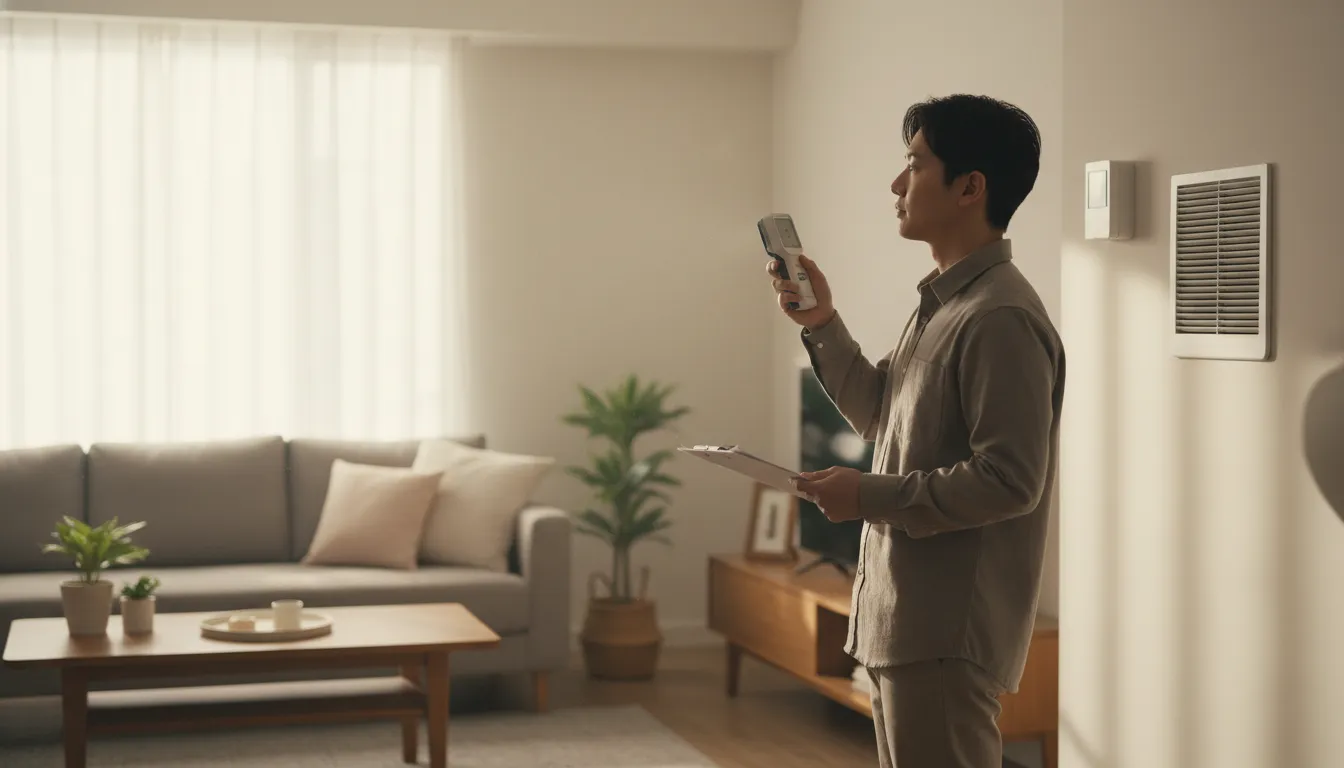
Find the Best Indoor Air Quality Service Providers for Your Business
No obligation • Fast responses • Nationwide coverage

Why you can trust HVAC Firms
HVAC Firms is a leading United States resource for evaluating HVAC service providers. Our team researches companies, checks credentials, and reviews customer feedback to present clear, unbiased information. Listings and rankings are based on merit, and companies cannot pay to change our editorial content.
Search providers near you
Top Indoor Air Quality Service Providers in Missouri City, Texas Ranked
The air you breathe inside your home or office has a direct impact on your health, comfort, and productivity. In Missouri City, Texas, managing indoor air quality (IAQ) is a critical concern due to the region's unique climate and environmental factors. This guide explains the common pollutants affecting local indoor environments, outlines professional testing and monitoring methods, and explores effective strategies for improvement. You can use this information to understand your IAQ needs and connect with qualified local specialists for assessment and solutions.
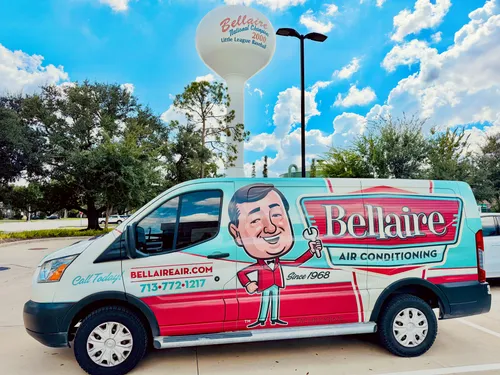
Bodensteiner Service Inc
3403 Houston Ave, Houston, TX 77009
Bodensteiner Service Inc is an HVAC company based in Houston, TX, offering heating, cooling, and indoor air quality services. They provide installation, repair, and maintenance for air conditioners, furnaces, heat pumps, mini splits, and thermostats. The company fabricates custom ductwork to ensure proper ventilation and serves the greater Houston area. As an American Standard dealer, they offer a range of indoor comfort equipment including air cleaners, UV lights, and zoning products. Bodensteiner Service Inc has experience installing many systems locally and emphasizes doing the job right the first time.
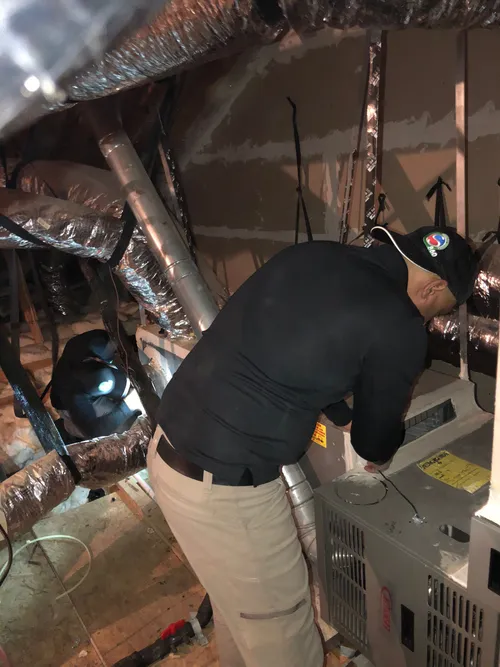
QS 360 Air Duct Cleaning
7411 Hillcroft St, Houston, TX 77081
QS 360 Air Duct Cleaning is a duct cleaning company based in Houston, TX, specializing in improving indoor air quality for homes and businesses. They offer comprehensive duct and vent cleaning services using EPA-approved, non-toxic disinfectants that remove over 95% of harmful substances. With 8 years of experience, their certified technicians stay updated on the latest air quality research and provide expert advice on ventilation and air quality solutions.
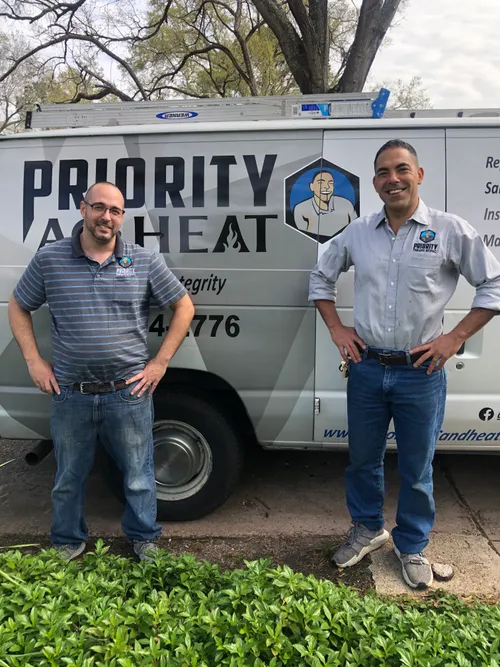
Priority AC & Heat
846 Wavecrest Ln, Houston, TX 77062
Priority AC & Heat is a family-owned HVAC company serving Houston, TX, and the greater Houston Bay Area since 2011. They offer a full range of air conditioning and heating services, including installation, repair, and maintenance for air conditioners, heat pumps, furnaces, and indoor air quality products. Their certified technicians provide 24-hour emergency repair services year-round, covering areas such as Alvin, Baycliff, Clear Lake, Deer Park, Friendswood, and more. One notable capability is their installation of the REME HALO whole home air purification system, which integrates with existing HVAC systems to reduce bacteria, mold, and viruses throughout the home.
Air Star Now
6607 Flintlock Rd, Houston, TX 77040
Air Star Now is a family-owned HVAC company serving Houston, TX, and nearby areas including Katy, Cypress, and Spring. They provide a full range of heating and cooling services such as air conditioner and furnace repair, installation, and maintenance. Their licensed technicians offer 24/7 emergency service and specialize in system diagnostics, repairs, and energy efficiency improvements, including programmable thermostat installation. Air Star Now emphasizes preventative maintenance to extend system lifespan and reduce energy costs, supporting homeowners with expert advice and quality parts.
Cool Care Heating and Air Conditioning
2015 Bauer Dr, Houston, TX 77080
Cool Care Heating and Air Conditioning is a family-owned HVAC company based in Houston, TX. They provide a full range of heating, cooling, indoor air quality, and maintenance services tailored to the local climate. Their offerings include installation, repair, and tune-ups for air conditioners, furnaces, heat pumps, and HVAC systems, along with indoor air quality solutions such as humidifiers, air purifiers, and UV germicidal lights. Cool Care emphasizes craftsmanship and personalized service to help homeowners maintain comfort year-round while managing energy efficiency.
Why Indoor Air Quality Matters in Missouri City
The quality of your indoor air is not an abstract concept; it's a daily factor influencing respiratory health, allergy symptoms, sleep quality, and overall well-being. For Missouri City residents, the challenge is twofold: managing common indoor pollutants found anywhere and addressing those amplified by our specific location in the Greater Houston metropolitan area. The U.S. Environmental Protection Agency (EPA) notes that Americans spend approximately 90% of their time indoors, where concentrations of some pollutants can be two to five times higher than typical outdoor levels1. Given this exposure, proactive management of your home's air is a key component of a healthy lifestyle.
Common Indoor Air Pollutants in Missouri City Homes
Understanding the specific threats to your indoor environment is the first step toward improvement. Missouri City's climate and industrial surroundings contribute to a distinct set of air quality challenges.
Mold and Moisture
The high humidity levels prevalent in Southeast Texas create an ideal breeding ground for mold and mildew. This is a primary concern for local homeowners and businesses. Mold growth often begins in unseen areas-behind walls, under flooring, or in attics-following minor leaks or condensation issues. Exposure can trigger a range of health issues, from allergic reactions and asthma attacks to more severe respiratory problems2 3. Controlling indoor humidity is a frontline defense against this pervasive pollutant.
Outdoor Pollutant Infiltration
Missouri City's air is influenced by the broader Houston region, which faces challenges with ozone and fine particulate matter (PM2.5) from industrial facilities, power generation, and transportation4 5. These outdoor pollutants readily infiltrate homes, especially through poorly sealed windows, doors, and ventilation systems. A recent "State of the Air" report highlighted ongoing air quality concerns in the Houston metro area, underscoring the importance of effective filtration for indoor spaces4.
Volatile Organic Compounds (VOCs)
Common household products are a significant source of indoor air contamination. Cleaning supplies, paints, adhesives, new furniture, and even some building materials release VOCs into the air. In tightly sealed homes, which are common during our long, hot summers when air conditioning runs constantly, these gases can accumulate. Prolonged exposure to elevated VOC levels can cause headaches, dizziness, eye and respiratory tract irritation, and may have longer-term health effects6.
Inadequate Ventilation
The reliance on air conditioning for much of the year often means homes are kept closed up, limiting the exchange of stale indoor air with fresh outdoor air. This "sealed building" syndrome traps pollutants and moisture inside. Without proper mechanical ventilation, such as that provided by Energy Recovery Ventilators (ERVs) or Heat Recovery Ventilators (HRVs), contaminant levels can rise steadily.
Common Allergens
Dust mites, pet dander, and pollen are perennial triggers for allergy and asthma sufferers7 8. These allergens accumulate in carpets, upholstery, bedding, and air ducts. The warm, humid climate of Missouri City can support higher populations of dust mites, making regular cleaning and high-efficiency filtration especially important.
How to Assess Your Indoor Air Quality
Determining the state of your indoor environment involves either professional assessment or DIY monitoring, each with its own purpose and level of detail.
Professional IAQ Assessments
For a comprehensive evaluation, especially if health symptoms are present or you suspect a specific issue like mold, hiring a professional is recommended. A thorough assessment typically includes:
- Visual Inspection: A specialist will examine your home for signs of water damage, mold growth, and HVAC system condition.
- Moisture Mapping: Using tools like moisture meters and thermal imaging cameras to detect hidden dampness in walls and ceilings.
- Air and Surface Sampling: Collecting samples to be analyzed in a laboratory. This can identify specific types of mold spores, concentrations of VOCs, or levels of particulate matter 9. The cost for professional testing in Missouri City can range from $299 for basic assessments to over $2,000 for extensive testing of multiple pollutants 10.
Targeted Pollutant Testing
Professionals can also perform tests for specific hazards:
- Radon Gas: A colorless, odorless radioactive gas that can seep into homes from the ground. Testing is simple and mitigation, if needed, typically costs between $700 and $1,200.
- Formaldehyde & VOCs: Specific chemical tests can pinpoint off-gassing from new materials or products.
- Allergen Screening: Tests can quantify levels of common allergens like dust mite debris and pet dander.
DIY Monitoring and Testing
Homeowners can take proactive steps with consumer-grade tools:
- IAQ Monitors: Devices are available that provide real-time data on key metrics like PM2.5, VOC levels, carbon dioxide (CO2), humidity, and temperature. These are excellent for tracking trends and verifying the effectiveness of interventions.
- DIY Test Kits: Kits for mold, radon, or lead dust can be purchased at hardware stores. While they can indicate a potential problem, their accuracy varies, and positive results should typically be followed up with a professional assessment for confirmation and remediation guidance11 12.
Find the perfect indoor air quality service providers for your needs
Get personalized recommendations and expert advice
Proven Strategies to Improve Indoor Air
Improving your home's air doesn't rely on a single miracle product. The EPA and industry experts advocate for a layered approach using three fundamental strategies13.
1. Source Control
The most effective way to improve IAQ is to eliminate or reduce pollutants at their source.
- Choose Low-VOC Products: Opt for paints, cleaners, and furnishings labeled as low-VOC or no-VOC.
- Address Moisture Immediately: Fix leaks and plumbing drips promptly. Use exhaust fans in bathrooms and kitchens to vent moisture outside.
- Maintain Cleanliness: Regular vacuuming with a HEPA-filtered vacuum and dusting with a damp cloth can significantly reduce allergens like dust mites and pet dander14.
2. Improve Ventilation
Diluting stale indoor air with fresh outdoor air is crucial.
- Natural Ventilation: When weather and outdoor air quality permit, opening windows and doors creates cross-ventilation.
- Mechanical Ventilation: For consistent, controlled fresh air, consider installing a whole-home ventilation system like an ERV or HRV. These systems exchange indoor and outdoor air while recovering energy (temperature and humidity), so your HVAC system doesn't work as hard15.
3. Use Air Cleaners
When source control and ventilation are insufficient, air cleaning devices can remove pollutants from circulation.
- Upgraded HVAC Filters: The simplest upgrade is installing a higher Minimum Efficiency Reporting Value (MERV) rated filter in your central air system (check your system's compatibility first). MERV 13 filters are highly effective at capturing fine particles16.
- Portable Air Purifiers: These are effective for single rooms. Look for units with true HEPA filters for particles and activated carbon filters for gases and odors.
- Whole-Home Air Cleaners: Installed directly into your HVAC ductwork, these systems, such as UV germicidal lights or electronic air cleaners, purify the air throughout your entire home as it circulates.
Understanding Costs for IAQ Improvements
Investment in indoor air quality varies based on the scope of the problem and the solutions chosen. Here's a general overview of potential costs homeowners in Missouri City might encounter 17 18:
- Professional IAQ Testing: As noted, diagnostic testing typically ranges from $299 to $2,000+, depending on the home's size and number of pollutants tested.
- Air Purification Solutions: Portable HEPA air purifiers start under $200, while whole-home air cleaning systems integrated into your HVAC require professional installation and represent a more significant investment.
- HVAC Maintenance & Upgrades: Essential seasonal maintenance (including coil cleaning and filter changes) can cost a few hundred dollars. Duct cleaning or sealing services are additional. Upgrading to a high-efficiency particulate air filter or UV light system also involves upfront costs.
- Mold Remediation: If testing confirms a mold problem, professional remediation is essential. The average cost for a typical home can be around $5,000, but this is highly variable and follows a professional assessment (which itself may cost $300-$1,000+)19 20.
- Radon Mitigation: After confirming elevated levels with a test, installing a radon mitigation system generally costs between $700 and $1,200+21.
Maintaining Healthy Indoor Air Long-Term
Achieving good IAQ is an ongoing process, not a one-time fix. A sustainable plan includes:
- Regular HVAC Maintenance: Have your heating and cooling system inspected and serviced at least twice a year. A clean system circulates air more efficiently and prevents the spread of contaminants22 23.
- Monitor Humidity: Keep indoor relative humidity between 30% and 50% to inhibit mold growth and dust mites. A dehumidifier may be necessary in basements or particularly damp areas.
- Replace Filters Regularly: Follow manufacturer guidelines for replacing your HVAC and air purifier filters. A clogged filter restricts airflow and loses effectiveness.
- Stay Informed: Be mindful of outdoor air quality alerts for the Houston area. On days with high ozone or particulate pollution, rely more on filtered, recirculated indoor air and limit outdoor air intake.
Frequently asked questions
Sources
Footnotes
-
Improving Indoor Air Quality | US EPA - https://www.epa.gov/indoor-air-quality-iaq/improving-indoor-air-quality ↩
-
Indoor Air Quality - Frequently Asked Questions - OSHA - https://www.osha.gov/indoor-air-quality/faqs ↩
-
What signs are there that your indoor air quality is poor or not ... - https://www.quora.com/What-signs-are-there-that-your-indoor-air-quality-is-poor-or-not-up-to-par ↩
-
New 'State of the Air' Report Finds Houston Metro Area ... - https://www.lung.org/media/press-releases/tx-sota-2025-houston-release ↩ ↩2
-
Missouri City, TX Poor Air Quality Map and Forecast | First Street - https://firststreet.org/city/missouri-city-tx/4848804_fsid/air ↩
-
Impact of Paint on Indoor Air Quality in Schools - https://cdnassets.hw.net/e3/35/c494c5e747958b2e537cb14664ae/sw-iaq-white-paper-tcm131-2137625.pdf ↩
-
Common Indoor Air Pollutants That May Be In Your Home - https://radiantplumbing.com/blog/common-indoor-air-pollutants-that-may-be-in-your-home/ ↩
-
Indoor Air Pollution: What Missouri Homeowners Should Know - https://cleanaircolumbia.com/indoor-air-pollution/ ↩
-
What Should I Expect From An Indoor Air Quality Test? - https://rtkenvironmental.com/healthy-home/expect-from-indoor-air-quality-test/ ↩
-
How Much Does a Home Indoor Air Quality Testing Cost? - https://www.airpf.com/how-much-does-a-home-indoor-air-quality-testing-cost/ ↩
-
How to test indoor air quality in your home - Airthings - https://www.airthings.com/resources/how-to-test-air-quality-in-your-home ↩
-
Essential Air Quality Testing For Kansas City Offices - myshyft.com - https://www.myshyft.com/blog/indoor-air-quality-testing-for-offices-kansas-city-missouri/ ↩
-
THREE BASIC STRATEGIES TO IMPROVE INDOOR AIR QUALITY - https://airquip.com/three-basic-strategies-to-improve-indoor-air-quality/ ↩
-
How to Improve Indoor Air Quality - Strada Services - https://stradaservices.com/about-us/blog/how-to-improve-indoor-air-quality/ ↩
-
Measurements of Indoor Air Quality - https://link.springer.com/rwe/10.1007/978-981-19-1550-5_90-1 ↩
-
How To Improve Indoor Air Quality After Bad Test Results In Monterey - https://www.m3environmental.com/how-to-improve-indoor-air-quality-after-bad-test-results/ ↩
-
Main stages of indoor air quality services testing, remediation & maintenance? - Thermacon Service Company, Inc. - https://thermaconservice.com/indoor-air-quality-testing-remediation-maintenance/ ↩
-
Indoor Air - Lee's Summit - https://www.lsheatcool.com/indoor-air-quality/ ↩
-
Mold Inspection Costs: 2025 Price Breakdown | Houston, TX - https://andersonrestore.com/the-true-cost-of-a-mold-inspection/ ↩
-
Mold Inspection 101: How Much It Costs and When to Get One - https://molekule.com/blogs/all/mold-inspection-101-how-much-it-cost-and-when-to-get-one ↩
-
How Much Does Professional Home Indoor Air Quality Testing Cost? - https://www.airpf.com/how-much-does-a-home-indoor-air-quality-testing-cost/ ↩
-
Heater Maintenance Missouri City TX - Top-Pick Mechanical - https://tpmechanical.pro/heater-maintenance-missouri-city-tx-tips/ ↩
-
Improving Indoor Air Quality Solutions in Houston, TX - https://www.onehourheatandair.com/houston/about-us/blog/2023/july/improving-indoor-air-quality-solutions-by-one-ho/ ↩