Find the Best Indoor Air Quality Service Providers for Your Business
No obligation • Fast responses • Nationwide coverage

Why you can trust HVAC Firms
HVAC Firms is a leading United States resource for evaluating HVAC service providers. Our team researches companies, checks credentials, and reviews customer feedback to present clear, unbiased information. Listings and rankings are based on merit, and companies cannot pay to change our editorial content.
Search providers near you
Top Indoor Air Quality Service Providers in Haltom City, Texas Ranked
The air you breathe inside your Haltom City home has a direct impact on your comfort, health, and well-being. Indoor air quality, or IAQ, refers to the condition of the air within and around buildings, particularly as it relates to the health of occupants. In North Texas, factors like high humidity, seasonal allergens, and urban pollutants make managing your home's air environment a critical concern. This resource helps you understand common local air quality challenges, professional solutions available, and practical steps you can take to create a cleaner, healthier indoor space.
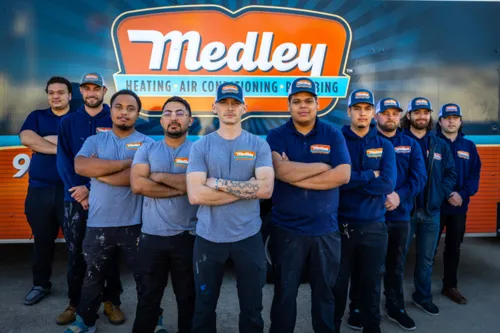
Medley Heating Air Conditioning Plumbing
1711 Briercroft Ct ste 127, Carrollton, TX 75006
Medley Heating Air Conditioning Plumbing provides heating, air conditioning, indoor air quality, and plumbing services in Dallas, TX. They offer installation, repair, and maintenance for HVAC systems, including furnaces and air conditioners, with a focus on high-efficiency solutions. Their licensed technicians are employees who receive ongoing training and background checks, ensuring careful and knowledgeable service. Medley also offers financing options to assist with system upgrades and emergency repairs. The company serves Dallas and nearby communities such as Carrollton, Coppell, and Plano.

Prime AC and Heat
150 Valley Ridge Blvd Suite #102, Lewisville, TX 75057
Prime AC and Heat is a residential HVAC company serving Dallas, TX, and the wider DFW metroplex, including Lewisville, Flower Mound, and surrounding areas. They offer a full range of home comfort services such as air conditioning repair and replacement, furnace installation and repair, heat pump service, duct cleaning, thermostat installation, and indoor air quality solutions. The company provides 24/7 emergency service with same-day appointments to address urgent HVAC needs. Prime AC and Heat is known for its licensed technicians, A+ BBB rating, and transparent pricing without hidden fees.
Coventry & Gattis A/C, Inc.
219 N Dooley St, Grapevine, TX 76051
Coventry & Gattis A/C, Inc. provides HVAC services including air conditioning repair, installation, furnace installation, and indoor air quality solutions in Irving, TX. They offer energy-efficient heating systems and advanced air purification options such as ultraviolet light air purifiers and air filtration systems. Serving Grapevine and surrounding areas, the company focuses on maintaining comfortable and breathable indoor environments.
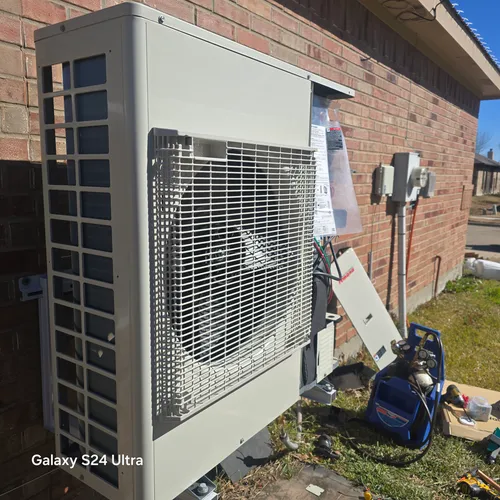
Prime Time Heating And Air LLC
2714 SE Loop 820, Fort Worth, TX 76140
Prime Time Heating And Air LLC is a family-owned HVAC company based in Fort Worth, TX, with over 35 years of experience serving residential and commercial clients. They provide a range of services including installation, maintenance, and repair of heating and air conditioning systems, as well as indoor air quality solutions. Their expertise includes installing energy-efficient HVAC systems and conducting thorough maintenance to keep systems running optimally throughout the year. The company emphasizes reliable service tailored to the Fort Worth area and offers membership plans for ongoing system care.
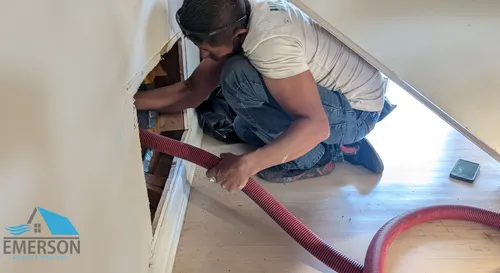
Emerson Air Duct & Dryer Vent
2043 Empire Central Pl Ste 109, Dallas, TX 75235
Emerson Air Duct & Dryer Vent provides air duct cleaning and dryer vent services in Dallas, TX, and surrounding areas including Fort Worth, Plano, Arlington, and Irving. They serve both residential and commercial properties, focusing on improving indoor air quality by removing dust, allergens, and debris. Their licensed technicians offer cleaning, installation, and repair services designed to enhance HVAC efficiency and reduce fire hazards. The company uses HEPA-grade cleaning methods to ensure thorough removal of contaminants and supports whole-home air quality solutions.
Why Haltom City Homes Face Unique Air Quality Challenges
The indoor environment in Haltom City is influenced by the broader North Texas climate and specific local conditions. Research indicates that indoor air in area homes can often be more polluted than the air outside, sometimes containing higher concentrations of particulate matter and volatile organic compounds (VOCs) than typical office buildings. 1 This is due to a combination of tightly sealed modern construction, which traps pollutants inside, and a variety of local contaminant sources.
Key factors affecting your home's air include:
- High Humidity and Mold: The humid climate provides ideal conditions for mold growth and dust mites, leading to musty odors and potential respiratory irritants.
- Allergen Infiltration: High pollen counts, including the notorious "cedar fever," can easily enter homes through doors, windows, and on clothing.
- Volatile Organic Compounds (VOCs): These gases are emitted from everyday household items like cleaning products, paints, new furniture, and carpets.
- Particulate Matter: Dust, pet dander, and soot from cooking or fireplaces circulate through your HVAC system.
- Combustion Pollutants: Appliances like gas stoves, water heaters, or furnaces with cracked heat exchangers can release nitrogen dioxide (NO₂) and carbon monoxide (CO).
Common Indoor Air Pollutants in North Texas
Understanding the specific pollutants in your home is the first step toward cleaner air. Here's a closer look at the most prevalent culprits.
Biological Contaminants: Mold, Dust Mites, and Pollen
Moisture is the primary enemy. Leaks, condensation, and general North Texas humidity can lead to mold growth in walls, attics, and under sinks. Mold spores become airborne and can trigger allergies and asthma. Similarly, dust mites thrive in humid conditions, living in bedding, upholstery, and carpets. Outdoor pollen from grasses, trees, and weeds relentlessly finds its way indoors, especially during peak seasons.
Chemical Pollutants: VOCs and Formaldehyde
Many building materials and home products "off-gas" chemicals over time. Sources include:
- Household cleaners and air fresheners with synthetic fragrances
- Paints, varnishes, and adhesives
- Pressed-wood products (like some furniture or cabinetry)
- New carpets and vinyl flooring These VOCs can cause headaches, eye and throat irritation, and long-term health concerns. 2
Particulate Matter and Combustion Byproducts
Fine particles like dust, pet dander, and smoke are small enough to be inhaled deep into the lungs. In homes with gas appliances, improper ventilation can lead to elevated levels of nitrogen dioxide. Perhaps the most dangerous is carbon monoxide, an odorless, colorless gas that can be fatal at high levels, underscoring the need for proper appliance maintenance and working CO detectors. 3
Professional Air Quality Assessment and Testing
If you suspect an issue or simply want peace of mind, professional indoor air testing provides definitive answers. Local specialists use advanced tools to diagnose your home's specific profile.
Common Testing Methods Include:
- Laser Particle Counters: Measure the concentration and size of dust, mold spores, and other particulates in the air.
- SUMMA Canisters and VOC Sensors: Capture air samples for lab analysis to identify and quantify specific VOCs and formaldehyde levels. 4
- Microbiology Air Sampling: Uses devices like Air-o-cell cassettes to collect mold spores for species identification, which is crucial for effective remediation.
- Combustion Gas Analyzers: Check for unsafe levels of carbon monoxide, carbon dioxide (CO₂), and nitrogen dioxide from fuel-burning appliances.
- Comprehensive Inspection: A thorough professional will also assess your HVAC system's cleanliness, airflow balance, and look for moisture sources in basements, crawl spaces, and walls. 5
An initial IAQ consultation and basic testing in the Haltom City area typically starts in the range of $200 to $500, depending on the home's size and the scope of testing.
Solutions for Cleaner, Healthier Indoor Air
Improving your home's air involves a multi-pronged strategy: controlling sources, improving ventilation, cleaning the air, and managing humidity.
Source Control: The First Line of Defense
The most effective way to improve air quality is to prevent pollutants from entering the air in the first place.
- Choose low-VOC or VOC-free paints, cleaners, and building materials.
- Minimize the use of aerosol sprays and plug-in air fresheners.
- Ensure gas appliances are properly vented and serviced annually.
- Place high-quality doormats at all entrances to reduce tracked-in dust and pollen. 6 7
Ventilation: Diluting Stale Air
Proper ventilation exchanges stale, polluted indoor air with fresh outdoor air.
- Use exhaust fans in bathrooms and kitchens during and for 20 minutes after use.
- Open windows and doors when weather and outdoor pollen levels permit.
- Consider an Energy Recovery Ventilator (ERV) or Heat Recovery Ventilator (HRV) for a controlled, energy-efficient way to bring in fresh air without sacrificing heating or cooling. 8 9
Air Filtration and Purification: Capturing Pollutants
This is where your HVAC system and supplemental devices play a major role.
- HVAC Filters: Upgrade from basic fiberglass filters to pleated filters with a MERV rating of 11-13. These capture a much higher percentage of fine particles. Expect to pay $20-$50 per filter, replaced every 1-3 months.
- Portable Air Purifiers: Units with true HEPA filters can be highly effective in single rooms, especially bedrooms. Quality models range from $100 to $500 or more.
- Whole-Home Air Cleaners: Installed directly into your HVAC ductwork, these systems (like high-efficiency media cleaners or electronic air cleaners) purify the air throughout your entire house.
- UV-C Light Systems: Installed inside the HVAC ductwork, ultraviolet lights help neutralize mold, bacteria, and viruses that pass by the lamps.
Find the perfect indoor air quality service providers for your needs
Get personalized recommendations and expert advice
Humidity Management: Stopping Mold at its Source
Controlling moisture is critical in our climate. The ideal indoor relative humidity is between 30% and 60%.
- Portable Dehumidifiers: Good for addressing moisture in a single problem area like a basement.
- Whole-Home Dehumidifiers: Integrated with your HVAC system, these units actively remove moisture from the air throughout the entire home, providing the most comprehensive solution. Installation for whole-home systems can range from $500 to $2,500 or more.
Investing in Your Air: Understanding Costs
While some improvements are low-cost, others are investments in your home's infrastructure and your family's health.
- High-Efficiency HVAC Filters (MERV 11-13): $20 - $50+ per filter. 10
- Portable HEPA Air Purifier: $100 - $500+ for a quality unit. 11
- UV Light Air Purification System: $500 - $1,000+ installed.
- Whole-Home Air Filtration System: $1,000 - $2,000+ installed. 12
- Whole-Home Dehumidifier: $500 - $2,500+ installed.
- Professional IAQ Testing/Assessment: $200 - $500+ for an initial consultation and basic testing. 13 14
Maintaining Your Improved Indoor Environment
After implementing solutions, ongoing maintenance is key.
- Filter Changes: Mark your calendar to change HVAC and air purifier filters on schedule.
- System Checks: Have your HVAC system, including any add-on air quality equipment, inspected and serviced at least once a year.
- Monitor Humidity: Use a simple hygrometer to keep an eye on indoor humidity levels.
- Stay Vigilant: Address water leaks or condensation immediately to prevent mold growth.
Taking proactive steps to assess and improve your indoor air can lead to better sleep, reduced allergy symptoms, and a healthier living environment for everyone in your Haltom City home.
Frequently asked questions
Sources
Footnotes
-
The Air Quality In Your Home May Be Worse Than In Your Office ... - https://stories.tamu.edu/news/2022/02/01/the-air-quality-in-your-home-may-be-worse-than-in-your-office-building/ ↩
-
Air Quality Haltom City, TX - World Air Map - Plume Labs - https://air.plumelabs.com/air-quality-in-haltom-city-aw-336111 ↩
-
Air quality inside homes worse than office buildings, study ... - https://www.fox10phoenix.com/news/air-quality-inside-homes-worse-than-office-buildings-study-suggests ↩
-
Air Quality Testing | TO-15 Testing in Houston - A&B Labs - https://ablabs.com/air-testing-lab/ ↩
-
Indoor Air Quality Testing & Inspection Services for Homes ... - https://www.precisionenviro.net/environmental-services/indoor-air-quality-testing-service/ ↩
-
4 Major Indoor Air Pollutants Impacting Your Health - https://evergreenairquality.com/what-are-the-4-major-indoor-air-pollutants/ ↩
-
Enhanced Indoor Air Quality Strategies ref guide EBOM | U.S. Green Building Council - https://www.usgbc.org/node/2767371 ↩
-
5 Common Pollutants Ruining Your Indoor Air Quality in ... - https://www.q1es.com/blog/2022/june/5-common-pollutants-ruining-your-indoor-air-qual/ ↩
-
Indoor Air Quality Workplace Program - https://www.tdi.texas.gov/pubs/videoresource/wpindoor.pdf ↩
-
The Dangerous Indoor Pollutants In Your Hill Country Home - https://www.72degreestexas.com/blog/the-dangerous-indoor-pollutants-in-your-hill-country-home/ ↩
-
Top 10 Indoor Air Pollutants and How to Eliminate Them - Sans - https://www.livesans.com/blogs/education/top-10-indoor-air-pollutants ↩
-
Indoor Air Quality Dallas - Efficient Home Solutions - https://ehshvac.com/services/indoor-air-quality-dallas-tx/ ↩
-
Air Quality Tests for Your DFW Area Home - Texas Air Doctors - https://www.texasairdoctors.com/air-quality-test ↩
-
Indoor Air Quality Testing Services | GreenWorks Inspections - https://greenworksinspections.com/indoor-air-quality/ ↩