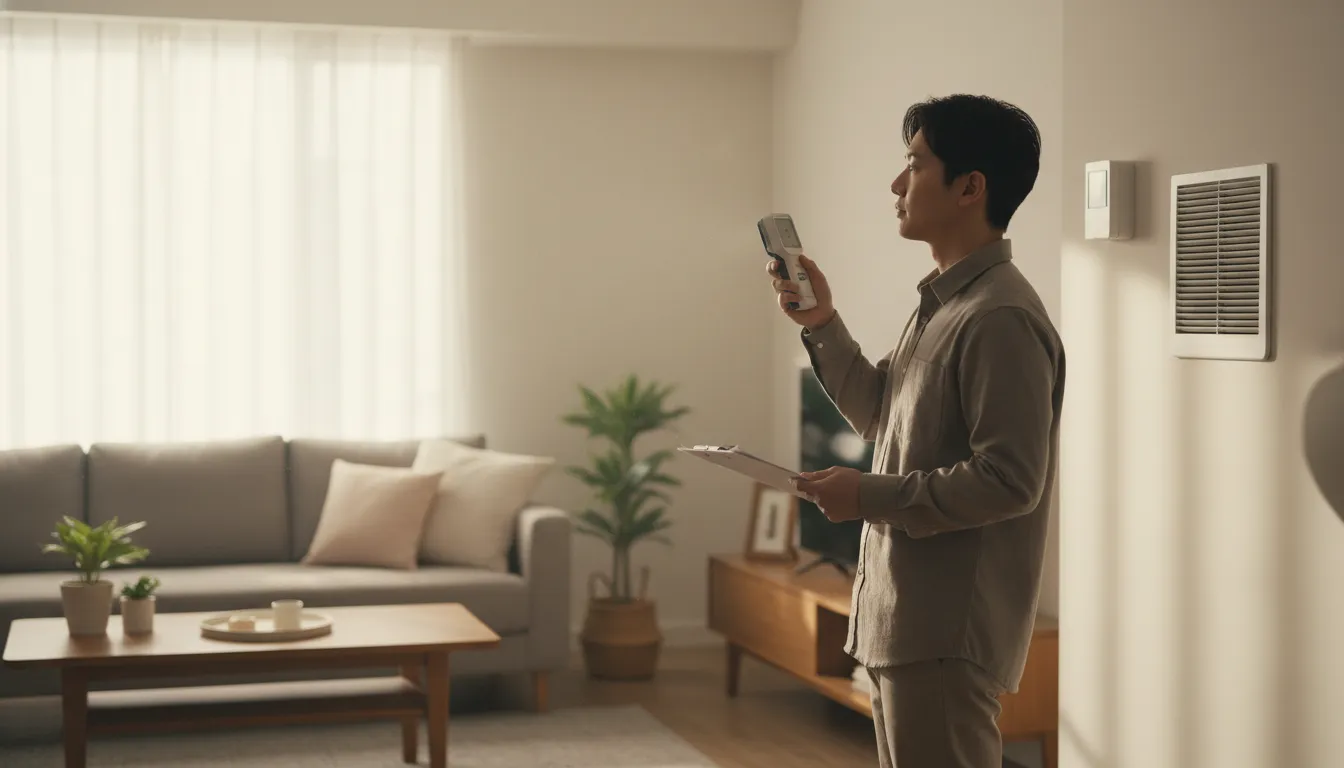
Find the Best Indoor Air Quality Service Providers for Your Business
No obligation • Fast responses • Nationwide coverage

Why you can trust HVAC Firms
HVAC Firms is a leading United States resource for evaluating HVAC service providers. Our team researches companies, checks credentials, and reviews customer feedback to present clear, unbiased information. Listings and rankings are based on merit, and companies cannot pay to change our editorial content.
Search providers near you
Top Indoor Air Quality Service Providers in Euless, Texas Ranked
The air you breathe inside your home or business in Euless directly impacts your health, comfort, and productivity. Indoor air quality (IAQ) refers to the condition of the air within and around buildings, particularly as it relates to the health and well-being of occupants. In the Dallas-Fort Worth area, common concerns like ozone infiltration, cooking pollutants, and inadequate ventilation make proactive IAQ management essential. This guide will help you understand the local challenges, how to assess your air, and the proven strategies local professionals use to create a cleaner, healthier indoor environment.
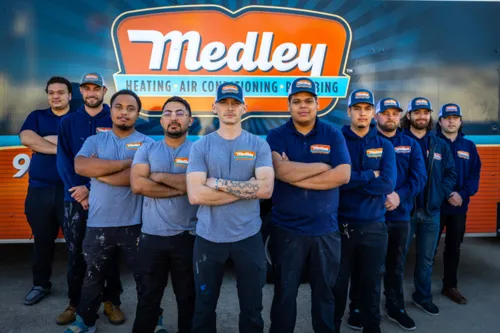
Medley Heating Air Conditioning Plumbing
1711 Briercroft Ct ste 127, Carrollton, TX 75006
Medley Heating Air Conditioning Plumbing provides heating, air conditioning, indoor air quality, and plumbing services in Dallas, TX. They offer installation, repair, and maintenance for HVAC systems, including furnaces and air conditioners, with a focus on high-efficiency solutions. Their licensed technicians are employees who receive ongoing training and background checks, ensuring careful and knowledgeable service. Medley also offers financing options to assist with system upgrades and emergency repairs. The company serves Dallas and nearby communities such as Carrollton, Coppell, and Plano.
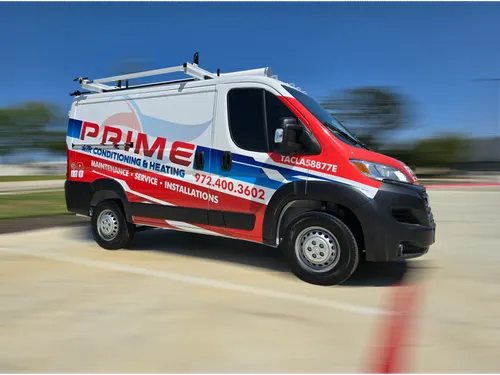
Prime AC and Heat
150 Valley Ridge Blvd Suite #102, Lewisville, TX 75057
Prime AC and Heat is a residential HVAC company serving Dallas, TX, and the wider DFW metroplex, including Lewisville, Flower Mound, and surrounding areas. They offer a full range of home comfort services such as air conditioning repair and replacement, furnace installation and repair, heat pump service, duct cleaning, thermostat installation, and indoor air quality solutions. The company provides 24/7 emergency service with same-day appointments to address urgent HVAC needs. Prime AC and Heat is known for its licensed technicians, A+ BBB rating, and transparent pricing without hidden fees.

Texas AirZone LLC
10763 Mapleridge Dr, Dallas, TX 75238
Texas AirZone LLC is an HVAC and plumbing service provider based in Dallas, TX. They offer a range of services including air conditioner repair, furnace installation and repair, indoor air quality solutions, and plumbing repairs for both residential and commercial clients. Their team has over 100 years of combined experience, specializing in whole-home HVAC systems with a focus on duct design and testing to maximize comfort and efficiency. Established in 1997, Texas AirZone provides 24/7 emergency service to ensure reliable heating and cooling year-round in the Texas climate.
Coventry & Gattis A/C, Inc.
219 N Dooley St, Grapevine, TX 76051
Coventry & Gattis A/C, Inc. provides HVAC services including air conditioning repair, installation, furnace installation, and indoor air quality solutions in Irving, TX. They offer energy-efficient heating systems and advanced air purification options such as ultraviolet light air purifiers and air filtration systems. Serving Grapevine and surrounding areas, the company focuses on maintaining comfortable and breathable indoor environments.
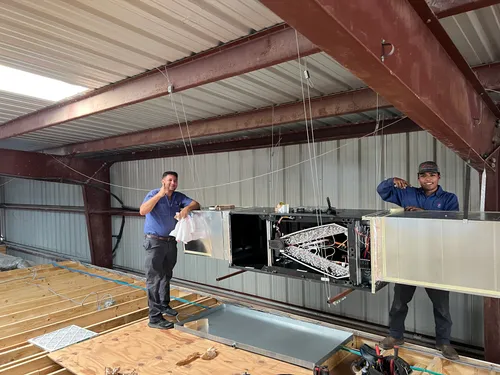
Aircons Heat & Better Air Inc
220 Commercial St, Garland, TX 75040
Aircons Heat & Better Air Inc is an HVAC company based in Dallas, TX, offering a wide range of heating and cooling services. They provide air conditioning and furnace repair, installation of heat pumps and geothermal systems, duct cleaning, thermostat installation, and indoor air quality solutions for both residential and commercial clients. The company is a certified Trane dealer and has over 15 years of experience in the industry. Their team is trained to handle all major HVAC brands and systems. Aircons Heat & Better Air Inc also offers financing options and is available for service calls day and night.
Understanding Euless's Indoor Air Quality Challenges
The indoor environment in Euless homes and offices is influenced by both regional factors and everyday activities. Recognizing these sources is the first step toward improvement.
Outdoor Air Infiltration: The Ozone Factor
A significant challenge for Euless residents is the infiltration of outdoor air pollution, particularly during the summer months. The DFW area experiences high ambient ozone levels, which can seep into buildings through windows, doors, and building envelopes. When ventilation systems are not properly filtered, this outdoor ozone becomes a primary contributor to indoor air pollution, affecting respiratory health.
Pollutants Generated Indoors
While outdoor air is a concern, many contaminants originate from activities inside the building:
- Cooking Byproducts: Frying, grilling, or even using a gas stove releases fine particulate matter (PM2.5) and other combustion pollutants directly into your living space.
- Household Products: Volatile organic compounds (VOCs) are emitted from many common sources, including cleaning supplies, air fresheners, paints, and new furniture or building materials.
- Biological Contaminants: Mold growth due to humidity or water damage is a persistent issue in Texas. Dust mites, pet dander, and pollen are also common biological pollutants that degrade air health 1.
- HVAC Systems: Poorly maintained heating and cooling systems can themselves become sources of dust, mold, and other particulates if filters are not changed and ducts are not cleaned regularly 2.
The Role of Ventilation
A tight building envelope is good for energy efficiency but can trap pollutants indoors if not paired with adequate ventilation. Many structures in the area lack sufficient mechanical ventilation, allowing concentrations of both outdoor and indoor-origin pollutants to build up to unhealthy levels 3. Simply opening windows is not always a solution, as it can invite more ozone and pollen inside.
How to Assess Your Indoor Air in Euless
Before investing in solutions, it's wise to understand the specific conditions in your space. Assessment can range from professional evaluation to ongoing personal monitoring.
Professional IAQ Testing and Inspection
For a comprehensive analysis, especially if health symptoms are present or after a specific event like water damage, hiring a certified professional is recommended. Local environmental service companies, such as Precision Environmental Services and GreenWorks Inspections, conduct multi-step assessments. A professional indoor air quality inspection typically involves:
- An initial site evaluation to identify potential pollution sources and ventilation issues.
- The collection of air samples to be analyzed in a laboratory for contaminants like mold spores, VOCs, formaldehyde, and allergens.
- Measurement of key parameters including humidity, carbon dioxide (CO2) levels (an indicator of ventilation adequacy), and temperature 4 5 6.
This detailed report provides a clear baseline and can pinpoint hidden problems like mold behind walls or inadequate fresh air exchange.
DIY Air Quality Monitoring
For ongoing awareness, many residents use consumer-grade air quality monitors. These devices can track key metrics in real-time, such as:
- Particulate Matter (PM2.5): For dust, smoke, and allergens.
- Volatile Organic Compounds (VOCs): For chemicals from products and materials.
- Carbon Dioxide (CO2): To gauge if a room is stuffy and needs more ventilation.
- Humidity and Temperature: To help prevent mold growth and maintain comfort 7.
The U.S. Environmental Protection Agency (EPA) provides resources on the performance and use of these air sensors 8. While not a substitute for a professional lab test, a good monitor offers valuable insight into daily patterns and the effectiveness of your improvement strategies.
Find the perfect indoor air quality service providers for your needs
Get personalized recommendations and expert advice
Proven Strategies to Improve Indoor Air Health
Improving your building's air doesn't necessarily require expensive equipment. Experts recommend a tiered approach, starting with the most effective and often least costly measures 9 10.
1. Source Control: The First Line of Defense
The most effective way to improve indoor air is to prevent pollutants from entering or being created in the first place.
- Behavioral Changes: Use kitchen exhaust fans that vent outdoors every time you cook. Refuel vehicles during cooler evening hours to reduce vapor emissions. Choose natural cleaning products or those labeled as low-VOC 11.
- Material Choices: When renovating or furnishing, select low-VOC paints, adhesives, and composite wood products. Allow new items to off-gas in a well-ventilated area before bringing them inside 12.
2. Enhance Ventilation
Diluting stale, polluted air with fresh outdoor air is a fundamental strategy.
- Spot Ventilation: Ensure bathroom and kitchen exhaust fans are functional and vent to the outside, not just into an attic.
- Whole-House Ventilation: Consider upgrading your HVAC system to include an energy recovery ventilator (ERV) or heat recovery ventilator (HRV). These systems efficiently exchange indoor and outdoor air while minimizing energy loss, providing a controlled source of fresh, filtered air year-round.
3. Air Cleaning and Filtration
When source control and ventilation are insufficient, air cleaners can remove particles and gases from the air.
- HVAC Filter Upgrades: The simplest upgrade is to use a higher-efficiency filter in your central heating and cooling system, such as a MERV 13-rated filter, if your system can accommodate it. Change filters regularly according to manufacturer instructions.
- Portable Air Purifiers: These standalone units with HEPA and activated carbon filters can be effective for single rooms, especially bedrooms or home offices. Ensure the unit is sized appropriately for the room.
- Whole-Home Air Cleaners: For comprehensive filtration, systems like electronic air cleaners or advanced media filters can be integrated directly into your ductwork, cleaning all the air that circulates through your HVAC system.
For specific issues like radon gas or extensive mold contamination, specialized mitigation systems installed by qualified local contractors are necessary.
Maintaining Healthy Air Long-Term
Good indoor air quality is not a one-time fix but an ongoing process. Regular maintenance of your HVAC system, including professional duct cleaning every few years, is crucial. Continue to monitor humidity levels (ideally between 30-50%) to deter mold growth and dust mites. Stay informed about local outdoor air quality alerts, especially on high-ozone days, and keep windows closed and rely on filtered mechanical ventilation during those times 13.
Frequently asked questions
Sources
Footnotes
-
Limited Indoor Air Quality Assessment and Sampling Report - https://www.newmilford.org/filestorage/7526/20635/20637/LtdIndoorAirQualityAssessment-Sampling_20180131.pdf ↩
-
Indoor Air Quality - Frequently Asked Questions - OSHA - https://www.osha.gov/indoor-air-quality/faqs ↩
-
Indoor Air Quality in Affordable Housing: Issues, Occupant ... - NESEA - https://nesea.org/sites/default/files/session-docs/bos22-201_iaq_in_affordable_housing.pdf ↩
-
Indoor Air Quality Testing & Inspection Services for Homes ... - https://www.precisionenviro.net/environmental-services/indoor-air-quality-testing-service/ ↩
-
Indoor Air Quality Testing Services | GreenWorks Inspections - https://greenworksinspections.com/indoor-air-quality/ ↩
-
Precision Environmental Services Indoor Air Quality Testing Services - https://precisionenviroservices.com/indoor-air-quality-testing/ ↩
-
How to test indoor air quality in your home - Airthings - https://www.airthings.com/resources/how-to-test-air-quality-in-your-home ↩
-
Performance of low-cost indoor air quality monitors for PM2.5 and ... - https://www.sciencedirect.com/science/article/abs/pii/S0360132320300123 ↩
-
THREE BASIC STRATEGIES TO IMPROVE INDOOR AIR QUALITY - https://airquip.com/three-basic-strategies-to-improve-indoor-air-quality/ ↩
-
Improving Indoor Air Quality | US EPA - https://www.epa.gov/indoor-air-quality-iaq/improving-indoor-air-quality ↩
-
What Makes Indoor Air Unhealthy? - American Lung Association - https://www.lung.org/clean-air/indoor-air/indoor-air-pollutants ↩
-
What are the major sources of indoor air pollution? | The effects ... - Metrikus - https://www.metrikus.io/blog/what-are-the-major-sources-of-indoor-air-pollution ↩
-
Air Quality | Euless, TX - https://www.eulesstx.gov/community/environment/air-quality ↩