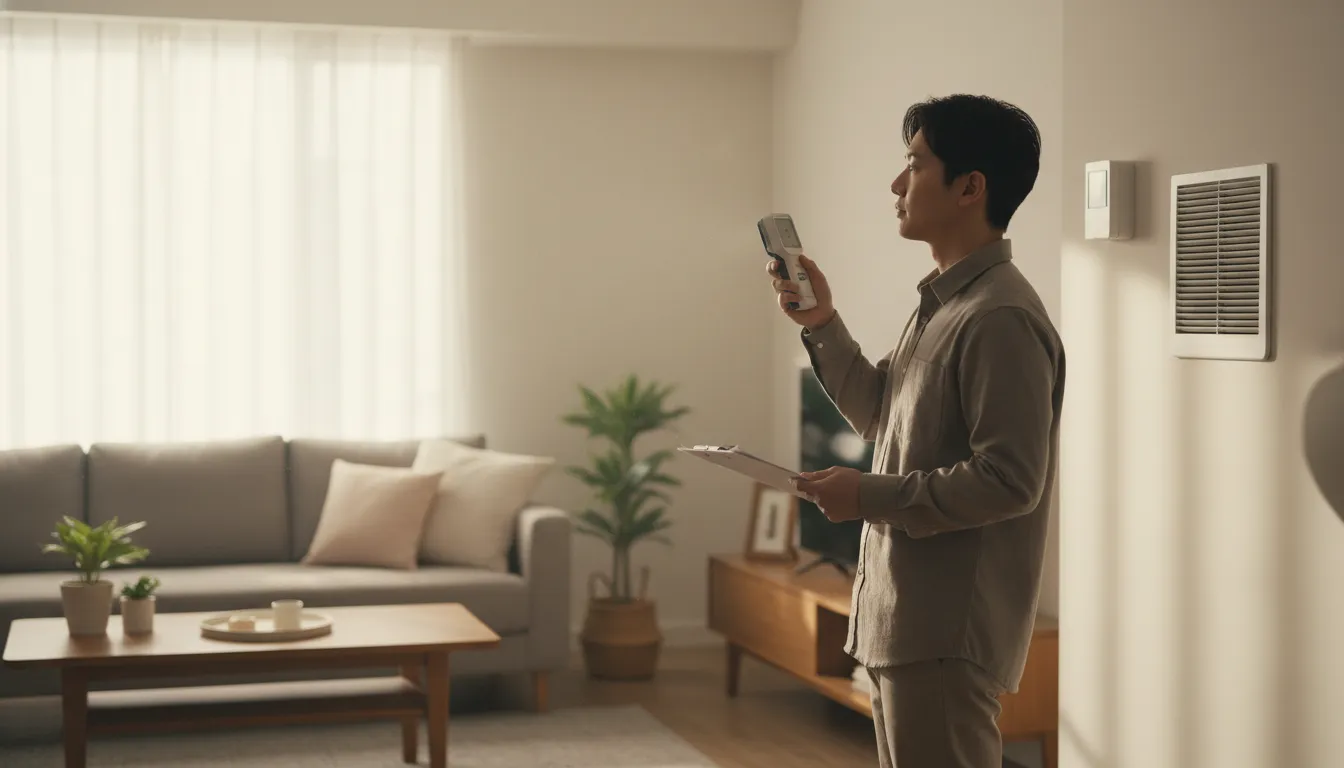
Find the Best Indoor Air Quality Service Providers for Your Business
No obligation • Fast responses • Nationwide coverage

Why you can trust HVAC Firms
HVAC Firms is a leading United States resource for evaluating HVAC service providers. Our team researches companies, checks credentials, and reviews customer feedback to present clear, unbiased information. Listings and rankings are based on merit, and companies cannot pay to change our editorial content.
Search providers near you
Top Indoor Air Quality Service Providers in College Station, Texas Ranked
Breathing clean air inside your home or office is fundamental to your health, comfort, and productivity. In College Station, the unique local climate and environmental factors create specific indoor air quality (IAQ) challenges that every resident and business owner should understand. This guide explains the common pollutants found in Brazos Valley buildings, outlines practical steps for assessment and improvement, and connects you with the knowledge needed to take action. You can use the information here to identify potential issues in your space and find qualified local professionals who provide testing, consultation, and solutions.
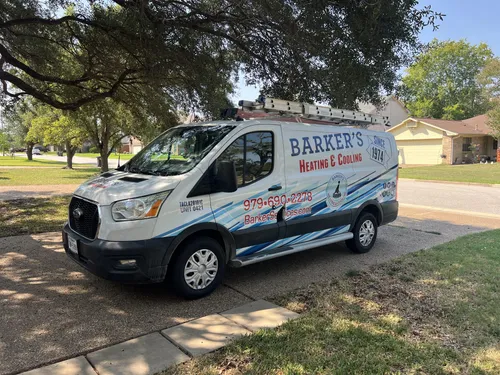
Barker's Cooling, Heating & Plumbing
10141 SH 30, College Station, TX 77845
Barker's Cooling, Heating & Plumbing provides comprehensive HVAC and plumbing services in Houston, TX. They offer heating and cooling system installations, repairs, tune-ups, duct cleaning, indoor air quality testing, and smart thermostat installations. Their plumbing services include drain cleaning, leak repairs, fixture upgrades, and water pressure troubleshooting. Barker's focuses on long-term performance and customer education to ensure reliable home comfort solutions. The company serves the Houston area with a local team committed to quality workmanship and transparent service.

Siegert One Hour Heating & Air Conditioning
989 N Earl Rudder Fwy, Bryan, TX 77802
Siegert One Hour Heating & Air Conditioning provides HVAC repair, installation, and maintenance services in Houston, TX. They specialize in heating, air conditioning, furnace repairs, and indoor air quality services. The company offers expertise in system diagnostics and improvements such as plenum redesigns to optimize airflow and static pressure. Operating as an independently owned business with a commitment to customer satisfaction, Siegert One Hour Heating & Air Conditioning backs their work with a two-year guarantee and offers 24/7 emergency availability.
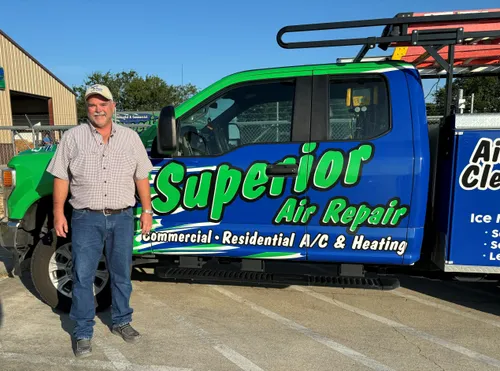
Superior Air Repair
6083 E State Hwy 21, Bryan, TX 77808
Superior Air Repair is a furnace repair and installation company serving Houston, TX. They provide furnace repair, installation, HVAC tune-ups, and indoor air quality services. Their technicians focus on quality repairs and offer maintenance plans to help extend the life and efficiency of heating systems. Superior Air Repair also assists customers in selecting replacement furnaces when needed.
Understanding College Station's Indoor Air Challenges
The air inside our buildings can be more polluted than the air outside, a fact underscored by local research. College Station's environment contributes to several persistent IAQ concerns.
Humidity and Mold: The high humidity of the Brazos Valley region is a primary driver of indoor air problems. Dampness from humidity, leaks, or flooding creates ideal conditions for mold and mildew growth, which release spores and microbial volatile organic compounds (mVOCs) into the air. These are common triggers for allergies, asthma attacks, and other respiratory issues.
Particulate Matter (PM2.5): Fine particulate matter, tiny particles 2.5 microns or smaller, is a significant health concern. A Texas A&M study found that homes in the area often have higher concentrations of PM2.5 than office buildings1. Sources include everyday activities like cooking, burning candles, using a fireplace, and even vacuuming. Outdoor sources, such as dust, pollen, and increasingly, wildfire smoke, can also infiltrate indoors.
Volatile Organic Compounds (VOCs): These are gases emitted from a wide array of household and office products. Cleaning supplies, paints, adhesives, new furniture, carpets, and even air fresheners can off-gas VOCs. Furthermore, a 2025 study highlighted that heat waves in Texas can cause outdoor VOCs to react with sunlight, producing ozone and secondary organic aerosols that can then enter buildings2.
Invisible Threats: Carbon Monoxide and Radon: Two of the most dangerous indoor air pollutants are colorless and odorless. Carbon monoxide (CO) is produced by malfunctioning or poorly vented fuel-burning appliances like furnaces, water heaters, and stoves. Radon, a radioactive gas, seeps into buildings from the natural decay of uranium in soil and rock beneath foundations. Both require specific detection methods.
The Ventilation Dilemma: While modern, energy-efficient homes and offices are excellent at sealing conditioned air inside, this can trap pollutants if there isn't adequate mechanical ventilation to exchange stale indoor air with fresh outdoor air.
How to Assess Your Indoor Air
Before investing in solutions, it's wise to understand the specific conditions in your space. You have several options for assessment, from DIY to professional.
DIY Air Quality Monitors: Consumer-grade monitors have become accessible tools for tracking key parameters in real time. These devices can measure levels of PM2.5, VOCs, carbon dioxide (CO₂), temperature, and humidity. Prices for a multi-pollutant monitor typically range from approximately $90 to over $3303. They are excellent for identifying trends, like spikes in particulates during cooking or changes in humidity.
Specialized Test Kits: For concerns like mold or radon, specific test kits are available. Inexpensive, do-it-yourself radon test kits are a crucial first step for screening this silent hazard4. Mold test kits can also be used, though interpreting results and locating the source of growth often requires professional expertise.
Professional IAQ Assessments: For a comprehensive evaluation, unexplained health symptoms, or suspected hidden problems (like mold inside walls), a professional assessment is recommended. Local HVAC and IAQ specialists can conduct thorough testing using advanced equipment. They can measure a wider range of pollutants, assess ventilation rates, inspect ductwork, and identify moisture intrusion points. Texas A&M's Environmental Health & Safety department also conducts IAQ surveys for university facilities, underscoring the importance of professional protocols5.
Essential Safety Equipment: Regardless of other assessments, installing battery-powered or hardwired carbon monoxide detectors on every level of your home, especially near sleeping areas, is a non-negotiable safety measure6.
Find the perfect indoor air quality service providers for your needs
Get personalized recommendations and expert advice
Effective Solutions for Cleaner Indoor Air
Improving your indoor environment involves a combination of source control, ventilation, filtration, and humidity management. The right approach depends on your diagnosis.
Source Control (The Most Effective Strategy): The best way to improve air quality is to prevent pollutants from entering the air in the first place. This includes:
- Using low-VOC or natural cleaning and personal care products.
- Promptly fixing water leaks and addressing condensation.
- Ensuring fuel-burning appliances are properly installed, maintained, and vented.
- Using exhaust fans in kitchens and bathrooms that vent to the outside.
- Removing shoes at the door to reduce tracked-in dust and pesticides.
Ventilation Systems: Introducing fresh air is critical. For older homes, simply opening windows when weather and outdoor air quality permit can help. For newer, tighter homes, mechanical solutions are often necessary. This can include installing Energy Recovery Ventilators (ERVs) or Heat Recovery Ventilators (HRVs), which exchange indoor and outdoor air while conserving energy by transferring heat and humidity between the two air streams7.
Air Filtration and Purification: For removing particles and some gases already in the air:
- Portable HEPA Air Purifiers: These are effective for single rooms or targeted spaces. A true HEPA filter can capture 99.97% of particles as small as 0.3 microns, including pollen, dust, and mold spores. Units range from approximately $100 to over $5008. They are particularly valuable during high pollen seasons or wildfire smoke events.
- Upgraded HVAC Filters: Using a higher Minimum Efficiency Reporting Value (MERV) rated filter (e.g., MERV 13) in your central HVAC system can significantly improve whole-house filtration, provided your system can handle the increased airflow resistance.
- In-Duct Air Cleaners: For whole-building solutions, UV-C lights (to neutralize microbial growth on coils and in ducts) or electronic air cleaners can be installed within the ductwork of your HVAC system.
Humidity Control: Managing moisture is paramount in College Station. Stand-alone dehumidifiers can help in damp basements or rooms. For whole-home control, a dehumidifier can be integrated with your HVAC system to maintain an ideal relative humidity level (typically between 30-50%), thereby inhibiting mold growth and dust mites9.
Duct Sealing and Cleaning: Leaky ductwork in attics or crawl spaces can account for significant energy loss (20-30%) and can suck in dust, insulation fibers, and other contaminants, distributing them throughout your home10. Professional duct sealing and, if warranted, cleaning, can improve both efficiency and air quality.
Maintaining Healthy Air in Commercial and Educational Spaces
Businesses, schools, and public buildings in College Station have a responsibility to provide a healthy indoor environment for occupants. Key strategies include regular HVAC maintenance, ensuring proper ventilation rates per building codes, and using high-efficiency filtration, especially in settings like healthcare facilities or schools where air quality directly impacts well-being and cognitive function11. Scheduled assessments and preventative maintenance are crucial for commercial indoor air quality management.
Frequently asked questions
Sources
Footnotes
-
The Air Quality In Your Home May Be Worse Than In Your Office ... - https://stories.tamu.edu/news/2022/02/01/the-air-quality-in-your-home-may-be-worse-than-in-your-office-building/ ↩
-
Texas study reveals heat waves can cause more polluted air - https://www.acs.org/pressroom/presspacs/2025/august/texas-study-reveals-heat-waves-can-cause-more-polluted-air.html ↩
-
Google's Shopping Data - https://blog.google/products/shopping/shopping-graph-explained/ ↩
-
Residential Indoor Air Quality Services - College Station - https://www.aireserv.com/aggieland/services/other-services/indoor-air-quality/ ↩
-
How do I know if I have an indoor air quality problem? - https://ehs.tamu.edu/how-do-i/know%20if%20I%20have%20an%20indoor%20air%20quality%20problem.html ↩
-
How to Improve Indoor Air Quality in Your Home - Dailey Company - https://www.godailey.com/blog/2024/june/how-to-improve-indoor-air-quality-in-your-home/ ↩
-
Indoor Air Quality in College Station, TX | Dailey Company, Inc. - https://www.godailey.com/hvac/indoor-air-quality/ ↩
-
Breathe Easy with Indoor Air Quality Solutions - https://www.calltropicool.com/indoor-air-quality-systems ↩
-
Breathe Easy: Your Guide to Indoor Air Quality Control - https://malekservice.com/indoor-air-quality-control/ ↩
-
Reducing HVAC Costs with Energy Efficiency Testing for Commercial Buildings - https://www.e3power.net/reducing-hvac-costs-with-energy-efficiency-testing-for-commercial-buildings/ ↩
-
Summer HVAC Maintenance for Educational Facilities: Ensuring Clean Air for the Academic Year Ahead - Air Filters for Clean Air - https://cleanair.camfil.us/2025/05/01/summer-hvac-maintenance-for-educational-facilities-ensuring-clean-air-for-the-academic-year-ahead/ ↩