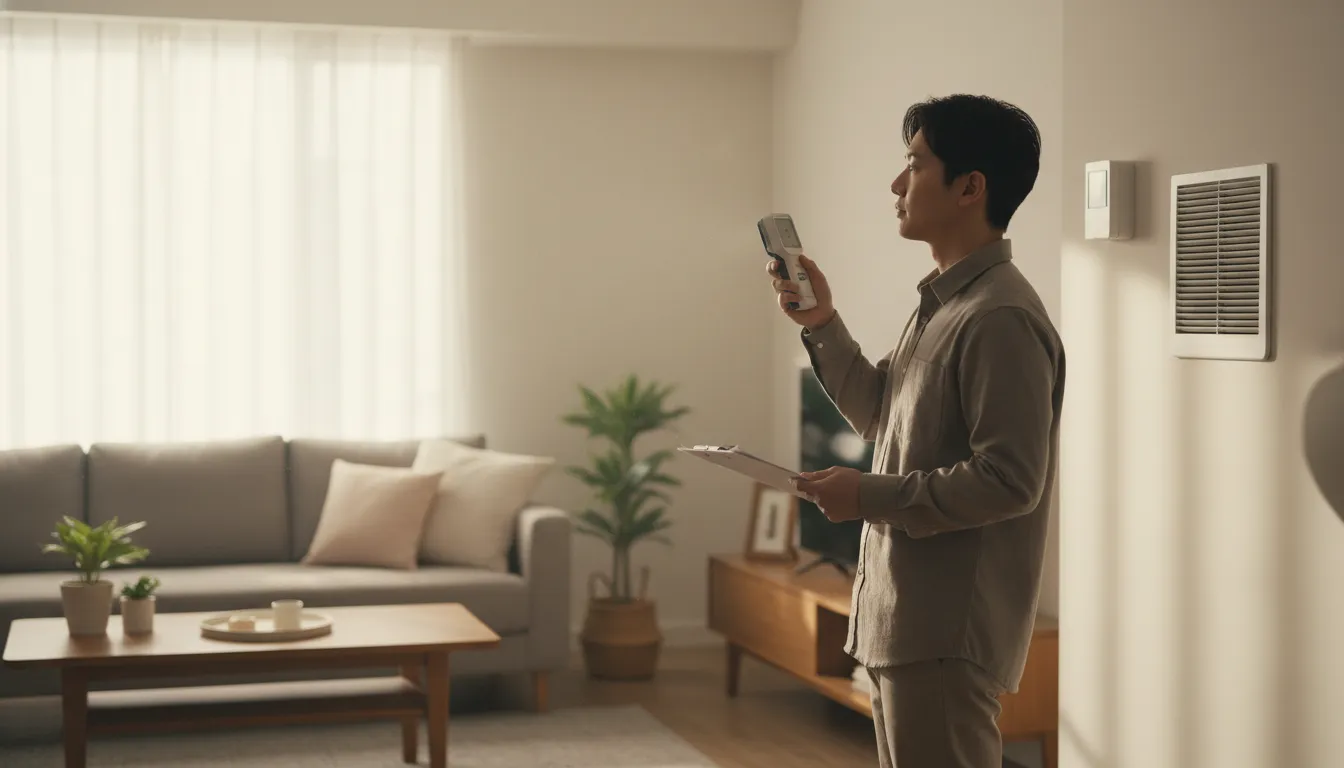
Find the Best Indoor Air Quality Service Providers for Your Business
No obligation • Fast responses • Nationwide coverage

Why you can trust HVAC Firms
HVAC Firms is a leading United States resource for evaluating HVAC service providers. Our team researches companies, checks credentials, and reviews customer feedback to present clear, unbiased information. Listings and rankings are based on merit, and companies cannot pay to change our editorial content.
Search providers near you
Top Indoor Air Quality Service Providers in Cedar Hill, Texas Ranked
The air you breathe inside your Cedar Hill home or office has a direct impact on your health, comfort, and productivity. Indoor air quality (IAQ) refers to the condition of the air within and around buildings, particularly as it relates to the health and well-being of occupants. In the North Texas climate, indoor environments can harbor a complex mix of allergens, mold spores, and chemical pollutants, with some reports suggesting indoor air can be up to five times more polluted than outdoor air. This makes managing your home's air environment a critical aspect of living well in Cedar Hill. This resource is designed to help you understand common local air quality challenges, the professional solutions available, and practical steps you can take to create a cleaner, healthier indoor space.

Medley Heating Air Conditioning Plumbing
1711 Briercroft Ct ste 127, Carrollton, TX 75006
Medley Heating Air Conditioning Plumbing provides heating, air conditioning, indoor air quality, and plumbing services in Dallas, TX. They offer installation, repair, and maintenance for HVAC systems, including furnaces and air conditioners, with a focus on high-efficiency solutions. Their licensed technicians are employees who receive ongoing training and background checks, ensuring careful and knowledgeable service. Medley also offers financing options to assist with system upgrades and emergency repairs. The company serves Dallas and nearby communities such as Carrollton, Coppell, and Plano.

Texas AirZone LLC
10763 Mapleridge Dr, Dallas, TX 75238
Texas AirZone LLC is an HVAC and plumbing service provider based in Dallas, TX. They offer a range of services including air conditioner repair, furnace installation and repair, indoor air quality solutions, and plumbing repairs for both residential and commercial clients. Their team has over 100 years of combined experience, specializing in whole-home HVAC systems with a focus on duct design and testing to maximize comfort and efficiency. Established in 1997, Texas AirZone provides 24/7 emergency service to ensure reliable heating and cooling year-round in the Texas climate.
Coventry & Gattis A/C, Inc.
219 N Dooley St, Grapevine, TX 76051
Coventry & Gattis A/C, Inc. provides HVAC services including air conditioning repair, installation, furnace installation, and indoor air quality solutions in Irving, TX. They offer energy-efficient heating systems and advanced air purification options such as ultraviolet light air purifiers and air filtration systems. Serving Grapevine and surrounding areas, the company focuses on maintaining comfortable and breathable indoor environments.
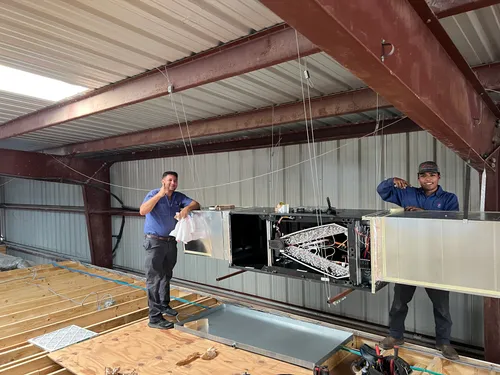
Aircons Heat & Better Air Inc
220 Commercial St, Garland, TX 75040
Aircons Heat & Better Air Inc is an HVAC company based in Dallas, TX, offering a wide range of heating and cooling services. They provide air conditioning and furnace repair, installation of heat pumps and geothermal systems, duct cleaning, thermostat installation, and indoor air quality solutions for both residential and commercial clients. The company is a certified Trane dealer and has over 15 years of experience in the industry. Their team is trained to handle all major HVAC brands and systems. Aircons Heat & Better Air Inc also offers financing options and is available for service calls day and night.
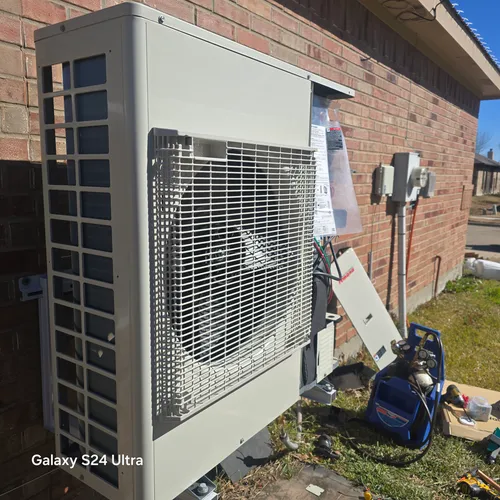
Prime Time Heating And Air LLC
2714 SE Loop 820, Fort Worth, TX 76140
Prime Time Heating And Air LLC is a family-owned HVAC company based in Fort Worth, TX, with over 35 years of experience serving residential and commercial clients. They provide a range of services including installation, maintenance, and repair of heating and air conditioning systems, as well as indoor air quality solutions. Their expertise includes installing energy-efficient HVAC systems and conducting thorough maintenance to keep systems running optimally throughout the year. The company emphasizes reliable service tailored to the Fort Worth area and offers membership plans for ongoing system care.
Why Indoor Air Quality Matters in Cedar Hill
Living in Cedar Hill comes with unique environmental factors that directly influence the air inside your buildings. The region's distinct seasons, from humid summers to the notorious "cedar fever" winters, introduce specific pollutants into homes. Furthermore, modern, energy-efficient construction can sometimes trap these contaminants indoors by limiting natural air exchange. Poor indoor environmental quality isn't just about occasional stuffiness; it's linked to a range of health issues from persistent allergies and asthma flare-ups to headaches, fatigue, and long-term respiratory conditions. For families, seniors, and those with pre-existing health concerns, proactively managing indoor air is an essential part of home wellness.
Common Indoor Air Pollutants in Cedar Hill Homes
Understanding what you're up against is the first step toward cleaner air. Cedar Hill residents typically contend with several key categories of indoor pollutants.
Seasonal Allergens: Pollen, Dust, and Dander
The most famous offender is Ashe juniper pollen, commonly known as mountain cedar. From December through February, this pollen creates "cedar fever," a severe allergic reaction that can overwhelm even those without prior allergy histories 1. This fine pollen easily infiltrates homes through doors, windows, and on clothing. Beyond cedar, other tree, grass, and weed pollens plague the area throughout much of the year 2. Indoors, these join perennial allergens like dust mite debris and pet dander, creating a near-constant challenge for sensitive individuals.
Mold and Mildew Growth
The North Texas climate, with its periods of high humidity and sporadic heavy rain, creates ideal conditions for mold growth. Spores from outdoor mold can enter the home and, when they find a damp spot-like a leaky pipe, a poorly ventilated bathroom, or a foundation crack-they can quickly colonize. Mold growth in HVAC systems, attics, and crawl spaces is a common discovery during air quality inspections and poses significant risks to both health and property integrity.
Volatile Organic Compounds (VOCs)
These are gases emitted from a wide array of everyday household products and materials. Sources in your Cedar Hill home may include cleaning supplies, pesticides, synthetic air fresheners, new furniture, paints, varnishes, and even dry-cleaned clothing 3. These chemicals can off-gas for months or years, contributing to poor indoor air and potential health effects, especially in tightly sealed homes where they accumulate.
Combustion Pollutants and Radon
Combustion appliances like gas stoves, furnaces, and water heaters can produce carbon monoxide (CO) and nitrogen dioxide if they are not properly installed, maintained, or vented 4. Perhaps less discussed but critically important is radon, a radioactive, colorless, and odorless gas that can seep into homes from the ground through cracks in the foundation. Testing for radon is a specialized but vital component of a complete home air assessment.
How Professionals Assess Your Home's Air
When concerns about air quality arise, a professional assessment provides clarity and a path forward. Certified specialists, such as Council-Certified Indoor Environmental Consultants, use a systematic approach.
Initial Inspection: The process often begins with a thorough visual inspection of the property, including the HVAC system, ductwork, attic, crawl spaces, and areas prone to moisture. Inspectors look for signs of mold, water damage, ventilation issues, and potential pollutant sources.
Advanced Diagnostic Tools: Professionals don't just rely on sight. They utilize tools like laser particle counters to measure the concentration of airborne particulates (like dust and pollen), hygrometers to assess humidity levels, and moisture meters to find hidden dampness in walls and floors 5 6.
Laboratory Analysis: For definitive identification, inspectors may collect air or surface samples. Air samples are taken using specialized pumps and spore traps, while surface samples might involve tape lifts or swabs. These samples are sent to accredited (NELAP) laboratories for analysis, which can pinpoint specific mold species, quantify VOC levels, or test for other contaminants like asbestos or lead 7 8. This lab data is crucial for developing an effective remediation plan.
Continuous Monitoring: For ongoing concerns or to validate the effectiveness of solutions, 24/7 smart air quality monitors can be deployed. These devices track real-time levels of key parameters like particulate matter (PM2.5), VOCs, carbon dioxide, and humidity, providing a detailed picture of your air over time 9.
Find the perfect indoor air quality service providers for your needs
Get personalized recommendations and expert advice
Solutions for Cleaner, Healthier Air
Improving your indoor air environment typically involves a combination of source control, ventilation enhancement, and air cleaning.
Source Control: Stopping Pollutants at the Origin
The most effective way to improve air quality is to prevent pollutants from entering or being created in your home.
- Choose Low-VOC Products: Opt for eco-friendly cleaning supplies, paints, and building materials labeled as low-VOC.
- Manage Humidity: Use exhaust fans in bathrooms and kitchens, and consider a whole-home dehumidifier or portable units to keep indoor relative humidity between 30-50%, a range that discourages dust mites and mold growth 10.
- Maintain Appliances: Ensure gas-burning stoves, heaters, and fireplaces are properly vented and serviced annually to prevent combustion pollutant buildup.
Ventilation: Diluting Stale Air with Fresh Air
Proper ventilation reduces the concentration of indoor pollutants by bringing in outdoor air.
- Natural Ventilation: Open windows and doors when weather and pollen counts permit to create cross-ventilation.
- Mechanical Ventilation: Upgrade your HVAC system with solutions like Energy Recovery Ventilators (ERVs) or Heat Recovery Ventilators (HRVs). These systems efficiently exchange stale indoor air for filtered fresh outdoor air without sacrificing energy efficiency.
Air Cleaning: Capturing Airborne Contaminants
When source control and ventilation aren't enough, filtration is key.
- HVAC Filters: Upgrade the filter in your central air system. A filter with a Minimum Efficiency Reporting Value (MERV) rating of 13 or higher can effectively capture fine particles like pollen, mold spores, and dust. Remember to change filters regularly.
- Portable Air Purifiers: Use HEPA-filter-based air cleaners in bedrooms and main living areas, especially for individuals with severe allergies. Ensure the unit is properly sized for the room.
- Duct Cleaning: If inspection reveals significant dust, debris, or mold in your ductwork, professional duct cleaning can be a valuable part of your overall strategy.
Professional Remediation and System Upgrades
For identified problems like mold infestation or high radon levels, professional remediation is non-negotiable. This work should always be performed by licensed contractors who follow industry standards to safely remove the hazard. Furthermore, installing whole-home air purification systems, advanced dehumidifiers, or UV-C lights within your HVAC system can provide a powerful, integrated defense against airborne pollutants.
Understanding the Investment in Air Quality
The cost of addressing indoor air quality varies based on the scope of the issue. A professional, comprehensive air quality test in Cedar Hill typically averages around $400, with a general range from $250 to $550 or more depending on the size of the home and number of samples taken 11. Testing for specific pollutants like mold, VOCs, or radon will add to the cost, with specialized analyses ranging from $100 to over $1,00011. Solutions also vary in investment: duct cleaning, installing high-grade air filters, or adding a whole-home air purifier or dehumidification system each have associated costs. Viewing this as an investment in your property's value and, more importantly, your family's long-term health provides the right perspective.
Frequently asked questions
Sources
Footnotes
-
Cedar Pollen Alert: Texas Faces Surge in Allergies - https://www.youtube.com/shorts/MrD4-mUTGTo ↩
-
Pollen count and allergy info for Dallas - IQAir - https://www.iqair.com/us/pollen/usa/texas/dallas ↩
-
The Dangerous Indoor Pollutants In Your Hill Country Home - https://www.72degreestexas.com/blog/the-dangerous-indoor-pollutants-in-your-hill-country-home/ ↩
-
Clean Air Assessments in Cedar Hill - Milestone Electric - https://callmilestone.com/cedar-hill/indoor-air-quality/ ↩
-
Indoor Air Quality Testing & Inspection Services for Homes ... - https://www.precisionenviro.net/environmental-services/indoor-air-quality-testing-service/ ↩
-
Indoor Air Quality Testing & Inspection Services for Homes ... - https://www.precisionenviro.net/environmental-services/indoor-air-quality-testing-service/ ↩
-
Indoor Air Quality Testing - Texas Mold Testing - https://texas-mold-testing.com/indoor-air-quality-testing/ ↩
-
Air Quality Testing in Houston, TX - Neptune Mold Solutions - https://neptunemold.com/air-quality-testing-houston-tx/ ↩
-
How to test indoor air quality in your home - Airthings - https://www.airthings.com/resources/how-to-test-air-quality-in-your-home ↩
-
How to Improve Indoor Air Quality - Strada Services - https://stradaservices.com/about-us/blog/how-to-improve-indoor-air-quality/ ↩
-
How Much Does Professional Home Indoor Air Quality Testing Cost? - https://www.airpf.com/how-much-does-a-home-indoor-air-quality-testing-cost/ ↩ ↩2