Find the Best HVAC Installers for Your Business
No obligation • Fast responses • Nationwide coverage

Why you can trust HVAC Firms
HVAC Firms is a leading United States resource for evaluating HVAC service providers. Our team researches companies, checks credentials, and reviews customer feedback to present clear, unbiased information. Listings and rankings are based on merit, and companies cannot pay to change our editorial content.
Search providers near you
Top HVAC Installers in Denver, Colorado Ranked
Installing a new heating and cooling system is a significant investment in your Denver home's comfort, efficiency, and value. Whether you're replacing an aging unit or installing a system in a new build, professional HVAC installation ensures your equipment operates safely and at peak performance for years to come. This guide will help you understand the common system choices, the installation process, and what to expect when working with local heating and cooling professionals in the Mile-High City.
True Heating & Cooling
1351 W 121st Ave, Westminster, CO 80234
True Heating & Cooling is an HVAC company based in Denver, CO, offering heating, air conditioning, and indoor air quality services. They serve Westminster and nearby areas including Broomfield and Boulder. Their services include installation, repair, and maintenance of furnaces, boilers, air conditioners, heat pumps, ductless mini-split systems, and thermostats. As NATE-certified technicians and official Lennox dealers, they provide skilled work with access to quality equipment. True Heating & Cooling has 24/7 emergency availability to address urgent HVAC needs.
Signature Heating & Air, Inc.
7201 S Rome St, Centennial, CO 80016
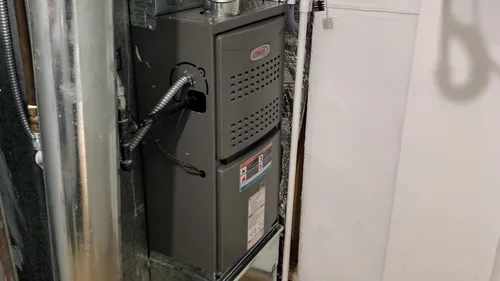
Signature Heating & Air, Inc. is a family-owned and operated HVAC company serving Aurora, CO, and nearby communities since 1999. They provide a range of heating and air conditioning services including installation, repair, and maintenance of AC units, furnaces, and thermostats. The company also offers indoor air quality solutions to improve home ventilation. As an authorized Amana dealer, they install reliable and energy-efficient systems known for long-term comfort. Their service area includes Centennial and surrounding Colorado communities.
The Weather Changers Heating and Air Conditioning
10525 E 40th Ave #203, Denver, CO 80239
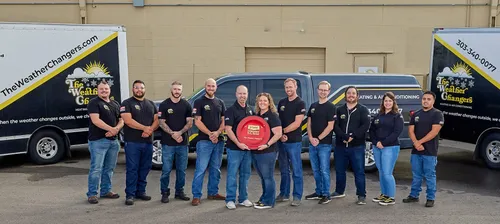
The Weather Changers Heating and Air Conditioning is an HVAC company based in Denver, CO, offering a full range of heating, cooling, and indoor air quality services. They provide installation, repair, and maintenance for air conditioners, furnaces, heat pumps, ductless systems, and thermostats. The company is a Bryant Factory Authorized Dealer and emphasizes proper sizing and installation to optimize system efficiency and longevity. They serve Denver and surrounding areas including Aurora, Centennial, and Parker. Their expertise includes indoor air quality solutions such as humidifier installation and duct cleaning. The Weather Changers has over 15 years of experience serving multiple properties and offers a 100% satisfaction guarantee.
Efficient Comfort: Heating, Cooling & Mechanical
10835 N Dover St #100, Westminster, CO 80021
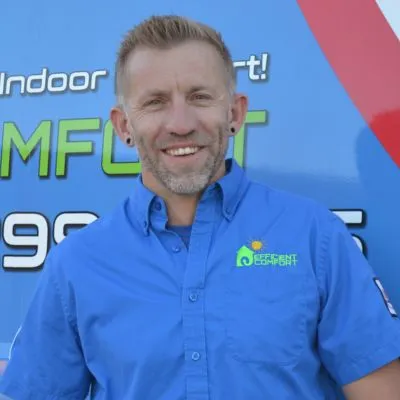
Efficient Comfort: Heating, Cooling & Mechanical is a family owned and operated HVAC company serving Aurora, CO, and the surrounding Denver metro areas. Founded in 2007, the company offers a wide range of heating and cooling services including installation, repair, and maintenance of furnaces, air conditioners, heat pumps, boilers, and ductless mini splits. As Bryant Factory Authorized Dealers, they provide expertise in managing indoor air quality with accessories like air cleaners, humidifiers, ventilators, and UV lights. The company emphasizes ethical business practices and community involvement.
Aim High HVAC
9933 Titan Park Cir, Littleton, CO 80125
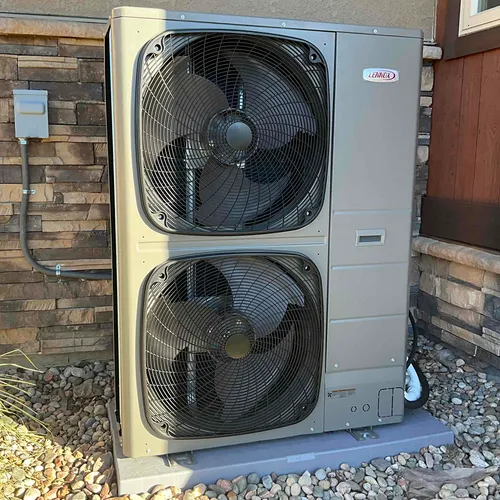
Aim High HVAC is a heating and cooling service provider based in Aurora, CO. They specialize in HVAC installation and repair, including air conditioning, furnaces, heat pumps, and indoor air quality services. Serving the greater Colorado area, Aim High HVAC offers same-day repairs and supports various home comfort needs with certified technicians. Established in 2016, the company has built a reputation for integrity and commitment to customer service.
Understanding Your Denver HVAC System Options
Denver's climate, with its cold, snowy winters and hot, dry summers, demands a reliable year-round comfort system. The two most common choices for residential HVAC setup are forced-air systems and ductless mini-splits.
Forced-Air Systems (Furnace + Central AC) This is the most prevalent setup in Denver homes, utilizing a network of ducts to distribute conditioned air. It typically pairs a gas furnace for heating with a central air conditioner for cooling. This option is ideal for whole-home comfort and works best in properties with existing ductwork, though new duct installation is possible. The efficiency of these systems is measured by SEER (Seasonal Energy Efficiency Ratio) for cooling and AFUE (Annual Fuel Utilization Efficiency) for heating, with higher ratings indicating better energy savings.
Ductless Mini-Split Systems For homes without existing ducts, like older Denver bungalows or room additions, ductless mini-splits offer a versatile solution. These systems consist of an outdoor compressor unit connected to one or more indoor air handlers mounted on walls or ceilings. They provide zoned heating and cooling, allowing you to control temperatures in individual rooms. While the upfront cost per zone can be higher, their targeted operation often leads to greater energy efficiency.
The Professional Installation Process: A Step-by-Step Guide
A proper HVAC setup is more than just swapping an old unit for a new one. Reputable local contractors follow a meticulous process to ensure optimal system performance and longevity.
1. Pre-Installation Assessment & System Sizing The first and most critical step is a comprehensive home evaluation. A technician will perform a Manual J load calculation, which considers your home's square footage, insulation, window types, and local climate to determine the precise heating and cooling capacity needed, measured in BTUs or tons. Correct sizing is paramount; an oversized system will short-cycle, reducing efficiency and comfort, while an undersized system will struggle to maintain temperature.
2. Removal of Old Equipment If you are replacing an existing system, the old furnace, air conditioner, or heat pump will be safely disconnected, removed, and prepared for proper disposal according to local Denver regulations. This step also includes reclaiming any remaining refrigerant from old AC units, a procedure that must be handled by EPA-certified technicians.
3. The Installation Phase This is the core of the project. For a forced-air system, it involves setting the new indoor furnace or air handler and the outdoor AC condenser. Technicians will connect refrigerant lines for AC units, install new flue pipes for gas furnaces, and integrate the system with your home's electrical panel. If modifications to existing ductwork are needed-such as sealing leaks, adding returns, or rebalancing-they will be completed at this stage 1. For ductless systems, installers will mount the indoor heads, run the connecting line set through a small wall penetration, and place the outdoor condenser on a stable pad.
4. System Testing, Setup, and Walkthrough Once physically installed, the system is thoroughly tested. This includes checking refrigerant charge and pressure, verifying gas line connections and combustion for furnaces, testing electrical components, and ensuring the thermostat communicates correctly with all equipment. The installer will balance the airflow across your vents, program your thermostat, and provide a complete walkthrough, explaining how to operate your new system, change filters, and understand basic maintenance schedules 2.
Find the perfect hvac installers for your needs
Get personalized recommendations and expert advice
Timeline: How Long Does HVAC Installation Take?
The duration of your installation project in Denver depends heavily on the scope of work.
- Basic Straight Swap: Replacing a standard air conditioner or furnace with a new model of similar type and capacity, using existing electrical, gas, and duct connections, can often be completed in 4 to 8 hours or within a single day.
- Full System Replacement: Swapping out both the furnace and air conditioner simultaneously typically takes 1 to 2 full days.
- Complex Installations: Projects that involve installing new ductwork, upgrading electrical service, or configuring a multi-zone ductless mini-split system are more involved and can take from 2 up to 5 days to complete, depending on the home's specifics and complexity 3.
Investment and Financial Considerations in Denver
The cost of a new heating and air conditioning system in Denver varies widely based on system type, size, efficiency, and the complexity of the installation labor.
Typical Cost Ranges:
- Forced-Air System (Furnace & Central AC): A full replacement for an average Denver home typically ranges from $9,800 to $15,800 or more 4.
- Ductless Mini-Split System: For a single-zone system, costs might start around $4,800, but a whole-home multi-zone installation can reach $25,000 or higher 5 6.
Key Factors Influencing Price:
- Equipment Efficiency: High-efficiency models (with high SEER and AFUE ratings) have a higher upfront cost but offer lower monthly utility bills.
- Home Size and Layout: Larger homes require larger capacity units. Complex layouts may need additional ductwork or multiple mini-split zones.
- Labor and Materials: The cost of permits, any necessary duct modifications, new electrical lines, or refrigerant adds to the project total.
Making it More Affordable: Many Denver HVAC contractors offer financing options to help manage the investment. Additionally, homeowners should actively inquire about available utility rebates. Local energy providers, like Xcel Energy, often offer significant rebates for installing high-efficiency heating and cooling equipment, which can substantially reduce your net cost.
Why Professional Expertise is Non-Negotiable
Attempting a DIY HVAC setup or hiring an unqualified handyman can lead to severe consequences. Improper installation is a leading cause of system failure, reduced efficiency, and safety hazards like gas leaks or electrical fires. Licensed, insured Denver technicians bring essential expertise in local building codes, proper refrigerant handling, combustion safety testing, and system calibration. Their work ensures your warranty remains valid and that your system delivers the promised comfort and efficiency for its entire lifespan.
Preparing for Your Installation Project
To ensure a smooth process, you can prepare your home:
- Clear Access: Provide clear, unobstructed pathways to your furnace (often in the basement or utility closet) and the outdoor condenser pad.
- Secure Pets: Keep pets in a separate, secure room for their safety and to allow technicians to work without interruption.
- Ask Questions: Be present during the final walkthrough. Ask about filter types and replacement schedules, thermostat programming, and the recommended maintenance plan to protect your investment.
Frequently asked questions
Sources
Footnotes
-
What Does AC Installation Include? A Comprehensive Guide - Air Necessity - https://airnecessityhvac.com/what-does-ac-installation-include-a-comprehensive-guide/ ↩
-
What to Expect During HVAC Installation - AW Heating & Cooling - https://www.awheatingandcooling.com/blog/hvac/what-to-expect-during-hvac-installation/ ↩
-
How Long Does It Take To Replace Your HVAC System? - https://downeyplumbing.com/blog/how-long-does-it-take-to-replace-your-hvac-system/ ↩
-
How Much Does an HVAC System Cost in Denver? Pricing ... - https://nexgenhvacco.com/how-much-does-an-hvac-system-cost-in-denver-pricing-guide/ ↩
-
Comfy Cave's Denver HVAC Installation: Costs & Timeline - https://comfycave.com/your-guide-to-professional-hvac-installation-in-denver-what-to-expect-with-costs-process-and-system-choices/ ↩
-
How Much Does a New HVAC Replacement Cost in Colorado? - https://unicolorado.com/pricing/ ↩