Find the Best HVAC Installers for Your Business
No obligation • Fast responses • Nationwide coverage

Why you can trust HVAC Firms
HVAC Firms is a leading United States resource for evaluating HVAC service providers. Our team researches companies, checks credentials, and reviews customer feedback to present clear, unbiased information. Listings and rankings are based on merit, and companies cannot pay to change our editorial content.
Search providers near you
Best HVAC Installers in Colorado Ranked
Choosing the right heating and cooling system is a significant investment in your Colorado home's comfort, energy efficiency, and value. The state's diverse climate, from hot summers in Denver to cold winters in the mountains, demands a reliable and efficient HVAC solution. This guide provides clear, practical information on system types, costs, and key considerations for Colorado homeowners, helping you make an informed decision when selecting a local professional for your installation project.

True Heating & Cooling
1351 W 121st Ave, Westminster, CO 80234
True Heating & Cooling is an HVAC company based in Denver, CO, offering heating, air conditioning, and indoor air quality services. They serve Westminster and nearby areas including Broomfield and Boulder. Their services include installation, repair, and maintenance of furnaces, boilers, air conditioners, heat pumps, ductless mini-split systems, and thermostats. As NATE-certified technicians and official Lennox dealers, they provide skilled work with access to quality equipment. True Heating & Cooling has 24/7 emergency availability to address urgent HVAC needs.
Signature Heating & Air, Inc.
7201 S Rome St, Centennial, CO 80016
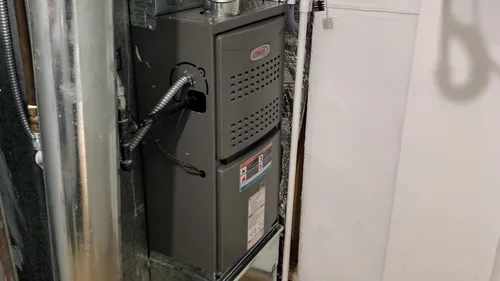
Signature Heating & Air, Inc. is a family-owned and operated HVAC company serving Aurora, CO, and nearby communities since 1999. They provide a range of heating and air conditioning services including installation, repair, and maintenance of AC units, furnaces, and thermostats. The company also offers indoor air quality solutions to improve home ventilation. As an authorized Amana dealer, they install reliable and energy-efficient systems known for long-term comfort. Their service area includes Centennial and surrounding Colorado communities.
The Weather Changers Heating and Air Conditioning
10525 E 40th Ave #203, Denver, CO 80239
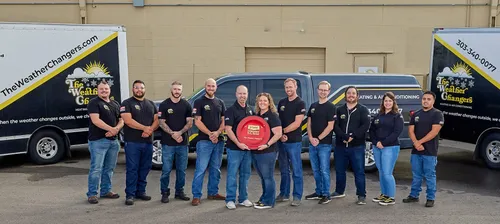
The Weather Changers Heating and Air Conditioning is an HVAC company based in Denver, CO, offering a full range of heating, cooling, and indoor air quality services. They provide installation, repair, and maintenance for air conditioners, furnaces, heat pumps, ductless systems, and thermostats. The company is a Bryant Factory Authorized Dealer and emphasizes proper sizing and installation to optimize system efficiency and longevity. They serve Denver and surrounding areas including Aurora, Centennial, and Parker. Their expertise includes indoor air quality solutions such as humidifier installation and duct cleaning. The Weather Changers has over 15 years of experience serving multiple properties and offers a 100% satisfaction guarantee.

Efficient Comfort: Heating, Cooling & Mechanical
10835 N Dover St #100, Westminster, CO 80021
Efficient Comfort: Heating, Cooling & Mechanical is a family owned and operated HVAC company serving Aurora, CO, and the surrounding Denver metro areas. Founded in 2007, the company offers a wide range of heating and cooling services including installation, repair, and maintenance of furnaces, air conditioners, heat pumps, boilers, and ductless mini splits. As Bryant Factory Authorized Dealers, they provide expertise in managing indoor air quality with accessories like air cleaners, humidifiers, ventilators, and UV lights. The company emphasizes ethical business practices and community involvement.
Aim High HVAC
9933 Titan Park Cir, Littleton, CO 80125
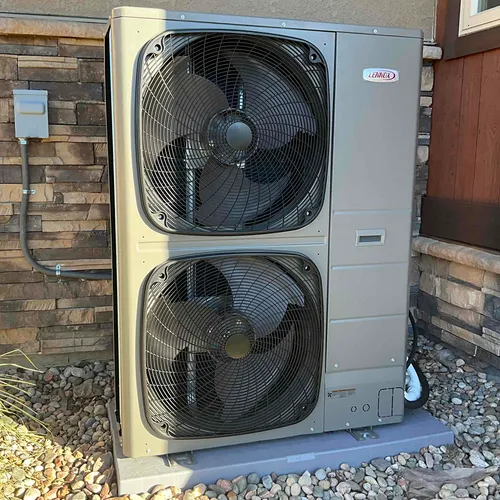
Aim High HVAC is a heating and cooling service provider based in Aurora, CO. They specialize in HVAC installation and repair, including air conditioning, furnaces, heat pumps, and indoor air quality services. Serving the greater Colorado area, Aim High HVAC offers same-day repairs and supports various home comfort needs with certified technicians. Established in 2016, the company has built a reputation for integrity and commitment to customer service.
Understanding Your Colorado HVAC System Options
Colorado homes typically rely on one of several primary HVAC configurations. The best choice depends on your existing infrastructure, budget, and specific comfort needs.
Furnace and Central Air Conditioning Combo: This is the most common setup for homes with existing forced-air ductwork. It pairs a gas furnace for heating with a separate outdoor air conditioning unit for cooling. This system offers powerful heating capable of handling Colorado's coldest snaps and efficient cooling for summer.
Air Source Heat Pumps: Gaining immense popularity for their efficiency, a heat pump provides both heating and cooling in one unit. It works by transferring heat, moving it inside during winter and outside during summer. Modern cold-climate heat pumps are effective in Colorado's winters and can lead to substantial energy savings, though they may have a higher upfront cost.
Ductless Mini-Split Systems: Ideal for homes without ductwork, room additions, or for creating zoned comfort control. These systems consist of an outdoor compressor/condenser and one or more indoor air-handling units. They offer excellent efficiency and flexible installation but can become more expensive as you add multiple indoor zones.
Key Factors Influencing Installation Costs
The price for a new HVAC system in Colorado is not a one-size-fits-all figure. Several variables directly impact your final investment.
Home Size and Layout: The square footage and layout of your home are the primary drivers for system sizing. A properly sized unit is crucial for efficiency and longevity; an oversized or undersized system will lead to comfort issues and higher operating costs. Larger homes require more powerful, and thus more expensive, equipment. 1
System Type and Efficiency Rating: As outlined above, your choice of system (furnace/AC, heat pump, mini-split) sets a baseline cost. Within each category, the efficiency rating significantly affects price. In Colorado, higher SEER2 (Seasonal Energy Efficiency Ratio) ratings for cooling and HSPF (Heating Seasonal Performance Factor) for heat pumps mean a higher equipment cost but lower monthly utility bills.
Installation Complexity: This is often where costs can vary most between estimates. Factors include:
- Ductwork: Modifying, repairing, or installing new ductwork adds substantial labor and material costs.
- Electrical Work: Upgrading electrical service or wiring for a new system.
- Zoning: Installing a zoning system to control temperatures in different areas independently.
- Access and Location: Difficulty accessing the installation site (e.g., attic, tight mechanical room).
Colorado HVAC Installation Cost Estimates
While every home is unique, the following ranges provide a general idea of what Colorado homeowners might expect for a complete system installation in a typical 2,000-square-foot home. These are total installed costs.
- Mid-Efficiency Furnace and Central AC Combo: $7,000 - $10,000. This is a common replacement range for a standard-efficiency gas furnace and matching air conditioner.
- High-Efficiency Heat Pump System: $8,500 - $12,500+. For a high-efficiency, cold-climate air-source heat pump capable of handling Colorado's full temperature range. Some comprehensive installations for whole-home comfort can range from $10,500 to $24,200 before incentives. 2 3
- High-Efficiency, Variable-Speed AC with Furnace: $9,800 - $12,200+. This pairs a top-tier, variable-speed air conditioner (which offers superior humidity control and efficiency) with a matching furnace. 4
- Ductless Mini-Split System: Costs are highly variable based on the number of indoor "heads." A single-zone system may start around $3,500, while multi-zone whole-home solutions can exceed $15,000. 5 6 7
Find the perfect hvac installers for your needs
Get personalized recommendations and expert advice
Maximizing Incentives and Rebates in Colorado
A critical step in planning your HVAC installation is researching available financial incentives, which can dramatically reduce your net cost, especially for high-efficiency systems.
Federal Tax Credits: The federal government offers tax credits for qualified energy-efficient home improvements. This includes a credit for certain high-efficiency air conditioners, heat pumps, and furnaces. This credit directly reduces the amount of income tax you owe. 8
Xcel Energy and Local Utility Rebates: As Colorado's largest utility, Xcel Energy frequently offers rebates for upgrading to high-efficiency HVAC equipment, particularly heat pumps. These rebates are often tied to achieving specific, high SEER2 and HSPF ratings and require the installation of ENERGY STAR® certified models. Other municipal utilities may offer similar programs. 9 10 11
State of Colorado Programs: Colorado has launched new rebate programs aimed at promoting energy efficiency. These are often income-qualified and can provide significant point-of-sale discounts on eligible heat pump and HVAC installations. 12
> Pro Tip: Always confirm rebate eligibility with your HVAC contractor and your utility provider before purchasing a system. The required efficiency ratings and approved equipment lists can change.
The Importance of Proper Sizing and Efficiency (SEER2/HSPF)
"Bigger is better" is a dangerous myth in HVAC. An oversized system will short-cycle (turn on and off frequently), leading to poor humidity control, uneven temperatures, and increased wear and tear. An undersized system will run constantly, struggling to maintain comfort and driving up energy bills.
A professional contractor will perform a Manual J load calculation. This is a detailed assessment of your home's heat gain and heat loss, considering insulation, windows, air leakage, and more. This calculation determines the precise capacity (measured in BTUs) your system needs.
Efficiency ratings are your guide to long-term operating costs:
- SEER2: Measures air conditioning cooling efficiency. The higher the number, the more efficient. Colorado's climate and incentive programs make higher SEER2 ratings (16+) a wise investment.
- HSPF: Measures the heating efficiency of a heat pump. A higher HSPF indicates better performance in heating mode, which is crucial for winter.
Choosing equipment that meets or exceeds the thresholds for rebates often aligns with choosing a system that will provide the lowest lifetime cost of ownership.
Choosing a Qualified Colorado HVAC Installer
The quality of the installation is as important as the quality of the equipment. A poor installation can reduce system efficiency by 30% or more. When evaluating local professionals:
- Verify Licenses and Insurance: Ensure the company holds a valid Colorado HVAC license and carries both liability and worker's compensation insurance.
- Ask for References and Reviews: Look for established companies with positive reviews on independent platforms and ask for references from recent installations similar to yours.
- Get Detailed, Written Estimates: A reputable contractor will provide a written proposal that includes specific model numbers, efficiency ratings, a scope of work, warranty details, and a firm price-not just a vague verbal quote.
- Evaluate their Process: Do they perform a Manual J load calculation? Do they inspect your existing ductwork? Do they explain the options and incentives clearly? Their thoroughness during the estimate phase reflects their professionalism during installation.
Investing in a high-quality HVAC installation from a trusted Colorado expert ensures your home remains a comfortable sanctuary through every season, while managing energy costs and adding to your property's value.
Frequently asked questions
Sources
Footnotes
-
How Much Does AC Installation Cost for Your Colorado Home? - https://imsheatingandair.com/how-much-does-ac-installation-cost-colorado/ ↩
-
How Much Does a New HVAC Installation Cost in Colorado Homes? - https://blog.alloyhvac.com/2025/12/31/hvac-maintenance-tips-2024-2/ ↩
-
How Much Does a New HVAC Replacement Cost in Colorado? - https://unicolorado.com/pricing/ ↩
-
AC Installation & Replacement Cost for Denver Metro - UniColorado - https://unicolorado.com/pricing/ac-installation-cost/ ↩
-
Heat Pump Installation Cost Denver, CO - UniColorado - https://unicolorado.com/pricing/heatpump-installation-cost/ ↩
-
How Much Does HVAC Installation Cost? - https://ashburnhvac.com/how-much-does-hvac-installation-cost/ ↩
-
How Much is an HVAC System in Colorado? - https://1stactionpha.com/hvac-tips/how-much-is-an-hvac-system-in-colorado/ ↩
-
Upgrade Your HVAC System Now Before Prices Rise in 2025 - https://www.roxheating.com/upgrade-your-hvac-system-now-before-prices-rise-in-2025/ ↩
-
Comfy Cave's Denver HVAC Installation: Costs & Timeline - https://comfycave.com/your-guide-to-professional-hvac-installation-in-denver-what-to-expect-with-costs-process-and-system-choices/ ↩
-
2025 AC Installation Cost Guide | Denver & Littleton HVAC ... - https://myelkhorn.com/ac-installation-cost-littleton-denver-2025/ ↩
-
Understanding SEER Ratings for Utah Homes? I Gunthers - https://gunthers.com/understanding-seer-ratings-for-utah-homes/ ↩
-
New Colorado rebates available as federal energy-efficient tax credits ... - https://www.youtube.com/watch?v=S0p_0nkkxmk ↩