Find the Best HVAC Installers for Your Business
No obligation • Fast responses • Nationwide coverage

Why you can trust HVAC Firms
HVAC Firms is a leading United States resource for evaluating HVAC service providers. Our team researches companies, checks credentials, and reviews customer feedback to present clear, unbiased information. Listings and rankings are based on merit, and companies cannot pay to change our editorial content.
Search providers near you
Top HVAC Installers in Boulder, Colorado Ranked
Choosing the right heating and cooling system for your Boulder home is a significant decision. The city's unique climate, with hot summers and cold, dry winters, demands a reliable and efficient HVAC solution. Whether you're replacing an aging system, upgrading for better efficiency, or installing equipment in a new build, understanding your options is key. This guide will help you navigate the process of selecting a system, finding a qualified local contractor, and understanding the installation timeline and costs involved.
True Heating & Cooling
1351 W 121st Ave, Westminster, CO 80234
True Heating & Cooling is an HVAC company based in Denver, CO, offering heating, air conditioning, and indoor air quality services. They serve Westminster and nearby areas including Broomfield and Boulder. Their services include installation, repair, and maintenance of furnaces, boilers, air conditioners, heat pumps, ductless mini-split systems, and thermostats. As NATE-certified technicians and official Lennox dealers, they provide skilled work with access to quality equipment. True Heating & Cooling has 24/7 emergency availability to address urgent HVAC needs.
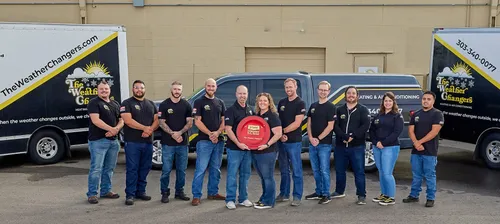
The Weather Changers Heating and Air Conditioning
10525 E 40th Ave #203, Denver, CO 80239
The Weather Changers Heating and Air Conditioning is an HVAC company based in Denver, CO, offering a full range of heating, cooling, and indoor air quality services. They provide installation, repair, and maintenance for air conditioners, furnaces, heat pumps, ductless systems, and thermostats. The company is a Bryant Factory Authorized Dealer and emphasizes proper sizing and installation to optimize system efficiency and longevity. They serve Denver and surrounding areas including Aurora, Centennial, and Parker. Their expertise includes indoor air quality solutions such as humidifier installation and duct cleaning. The Weather Changers has over 15 years of experience serving multiple properties and offers a 100% satisfaction guarantee.
Efficient Comfort: Heating, Cooling & Mechanical
10835 N Dover St #100, Westminster, CO 80021
Efficient Comfort: Heating, Cooling & Mechanical is a family owned and operated HVAC company serving Aurora, CO, and the surrounding Denver metro areas. Founded in 2007, the company offers a wide range of heating and cooling services including installation, repair, and maintenance of furnaces, air conditioners, heat pumps, boilers, and ductless mini splits. As Bryant Factory Authorized Dealers, they provide expertise in managing indoor air quality with accessories like air cleaners, humidifiers, ventilators, and UV lights. The company emphasizes ethical business practices and community involvement.
Tuscan Electric Heating & Plumbing
4301 S Federal Blvd suite 116, Sheridan, CO 80110
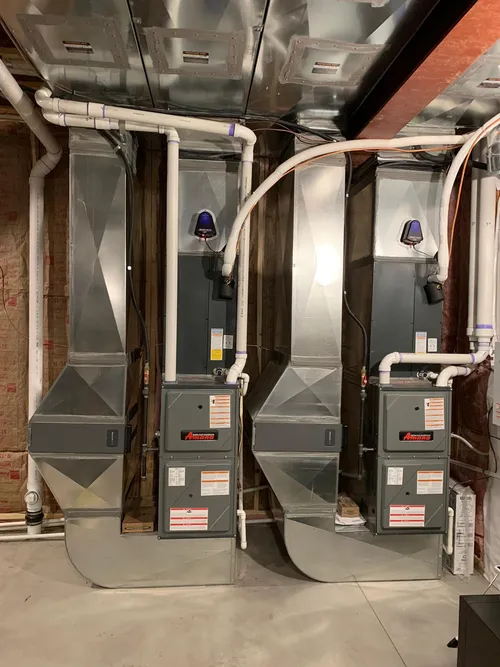
Tuscan Electric Heating & Plumbing is a multi-licensed home services provider based near Aurora, CO, offering integrated electrical, plumbing, and HVAC solutions. They serve the greater Denver metro area with services including AC and heat pump installation and repair, furnace repair, and HVAC tune-ups. Their team holds Master Electrical, Mechanical, and Plumbing licenses, allowing them to handle complex projects like heat pump installations combined with electrical panel upgrades without subcontractors. Tuscan Electric Heating & Plumbing emphasizes honest recommendations and offers emergency and same-day services to address urgent home system issues promptly.
Comfort Pros Heating and Air Conditioning
7270 Gilpin Way #220, Denver, CO 80229
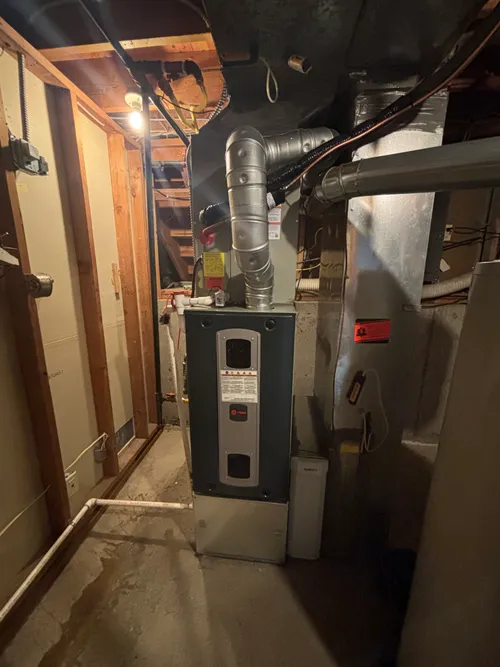
Comfort Pros Heating and Air Conditioning is a family-owned HVAC company serving Denver, CO, with over 15 years of experience. They specialize in the installation, repair, and maintenance of heat pumps, furnaces, air conditioners, boilers, and mini-split systems. Comfort Pros is known for working with high-quality manufacturers and providing thorough system analyses to help customers understand their options. Their team emphasizes clear communication and detailed explanations throughout each project.
Understanding Your Boulder HVAC Options
The first step in any HVAC project is selecting the right type of system for your home and lifestyle. In Boulder, the push towards energy efficiency and sustainability makes certain systems particularly popular.
Heat Pumps and Ductless Mini-Splits: These are increasingly common choices in Colorado. A heat pump is an all-in-one system that provides both heating and cooling by transferring heat, rather than generating it through combustion. They are exceptionally efficient, especially in Boulder's moderate shoulder seasons. Ductless mini-splits are a type of heat pump that don't require ductwork, making them ideal for home additions, older homes without ducts, or for creating independent temperature zones.
Central Air Conditioning and Gas Furnaces: The traditional forced-air system remains a reliable standard. This setup pairs a central air conditioner for summer cooling with a gas furnace for winter heating. In Boulder, high-efficiency models from reputable brands like Trane, Carrier, Lennox, and Rheem are widely installed. The choice between a heat pump and a traditional furnace often comes down to existing infrastructure (like gas lines and ductwork) and personal preference for energy sources.
Key Selection Factors: Your contractor will perform a "Manual J" load calculation to determine the correct system size for your home's square footage, insulation, window placement, and orientation. Other critical factors include the system's energy efficiency ratings (SEER for cooling, AFUE for heating, HSPF for heat pumps) and whether your home would benefit from zoning systems for customized comfort in different areas.
The HVAC Installation Process: What to Expect
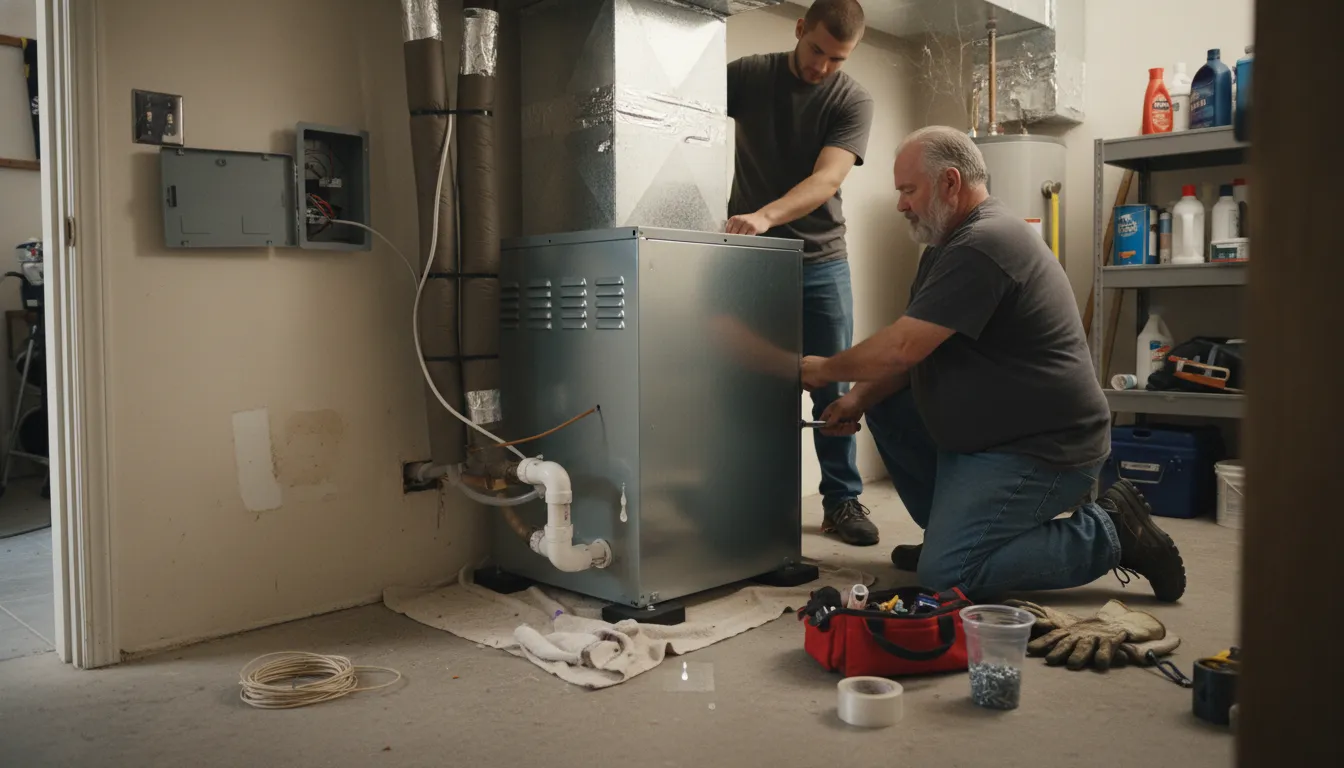
A professional HVAC installation is a multi-phase project that ensures your system is safe, efficient, and compliant with local codes. Knowing the steps can help you prepare your home and set realistic expectations.
- Initial Consultation and Assessment: A qualified technician will visit your home to evaluate your needs, discuss options, measure for system sizing, and inspect existing ductwork and electrical systems. This is when you should receive a detailed written estimate.
- Permitting and Preparation: Your installer will typically pull any required permits from the City of Boulder. This ensures the work meets building and safety codes. You may need to clear the area around your indoor and outdoor units for the crew.
- Removal of Old Equipment: The old furnace, air conditioner, or heat pump is safely disconnected and removed from your home.
- New System Installation and Ductwork Modifications: The new indoor and outdoor units are set in place. If your new system requires it, this phase may include modifying, sealing, or even installing new ductwork to ensure optimal airflow.
- Electrical and Control Setup: The system is wired to your home's electrical panel, and the thermostat or new control system is installed and configured.
- System Testing and Startup: This is the most critical phase. The technician will start the system, check refrigerant levels (for AC and heat pumps), test gas connections (for furnaces), verify airflow, and ensure all safety controls are functioning. They will also show you how to operate your new system and thermostat 1.
The timeline for this process can vary. A straightforward replacement of a furnace and AC unit might be completed in a single day (4-8 hours), while a more complex job involving new ductwork, a switch to a heat pump system, or a geothermal installation could take several days.
Cost Considerations for Boulder Homeowners
Investing in a new HVAC system is a major home improvement. Costs in Boulder can vary widely based on the system type, your home's specifications, and the scope of labor.
Price Ranges: For a full system replacement in a typical Boulder home, you can expect a broad range of $7,000 to $20,000 or more 2 3. A common range for a quality system in a 2,000 square foot home is between $9,000 and $14,000 4 5. The final price is influenced by:
- Home Size and Layout: Larger homes require larger, more expensive systems.
- System Type and Efficiency: High-efficiency heat pumps and modulating furnaces cost more upfront but save on utility bills. The brand of equipment also affects the price.
- Ductwork: Installing new ductwork or significantly modifying existing ducts is one of the largest labor factors and can substantially increase the project cost.
- Labor and Complexity: The difficulty of the install (e.g., attic vs. basement furnace, roof-mounted units) impacts labor time.
Find the perfect hvac installers for your needs
Get personalized recommendations and expert advice
Financial Incentives: One of the best ways to manage the upfront cost is to take advantage of available rebates and tax credits. Boulder residents served by Xcel Energy should investigate current rebates for installing high-efficiency heat pumps, furnaces, or air conditioners. Additionally, federal tax credits for ENERGY STAR® certified systems can provide significant savings at tax time 6. Always ask your contractor about the latest incentives, as these programs frequently update.
Timing Your HVAC Replacement Project
While a system can be installed year-round, there are strategic advantages to timing your project.
Ideal Seasons: Spring and early fall are often cited as the best times to replace an HVAC system 7. During these milder shoulder seasons, HVAC contractors may have more flexible scheduling, and you can avoid the extreme urgency of a mid-summer breakdown or a winter furnace failure. Some manufacturers and contractors also offer special promotions during these slower periods.
Planning vs. Emergency: The most cost-effective and least stressful approach is to plan your replacement before your old system fails completely. If your system is over 15 years old, requires frequent repairs, or is causing uneven temperatures and high energy bills, it's wise to start researching and getting quotes proactively.
The Importance of Local Expertise: Boulder has specific building codes and altitude considerations that can affect HVAC performance. It is crucial to get multiple detailed quotes from licensed, insured, and locally experienced HVAC contractors. They will understand the nuances of installing systems in our climate and can ensure your installation is permitted and inspected correctly 8.
Maintaining Your New System
Once your new HVAC system is installed, protect your investment with regular maintenance. An annual tune-up for your heating system (best done in the fall) and your cooling system (best done in the spring) will keep it running at peak efficiency, extend its lifespan, and help prevent unexpected breakdowns. Simple homeowner tasks like regularly changing the air filter are also essential for maintaining good airflow and indoor air quality.
Frequently asked questions
Sources
Footnotes
-
Step-by-Step HVAC Installation Guide - Carrier - https://www.carrier.com/residential/en/us/products/air-conditioners/hvac-installation/ ↩
-
How Much Does It Cost to Install a New HVAC System in a ... - https://blog.alloyhvac.com/2026/01/07/hvac-optimization-tips-colorado-homes-2024-16/ ↩
-
New HVAC Installation Costs in Boulder, CO - https://bouldercoolingandheating.com/new-hvac-installation-costs-in-boulder-co/ ↩
-
How Much Does a New HVAC System Cost in 2025? - https://www.jacklehr.com/blog/air-conditioning-service/new-hvac-system-cost-2025/ ↩
-
How Much Does a New HVAC Replacement Cost in Colorado? - https://unicolorado.com/pricing/ ↩
-
Guide to Understanding HVAC Replacement Costs - Carrier - https://www.carrier.com/residential/en/us/products/heating-cooling/hvac-replacement-cost/ ↩
-
Is there a best time of year to replace my HVAC system? - Comfort Monster - https://comfortmonster.com/knowledge-center/best-time-replace-hvac-system/ ↩
-
How Long Does It Take To Replace Your HVAC System? - https://downeyplumbing.com/blog/how-long-does-it-take-to-replace-your-hvac-system/ ↩