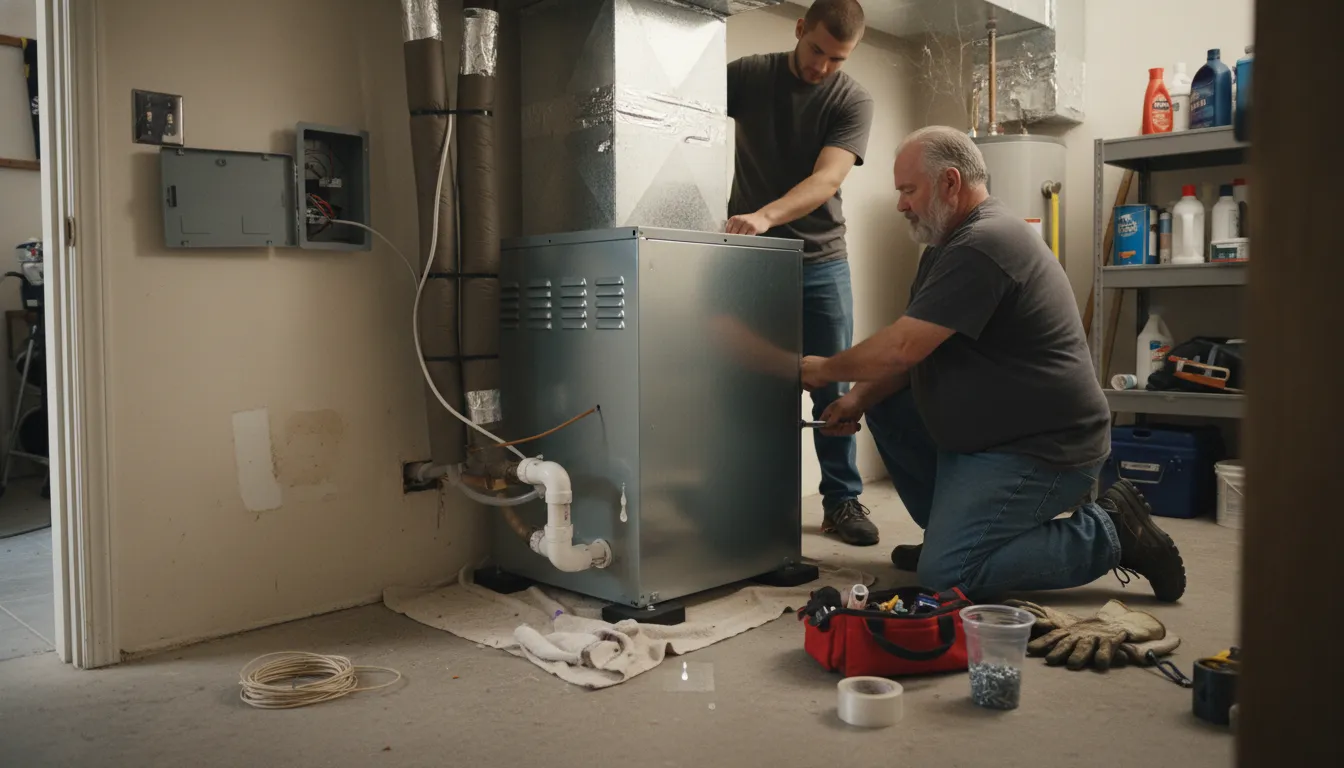
Find the Best HVAC Installers for Your Business
No obligation • Fast responses • Nationwide coverage

Why you can trust HVAC Firms
HVAC Firms is a leading United States resource for evaluating HVAC service providers. Our team researches companies, checks credentials, and reviews customer feedback to present clear, unbiased information. Listings and rankings are based on merit, and companies cannot pay to change our editorial content.
Search providers near you
Top HVAC Installers in Turlock, California Ranked
Upgrading your home's heating and cooling system is a significant investment in comfort, efficiency, and property value. For Turlock residents, navigating the options for a new HVAC system can be complex, given the region's hot summers and mild winters. This guide explains the essentials of professional heating and air conditioning installation, why proper setup is critical for performance, and how you can connect with qualified local experts to ensure your project is completed to the highest standards.
Loves Air
5536 Pirrone Rd, Salida, CA 95368
Loves Air is an HVAC and home improvement company serving Stockton, CA, specializing in heating and air conditioning installation, repair, and maintenance. They also provide solar panel installation, water heater services including tankless systems, and window replacement to improve home energy efficiency. Their team offers duct sealing to optimize airflow and reduce energy waste. With decades of experience and recognition as a top HVAC and solar company since 2018, Loves Air focuses on enhancing comfort and sustainability for local homes.
Souza’s Heating and Air Conditioning
117 N Walnut Ave, Ripon, CA 95366
Souza's Heating and Air Conditioning is an HVAC company serving Stockton, CA, and surrounding Central Valley communities including Manteca, Modesto, and Ripon. They provide heating, cooling, and ventilation services such as AC and furnace repair, installation, and HVAC tune-ups. The company is known for professional installation and maintenance of Ruud heating and cooling systems. As a third-generation business, Souza's brings years of experience and expertise to residential and commercial customers. They emphasize integrity and community commitment in their work.
DeHart Plumbing, Heating, and Air Inc.
311 Bitritto Wy, Modesto, CA 95356
DeHart Plumbing, Heating, and Air Inc. is an HVAC and plumbing contractor serving Stockton, CA, and the broader Central Valley region. The company offers a range of services including air conditioning, furnace, heat pump, and boiler repair and installation, along with HVAC tune-ups. DeHart is known for its NATE-certified technicians and provides an industry-leading 10-year parts and labor warranty. Established in 1946, the company has a long history of adapting to changing technologies and customer needs.
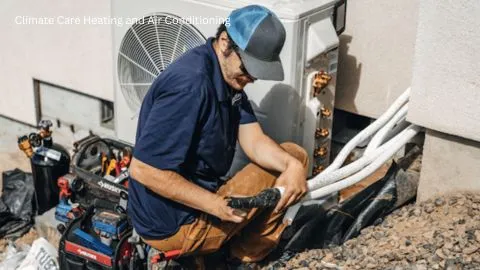
Climate Care Heating & Air Conditioning
570 Commerce Ct, Manteca, CA 95336
Climate Care Heating & Air Conditioning is an HVAC company serving Stockton, CA, and nearby communities. They provide a range of services including air conditioning and furnace repair, installation, and maintenance, as well as indoor air quality solutions and whole house fan installation. The company emphasizes professional HVAC care that balances heating and cooling efficiency with environmental considerations. Climate Care offers comprehensive HVAC system maintenance plans and emergency service availability.

Villara
332 E Wetmore St, Manteca, CA 95337
Villara is a heating, cooling, plumbing, and solar services provider serving Stockton, CA, and the greater Sacramento, Central Valley, and Bay Area. With over 75 years of experience since its founding in 1947, Villara offers comprehensive HVAC installation, repair, and maintenance services, including air quality solutions and smart home integration. The company supports builders and homeowners with energy-efficient systems and provides 24/7 customer support to ensure ongoing comfort and system performance.
Understanding Your HVAC System Options in Turlock
Choosing the right system is the first step toward year-round comfort. The ideal setup for your home depends on your existing infrastructure, energy goals, and budget. Here are the most common system choices for Turlock homes.
Central Air Conditioning and Furnace (Split System) This is the most prevalent setup, especially in homes with existing natural gas lines. It pairs a furnace (which can be gas, propane, or electric) for heating with a separate outdoor air conditioning condenser for cooling. This split system design offers powerful, whole-home comfort and is a straightforward replacement for older, similar systems.
Heat Pump Systems Heat pumps are increasingly popular in California's climate due to their high efficiency. They provide both heating and cooling in one unit by transferring heat rather than generating it, which can lead to substantial energy savings. Their efficiency often makes them eligible for state and utility rebates, making them a smart long-term investment for many Turlock homeowners 1.
Ductless Mini-Split Systems If you're adding a room, finishing a garage, or need zoned comfort without extending existing ductwork, ductless mini-splits are an excellent solution. These systems consist of an outdoor compressor unit connected to one or more indoor air handlers mounted on walls or ceilings. They offer independent temperature control for different "zones" in your home.
High-Efficiency Units When selecting any new system, pay close attention to efficiency ratings. For air conditioners and heat pumps, look for a high SEER (Seasonal Energy Efficiency Ratio) rating. Modern high-efficiency units often have SEER ratings of 18 or higher, which can significantly reduce your summer cooling bills 2. For furnaces, the AFUE (Annual Fuel Utilization Efficiency) percentage indicates heating efficiency.
The Professional Installation Process: A Step-by-Step Overview
A successful HVAC installation is more than just swapping old equipment for new. It's a detailed process that ensures safety, efficiency, and reliability. Here's what you can expect when you hire a professional.
1. Initial Site Evaluation and Planning A certified technician will visit your home to assess your needs. They will evaluate your home's square footage, insulation, existing ductwork, and electrical service. This consultation is crucial for correctly sizing the new system-a unit that's too large or too small will lead to comfort issues and higher operating costs. The contractor will also discuss your options and help you select the right equipment before obtaining any necessary city permits 3.
2. Removal of the Old System The installation team will safely disconnect and remove your old furnace, air conditioner, evaporator coil, and related components. Proper disposal of the old equipment, especially units containing refrigerants, is handled according to environmental regulations.
3. Ductwork Assessment and Modification Your existing ductwork will be inspected for leaks, blockages, and proper sizing. Inefficient ducts can waste up to 30% of the energy your system produces. The installers may seal joints with mastic tape, add insulation, or, if necessary, design and install new duct runs to ensure optimal airflow to every room 4.
4. Installation of New Equipment This is the core phase. The new furnace or air handler is installed in its designated location (often a closet, attic, or garage), and the outdoor condenser unit is placed on a stable, level pad. The two units are connected by refrigerant lines and electrical wiring. For heat pumps or AC-only systems, a new evaporator coil is typically installed atop the furnace or in the air handler cabinet.
5. Electrical Connections and Thermostat Setup A licensed electrician may be involved to ensure all electrical connections meet code, including wiring for the outdoor disconnect, the indoor air handler, and the new smart thermostat. Proper electrical work is vital for system safety and performance.
6. System Testing, Balancing, and Startup Once everything is connected, the technicians will start the system, check refrigerant levels, test all safety controls, and measure airflow from each vent. They will balance the system to ensure even heating and cooling throughout your home and provide you with a tutorial on operating your new thermostat and system.
What to Know About Timelines and Costs
Installation Timeline For a standard replacement of a furnace and air conditioner or a heat pump system, the process typically takes 1 to 3 days 5. The timeline can extend if the project involves extensive new ductwork design, electrical service upgrades, or custom fabrication. A reputable contractor will provide a clear schedule upfront.
Understanding Investment Costs The cost for a full HVAC system replacement in Turlock varies widely based on several key factors. For an average-sized Turlock home of about 2,000 square feet, the average cost for a system-only replacement (AC and furnace or a heat pump) can start around $13,430 6 7. Complete project costs in the area are commonly seen ranging from $11,000 to over $20,000 6 8.
The final price is influenced by:
- Home Size & Layout: Larger homes require more powerful, costly equipment.
- Equipment Efficiency: High-SEER units have a higher upfront cost but lower operating expenses.
- Ductwork Needs: Modifying or installing new ducts adds significant labor and material costs.
- Brand and Features: Premium brands and advanced features (like variable-speed motors) increase the price.
- Permits and Local Regulations: Costs for required city permits are factored into the estimate.
Find the perfect hvac installers for your needs
Get personalized recommendations and expert advice
Navigating Rebates and California Regulations
Making an informed decision also means understanding the financial incentives and regulatory landscape.
Available Rebates and Financing Investing in a high-efficiency system, particularly an electric heat pump, can make you eligible for rebates. These can come from state programs, like those promoting energy efficiency, or from local utility companies. Many HVAC contractors also offer financing options to help manage the upfront cost of a new system. Always ask your provider about current incentives during your consultation.
Key California HVAC Regulations California has strict regulations aimed at reducing environmental impact. All new air conditioning and heat pump systems installed in the state must use refrigerants with a low Global Warming Potential (GWP) 9. Professional installers are certified to handle these refrigerants safely and will ensure your new system is fully compliant with all state and local codes, which is another critical reason to choose licensed professionals.
Choosing the Right Contractor for Your Project
Your installer's expertise is as important as the equipment brand. Look for a contractor who:
- Is licensed, insured, and bonded in the state of California.
- Offers detailed, written estimates that break down equipment, labor, and other costs.
- Has strong local references and reviews specifically for installation work.
- Performs a thorough load calculation (Manual J) to properly size your system.
- Clearly explains the warranty coverage for both parts and labor.
A quality installation protects your investment, maximizes efficiency, and provides peace of mind for years to come.
Frequently asked questions
Sources
Footnotes
-
How Much Does It Cost to Install Central Air in a 2000 Square Foot ... - https://www.edgertonhvac.com/how-much-does-it-cost-to-install-central-air-in-a-2000-square-foot-house/ ↩
-
Cost to Install Central Air in 2026: How to Save - NerdWallet - https://www.nerdwallet.com/home-ownership/home-improvement/learn/cost-to-install-central-air ↩
-
Step-by-Step HVAC Installation Guide - Carrier - https://www.carrier.com/residential/en/us/products/air-conditioners/hvac-installation/ ↩
-
Main Components of an HVAC System | Key Parts Explained - https://www.kjheatingandair.com/main-components-of-hvac-systems ↩
-
Furnace Installation And Replacement Services | Turlock, CA - https://pacificbreezeairsystems.net/residential/furnace-installation/ ↩
-
Heating and Air Conditioning Installation in Turlock, CA - https://www.homedepot.com/services/l/ca/turlock/heating-air-conditioning-installation/c16fbb4b7 ↩ ↩2
-
What Is The Average Cost For A New HVAC System? 2025 Shocking Facts - https://comforttemp.com/what-is-the-average-cost-for-a-new-hvac-system/ ↩
-
New HVAC System Cost Calculator: Get a Custom Estimate in 2026 - https://modernize.com/hvac/cost-calculator ↩
-
What Are the Latest California HVAC Regulations? - https://nexgenairandplumbing.com/blog/what-are-the-latest-california-hvac-regulations/ ↩