Find the Best HVAC Installers for Your Business
No obligation • Fast responses • Nationwide coverage

Why you can trust HVAC Firms
HVAC Firms is a leading United States resource for evaluating HVAC service providers. Our team researches companies, checks credentials, and reviews customer feedback to present clear, unbiased information. Listings and rankings are based on merit, and companies cannot pay to change our editorial content.
Search providers near you
Top HVAC Installers in Sacramento, California Ranked
Upgrading your home's heating and cooling system is a significant investment that directly impacts your comfort, energy bills, and indoor air quality. For Sacramento residents, navigating the choices for a new HVAC system-from high-efficiency air conditioners to versatile heat pumps-can be complex. This guide is designed to help you understand the installation process, key considerations for our local climate, and how to connect with qualified professionals who can ensure your new system is sized and installed correctly for maximum performance and efficiency.
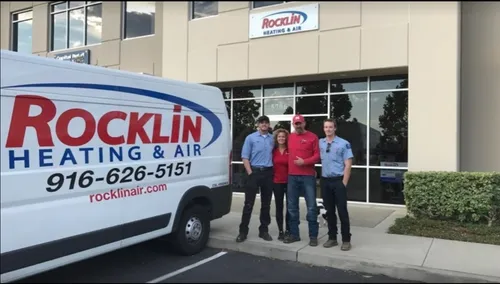
Rocklin Heating & Air
5706 Lonetree Blvd, Rocklin, CA 95765
Rocklin Heating & Air is a full-service heating and air conditioning company based near Sacramento, CA. They provide HVAC installation, repair, and tune-up services for both residential and commercial customers. Their team handles air conditioner and furnace repairs as well as new system installations, ensuring year-round comfort. The company emphasizes fair pricing and reliable workmanship, treating customers like family. While specific years in business are not stated, they serve Rocklin and surrounding areas and offer financing options with approved credit.
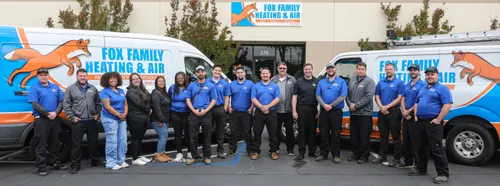
Fox Family Heating and Air Conditioning
3345 Sunrise Blvd #5, Rancho Cordova, CA 95742
Fox Family Heating and Air Conditioning provides a full range of HVAC services including installation, repair, replacement, and maintenance in Sacramento, CA. They serve the Sacramento area with skilled technicians capable of handling heating, air conditioning, and heat pump systems. The company emphasizes high standards and customer satisfaction in their work.
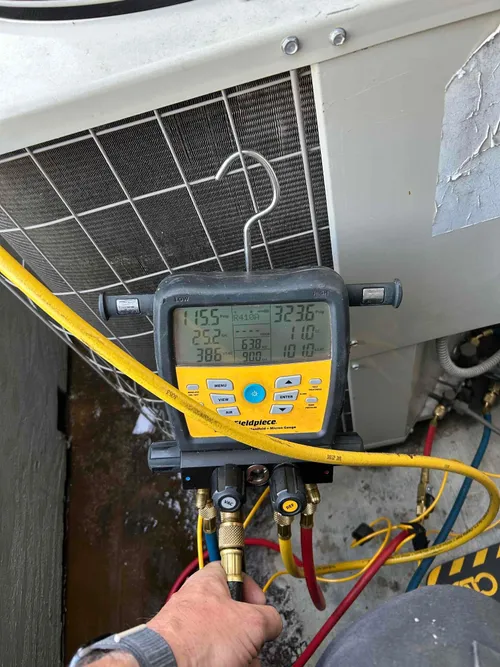
Kendrick Energy Efficient Heating & Air
4111 Citrus Ave STE 5, Rocklin, CA 95677
Kendrick Energy Efficient Heating & Air is an HVAC company serving Sacramento, CA, and nearby communities including Auburn, Loomis, Granite Bay, Rocklin, Roseville, Lincoln, Citrus Heights, and Antelope. They provide air conditioning repair, installation, HVAC system installation, and tune-up services for homeowners. Kendrick Energy Efficient Heating & Air is known for quality HVAC installations that contribute to home comfort and energy efficiency. Their team is experienced in diagnosing and repairing air conditioning units promptly. The company emphasizes the importance of quality installation for long-term comfort and energy savings.

American Energy Home Pros
3050 Fite Cir #101y, Sacramento, CA 95827
American Energy Home Pros is a Sacramento, CA-based company offering comprehensive HVAC and plumbing services. With over 40 years of experience, they provide installation, repair, and maintenance for furnaces, air conditioners, heat pumps, and indoor air quality systems. Their licensed and insured technicians also handle plumbing needs including water heaters, piping repairs, and sewer services. The company offers 24/7 emergency service to address urgent HVAC and plumbing issues promptly.

Woodland Heating and Air Conditioning
1233 E Beamer St STE B, Woodland, CA 95776
Woodland Heating and Air Conditioning serves Sacramento, CA, providing installation and repair services for heating and air conditioning systems. They work with both residential and commercial clients, offering HVAC installation, furnace and AC repair, and tune-up services to maintain system efficiency. The company covers Woodland, Davis, Winters, Vacaville, and all of Yolo County. They focus on installing durable, efficient equipment and offer maintenance to extend the life of existing systems.
Understanding Your HVAC System Options in Sacramento
Choosing the right type of system is the first step toward year-round comfort in Sacramento's climate, which features hot, dry summers and cool, damp winters. The most common residential HVAC installations include central air conditioning paired with a furnace, all-in-one heat pumps, and ductless mini-split systems. Each has distinct advantages depending on your home's layout and your efficiency goals.
A standard Air Conditioner and Furnace combination provides reliable central heating and cooling. For Sacramento homes, selecting high-efficiency models is crucial for managing summer energy costs. Heat Pumps are an increasingly popular choice because they provide both heating and cooling in one unit and operate very efficiently in our moderate climate. For homes without existing ductwork or for adding comfort to specific zones like a sunroom or garage addition, Ductless Mini-Splits offer a flexible and targeted solution.
The Importance of Professional Installation
A new HVAC unit is only as good as its installation. Proper setup is critical for achieving the rated efficiency, ensuring longevity, and maintaining manufacturer warranties. A professional installation involves a precise load calculation to determine the correct system size for your home's square footage, insulation, and window exposure. An oversized or undersized system will lead to uneven temperatures, frequent cycling, and higher operating costs.
The installation process also includes integrating the system with your home's electrical supply, ensuring refrigerant lines are properly sealed and charged, and, if applicable, inspecting and sealing ductwork. In Sacramento, where summer temperatures regularly soar, a flaw in any of these steps can lead to system failure when you need it most. Trusting a licensed technician ensures the work meets local building codes and safety standards.
Find the perfect hvac installers for your needs
Get personalized recommendations and expert advice
A Step-by-Step Look at the Installation Process
Knowing what to expect can make the project run smoothly. A full HVAC replacement typically follows a structured timeline, though durations can vary based on system complexity and permit approvals.
- Initial Assessment & Load Calculation: A technician will visit your home to evaluate your current system, inspect ductwork, and perform a Manual J load calculation. This critical step, which can take 1-7 days from initial contact to final quote, determines the precise heating and cooling capacity your home requires.
- Permitting & Scheduling: Your contractor will pull the necessary permits from local Sacramento authorities. Permit approval times can range from 1 to 4 weeks, depending on the city's backlog. Once permits are secured, an installation date is scheduled.
- Removal & Installation: On installation day, the old equipment is safely removed. For a standard system swap, the new outdoor condenser, indoor air handler or furnace, and coil are installed. This core phase often takes 1 to 3 days 1. If new ductwork or significant electrical upgrades are needed, the timeline will extend.
- Electrical, Ductwork, & Refrigerant: Technicians will connect the system to your electrical panel, ensure all refrigerant lines are pressure-tested and charged, and seal duct connections. Proper duct sealing is essential for efficiency in our climate 2.
- System Testing & Final Inspection: After installation, the system is started and tested for proper operation, airflow, and thermostat communication. A final inspection by the city or county is usually required to close the permit 3 4.
Cost Considerations for Sacramento Homeowners
The cost of a new HVAC system in California is a common concern. While prices vary widely based on the factors below, homeowners can generally budget between $5,000 and $20,000 or more for a full system replacement 5 6 7. A typical range for a complete, professionally installed system in our area is $7,500 to $9,000+, but this can scale significantly with system choice and home size 5 7.
Key factors influencing the final price include:
- System Type and Size: A basic AC/furnace combo differs in cost from a high-efficiency heat pump or a multi-zone ductless system. Larger homes require larger capacity units.
- Efficiency Ratings: Systems with higher Seasonal Energy Efficiency Ratio (SEER) for cooling and Heating Seasonal Performance Factor (HSPF) for heat pumps have a higher upfront cost but offer long-term savings on utility bills 8.
- Existing Infrastructure: The condition of your ductwork, electrical service, and drainage can add to the project cost if repairs or upgrades are needed.
- Labor and Permits: Professional labor and local permit fees are part of the total investment.
Navigating Rebates and California Regulations
Making an upgrade can be more affordable with available incentives. Sacramento homeowners should check with SMUD, PG&E, or other local utilities for rebates on high-efficiency air conditioners, heat pumps, or smart thermostats 9. These rebates can substantially offset the initial cost.
It's also important to be aware of state regulations. California has implemented rules phasing down the use of refrigerants with high Global Warming Potential (GWP) 10. A reputable installer will be knowledgeable about these regulations and will install systems that use newer, environmentally friendlier refrigerants to ensure compliance.
Ensuring Long-Term Performance
Your relationship with your HVAC system doesn't end after installation. To protect your investment, consider integrating a smart thermostat for optimized scheduling and control. Schedule annual maintenance, ideally in the spring for AC and fall for heating, to keep the system running efficiently and catch small issues before they become major repairs. Simple actions like changing air filters regularly are vital for maintaining airflow and indoor air quality, especially during Sacramento's allergy season.
Frequently asked questions
Sources
Footnotes
-
HVAC Installation & Replacement in Sacramento - https://www.threeriversheatingandair.com/hvac-services/hvac-installation/ ↩
-
Step-by-Step HVAC Installation Guide - Carrier - https://www.carrier.com/residential/en/us/products/air-conditioners/hvac-installation/ ↩
-
Professional HVAC Installation | Sacramento County, CA - https://www.hotcoldhvac.com/services/hvac-installation/ ↩
-
HVAC Installation in Sacramento, CA - Service - https://alwaysaffordableplumbing.com/hvac/hvac-installation-sacramento-ca ↩
-
How Much Is a New HVAC System? | Solace Enterprises - https://solace-ent.com/blog/how-much-hvac-system/ ↩ ↩2
-
New HVAC System Cost Calculator: Get a Custom Estimate in 2026 - https://modernize.com/hvac/cost-calculator ↩
-
HVAC Installation Cost in California - Air & Plumbing Systems, Inc. - https://airandplumbing.com/how-much-does-hvac-installation-cost-in-california/ ↩ ↩2
-
Your Complete Guide to HVAC in Sacramento, CA - https://www.cabshvac.com/sacramento-hvac-guide/ ↩
-
HVAC Installation in Sacramento, CA - Service - https://alwaysaffordableplumbing.com/hvac/hvac-installation-sacramento-ca ↩
-
What Are the Latest California HVAC Regulations? - https://nexgenairandplumbing.com/blog/what-are-the-latest-california-hvac-regulations/ ↩