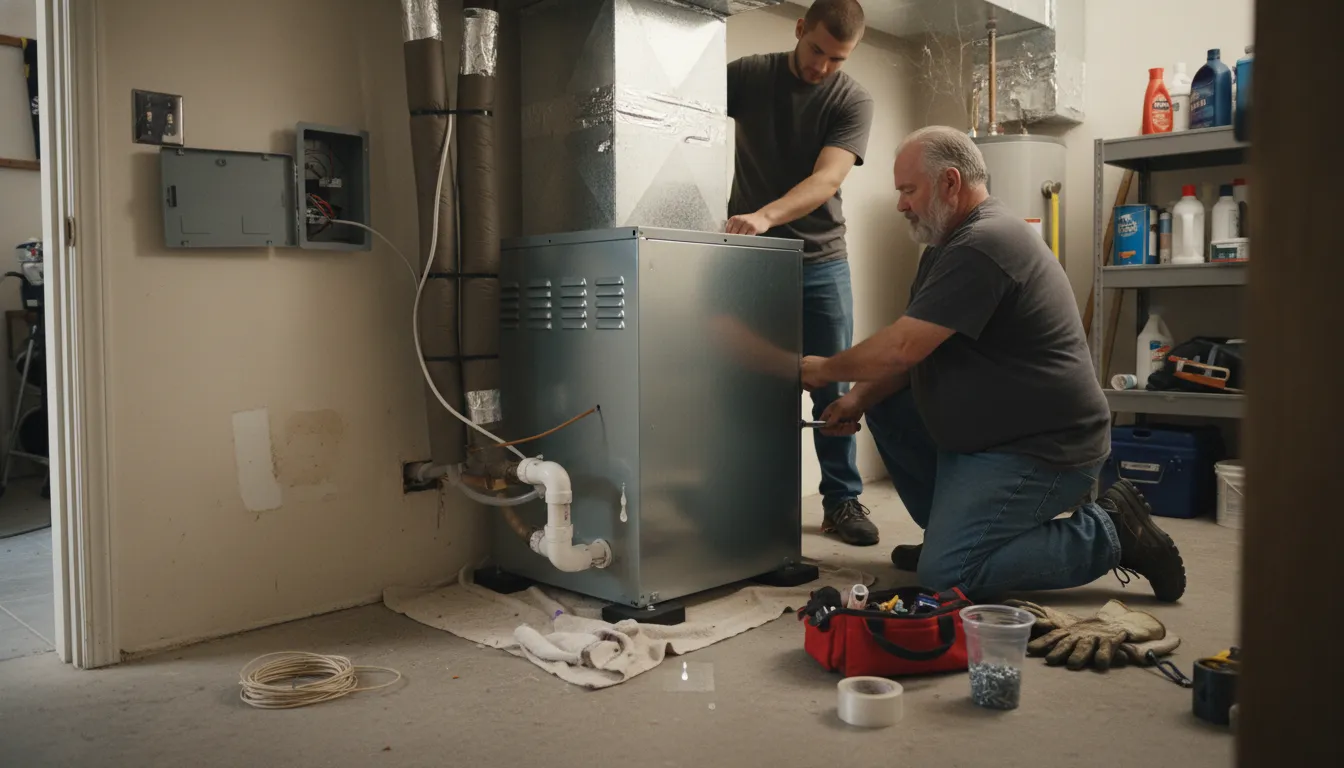
Find the Best HVAC Installers for Your Business
No obligation • Fast responses • Nationwide coverage

Why you can trust HVAC Firms
HVAC Firms is a leading United States resource for evaluating HVAC service providers. Our team researches companies, checks credentials, and reviews customer feedback to present clear, unbiased information. Listings and rankings are based on merit, and companies cannot pay to change our editorial content.
Search providers near you
Top HVAC Installers in San Francisco, California Ranked
Upgrading your home's heating and cooling system is a significant investment in comfort, efficiency, and property value. In San Francisco's unique climate, where cool fog can give way to warm afternoons, a properly sized and installed HVAC system is essential for year-round indoor comfort. This guide explains the key considerations for a new HVAC system setup, from choosing the right equipment to understanding the local installation process and available financial incentives, helping you connect with qualified local professionals for your project.
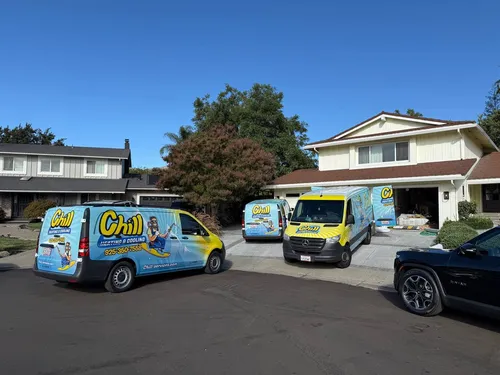
Chill Heating and Cooling
23 Beta Ct suite f, San Ramon, CA 94583
Chill Heating and Cooling is a full-service HVAC company based in Oakland, CA, offering heating and cooling repairs, maintenance, and installations for residential and commercial clients. They provide services including air conditioning, furnace, heat pump, mini split, and thermostat installation and repair. The company is an authorized Carrier dealer and serves the Oakland area with expertise in diagnosing and repairing HVAC systems, as well as installing new units tailored to home or business needs. Chill Heating and Cooling is available for emergency calls and offers same-day service to address urgent heating and cooling issues.
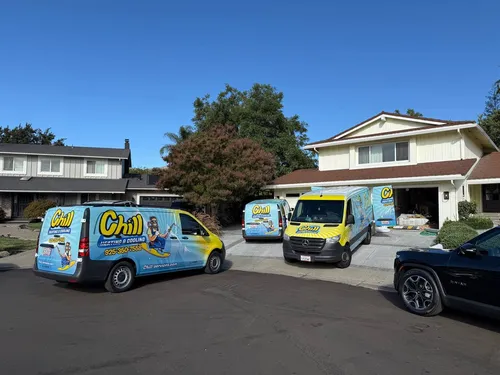
Chill Heating and Cooling
11 Cll Este, Walnut Creek, CA 94597
Chill Heating and Cooling is a full-service HVAC company serving Oakland, CA. They provide expert heating and cooling repairs, maintenance, and installations for residential and commercial customers. Their services include air conditioning, furnace, heat pump, mini split, and thermostat installation and repair. The company is an authorized Carrier dealer and works with major brands such as American Standard and Lennox. They offer emergency service availability and support new construction projects with fast and reliable HVAC system installations. Chill Heating and Cooling emphasizes customer satisfaction and provides professional diagnostics and repairs to maintain comfortable indoor environments year-round.
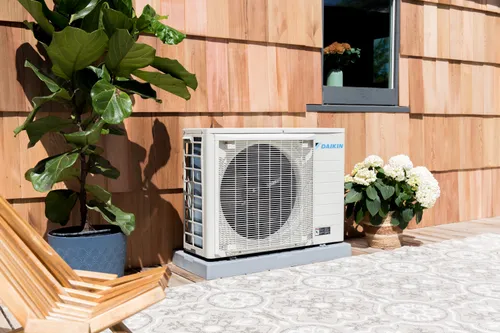
Fuse service
349 Everett Ave, Palo Alto, CA 94301
Fuse Service is an HVAC company serving Fremont, CA, offering heating and air conditioning installation, repair, and maintenance. Their services include AC and heat pump repair, furnace installation, and HVAC tune-ups. They also provide refrigeration, electrical, and plumbing services, including hydro jetting and water heater installation. Fuse Service emphasizes licensed and certified technicians, up-to-date training, and offers warranties on parts and labor.
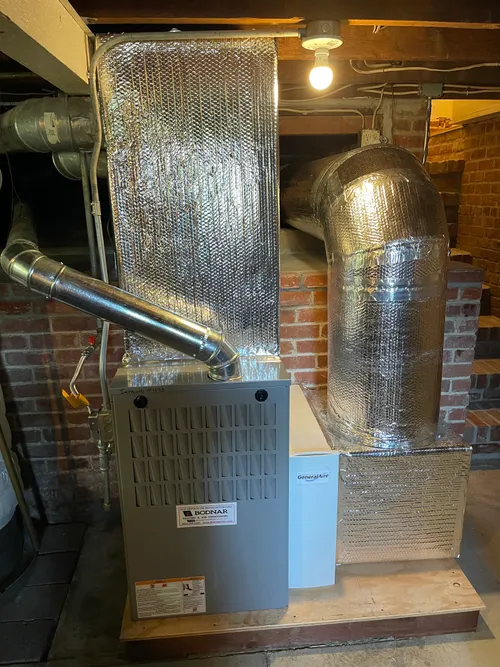
Bodnar Heating & Air Conditioning, Inc.
1251 Fifth Ave, Redwood City, CA 94063
Bodnar Heating & Air Conditioning, Inc. provides residential heating and cooling repair, installation, and maintenance services in Fremont, CA. They specialize in air conditioning, furnace, and heat pump systems, including thermostat installation and indoor air quality improvements. The company emphasizes honest recommendations without commission-based incentives and offers expertise backed by three generations of residential HVAC knowledge. Their services cover a broad area including Redwood City and nearby communities. Bodnar Heating & Air Conditioning, Inc. is committed to thorough system maintenance and proper installation to ensure long-lasting performance and energy efficiency.
Around The Clock HVAC
737 Lisbon St, San Francisco, CA 94112
Around The Clock HVAC provides a full range of heating, ventilation, and air conditioning services in San Francisco, CA. They handle installation, repair, and maintenance for air conditioners, furnaces, heat pumps, and HVAC systems for both residential and commercial clients. Their team is equipped to deliver efficient HVAC tune-ups and repairs to ensure systems operate effectively throughout the year.
Popular HVAC System Choices for San Francisco Homes
Selecting the right system is the first critical step. The best choice depends on your home's layout, existing infrastructure, and your efficiency goals. In San Francisco, certain options are particularly well-suited to the local environment and building styles.
- High-Efficiency Heat Pumps (Air Source): This is a highly popular choice for modern San Francisco homes. A heat pump provides both heating and cooling from a single, highly efficient unit by transferring heat rather than generating it. They are excellent for moderate climates and often qualify for significant utility rebates, making them a smart long-term investment for both comfort and energy savings.
- Ductless Mini-Split Systems: Ideal for zoned comfort, ductless mini-splits are a perfect solution for older San Francisco homes that lack existing ductwork or for room additions. These systems consist of an outdoor compressor unit connected to one or more indoor air handlers, allowing you to control temperatures in individual rooms. Multi-zone systems can vary in cost but offer unparalleled flexibility.
- Gas Furnace & Central Air Conditioning Split System: This traditional setup remains a cost-effective option for homes with existing ductwork. While generally less energy-efficient than a heat pump, a high-efficiency gas furnace paired with a SEER2-rated AC unit can be a reliable solution, especially in neighborhoods with easy gas access.
Understanding the HVAC Installation Process
A professional HVAC setup is a multi-stage project that requires careful planning and execution. Knowing what to expect can help ensure a smooth experience from initial consultation to final handover.
Phase 1: Consultation, Planning, and Permitting
The process begins with a detailed in-home assessment. A qualified technician will evaluate your home's size, insulation, window quality, and existing ductwork to calculate the precise heating and cooling load. This "Manual J" calculation is crucial-an oversized or undersized system will lead to inefficiency and discomfort. Your contractor will then discuss system options, provide a detailed quote, and handle all necessary permits. In the Bay Area, permitting processes are typically streamlined, but your contractor manages this critical step to ensure all work is up to local code.
Phase 2: Equipment Procurement and Site Preparation
Once the plan is approved, the contractor will order the specified equipment. Lead times can vary, often taking 1-2 weeks. In parallel, the installation crew will prepare your home. This involves protecting floors and furnishings, establishing safe work areas, and ensuring clear pathways to the installation sites (attic, basement, side yard, etc.). For replacements, this phase includes safely disconnecting and removing the old system.
Phase 3: The Core Installation
This is the most physically intensive part of the project, typically lasting 1-3 days for a standard residential job. The crew will install new refrigerant lines, electrical connections, and, if needed, update or install ductwork. The new outdoor unit (condenser for AC, heat pump, or compressor for mini-splits) and indoor unit (air handler, furnace, or evaporator coil) are set in place and connected. A new modern thermostat is also installed at this time.
Phase 4: System Startup, Testing, and Customer Orientation
The final phase involves charging the system with refrigerant, starting it up, and conducting thorough performance checks 1. The technician will test airflow, measure temperatures at supply and return vents, verify thermostat operation, and ensure the system meets all manufacturer specifications. Finally, they will provide a complete walk-through, explaining how to operate your new system, change filters, and understand basic maintenance schedules 2.
Find the perfect hvac installers for your needs
Get personalized recommendations and expert advice
Cost Considerations for a New HVAC System in San Francisco
The total investment for a new climate control system varies based on system type, home size, and project complexity. Here's a general overview of what homeowners in the Bay Area can expect:
- Complete System Replacement (Furnace/AC or Full Heat Pump System): For a full system change-out, costs generally range from $12,000 to $28,000.
- Heat Pump Installation: Installing a high-efficiency air-source heat pump system typically falls between $14,000 and $22,000.
- Ductless Mini-Split System: For a multi-zone ductless mini-split system, which is excellent for homes without ducts, prices can range from $8,000 to $25,000, depending on the number of indoor units 3 4.
These figures are estimates, and a precise quote requires an on-site evaluation. Factors like the complexity of ductwork modifications, electrical upgrades, or the need for structural supports can influence the final price.
Financial Incentives and Rebates
Investing in a high-efficiency system can be offset by various financial incentives, making advanced technology more accessible.
- California State and Local Utility Rebates: Always check for current rebates for installing high-efficiency heat pumps and SEER2-rated equipment. Local utilities like PG&E frequently offer programs to encourage upgrades that reduce grid demand 5.
- PACE Financing: Property Assessed Clean Energy (PACE) financing is available in many Bay Area cities. This program allows homeowners to finance qualifying energy-efficient upgrades, including HVAC, through a special assessment on their property tax bill, often with long repayment terms 6.
- Federal Tax Credits: While subject to change, federal energy efficiency tax credits may also be available for qualifying systems, providing additional savings at tax time.
Key Regulations and Standards
Working with a licensed professional ensures your installation complies with all relevant codes. In California, strict efficiency standards (SEER2 for cooling, AFUE for heating) dictate the minimum performance of new equipment. Furthermore, proper handling of refrigerants is governed by EPA regulations. A reputable contractor will be fully versed in these requirements, ensuring your system is safe, legal, and optimized for performance.
Frequently asked questions
Sources
Footnotes
-
Residential HVAC Installation Process: A Comprehensive Guide - https://precisionairhc.com/blog/residential-hvac-installation-process/ ↩
-
Step-by-Step HVAC Installation Guide - Carrier - https://www.carrier.com/residential/en/us/products/air-conditioners/hvac-installation/ ↩
-
Bay Area HVAC Costs 2026: Complete Pricing Guide - https://galaxyservices.com/bay-area-hvac-costs/ ↩
-
How Much Does an HVAC System Cost in California? - https://www.perfectstarhvac.com/how-much-does-an-hvac-system-cost-in-california/ ↩
-
AC Installation Process: What to Expect from Start to Finish - https://bayareaclimatecontrol.com/blog/ac-installation-process/ ↩
-
What Are the Latest California HVAC Regulations? - https://nexgenairandplumbing.com/blog/what-are-the-latest-california-hvac-regulations/ ↩