Find the Best HVAC Installers for Your Business
No obligation • Fast responses • Nationwide coverage

Why you can trust HVAC Firms
HVAC Firms is a leading United States resource for evaluating HVAC service providers. Our team researches companies, checks credentials, and reviews customer feedback to present clear, unbiased information. Listings and rankings are based on merit, and companies cannot pay to change our editorial content.
Search providers near you
Best HVAC Installers in California Ranked
Choosing the right heating and cooling system is a significant decision for any California homeowner. The state's diverse climate, from coastal breezes to Central Valley heat, demands reliable and efficient comfort solutions. Furthermore, California's stringent energy codes directly impact what equipment can be installed and how it must perform. This guide explains the key options, regulations, and considerations for a new HVAC system installation, helping you navigate the process to find a qualified local provider for your project.
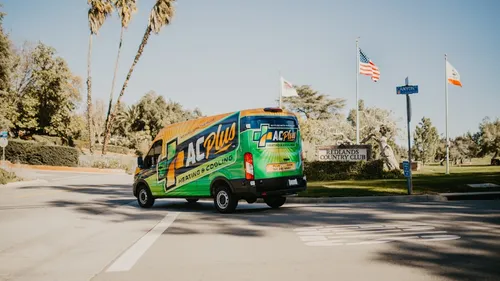
AC Plus Heating & Air Conditioning
14615 Palmdale Rd, Victorville, CA 92392
AC Plus Heating & Air Conditioning serves homeowners in Los Angeles, CA, offering a full range of HVAC services including air conditioning and furnace repair, installation, and maintenance. The company specializes in ductless mini split system installation, providing energy-efficient solutions tailored to home size and climate. Their technicians handle emergency repairs and routine tune-ups to keep systems running smoothly. Based in Victorville, AC Plus Heating & Air Conditioning brings years of experience to the Los Angeles area.
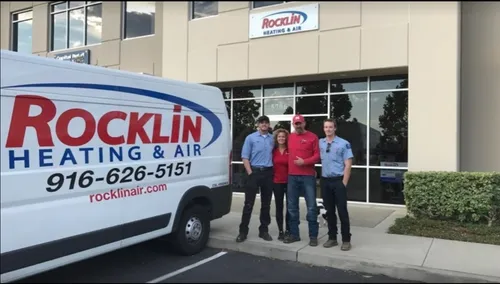
Rocklin Heating & Air
5706 Lonetree Blvd, Rocklin, CA 95765
Rocklin Heating & Air is a full-service heating and air conditioning company based near Sacramento, CA. They provide HVAC installation, repair, and tune-up services for both residential and commercial customers. Their team handles air conditioner and furnace repairs as well as new system installations, ensuring year-round comfort. The company emphasizes fair pricing and reliable workmanship, treating customers like family. While specific years in business are not stated, they serve Rocklin and surrounding areas and offer financing options with approved credit.
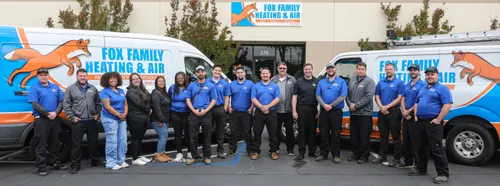
Fox Family Heating and Air Conditioning
3345 Sunrise Blvd #5, Rancho Cordova, CA 95742
Fox Family Heating and Air Conditioning provides a full range of HVAC services including installation, repair, replacement, and maintenance in Sacramento, CA. They serve the Sacramento area with skilled technicians capable of handling heating, air conditioning, and heat pump systems. The company emphasizes high standards and customer satisfaction in their work.
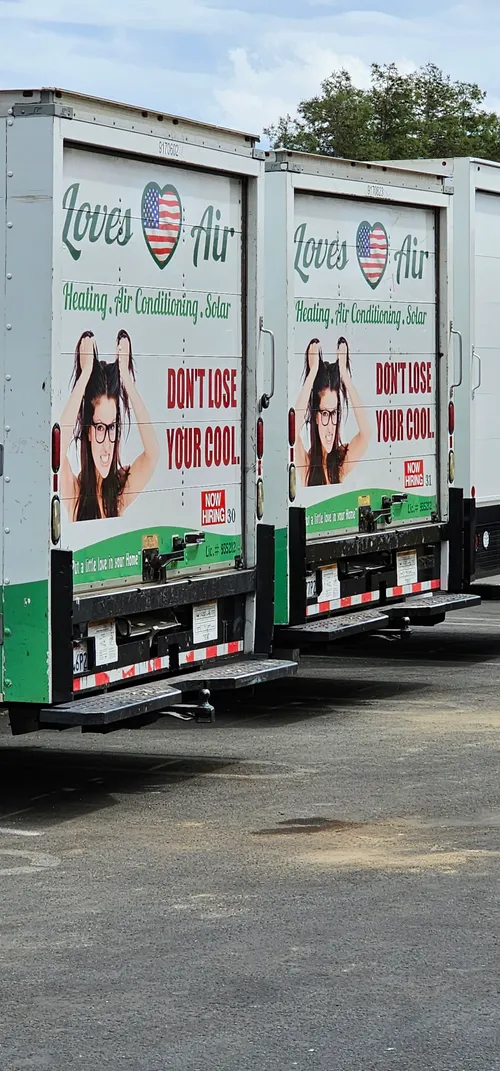
Loves Air
5536 Pirrone Rd, Salida, CA 95368
Loves Air is an HVAC and home improvement company serving Stockton, CA, specializing in heating and air conditioning installation, repair, and maintenance. They also provide solar panel installation, water heater services including tankless systems, and window replacement to improve home energy efficiency. Their team offers duct sealing to optimize airflow and reduce energy waste. With decades of experience and recognition as a top HVAC and solar company since 2018, Loves Air focuses on enhancing comfort and sustainability for local homes.
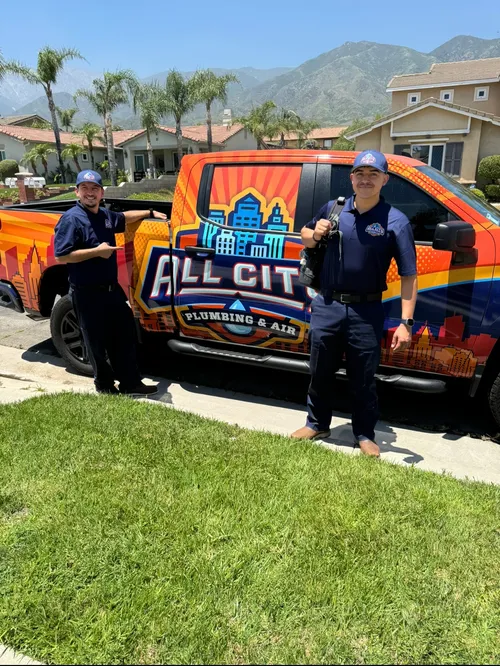
All City Plumbing, Air & Electrical
5612 E La Palma Ave, Anaheim, CA 92807
All City Plumbing, Air & Electrical is a full-service provider based in Anaheim, CA, offering plumbing, HVAC, and electrical services. They serve residential and commercial customers with repair, installation, and maintenance for air conditioning, furnaces, thermostats, and indoor air quality systems. The company is known for its ACE-certified technicians and uses advanced technology such as hydro jetting for plumbing services. With over 13 years in business, All City Plumbing, Air & Electrical provides 24/7 emergency service to address urgent HVAC and plumbing needs.
Understanding Your HVAC System Options
California homeowners have several primary choices for central heating and air conditioning, each with distinct advantages depending on your home's layout, existing infrastructure, and energy goals.
Traditional Gas Furnace & AC Split Systems
This remains the most common setup in many areas. It involves two separate units: a gas furnace for heating and a central air conditioner for cooling, both connected to a network of ducts that distribute air throughout the home. This system is a familiar and often cost-effective solution for homes with existing ductwork, providing powerful heating and cooling capacity 1.
Electric Heat Pumps
Heat pumps are increasingly popular due to their high efficiency and alignment with California's electrification and decarbonization goals. Unlike a furnace that creates heat, a heat pump transfers heat, pulling warmth from the outside air (even in cool weather) to heat your home and reversing the process to cool it. This single system handles both heating and cooling, often with superior energy efficiency compared to separate units.
Ductless Mini-Split Systems
For homes without existing ductwork, room additions, or for creating zoned comfort, ductless mini-splits are an excellent option. These systems consist of an outdoor compressor unit connected to one or more indoor air handlers mounted on walls or ceilings. They offer flexible installation, individual room control, and high efficiency, as they eliminate energy losses associated with ductwork.
Navigating California's Title 24 Energy Standards
All new HVAC installations in California must comply with the state's Building Energy Efficiency Standards, known as Title 24. These regulations are designed to reduce energy consumption and greenhouse gas emissions. Key requirements for residential HVAC include:
Minimum Efficiency Ratings (SEER2 & HSPF2)
The state sets minimum efficiency levels for all new equipment. As of recent updates, all new central air conditioning systems must have a SEER2 (Seasonal Energy Efficiency Ratio 2) rating of at least 152 3. For heat pumps, both the cooling (SEER2) and heating (HSPF2 - Heating Seasonal Performance Factor 2) efficiencies are regulated. Installing equipment that exceeds these minimums can lead to significant utility savings and may qualify for rebates.
Mandatory Mechanical Ventilation
Title 24 requires whole-house mechanical ventilation to ensure a continuous supply of fresh, filtered air while expelling stale air. This is typically achieved with an Energy Recovery Ventilator (ERV) or Heat Recovery Ventilator (HRV). Your HVAC contractor must properly size and integrate this system into your installation plan.
HERS Testing and Verification
For many system replacements or upgrades, California law requires verification by a certified Home Energy Rating System (HERS) rater. This independent third party tests the installed system to ensure it meets the mandated efficiency and airflow standards before the job is considered complete 4 5.
Factors Influencing Installation Cost
The total cost for a new HVAC system in California varies widely based on system type, home size, equipment quality, and labor complexity. Here is a general overview of potential investment ranges:
- Basic Split System (AC & Gas Furnace): A standard installation for a typical home can range from $5,000 to $12,000.
- Electric Heat Pump System: Installing a heat pump system typically falls between $4,500 and $10,000 or more, depending on capacity and features.
- Ductless Mini-Split System: For a single-zone system, costs often start around $3,000 to $9,000. Multi-zone systems for cooling/heating several rooms will be higher 6.
- Full System Replacement (Including Ductwork): A comprehensive project that includes new equipment, duct modification or replacement, and all associated labor can range from $10,000 to over $20,000. For a typical 2,000-2,500 square foot home, a full high-efficiency system replacement may average around $14,0007 8.
These figures encompass equipment, professional labor, materials, permits, and disposal of the old unit. The final price is highly specific to your home's needs.
Find the perfect hvac installers for your needs
Get personalized recommendations and expert advice
Choosing the Right Equipment and Contractor
Selecting the correct system size (load calculation) and a reputable installer is more critical than choosing a brand.
The Importance of a Proper Load Calculation
A reputable contractor will never size your system based solely on square footage. They should perform a Manual J load calculation, which considers your home's insulation, window types, orientation, local climate, and more. An oversized system will short-cycle, leading to poor humidity control, uneven temperatures, and higher wear. An undersized system will struggle to maintain comfort. Proper sizing is the foundation of efficiency and comfort.
Vetting Your Installation Professional
Given the technical and regulatory complexity in California, choosing a qualified contractor is paramount.
- Verify Licenses: Ensure the company holds a valid C-20 (Warm-Air Heating, Ventilating and Air-Conditioning) contractor's license from the California Contractors State License Board (CSLB).
- Check Experience with Title 24: Ask specifically about their process for ensuring Title 24 compliance, including ventilation and HERS testing coordination.
- Get Detailed Quotes: Obtain written, itemized estimates from at least three contractors. The quote should specify equipment make/model with efficiency ratings, scope of work, warranty details, and a timeline.
- Ask for References: Request and contact recent customer references for similar installation projects.
Maximizing Value and Efficiency
To get the best performance and long-term value from your investment:
- Consider High-Efficiency Models: While they have a higher upfront cost, systems with SEER2 ratings well above 15 (e.g., 18-20+) can substantially reduce monthly energy bills, especially in areas with extreme summer heat.
- Explore Rebates and Incentives: Check with your utility company (like PG&E, SCE, or SDG&E) and state programs for rebates on high-efficiency heat pumps, air conditioners, or whole-home electrification projects. These can offset a portion of the installation cost.
- Integrate Smart Thermostats: A Wi-Fi enabled programmable thermostat can optimize system operation for your schedule, providing both comfort and additional energy savings.
- Plan for Maintenance: Discuss a planned maintenance agreement with your installer. Regular professional tune-ups are essential for maintaining efficiency, ensuring warranty compliance, and extending the system's lifespan.
Frequently asked questions
Sources
Footnotes
-
What System Is Right for California Homeowners for HVAC? - https://a1zuzuhvac.com/what-system-is-right-for-california-homeowners-for-hvac/ ↩
-
Your Guide to Title 24: Demystifying California's Building ... - https://www.maktinta.com/post/your-guide-to-title-24-demystifying-california-s-building-energy-efficiency-standards ↩
-
A Guide to the 2023 California SEER Standards | Comfort Bros - https://comfortbros.com/blog/a-guide-to-the-2023-california-seer-standards/ ↩
-
What Are California's Requirements for HVAC Installations? - https://leesair.com/what-are-californias-requirements-for-hvac-installations/ ↩
-
California HVAC code Requirements - https://bcapcodes.org/california/residential-hvac-code-requirements-california/ ↩
-
HVAC Installation Cost in California | Air & Plumbing Inc. - https://airandplumbing.com/how-much-does-hvac-installation-cost-in-california/ ↩
-
How Much Does a New HVAC System Cost in 2025? - https://www.jacklehr.com/blog/air-conditioning-service/new-hvac-system-cost-2025/ ↩
-
How Much Does an HVAC System Cost in California? - https://refreshedhvac.com/2025/06/18/how-much-does-an-hvac-system-cost-in-california/ ↩