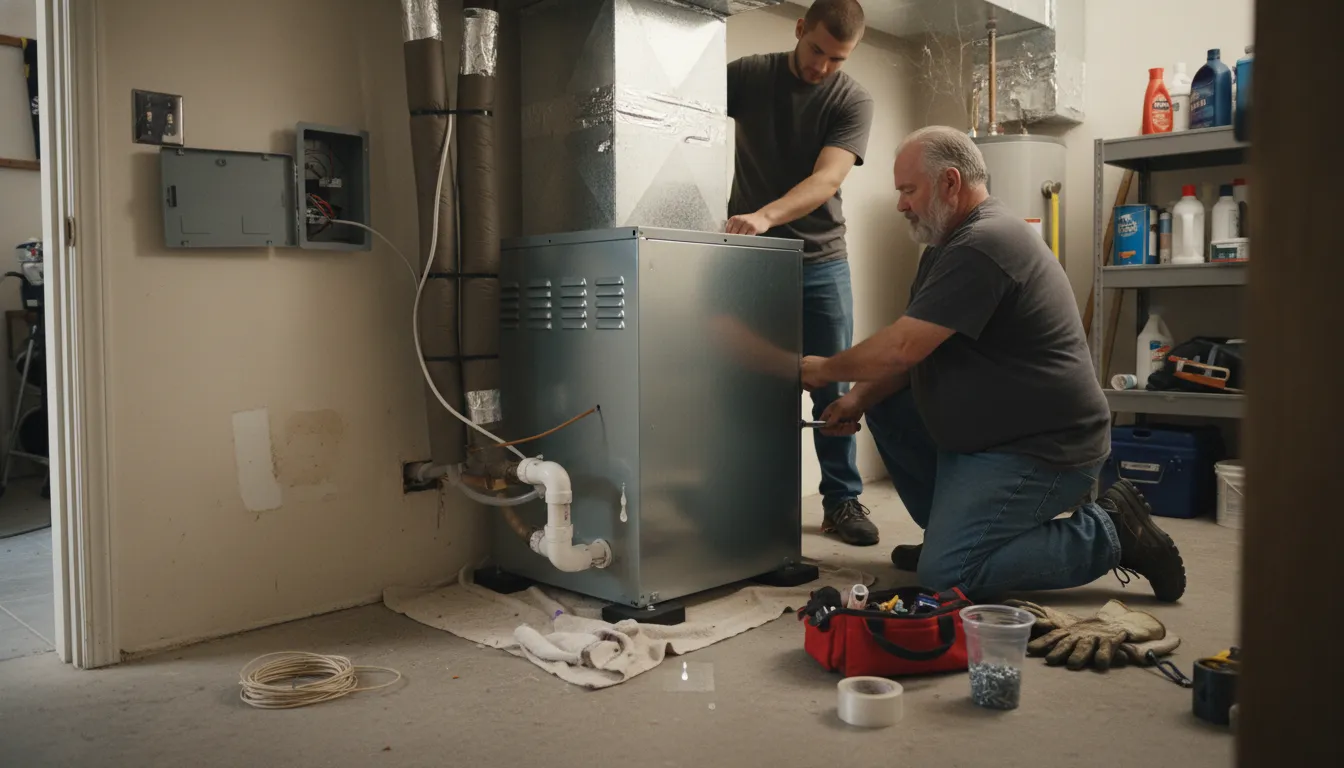
Find the Best HVAC Installers for Your Business
No obligation • Fast responses • Nationwide coverage

Why you can trust HVAC Firms
HVAC Firms is a leading United States resource for evaluating HVAC service providers. Our team researches companies, checks credentials, and reviews customer feedback to present clear, unbiased information. Listings and rankings are based on merit, and companies cannot pay to change our editorial content.
Search providers near you
Top HVAC Installers in Thousand Oaks, California Ranked
Getting a new heating and cooling system installed is a significant investment in your home's comfort, energy efficiency, and value. For Thousand Oaks residents, navigating the options for a new HVAC system-from central air conditioners and furnaces to modern heat pumps-can feel complex. This guide is designed to help you understand the process, costs, and key considerations for a successful HVAC installation project, connecting you with the information needed to find qualified local professionals.
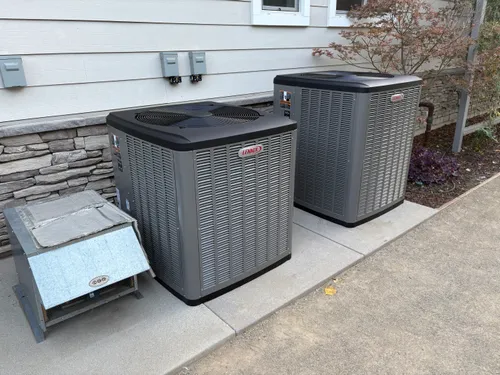
Hilo Aire
28220 Ave Crocker # 407, Valencia, CA 91355
Hilo Aire is an HVAC company serving Santa Clarita, CA, and surrounding areas including Ventura and Los Angeles counties. They provide a range of heating and cooling services such as air conditioning, furnace, heat pump, and ductless mini-split installation, maintenance, and repair. The company also offers indoor air quality services and customized system design focused on energy efficiency. With over 30 years of combined industry experience, Hilo Aire emphasizes transparent pricing and customer-centered service. They provide same-day, weekend, and emergency service options.
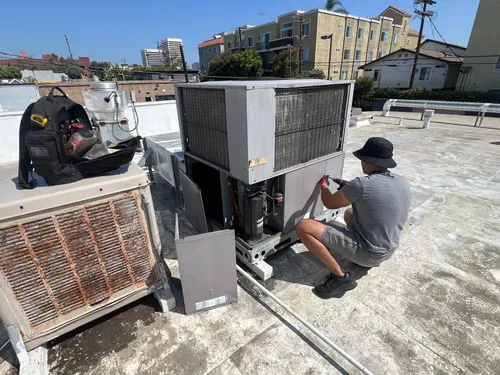
ASP Heating & Air Conditioning
6924 Canby Ave UNIT 108, Reseda, CA 91335
ASP Heating & Air Conditioning is an HVAC company serving Los Angeles, CA, with over 31 years of experience in the industry. They provide installation, repair, maintenance, and replacement services for commercial and residential HVAC systems, refrigeration equipment, and appliances. ASP Heating & Air Conditioning is known for handling complex HVAC and refrigeration projects, including commercial freezer repairs. The company offers 24/7 customer support and employs licensed and certified technicians to ensure quality service.
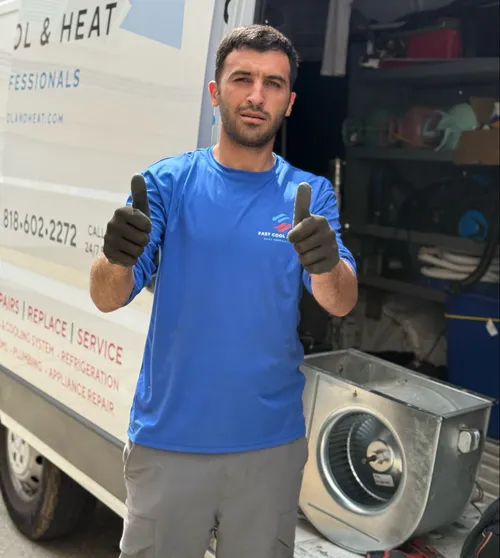
Fast Cool & Heat Inc.
7417 Woodman Ave, Van Nuys, CA 91405
Fast Cool & Heat Inc. offers comprehensive HVAC installation and repair services in Los Angeles, CA. They specialize in heating, ventilation, and air conditioning solutions, including furnace, heat pump, central AC, and ductless mini-split systems. Their certified technicians provide custom installations and maintenance designed for efficiency and long-term performance. The company focuses on energy-efficient systems suited for the local climate and supports both residential and commercial properties.
Mor Air
11661 Saticoy St, North Hollywood, CA 91605
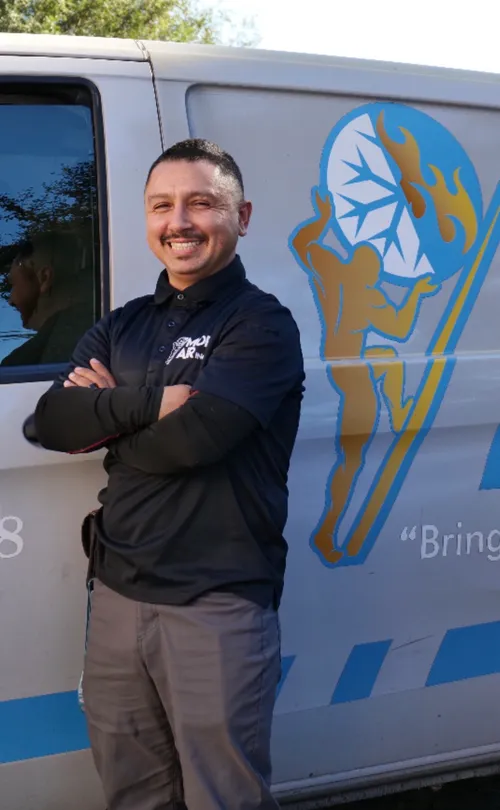
Mor Air is an HVAC company serving Los Angeles, CA, including North Hollywood and Glendale. They provide a full range of services such as air conditioning and furnace repair, installation, maintenance, duct cleaning, and indoor air quality solutions. Mor Air is licensed and insured, focusing on honest diagnostics and energy-efficient system replacements. The company is recognized for quality workmanship and holds an A+ rating with the Better Business Bureau, along with a strong reputation on HomeAdvisor and BuildZoom.
Just Rite Air Heating & Cooling Santa Clarita
25030 Avenue Stanford suite 70, Santa Clarita, CA 91355
Just Rite Air Heating & Cooling Santa Clarita provides comprehensive HVAC services in Santa Clarita, CA. They specialize in the installation, repair, and maintenance of heating and cooling systems including furnaces, air conditioners, heat pumps, boilers, ductless mini-splits, and geothermal heat pumps. Their services also cover indoor air quality solutions such as air purifiers, humidifiers, and duct cleaning. The company handles diagnostics and repairs for various HVAC components and offers system tune-ups to maintain efficiency. They serve the entire Santa Clarita Valley including Valencia, Saugus, Canyon Country, and Newhall.
Understanding Your HVAC System Options in Thousand Oaks
The climate in Thousand Oaks, with its warm, dry summers and mild, wetter winters, influences the most common and effective types of heating and air conditioning systems. The right choice depends on your home's existing infrastructure, your budget, and your efficiency goals.
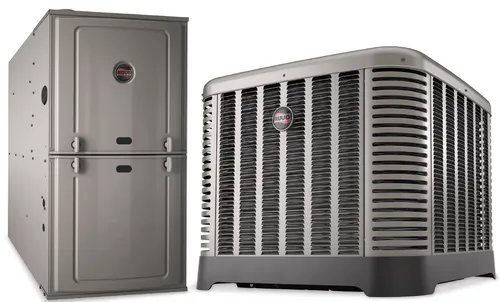
Central Split Systems (Furnace + AC) This is the most traditional and widely installed setup. It combines a gas furnace for heating with a central air conditioner for cooling. The furnace is typically located indoors (in a garage, attic, or closet), while the AC condenser sits outside. This system utilizes your home's existing ductwork to distribute conditioned air and is a reliable, efficient choice for the local climate.
Heat Pump Systems Heat pumps are gaining immense popularity for their year-round efficiency. They function as both an air conditioner and a heater by moving heat rather than generating it. In summer, they extract heat from your home; in winter, they pull heat from the outside air (even cool air) to warm your interior. While the upfront cost can be higher, the energy savings, especially with our mild winters, can be substantial over time 1.
Ductless Mini-Split Systems If your home lacks ductwork or you're looking to add climate control to a specific addition or zone, mini-splits are an excellent solution. They consist of an outdoor compressor/condenser and one or more indoor air-handling units mounted on walls or ceilings. They offer flexible zoning, high efficiency, and avoid the energy losses associated with ductwork, though installation costs per zone can be significant.
The Step-by-Step HVAC Installation Process
A professional HVAC installation is a multi-stage project that ensures your system operates safely, efficiently, and according to local codes. Here's what you can generally expect:
- Comprehensive Site Evaluation: A qualified technician will visit your home to assess its size, insulation, window placement, and existing ductwork. This load calculation is critical for determining the correctly sized system-one that's neither too small (struggling to keep up) nor too large (short-cycling and inefficient).
- Permitting: Your installer will handle pulling the necessary permits from the City of Thousand Oaks. This step ensures the installation meets all safety and building codes.
- Removal of Old Equipment: The existing furnace, air handler, and outdoor condenser are safely disconnected, with refrigerants properly recovered, and removed from the premises.
- New System Installation: This core phase includes installing the new indoor unit (furnace or air handler), outdoor unit (condenser or heat pump), connecting or modifying ductwork, and setting up the new thermostat. All electrical and refrigerant line connections are made during this stage 2.
- System Testing & Startup: Once everything is physically installed, the contractor will power up the system, check refrigerant levels, test all components (including safety controls), calibrate the thermostat, and ensure airflow is balanced throughout your home. They should also walk you through basic operation and maintenance 3.
What Influences the Cost of a New HVAC System?
The price for a full HVAC system replacement in Thousand Oaks can vary widely. Understanding the factors that drive the final quote can help you make an informed decision.
Primary Cost Factors:
- System Type and Size: The capacity of the system, measured in tons for cooling and BTUs for heating, must match your home's needs. A larger home requires a larger, more expensive system.
- Efficiency Ratings: Higher efficiency means a higher initial cost but lower monthly utility bills. For air conditioners and heat pumps, look for the SEER2 (Seasonal Energy Efficiency Ratio) rating; the higher the number, the more efficient. For furnaces, the AFUE (Annual Fuel Utilization Efficiency) percentage is key.
- Equipment Brand: Premium brands like Carrier, Trane, or Lennox often come at a higher cost than standard brands, which may reflect differences in features, durability, and warranty.
- Ductwork Modifications: If your existing ducts need sealing, resizing, or extensive repairs, this will add to the project cost and timeline. In some cases, installing all-new ductwork may be recommended.
- Labor and Complexity: The accessibility of your attic, crawlspace, or equipment locations can impact labor time. Installations that require complex electrical upgrades or custom fabrication will also increase costs.
Estimated Price Ranges: While every home is unique, here are general cost ranges for a full system replacement in the Thousand Oaks area:
- Central Split System (Furnace + AC): For a standard 2,000-square-foot home, a mid-efficiency system typically ranges from $8,000 to $15,000+ 4.
- Heat Pump System: A full heat pump installation, which provides both heating and cooling, often falls in the range of $14,000 to $25,000+, depending on efficiency and brand 5 6.
- Ductless Mini-Split: Installing a single-zone system can start around $3,000 - $5,000, but multi-zone setups for whole-home comfort can reach $10,000 - $20,000 or more.
It is crucial to obtain multiple detailed quotes from licensed, insured, and well-reviewed local HVAC contractors to get an accurate price for your specific situation 7.
Find the perfect hvac installers for your needs
Get personalized recommendations and expert advice
Timeline for HVAC Replacement
How long your home is without climate control is a common concern. The timeline depends heavily on the project's scope.
- Straightforward Swap: Replacing a standard furnace and air conditioner of similar type and size, with no ductwork changes, can often be completed in 1 to 2 days. Some contractors may even accomplish a simple replacement in under a single day.
- Complex Installations: Projects that involve installing new ductwork throughout the home, upgrading to a geothermal system, or dealing with difficult access can extend the timeline to several days or even a week 8.
Your contractor should provide a clear estimated schedule after the initial site evaluation.
Key Considerations Before You Install
Importance of Proper Sizing: An oversized system will cool or heat your home too quickly, shutting off before it can properly dehumidify the air (in cooling mode), leading to a clammy, uncomfortable feeling. It also causes more wear from frequent on/off cycles. A correctly sized system runs in longer, more efficient cycles. Warranties: Pay close attention to both the manufacturer's warranty on parts and the labor warranty offered by the installing contractor. These can provide valuable long-term protection. Thermostat Upgrades: Modern installations often include a programmable or smart thermostat. These devices can optimize your system's operation for maximum comfort and efficiency, potentially paying for themselves through energy savings. Financing and Rebates: Many HVAC companies offer financing options. Additionally, check for available rebates from local utilities (like Southern California Edison or The Gas Company) or state programs for installing high-efficiency equipment, which can significantly offset your initial cost.
Maintaining Your New System
Once your new heating and air conditioning system is installed, protect your investment with regular maintenance. This includes changing air filters every 1-3 months, keeping the outdoor unit clear of debris and vegetation, and scheduling an annual professional tune-up. A spring tune-up for your AC and a fall check for your furnace or heat pump will ensure peak performance, efficiency, and longevity.
Frequently asked questions
Sources
Footnotes
-
Thousand Oaks HS Prop 39 HVAC Replacement Project ... - https://www.boarddocs.com/ca/conejo/Board.nsf/files/AU33CE054A38/$file/TO%20HVAC%20Overview.pdf ↩
-
Main Components of an HVAC System | Key Parts Explained - https://www.kjheatingandair.com/main-components-of-hvac-systems ↩
-
Step-by-Step HVAC Installation Guide - Carrier - https://www.carrier.com/residential/en/us/products/air-conditioners/hvac-installation/ ↩
-
How Much Does an Air Conditioner Cost for a 2000-Square-Foot Home? - https://www.thisoldhouse.com/heating-cooling/air-conditioner-cost-for-2000-square-foot-home ↩
-
How Much Does an HVAC System Cost in California? - https://www.perfectstarhvac.com/how-much-does-an-hvac-system-cost-in-california/ ↩
-
Heating and Air Conditioning Installation in Thousand Oaks, CA - https://www.homedepot.com/services/l/ca/thousand-oaks/heating-air-conditioning-installation/c16fbb4b7 ↩
-
What's the Cost to Install an Air Conditioner in Southern ... - https://www.burgesons.com/blog/whats-the-cost-to-install-an-air-conditioner-in-southern-california ↩
-
How Long Does It Take To Replace Your HVAC System? - https://downeyplumbing.com/blog/how-long-does-it-take-to-replace-your-hvac-system/ ↩