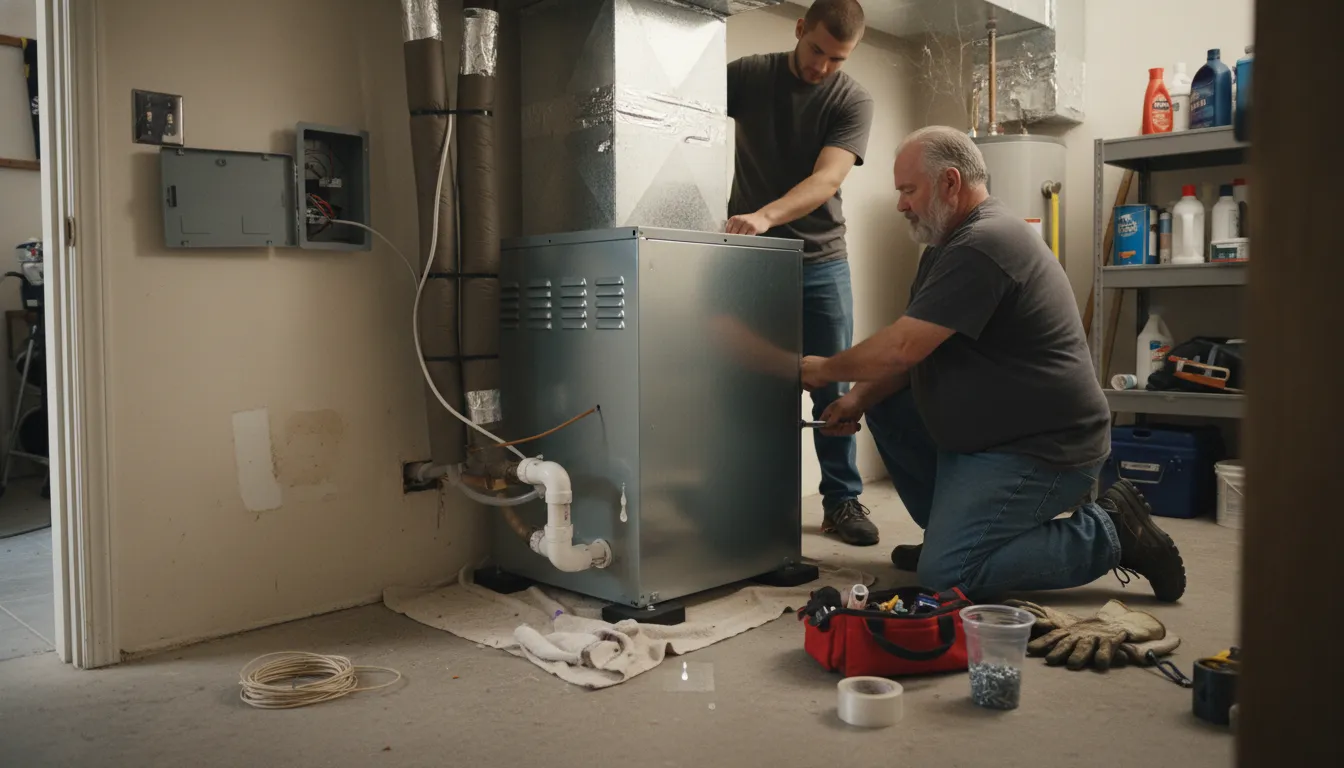
Find the Best HVAC Installers for Your Business
No obligation • Fast responses • Nationwide coverage

Why you can trust HVAC Firms
HVAC Firms is a leading United States resource for evaluating HVAC service providers. Our team researches companies, checks credentials, and reviews customer feedback to present clear, unbiased information. Listings and rankings are based on merit, and companies cannot pay to change our editorial content.
Search providers near you
Top HVAC Installers in Simi Valley, California Ranked
Upgrading your home's heating and cooling system is a significant investment in comfort, efficiency, and property value. In Simi Valley's climate, a properly sized and installed HVAC system is essential for managing warm summers and mild winters while keeping energy bills in check. This guide will help you understand your options, the installation process, and what to expect when looking for a qualified professional to handle your heating and air conditioning project.
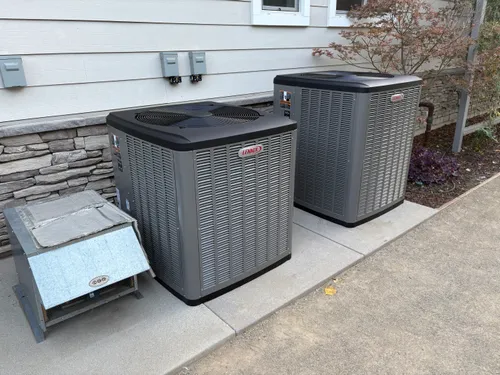
Hilo Aire
28220 Ave Crocker # 407, Valencia, CA 91355
Hilo Aire is an HVAC company serving Santa Clarita, CA, and surrounding areas including Ventura and Los Angeles counties. They provide a range of heating and cooling services such as air conditioning, furnace, heat pump, and ductless mini-split installation, maintenance, and repair. The company also offers indoor air quality services and customized system design focused on energy efficiency. With over 30 years of combined industry experience, Hilo Aire emphasizes transparent pricing and customer-centered service. They provide same-day, weekend, and emergency service options.
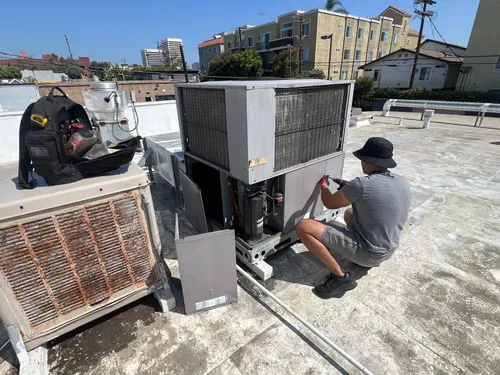
ASP Heating & Air Conditioning
6924 Canby Ave UNIT 108, Reseda, CA 91335
ASP Heating & Air Conditioning is an HVAC company serving Los Angeles, CA, with over 31 years of experience in the industry. They provide installation, repair, maintenance, and replacement services for commercial and residential HVAC systems, refrigeration equipment, and appliances. ASP Heating & Air Conditioning is known for handling complex HVAC and refrigeration projects, including commercial freezer repairs. The company offers 24/7 customer support and employs licensed and certified technicians to ensure quality service.
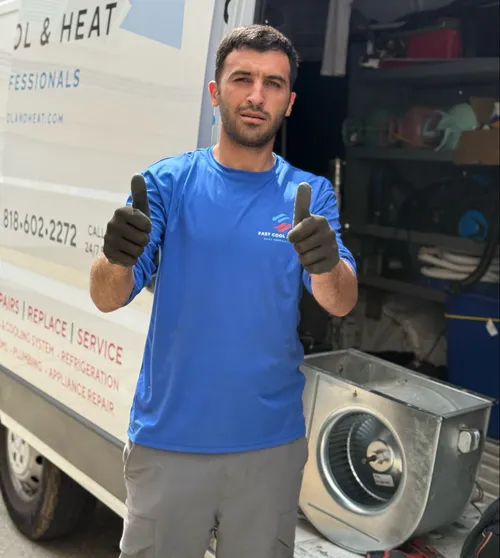
Fast Cool & Heat Inc.
7417 Woodman Ave, Van Nuys, CA 91405
Fast Cool & Heat Inc. offers comprehensive HVAC installation and repair services in Los Angeles, CA. They specialize in heating, ventilation, and air conditioning solutions, including furnace, heat pump, central AC, and ductless mini-split systems. Their certified technicians provide custom installations and maintenance designed for efficiency and long-term performance. The company focuses on energy-efficient systems suited for the local climate and supports both residential and commercial properties.

Mor Air
11661 Saticoy St, North Hollywood, CA 91605
Mor Air is an HVAC company serving Los Angeles, CA, including North Hollywood and Glendale. They provide a full range of services such as air conditioning and furnace repair, installation, maintenance, duct cleaning, and indoor air quality solutions. Mor Air is licensed and insured, focusing on honest diagnostics and energy-efficient system replacements. The company is recognized for quality workmanship and holds an A+ rating with the Better Business Bureau, along with a strong reputation on HomeAdvisor and BuildZoom.
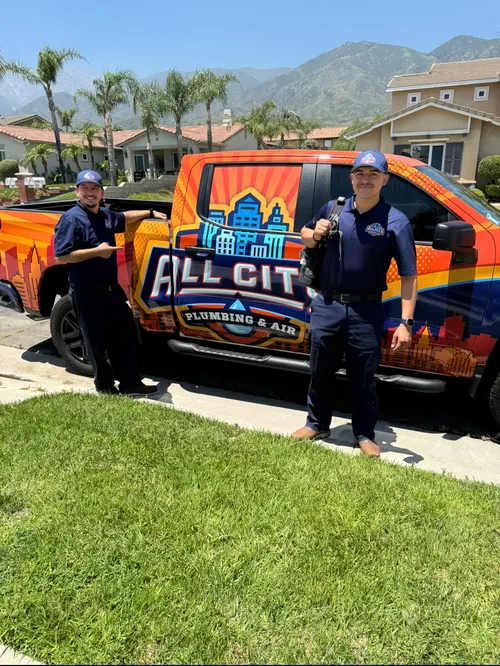
All City Plumbing, Air & Electrical
221 Allen Ave, Glendale, CA 91201
All City Plumbing, Air & Electrical is a family-owned business serving Los Angeles, CA, and nearby areas with plumbing, heating, air conditioning, and electrical services. Their team handles a wide range of HVAC needs including furnace, heat pump, boiler, and mini split installation and repair, as well as indoor air quality and thermostat services. The company is known for its ACE-certified technicians and offers comprehensive capabilities such as hydro-jetting and whole house filtration system installation. With over 13 years of experience, All City Plumbing, Air & Electrical emphasizes quality workmanship and customer satisfaction.
Understanding Your HVAC System Options
Choosing the right system is the first critical step in your installation journey. The ideal choice for your Simi Valley home depends on your existing infrastructure, budget, and efficiency goals. The most common setups include central air conditioners paired with furnaces, all-in-one heat pumps, and ductless mini-split systems.
Central Air Conditioner and Furnace Combos This is the traditional and most common setup in many homes. It involves a split system with an outdoor air conditioning unit and an indoor furnace, typically using natural gas for heating. This combination is a reliable choice for providing powerful cooling and heating throughout a ducted home. The efficiency of these systems is measured by SEER (Seasonal Energy Efficiency Ratio) for cooling and AFUE (Annual Fuel Utilization Efficiency) for heating; higher ratings mean greater energy savings.
Heat Pumps Heat pumps are increasingly popular in Simi Valley due to the region's mild winters 1. This single system provides both heating and cooling by transferring heat rather than generating it, making it highly energy-efficient. During summer, it moves heat from inside your home to the outside. In winter, the process reverses, extracting heat from the outdoor air to warm your interior. For climates like ours, a heat pump can be an excellent, cost-effective year-round solution.
Ductless Mini-Split Systems For homes without existing ductwork, or for room additions where extending ducts is impractical, ductless mini-splits are a fantastic option. These systems consist of an outdoor compressor unit connected to one or more indoor air handlers mounted on walls or ceilings. They offer "zoning" capabilities, allowing you to control the temperature in individual rooms, which can lead to substantial energy savings. While the upfront cost can be higher, they avoid the energy losses associated with ductwork and provide flexible installation.
The Step-by-Step Installation Process
A professional HVAC installation follows a structured process to ensure safety, compliance, and optimal system performance. Understanding these steps can help you know what to expect from your contractor.
- Initial Consultation and Load Calculation: A specialist will visit your home to assess your needs. This isn't just about square footage; they perform a Manual J load calculation, which considers insulation, window types, home orientation, and local climate to determine the precise capacity (in tons) your system requires. An improperly sized system will lead to comfort issues and higher operating costs.
- System Proposal and Permitting: Based on the assessment, you'll receive detailed proposals for different system options. Once you select a system and contractor, they will handle pulling the necessary local permits. In Simi Valley, this permit approval process can take between 3 to 14 business days. Permits ensure the installation meets all building and safety codes.
- Preparation and Removal: On installation day, the crew will prepare the work area and safely remove your old heating and cooling equipment, including recovering any remaining refrigerant according to environmental regulations.
- New Equipment Installation: This is the core phase. The team will install the new outdoor unit, indoor furnace or air handler, connect refrigerant lines, and integrate electrical components. If new or modified ductwork is part of the project, that work will be done during this stage. For a standard system, the physical installation typically takes 1 to 3 days 2 3.
- System Testing and Startup: After installation, technicians will test the system thoroughly. This includes checking refrigerant charge, verifying electrical connections, testing the thermostat, and ensuring all safety controls function correctly. They will also start up the system and balance airflow to ensure even comfort throughout your home.
- Final Walkthrough and Cleanup: A final inspection with the project manager ensures you understand how to operate your new system and its maintenance needs. The work area should be left clean, with all old materials hauled away.
Find the perfect hvac installers for your needs
Get personalized recommendations and expert advice
Key Factors Influencing Installation Cost
The cost for a full HVAC system replacement in Simi Valley can vary widely, with average ranges typically falling between $6,200 and $12,000 or more 4 5. For a typical 2,000-square-foot home, a complete system with installation often lands in the range of $9,600 to $13,430 4. Several key factors drive the final price:
- System Type and Size: A basic central AC and furnace combo will generally cost less than a high-efficiency heat pump or a multi-zone ductless system. The physical size (tonnage) of the system needed for your home is a primary cost driver.
- Efficiency Ratings: Units with higher SEER (for cooling) and AFUE or HSPF (for heating) ratings cost more upfront but offer lower monthly utility bills. Investing in efficiency can pay off in the long run, especially with available rebates.
- Ductwork Modifications: If your existing ducts are poorly sized, leaky, or non-existent, adding or replacing ductwork represents a significant portion of the project cost. Properly sealed and insulated ducts are crucial for system efficiency.
- Labor and Complexity: The accessibility of installation locations (attic, crawlspace), the need for electrical upgrades, and the overall complexity of the job will affect labor costs. Always ensure labor is included in detailed, written estimates.
Rebates, Regulations, and Efficiency in California
Installing a new system in Simi Valley comes with specific considerations due to state regulations and incentive programs designed to promote energy conservation.
Available Rebates and Incentives Look for rebates on high-efficiency models that carry the ENERGY STAR label. Your local utility, such as Southern California Edison, often offers rebates for upgrading to qualifying high-efficiency heat pumps or air conditioners. Additionally, there may be federal tax credits for energy-efficient home improvements. A knowledgeable HVAC contractor should be able to inform you of current incentives that can reduce your net cost.
California HVAC Regulations California has stringent regulations regarding refrigerants and equipment efficiency to protect the environment. New systems must use approved, low-global-warming-potential (GWP) refrigerants 6. Furthermore, the state has minimum efficiency standards (SEER and EER ratings) that are often higher than federal requirements, ensuring all new installations contribute to the state's energy goals. Your installer must be familiar with and comply with all these codes.
Why Efficiency Matters in Simi Valley Our climate, with its hot, dry summers and cool winters, makes an efficient system particularly valuable. A high-efficiency heat pump, for example, can provide substantial savings because it uses electricity very effectively for both heating and cooling. Proper installation is just as important as the equipment itself; a perfectly sized and expertly installed mid-efficiency system will often outperform a poorly installed top-tier model.
Choosing the Right Installation Professional
The success of your HVAC project hinges on the skill of the installer. Look for a licensed, insured, and locally established contractor. Check for certifications from organizations like NATE (North American Technician Excellence), which indicate advanced training. Read reviews, ask for references from recent installations, and always obtain multiple detailed, written estimates that break down equipment, labor, and any ancillary costs. A reputable professional will insist on a proper load calculation, discuss permit timelines, and clearly explain the installation process and your options.
Frequently asked questions
Sources
Footnotes
-
Heater Installation In Simi Valley, CA - Marathon HVAC Services, Inc. - https://www.marathonhvac.com/hvac/simi-valley-ca/heater-installation/ ↩
-
Air Conditioning Installation in Simi Valley, CA - Precise Air System Inc - https://www.preciseairsystems.com/air-conditioning/air-conditioning-installation-in-simi-valley-ca ↩
-
Step-by-Step HVAC Installation Guide - Carrier - https://www.carrier.com/residential/en/us/products/air-conditioners/hvac-installation/ ↩
-
Best Heating and Air Conditioning Companies Near You In Simi ... - https://modernize.com/near-me?find=heating-and-air-conditioning-companies&location=Simi-Valley,CA ↩ ↩2
-
What Is The Average Cost For A New HVAC System? 2025 Shocking Facts - https://comforttemp.com/what-is-the-average-cost-for-a-new-hvac-system/ ↩
-
What Are the Latest California HVAC Regulations? - https://nexgenairandplumbing.com/blog/what-are-the-latest-california-hvac-regulations/ ↩