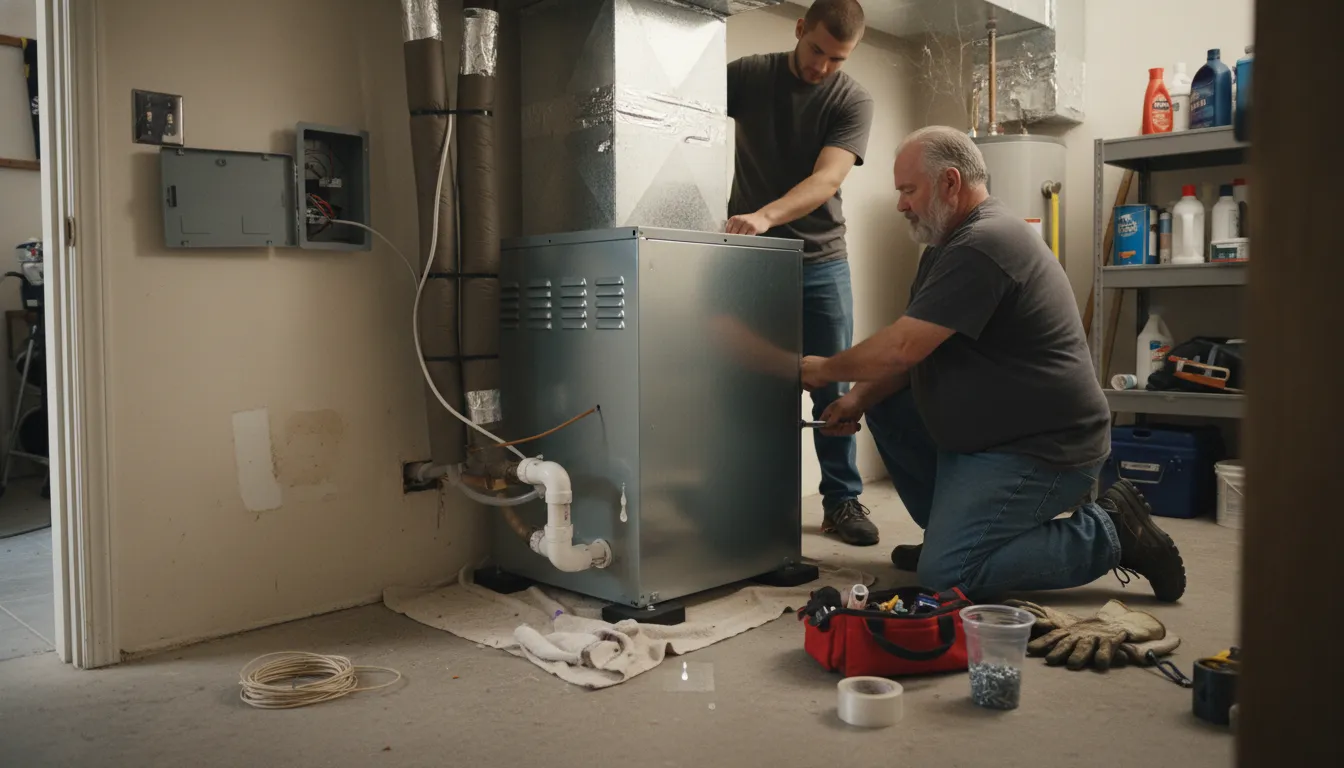
Find the Best HVAC Installers for Your Business
No obligation • Fast responses • Nationwide coverage

Why you can trust HVAC Firms
HVAC Firms is a leading United States resource for evaluating HVAC service providers. Our team researches companies, checks credentials, and reviews customer feedback to present clear, unbiased information. Listings and rankings are based on merit, and companies cannot pay to change our editorial content.
Search providers near you
Top HVAC Installers in Redwood City, California Ranked
Upgrading your home's heating and cooling system is a significant investment in comfort, energy efficiency, and indoor air quality. For Redwood City residents, navigating the options for a new HVAC system-from high-efficiency heat pumps to ductless mini-splits-requires understanding local climate needs, available rebates, and the installation process. This guide provides a detailed overview of what to expect when planning a new HVAC installation, helping you make an informed decision and connect with qualified local professionals for your project.
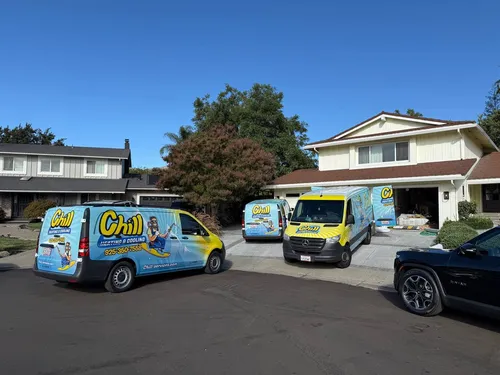
Chill Heating and Cooling
23 Beta Ct suite f, San Ramon, CA 94583
Chill Heating and Cooling is a full-service HVAC company based in Oakland, CA, offering heating and cooling repairs, maintenance, and installations for residential and commercial clients. They provide services including air conditioning, furnace, heat pump, mini split, and thermostat installation and repair. The company is an authorized Carrier dealer and serves the Oakland area with expertise in diagnosing and repairing HVAC systems, as well as installing new units tailored to home or business needs. Chill Heating and Cooling is available for emergency calls and offers same-day service to address urgent heating and cooling issues.
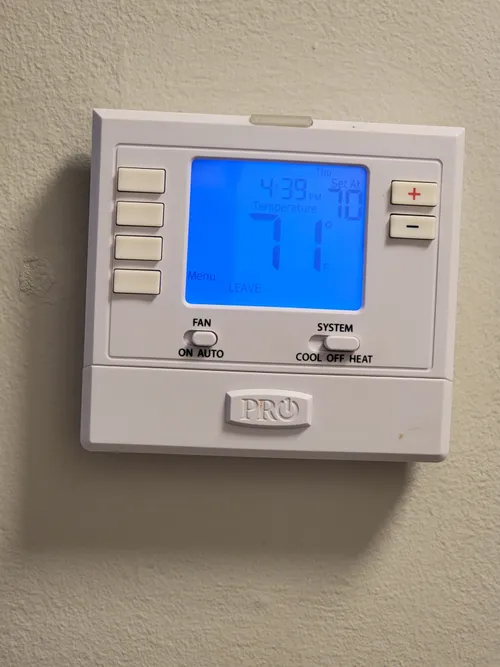
Heating And Air Experts - Affordable HVAC Contractor in Fremont, California
4991 Seneca Park Loop, Fremont, CA 94538
Heating And Air Experts - Affordable HVAC Contractor in Fremont, California provides heating and cooling services in San Jose, CA. They handle installation and repair of air conditioners, furnaces, heat pumps, and boilers. Their work covers both new system setups and emergency repairs to maintain efficient and safe climate control throughout the year.
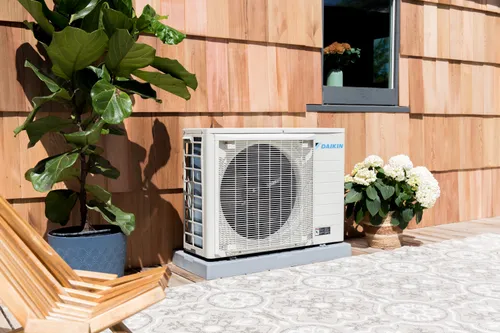
Fuse service
349 Everett Ave, Palo Alto, CA 94301
Fuse Service is an HVAC company serving Fremont, CA, offering heating and air conditioning installation, repair, and maintenance. Their services include AC and heat pump repair, furnace installation, and HVAC tune-ups. They also provide refrigeration, electrical, and plumbing services, including hydro jetting and water heater installation. Fuse Service emphasizes licensed and certified technicians, up-to-date training, and offers warranties on parts and labor.
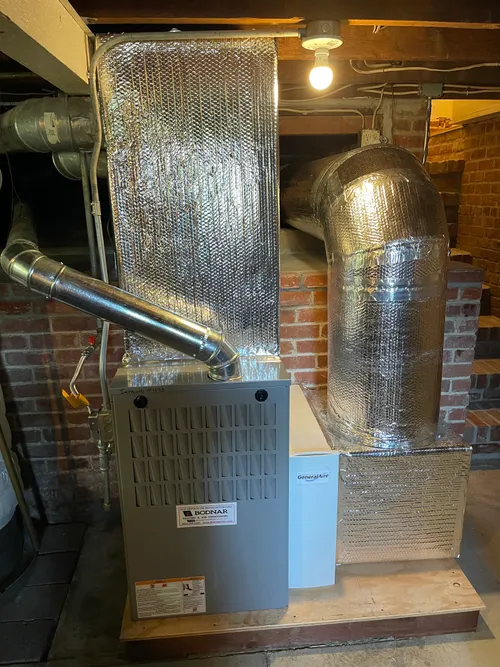
Bodnar Heating & Air Conditioning, Inc.
1251 Fifth Ave, Redwood City, CA 94063
Bodnar Heating & Air Conditioning, Inc. provides residential heating and cooling repair, installation, and maintenance services in Fremont, CA. They specialize in air conditioning, furnace, and heat pump systems, including thermostat installation and indoor air quality improvements. The company emphasizes honest recommendations without commission-based incentives and offers expertise backed by three generations of residential HVAC knowledge. Their services cover a broad area including Redwood City and nearby communities. Bodnar Heating & Air Conditioning, Inc. is committed to thorough system maintenance and proper installation to ensure long-lasting performance and energy efficiency.
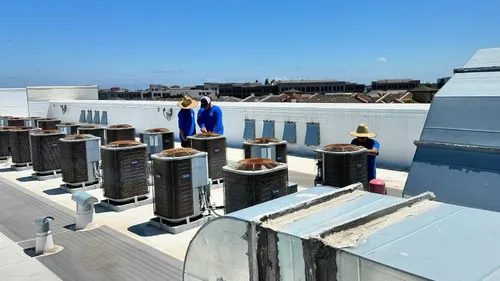
Precision Heating & Cooling
1557 Monterey Rd, San Jose, CA 95110
Precision Heating & Cooling is an HVAC installation contractor based in San Jose, CA. Serving both residential and commercial clients, they offer a wide range of services including remodeling, repair, and maintenance of heating and cooling systems. With over 20 years of experience since 2000, they handle projects of various sizes and manage all aspects from installation to regulatory compliance to ensure smooth project completion.
Understanding Your HVAC System Options
Choosing the right heating and cooling system for your Redwood City home depends on your existing infrastructure, comfort goals, and budget. The mild yet distinct seasons make certain technologies particularly advantageous.
Heat Pumps A heat pump is a versatile and highly efficient system that provides both heating and cooling by transferring heat rather than generating it. This technology is often encouraged by local incentives, such as those from the Bay Area Air Quality Management District, due to its lower environmental impact and excellent efficiency in the region's climate. Modern air-source heat pumps can effectively heat homes even on cooler Bay Area nights.
Ductless Mini-Split Systems For homes without existing ductwork, or for adding comfort to specific zones like a new addition or converted garage, ductless mini-splits are an ideal solution. These systems consist of an outdoor compressor unit connected to one or more indoor air handlers mounted on walls or ceilings. They offer exceptional zoned comfort control and can be more efficient than central systems because they avoid energy losses through ductwork.
Traditional Split Systems The most common setup for whole-home comfort is a traditional split system, which pairs a central air conditioner with a gas furnace. This combination leverages efficient electric cooling and powerful gas heating, making it a reliable choice for many homes with existing ductwork. The key is ensuring both components are properly sized and have high SEER (cooling) and AFUE (heating) efficiency ratings.
The HVAC Installation Process: A Step-by-Step Guide
A professional HVAC installation is a multi-day project that involves careful planning and precise execution. Understanding the steps can help you prepare your home and set realistic expectations.
1. Initial Site Evaluation and Planning The process begins with a thorough evaluation of your home by a qualified contractor. They will assess your current system, evaluate ductwork condition, calculate the necessary heating and cooling capacity (load calculation), and discuss your options. This is also when necessary permits are identified and pulled to ensure the work complies with Redwood City and California building codes.
2. Removal of the Old System Once the project starts, the old furnace, air conditioner, and potentially outdated ductwork are safely removed and disposed of. Proper disposal of refrigerants and other components is handled according to environmental regulations.
3. Installation of New Equipment The core of the project involves setting up the new equipment. For a split system, this includes installing the new outdoor condenser or heat pump unit and the indoor air handler or furnace. Connections are made to existing or new ductwork, electrical lines, refrigerant tubing, and the gas line (if applicable). For ductless systems, this step involves mounting the indoor units and running conduit to the outdoor compressor.
4. Ductwork and Electrical Updates If your new system requires new or modified ductwork, it will be installed and meticulously sealed during this phase to prevent energy loss. All electrical connections are made to code, and a new dedicated circuit may be installed for the outdoor unit. This step is crucial for both safety and system efficiency.
5. System Testing, Startup, and Commissioning The final and most critical step is system commissioning. The contractor will test all electrical connections, check refrigerant charge, verify gas pressure (for furnaces), and ensure the system operates within specified parameters. Your thermostat will be programmed, and you'll receive a walkthrough on how to operate your new system 1. Proper commissioning ensures optimal performance, efficiency, and longevity.
Find the perfect hvac installers for your needs
Get personalized recommendations and expert advice
Cost Considerations for a New HVAC System
The investment for a full HVAC system replacement in Redwood City varies widely based on system type, home size, and project complexity.
Base Cost Ranges For a complete whole-home system, homeowners can expect a general cost range of $10,000 to $25,000 or more 2 3. A basic air conditioner and furnace replacement may fall on the lower end, while a high-efficiency heat pump system with duct modifications or a multi-zone ductless system will trend toward the higher end.
Key Factors Influencing Price Several variables directly impact your final estimate:
- Home Size: Larger homes (a common size in the area is 1,500-2,000 sq ft) require larger capacity equipment.
- Equipment Efficiency: Systems with higher SEER (Seasonal Energy Efficiency Ratio) and AFUE (Annual Fuel Utilization Efficiency) ratings cost more upfront but offer greater long-term savings.
- Ductwork Condition: Modifying, repairing, or installing new ductwork adds significant labor and material costs.
- Labor Rates: Bay Area labor rates are a factor in the overall project cost.
Rebates and Incentives Leveraging available financial incentives is crucial for managing costs. Redwood City homeowners should explore:
- Federal Tax Credits: The Inflation Reduction Act offers tax credits for qualified high-efficiency heat pumps and other equipment.
- State of California Incentives: Programs through entities like TECH Clean California provide rebates for heat pumps.
- Local Rebates: The Bay Area Air Quality Management District (BAAQMD) and local utilities like Peninsula Clean Energy often have rebates for installing high-efficiency electric heat pumps and completing duct sealing 4. Always ask your contractor about the latest incentives.
Why Professional Installation Matters in Redwood City
A proper installation is just as important as the quality of the equipment you choose. An incorrectly installed system can lead to reduced efficiency, frequent breakdowns, poor comfort, and even safety hazards.
Ensuring Efficiency and Performance A professional installer follows manufacturer specifications and performs a precise load calculation to ensure your system is neither undersized (leading to constant running and poor comfort) nor oversized (leading to short cycling, humidity issues, and wear). Proper refrigerant charging and duct sealing are technical steps that directly impact your system's SEER rating and your monthly energy bills.
Navigating Local Codes and Permits Redwood City and California have specific codes governing HVAC work, especially concerning electrical connections, refrigerant handling, and gas piping. A licensed contractor will secure all required permits and schedule inspections, ensuring your installation is safe and legally compliant. This also protects your home's value and your eligibility for rebates.
Warranty Protection Most equipment manufacturers require professional installation by a certified technician to validate their warranty. DIY or unlicensed work can void the 10-year parts warranty that often comes with new systems, leaving you responsible for future repair costs.
Special Considerations for the Bay Area Climate
Your HVAC choices should address the specific environmental factors of living on the Peninsula.
Combating Rising Energy Costs With PG&E rates consistently among the highest in the nation, investing in a high-efficiency system is a strategic move for long-term savings. Focus on equipment with high SEER (16+) and HSPF (for heat pumps) ratings and pair it with a programmable or smart thermostat to optimize run times.
Addressing Indoor Air Quality Wildfire season has made air quality a top concern. When planning your installation, consider integrating advanced filtration systems, such as high-efficiency MERV 13 filters or whole-home air purifiers, to remove smoke particulates and other allergens from your indoor air 5. Properly sealed ductwork also prevents unfiltered air from being drawn into your home.
Planning for Project Timeline A full HVAC system replacement is not a one-day job. From the initial consultation to final inspection, the entire process can take one to five days or more of active work, depending on the system's complexity 6. Factors like permit acquisition, ductwork modifications, and electrical upgrades can extend the timeline. A reputable contractor will provide a clear schedule upfront.
Frequently asked questions
Sources
Footnotes
-
Step-by-Step HVAC Installation Guide - Carrier - https://www.carrier.com/residential/en/us/products/air-conditioners/hvac-installation/ ↩
-
Redwood City HVAC Installation & Maintenance - https://plumhvac.com/service-areas/redwood-city-ca-rfwji ↩
-
How Much Does an HVAC System Cost in California? - https://www.perfectstarhvac.com/how-much-does-an-hvac-system-cost-in-california/ ↩
-
New HVAC System Cost Calculator: Get a Custom Estimate in 2026 - https://modernize.com/hvac/cost-calculator ↩
-
Redwood City Air Condition - AC Repairs & Installation - https://www.carolflynn.com/redwood-city-air-conditioning/ ↩
-
How Long Does It Take To Replace Your HVAC System? - https://downeyplumbing.com/blog/how-long-does-it-take-to-replace-your-hvac-system/ ↩