Find the Best HVAC Installers for Your Business
No obligation • Fast responses • Nationwide coverage

Why you can trust HVAC Firms
HVAC Firms is a leading United States resource for evaluating HVAC service providers. Our team researches companies, checks credentials, and reviews customer feedback to present clear, unbiased information. Listings and rankings are based on merit, and companies cannot pay to change our editorial content.
Search providers near you
Top HVAC Installers in Redondo Beach, California Ranked
Upgrading your home's heating and cooling system is a significant investment that directly impacts your comfort, energy bills, and property value. In Redondo Beach, where the mild coastal climate meets specific California efficiency standards, choosing the right HVAC installation is crucial. This guide explains the different system options, the installation process, and key cost factors to help you make an informed decision when selecting a local provider for your air conditioning and heating needs.
Comfort Time Plumbing Heating & Cooling
8038 Freestone Ave, Santa Fe Springs, CA 90670
Comfort Time Plumbing Heating & Cooling is a family-owned company based in Los Angeles, CA, providing comprehensive HVAC and plumbing services for homes and businesses. They specialize in the repair and installation of air conditioning, furnaces, heat pumps, boilers, mini splits, and commercial refrigeration systems. Comfort Time Plumbing Heating & Cooling offers same-day service and uses advanced techniques such as trenchless sewer line replacement to address plumbing issues efficiently. Since 2008, they have served the local community with trained technicians who maintain up-to-date certifications and prioritize respect for customers' homes.
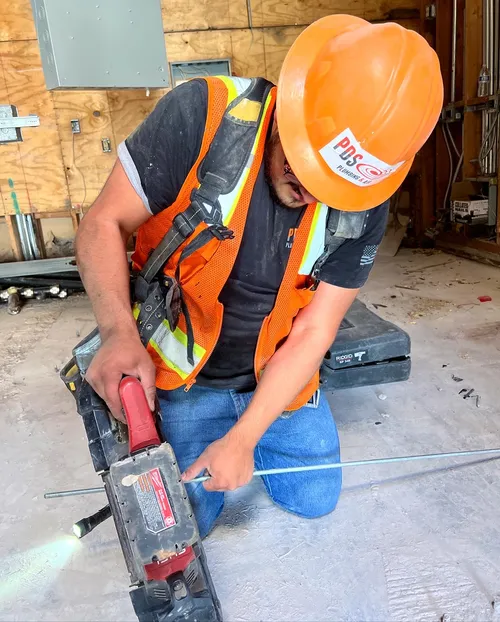
PDS Plumbing and Air
9706 Alondra Blvd, Bellflower, CA 90706
PDS Plumbing and Air is a veteran-owned company based in Bellflower, California, providing plumbing and HVAC services to Long Beach and nearby communities. They offer air conditioning installation and other home comfort solutions, focusing on skilled workmanship and safety. With decades of combined experience, the team handles plumbing and HVAC needs with expertise and a community-focused approach.
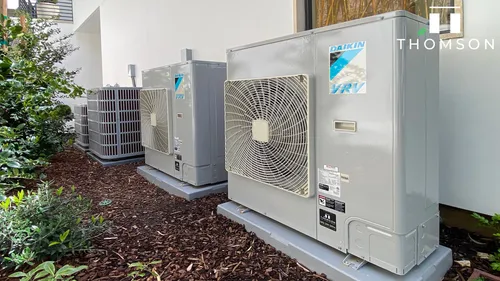
Thomson Air Conditioning & Heating
5731 McFadden Ave A, Huntington Beach, CA 92649
Thomson Air Conditioning & Heating provides HVAC repair, installation, and indoor air quality services in Long Beach, CA. They serve both residential and commercial customers across Southern California, offering solutions for air conditioning, heating, heat pumps, ductless systems, and HVAC tune-ups. Their team includes certified technicians who focus on honest recommendations and reliable workmanship. The company emphasizes transparent service without upselling and guarantees their labor for five years on repairs.
ASP Heating & Air Conditioning
6924 Canby Ave UNIT 108, Reseda, CA 91335
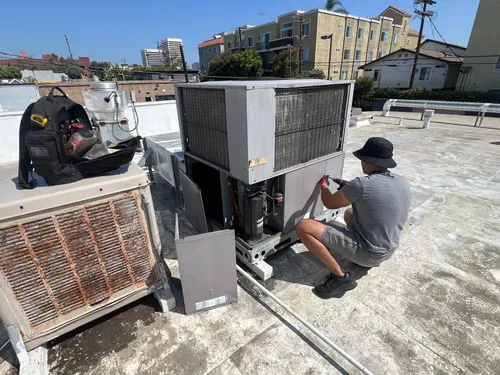
ASP Heating & Air Conditioning is an HVAC company serving Los Angeles, CA, with over 31 years of experience in the industry. They provide installation, repair, maintenance, and replacement services for commercial and residential HVAC systems, refrigeration equipment, and appliances. ASP Heating & Air Conditioning is known for handling complex HVAC and refrigeration projects, including commercial freezer repairs. The company offers 24/7 customer support and employs licensed and certified technicians to ensure quality service.
Fast Cool & Heat Inc.
7417 Woodman Ave, Van Nuys, CA 91405
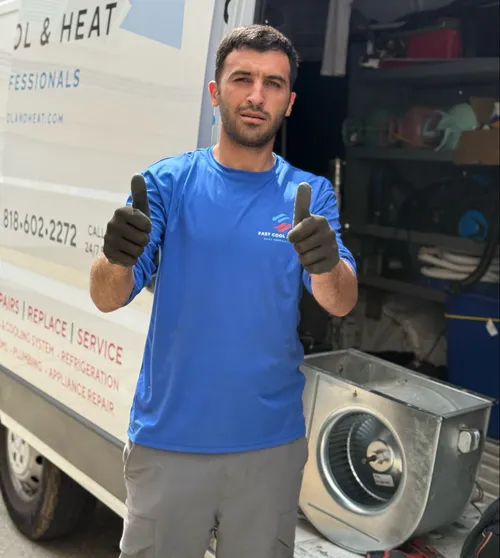
Fast Cool & Heat Inc. offers comprehensive HVAC installation and repair services in Los Angeles, CA. They specialize in heating, ventilation, and air conditioning solutions, including furnace, heat pump, central AC, and ductless mini-split systems. Their certified technicians provide custom installations and maintenance designed for efficiency and long-term performance. The company focuses on energy-efficient systems suited for the local climate and supports both residential and commercial properties.
Understanding Your HVAC System Options
Selecting the right type of system is the first step toward year-round comfort in your home. The coastal climate of Redondo Beach offers unique opportunities for efficient heating and cooling solutions.
Split System (Gas Furnace + Air Conditioner)
This is the traditional and most common setup in many Southern California homes. It combines a gas furnace for heating with a separate electric air conditioner for cooling. This system is a reliable choice for homeowners who want powerful, fast heating during cooler evenings and effective cooling on warmer days. It utilizes existing natural gas lines and is well-suited for homes with pre-existing ductwork.
Heat Pump System
An increasingly popular choice for Redondo Beach, a heat pump is an all-electric system that provides both heating and cooling. It works by transferring heat, moving it indoors during winter and outdoors during summer. Because of our relatively mild climate, heat pumps operate with exceptional efficiency here and often qualify for significant utility rebates and federal tax credits. This makes them a cost-effective and environmentally friendly option over the long term.
Ductless Mini-Split Systems
Ideal for homes without existing ductwork or for adding comfort to specific zones like sunrooms, garages, or additions, ductless mini-splits offer flexible, targeted climate control. These systems consist of an outdoor compressor unit connected to one or more quiet, wall-mounted indoor air handlers. They provide independent temperature control for different rooms and can be a great solution for older homes where installing ducts is impractical or too costly.
The HVAC Installation Process: What to Expect
A professional HVAC installation is a multi-step process designed to ensure safety, efficiency, and long-term reliability. Understanding this timeline can help you plan accordingly.
1. Initial Assessment and System Design A qualified contractor will visit your home to perform a detailed load calculation. This assesses your home's size, insulation, window placement, and other factors to determine the precise size (in tons) of equipment needed. An undersized system will struggle, while an oversized one will cycle on and off too frequently, reducing efficiency and comfort. The contractor will then design the system, select equipment, and pull any required local permits, which can take 1-2 days.
2. Preparation and Removal On installation day, the crew will prepare the work area, protecting your floors and furnishings. The old heating and cooling equipment, and any compromised ductwork, will be carefully removed and disposed of properly. This stage typically takes about one day 1.
3. Installation of New Equipment This is the core phase where the new system is put in place. It involves setting the outdoor condenser/heat pump unit, installing the indoor air handler or furnace, running new refrigerant lines, and integrating electrical connections. If new or modified ductwork is part of the project, that work is completed during this time. For a full system replacement, this stage generally takes 1-2 days.
4. System Testing, Balancing, and Orientation Once installed, the system is charged with refrigerant, all electrical connections are verified, and the entire system is started and tested for proper operation. The technician will balance airflow across the vents, check for leaks, and ensure the thermostat is correctly calibrated. Finally, they will walk you through the basic operation of your new system and explain maintenance tips. This final testing and orientation usually takes half a day.
In total, homeowners in Redondo Beach should expect a full HVAC system replacement to take 2 to 4 days or more, with additional time if significant ductwork modifications or repairs are necessary 2 3.
Find the perfect hvac installers for your needs
Get personalized recommendations and expert advice
Key Factors Influencing Installation Cost
The cost for a new HVAC system in Redondo Beach can vary widely, typically ranging from $6,000 for a basic air conditioner replacement to over $25,000 for a high-efficiency, multi-zone heat pump system with ductwork modifications 4 5. Several primary factors determine where your project will fall within this range.
- System Type and Size: The choice between a standard split system, a heat pump, or ductless mini-splits has a major cost impact. Furthermore, the correctly calculated size (measured in tons) is critical; larger capacity units cost more.
- Energy Efficiency Ratings: Higher efficiency means a higher upfront cost but lower monthly utility bills. For air conditioners and heat pumps, look for the SEER2 (Seasonal Energy Efficiency Ratio) rating; for heat pumps in heating mode, the HSPF (Heating Seasonal Performance Factor) is key. California has minimum efficiency standards, but opting for equipment above these minimums can offer better savings.
- Equipment Brand and Features: Premium brands and models with advanced features (like variable-speed compressors or smart thermostat integration) command higher prices.
- Ductwork Condition: Existing ductwork may need sealing, modifications, or complete replacement, which adds significantly to labor and material costs.
- Labor and Complexity: The accessibility of installation sites (attic, crawlspace), local permit fees, and the overall complexity of the job affect the final labor charge.
Maximizing Value with Rebates and Incentives
A critical step in planning your HVAC installation is researching available financial incentives, which can substantially reduce your net cost.
- Federal Tax Credits: The Inflation Reduction Act offers tax credits for qualifying high-efficiency heat pumps and other HVAC equipment. This can directly reduce the amount of tax you owe 6.
- Local Utility Rebates: Southern California Gas Company (SoCalGas) and Southern California Edison (SCE) frequently offer rebate programs for upgrading to high-efficiency natural gas furnaces, heat pumps, and whole-house fans. These are often point-of-sale discounts or mail-in rebates.
- Special Financing: Many HVAC contractors partner with lenders to offer special financing options with competitive rates, making it easier to manage the upfront investment in a new system.
Always ask your local Redondo Beach HVAC contractor about current incentives during your consultation, as programs and amounts change regularly.
Choosing the Right Local HVAC Installer
Beyond cost and equipment, the quality of the installation is paramount. A perfect system installed poorly will not perform efficiently or last as long. Look for a provider that is licensed, bonded, and insured in California. Check for positive reviews specific to installation work and ask for references. A reputable contractor will perform a manual load calculation, provide a detailed written estimate, explain permit responsibilities, and offer a strong warranty on both parts and labor.
Frequently asked questions
Sources
Footnotes
-
Heating System Replacement In Los Angeles - https://trchvacla.com/hvac-services/heating-services/heating-replacement/ ↩
-
Heating and Air Conditioning Installation in Redondo Beach, CA - https://www.homedepot.com/services/l/ca/redondo-beach/heating-air-conditioning-installation/c16fbb4b7 ↩
-
Step-by-Step HVAC Installation Guide - Carrier - https://www.carrier.com/residential/en/us/products/air-conditioners/hvac-installation/ ↩
-
How Much Does an HVAC System Cost in California? - https://www.perfectstarhvac.com/how-much-does-an-hvac-system-cost-in-california/ ↩
-
What's the Cost to Install an Air Conditioner in Southern ... - https://www.burgesons.com/blog/whats-the-cost-to-install-an-air-conditioner-in-southern-california ↩
-
What Are the Latest California HVAC Regulations? - https://nexgenairandplumbing.com/blog/what-are-the-latest-california-hvac-regulations/ ↩