Find the Best HVAC Installers for Your Business
No obligation • Fast responses • Nationwide coverage

Why you can trust HVAC Firms
HVAC Firms is a leading United States resource for evaluating HVAC service providers. Our team researches companies, checks credentials, and reviews customer feedback to present clear, unbiased information. Listings and rankings are based on merit, and companies cannot pay to change our editorial content.
Search providers near you
Top HVAC Installers in Moreno Valley, California Ranked
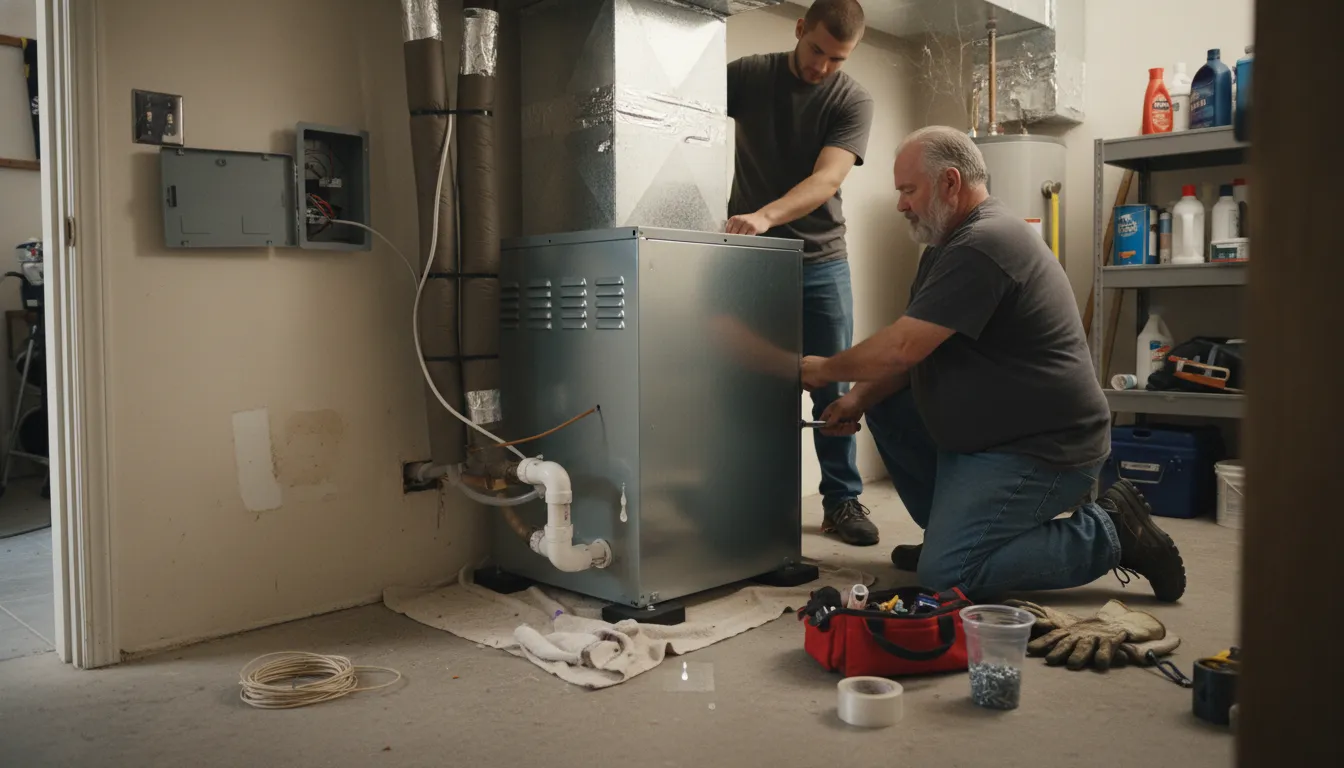
Installing a new heating and cooling system is a significant investment in your home's comfort, efficiency, and value. In Moreno Valley's climate, where hot summers are the norm, a properly sized and installed HVAC system is essential for maintaining a pleasant indoor environment year-round. This guide will help you understand the process, options, and key considerations for HVAC system installation in the area, empowering you to make informed decisions when selecting a local service provider for your project.
MSP HEATING AND AIR CONDITIONING
2932 Rubidoux Blvd Suite B, Jurupa Valley, CA 92509
MSP HEATING AND AIR CONDITIONING is an HVAC company based in Riverside, CA, offering repair, installation, and maintenance services for air conditioning, furnaces, heat pumps, and indoor air quality systems. Serving Riverside County and parts of San Bernardino County, they provide certified expertise including heat exchange, NATE, EPA 608, and indoor air quality certifications. With over a decade of experience, MSP HEATING AND AIR CONDITIONING focuses on preventing issues through regular maintenance and delivering prompt repairs when needed. They also offer 24/7 availability for emergency HVAC services.
Year Round Heating & Air Conditioning
10444 Corporate Dr Unit A-B, Redlands, CA 92374
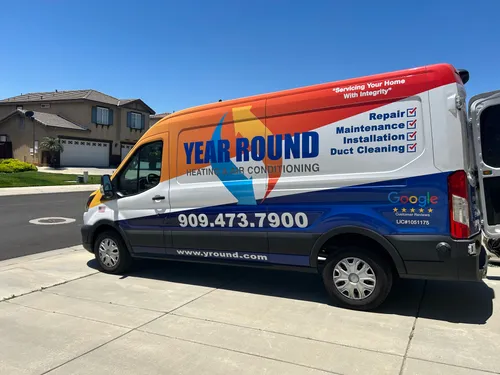
Year Round Heating & Air Conditioning provides comprehensive HVAC services in Riverside, CA, including air conditioning and furnace repair, installation, maintenance, and indoor air quality solutions. As a Lennox Dealer, the company offers skilled technicians who handle a variety of heating and cooling systems, ensuring accurate and efficient service. Established in 2016, Year Round Heating & Air Conditioning also offers emergency response services and financing options for repairs and installations.
Hush Air Heating & Air Conditioning
21790 Van Buren Boulevard Ste 104, Riverside, CA 92518
Hush Air Heating & Air Conditioning is a full-service HVAC company based in Riverside, CA. They offer a range of services including air conditioning and heat pump repair, installation of central AC systems, ductless mini splits, and heat pumps. The company also provides indoor air quality evaluations and installs whole-house air filtration and purification systems to improve home environments. Additionally, they service tankless water heaters and offer routine HVAC maintenance to ensure system efficiency and reliability.
Direct AC
502 Chaney St STE L, Lake Elsinore, CA 92530
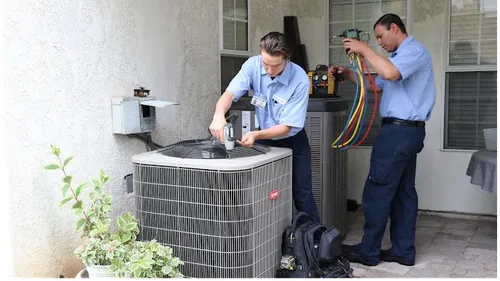
Direct AC is an HVAC company serving Irvine, CA, and the surrounding Southern California region. They provide a range of services including air conditioning, furnace, and heat pump repair and installation, as well as indoor air quality solutions. Their team handles residential and commercial HVAC needs with a focus on maintaining healthy indoor environments. Direct AC operates throughout the Inland Empire, North San Diego County, and South Orange County, offering expertise in system tune-ups and repairs. The company emphasizes quality workmanship backed by years of experience in Riverside County.
Direct AC
4199 Flat Rock Rd #126, Riverside, CA 92505
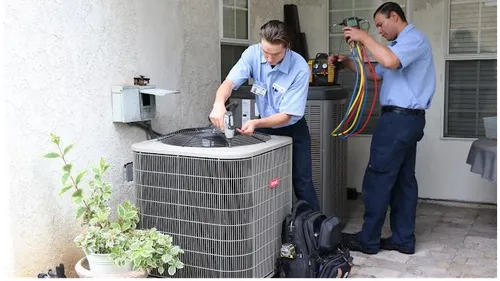
Direct AC is an HVAC contractor based in Riverside, CA, serving the Inland Empire, North San Diego County, and South Orange County. They provide air conditioning, heating, heat pump, and indoor air quality services for both residential and commercial customers. Their capabilities include AC repair, furnace and heat pump installation, and HVAC tune-ups. With years of experience addressing the unique heating and cooling needs of Riverside County residents, Direct AC focuses on maintaining healthy indoor environments. They offer priority service through a Comfort Club membership and provide free second opinions on system replacements.
Understanding Your HVAC System Options
Choosing the right type of system is the first critical step in your installation journey. The most common configuration for Moreno Valley homes is a central air conditioning and furnace combo. This system pairs an outdoor AC condenser with an indoor evaporator coil and a gas or electric furnace, providing robust cooling for summer and reliable heating for milder winter periods. Brands like Rheem and Goodman are frequently installed locally due to their availability and reliability.
An increasingly popular and efficient alternative is a heat pump. Unlike a standard AC/furnace setup, a heat pump provides both heating and cooling in one unit by transferring heat rather than generating it. This can lead to substantial energy savings, especially in a climate like Moreno Valley's where extreme cold is less common 1. When evaluating any system, pay close attention to the SEER (Seasonal Energy Efficiency Ratio) rating for cooling efficiency. A higher SEER rating means lower energy consumption during our long cooling seasons, which can translate to meaningful savings on your utility bills from Moreno Valley Utility (MVU).
The HVAC Installation Process: A Step-by-Step Breakdown
A professional HVAC installation is a multi-stage process designed to ensure safety, compliance, and optimal performance. Here's what you can typically expect:
- Site Evaluation & Load Calculation: A qualified technician will assess your home's size, insulation, window placement, and existing ductwork. They perform a load calculation to determine the precise capacity (in tons) needed to heat and cool your space efficiently-avoiding systems that are too large or too small.
- Permitting: Reputable contractors will handle pulling the necessary permits from the City of Moreno Valley. This step ensures the installation meets all local building and safety codes.
- Removal of Old Equipment: The existing furnace, air handler, and outdoor condenser are safely disconnected, with refrigerant properly recovered, and removed from the premises.
- New System Installation: This core phase involves installing the new indoor furnace or air handler, evaporator coil, outdoor condenser, and a modern thermostat. All components are securely mounted and connected.
- Ductwork Assessment & Sealing: The installer will inspect your home's ductwork for leaks, damage, or inadequate sizing. Sealing and insulating ducts is a crucial, often overlooked, step that can dramatically improve system efficiency and comfort.
- Electrical & Control Wiring: New electrical connections are made to the outdoor unit and indoor air handler. The thermostat is wired or configured for wireless communication to control the entire system 2.
- System Testing & Startup: Finally, the technician will start the system, check refrigerant levels, measure airflow, verify thermostat operation, and ensure all safety controls are functioning correctly. They should also review basic operation with you 3.
Timeline and Investment
For a standard full-system replacement, you should plan for the installation to take 1 to 5 days, depending on the complexity. A straightforward swap of existing equipment might be completed in a single day, while jobs requiring new ductwork runs or significant electrical updates will take longer 4.
The cost for a complete heating and cooling system installation in the Moreno Valley region typically ranges from $7,000 to $15,000 or more5 6. This wide range is influenced by several key factors:
- System Type & Efficiency: High-efficiency units (with higher SEER ratings) and advanced systems like heat pumps have a higher upfront cost but offer lower operating expenses.
- Equipment Brand: Pricing varies between manufacturers.
- Ductwork Modifications: If your home needs new ductwork, repairs, or sealing, this will add to the project cost and timeline.
- Local Labor Rates: These are standard for the Southern California market.
Find the perfect hvac installers for your needs
Get personalized recommendations and expert advice
Key Local Considerations for Moreno Valley Homeowners
Several local factors make HVAC installation in Moreno Valley unique. Primarily, the high demand for cooling means prioritizing a system with a strong efficiency rating (SEER) is a smart long-term financial decision, as it will combat the summer heat while keeping energy bills manageable.
California has specific refrigerant regulations aimed at protecting the environment. As of January 1, 2025, all new residential AC and heat pump systems must use lower-GWP (Global Warming Potential) refrigerants. A licensed professional will ensure your new system is compliant with these state mandates 7.
Most importantly, explore local utility incentives. The Moreno Valley Utility (MVU) offers various Energy Efficient Programs. These can include rebates for upgrading to high-efficiency equipment, as well as comprehensive programs for income-qualified residents that may cover energy audits, weatherization, and even free HVAC maintenance or upgrades. Always ask your installer about available rebates or check the MVU website directly during your planning phase.
Maintaining Your New System
Once your new system is installed, protect your investment with regular maintenance. An annual tune-up, typically performed in the spring for AC and fall for heating, is recommended. This service includes cleaning coils, checking refrigerant levels, inspecting electrical components, and ensuring the system is operating at peak efficiency. Proper maintenance not only extends the lifespan of your equipment but also helps it run more efficiently, saving you money and preventing unexpected breakdowns.
Choosing the right contractor is as important as choosing the right equipment. Look for licensed, insured professionals with strong local references and experience installing systems in homes similar to yours. They should be willing to conduct a thorough home evaluation, explain your options clearly, and provide a detailed, written estimate that outlines all costs, equipment models, and the scope of work.
Frequently asked questions
Sources
Footnotes
-
Heating and Air Conditioning Installation in Moreno Valley, CA - https://www.homedepot.com/services/l/ca/moreno-valley/heating-air-conditioning-installation/c16fbb4b7 ↩
-
Main Components of an HVAC System | Key Parts Explained - https://www.kjheatingandair.com/main-components-of-hvac-systems ↩
-
Step-by-Step HVAC Installation Guide - Carrier - https://www.carrier.com/residential/en/us/products/air-conditioners/hvac-installation/ ↩
-
How Long Does It Take To Replace Your HVAC System? - https://downeyplumbing.com/blog/how-long-does-it-take-to-replace-your-hvac-system/ ↩
-
MVU Energy Efficient Programs Brochure - City of Moreno Valley - https://www.moval.org/mvu/pdfs/MVUEnergyEfficiencyPrograms.pdf ↩
-
How Much Does it Cost To Replace HVAC in Riverside, CA? - https://seanpatrickhvac.com/blog/ac-installation-2/how-much-does-it-cost-to-replace-hvac-in-riverside-ca/ ↩
-
What Are the Latest California HVAC Regulations? - https://nexgenairandplumbing.com/blog/what-are-the-latest-california-hvac-regulations/ ↩