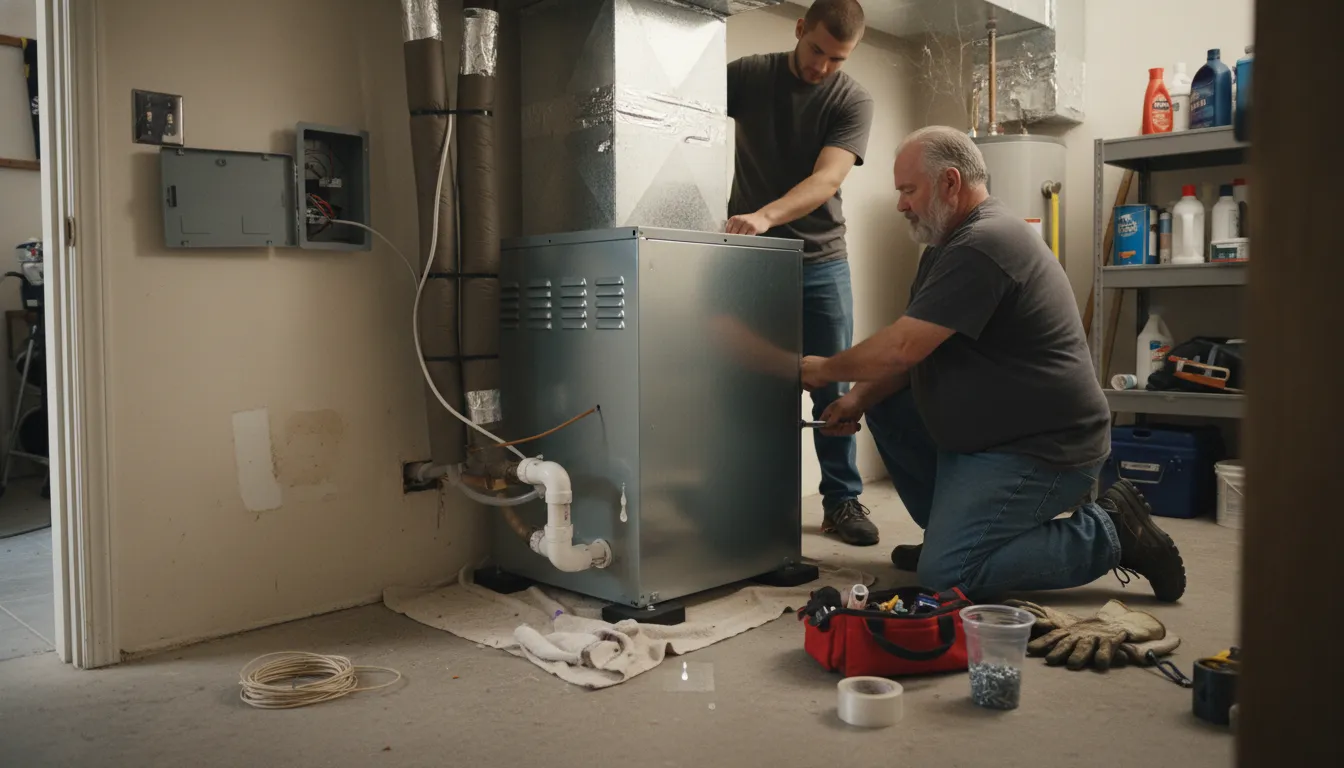
Find the Best HVAC Installers for Your Business
No obligation • Fast responses • Nationwide coverage

Why you can trust HVAC Firms
HVAC Firms is a leading United States resource for evaluating HVAC service providers. Our team researches companies, checks credentials, and reviews customer feedback to present clear, unbiased information. Listings and rankings are based on merit, and companies cannot pay to change our editorial content.
Search providers near you
Top HVAC Installers in Garden Grove, California Ranked
Upgrading your home's heating and cooling system is a significant investment in comfort, energy savings, and property value. For Garden Grove residents, navigating the options for a new HVAC system involves understanding the latest high-efficiency technologies, state regulations, and available financial incentives. This guide explains the key aspects of the installation process, from choosing the right system to final inspection, helping you connect with qualified local professionals who can ensure your project meets all standards for performance and efficiency.

All City Plumbing, Air & Electrical
5612 E La Palma Ave, Anaheim, CA 92807
All City Plumbing, Air & Electrical is a full-service provider based in Anaheim, CA, offering plumbing, HVAC, and electrical services. They serve residential and commercial customers with repair, installation, and maintenance for air conditioning, furnaces, thermostats, and indoor air quality systems. The company is known for its ACE-certified technicians and uses advanced technology such as hydro jetting for plumbing services. With over 13 years in business, All City Plumbing, Air & Electrical provides 24/7 emergency service to address urgent HVAC and plumbing needs.
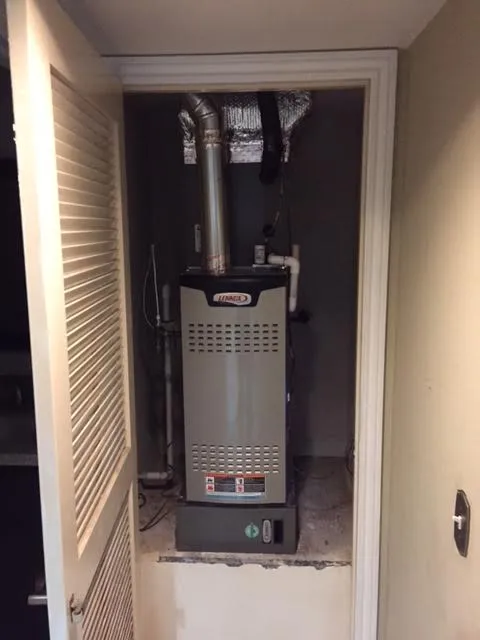
1st Choice Heating & Air Conditioning, Inc.
23372 Madero Suite B, Mission Viejo, CA 92691
1st Choice Heating & Air Conditioning, Inc. provides a wide range of HVAC services in Anaheim, CA. Their offerings include installation, repair, and maintenance of air conditioners, furnaces, heat pumps, mini-split systems, and thermostats, along with indoor air quality solutions. As a Lennox Premier Dealer and recipient of the Centurion Award, they specialize in Lennox products and deliver energy-efficient heating and cooling systems. Their technicians are trained to handle various HVAC needs, from tune-ups to system replacements, ensuring comfort throughout the year.
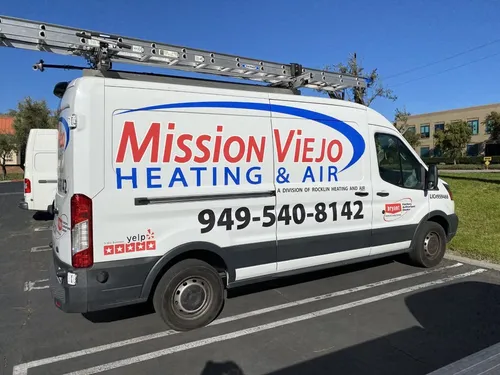
Mission Viejo Heating & Air
22600 Lambert St Suite 1101, Lake Forest, CA 92630
Mission Viejo Heating & Air provides heating and air conditioning repair and installation services in Long Beach, CA. They offer tailored HVAC solutions for homes and businesses, focusing on energy efficiency and durability. The company is available seven days a week to assist with heating and AC repairs and installations, ensuring customer comfort throughout the year.
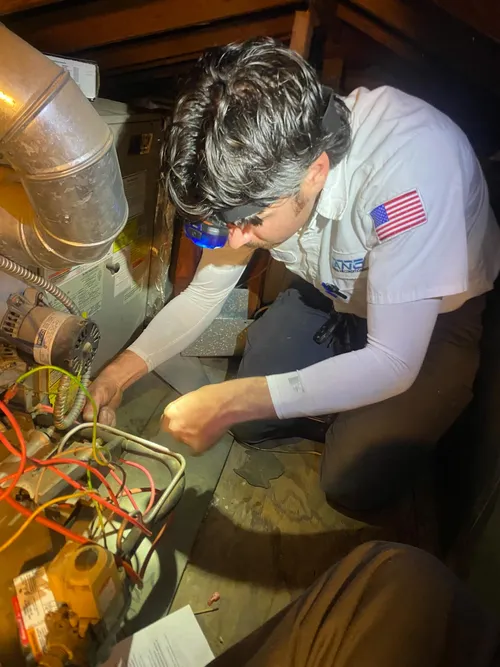
Sano Heating & Air Conditioning
5546 E La Palma Ave, Anaheim, CA 92807
Sano Heating & Air Conditioning is an HVAC company based in Anaheim, CA, providing a range of heating and cooling services. They offer repair and installation for air conditioners, furnaces, heat pumps, mini splits, and perform HVAC tune-ups. The company also specializes in indoor air quality solutions and energy-efficient options like ductless and zoned systems. Serving Anaheim and the surrounding Orange County area, they handle new construction projects and have sheet metal capabilities to support their HVAC services.
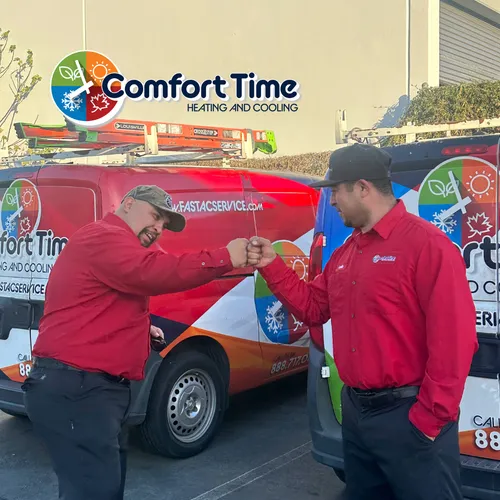
Comfort Time Plumbing Heating & Cooling
8038 Freestone Ave, Santa Fe Springs, CA 90670
Comfort Time Plumbing Heating & Cooling is a family-owned company based in Los Angeles, CA, providing comprehensive HVAC and plumbing services for homes and businesses. They specialize in the repair and installation of air conditioning, furnaces, heat pumps, boilers, mini splits, and commercial refrigeration systems. Comfort Time Plumbing Heating & Cooling offers same-day service and uses advanced techniques such as trenchless sewer line replacement to address plumbing issues efficiently. Since 2008, they have served the local community with trained technicians who maintain up-to-date certifications and prioritize respect for customers' homes.
Understanding Your HVAC System Options
Modern climate control systems are far more efficient and versatile than older models. When planning a new installation in Garden Grove, you'll primarily consider three types of systems, each with distinct advantages for Southern California's climate.
High-Efficiency Heat Pumps are increasingly popular for their dual heating and cooling capability. They work by transferring heat rather than generating it, making them exceptionally efficient in Garden Grove's mild winters. You can choose between ducted systems, which use existing ductwork, or ductless mini-split systems for zoned comfort in specific rooms or additions. California regulations now require these systems to use low Global Warming Potential (GWP) refrigerants, a standard all new installations must meet. 1
Traditional Split Systems, pairing a high-efficiency air conditioner with a gas furnace, remain a reliable choice. The key is to look for high SEER2 ratings for cooling efficiency and high AFUE ratings for heating efficiency. This combination is ideal for homes with existing ductwork that experience slightly cooler evenings where efficient gas heat is desirable.
Ductless Mini-Split Systems are perfect for homes without ductwork, room additions, or for creating independent temperature zones. These systems consist of an outdoor compressor unit connected to one or more indoor air handlers, offering flexible installation and targeted comfort control.
The Step-by-Step Installation Process
A professional HVAC replacement or new installation follows a structured path to ensure safety, compliance, and optimal system performance.
- Initial Consultation and Load Calculation: A reputable contractor will visit your home to assess your needs. The most critical step here is performing a Manual J load calculation. This engineering assessment determines the exact heating and cooling capacity your home requires based on its size, insulation, windows, and orientation. Proper sizing is essential for efficiency, comfort, and system longevity-an oversized or undersized unit will cause problems.
- System Selection and Rebate Pre-Approval: Based on the load calculation, your contractor will recommend suitable systems. This is the time to discuss available rebates and incentives from state programs like the Cool California Home Fund or local utilities (SoCalGas, SCE). Your contractor can often help with the pre-approval process for these incentives, which are crucial for offsetting the overall cost.
- Permitting: Your HVAC professional will handle pulling the necessary permits from the City of Garden Grove. This ensures the installation will be inspected and must comply with all California building and mechanical codes, including the latest efficiency and refrigerant standards.
- Removal and Installation: On installation day, the old system and any compromised ductwork are safely removed. The new outdoor and indoor units are then positioned, along with new refrigerant lines, electrical connections, thermostat, and any new ductwork or sealing. A full system replacement typically takes 1 to 3 days, with more time needed for extensive duct modifications. 2
- Testing and Inspection: After installation, the system is charged with refrigerant, started, and tested for proper operation and airflow. A city inspector will then visit to verify the work meets code. Finally, your contractor will perform a final walk-through, explaining your new system's operation and maintenance schedule. 3
Cost Considerations and Financial Incentives
The total investment for a new heating and air conditioning system in Garden Grove varies widely based on system type, home size, and project complexity.
Typical Cost Range: For a complete system replacement in a typical Garden Grove home (1,500 to 3,000 square feet), homeowners can expect costs generally ranging from $7,500 to over $20,000. This range accounts for the equipment (high-efficiency heat pump, AC/furnace combo, or ductless system) and the labor for installation. The final price is significantly influenced by whether new ductwork, electrical upgrades, or complex zoning is required. 4
The Impact of Rebates: Fortunately, substantial rebates can dramatically reduce your net cost. California actively promotes the adoption of clean, efficient technology. Through programs administered by the California Air Resources Board (CARB) and local utilities, rebates for qualifying high-efficiency systems can range from $2,000 to $8,000 or more. 5 6 These incentives make advanced systems like heat pumps more accessible and improve the return on investment through lower monthly energy bills.
Find the perfect hvac installers for your needs
Get personalized recommendations and expert advice
Key Regulations for Garden Grove Installations
Staying compliant is not just about permits; it's about installing systems that meet California's forward-thinking environmental and efficiency standards.
- Minimum Efficiency Ratings: The state sets mandatory minimum SEER2 (Seasonal Energy Efficiency Ratio) for air conditioners and heat pumps, and AFUE (Annual Fuel Utilization Efficiency) for furnaces. Installing a system below these ratings is not permitted. High-efficiency models that exceed these minimums are what qualify for rebates. 7
- Refrigerant Phase-Down: To combat climate change, California has adopted stricter rules than the federal government regarding refrigerants. New systems must use approved low-GWP refrigerants, and technicians must be certified to handle them. Your contractor will ensure your new equipment is fully compliant.
- Proper Sizing (Manual J): While not a "regulation" in the traditional sense, building codes and industry standards require that systems be sized according to ACCA Manual J calculations. This prevents the significant energy waste and comfort issues caused by improperly sized equipment.
Choosing the Right Local Professional
Your contractor is your guide through this entire process. Look for a licensed, insured professional with extensive experience installing the type of system you want. They should proactively discuss the Manual J calculation, explain permit and inspection timelines, and be knowledgeable about current rebate programs. Check for positive local reviews and ask for references from recent installations similar to yours. A trustworthy expert will provide a detailed, written estimate that breaks down equipment, labor, and any ancillary costs, ensuring there are no surprises.
Maintaining Your New System
Once your new system is installed, protect your investment with regular maintenance. This includes changing air filters monthly, keeping the outdoor unit clear of debris, and scheduling annual professional tune-ups. A well-maintained system operates more efficiently, has a longer lifespan, and maintains better indoor air quality. Many contractors offer maintenance plans to provide regular service and priority scheduling.
Frequently asked questions
Sources
Footnotes
-
Main Components of an HVAC System | Key Parts Explained - https://www.kjheatingandair.com/main-components-of-hvac-systems ↩
-
How Long Does It Take To Replace Your HVAC System? - https://downeyplumbing.com/blog/how-long-does-it-take-to-replace-your-hvac-system/ ↩
-
Step-by-Step HVAC Installation Guide - Carrier - https://www.carrier.com/residential/en/us/products/air-conditioners/hvac-installation/ ↩
-
HVAC Installation Cost in California | Air & Plumbing Inc. - https://airandplumbing.com/how-much-does-hvac-installation-cost-in-california/ ↩
-
2025-2026 Guide on HVAC Replacement Cost in Orange ... - https://www.jmartiniaq.com/blog/how-much-does-hvac-replacement-cost-in-orange-county-in-2025-2026 ↩
-
New HVAC System Cost Calculator: Get a Custom Estimate in 2026 - https://modernize.com/hvac/cost-calculator ↩
-
What Are the Latest California HVAC Regulations? - https://nexgenairandplumbing.com/blog/what-are-the-latest-california-hvac-regulations/ ↩