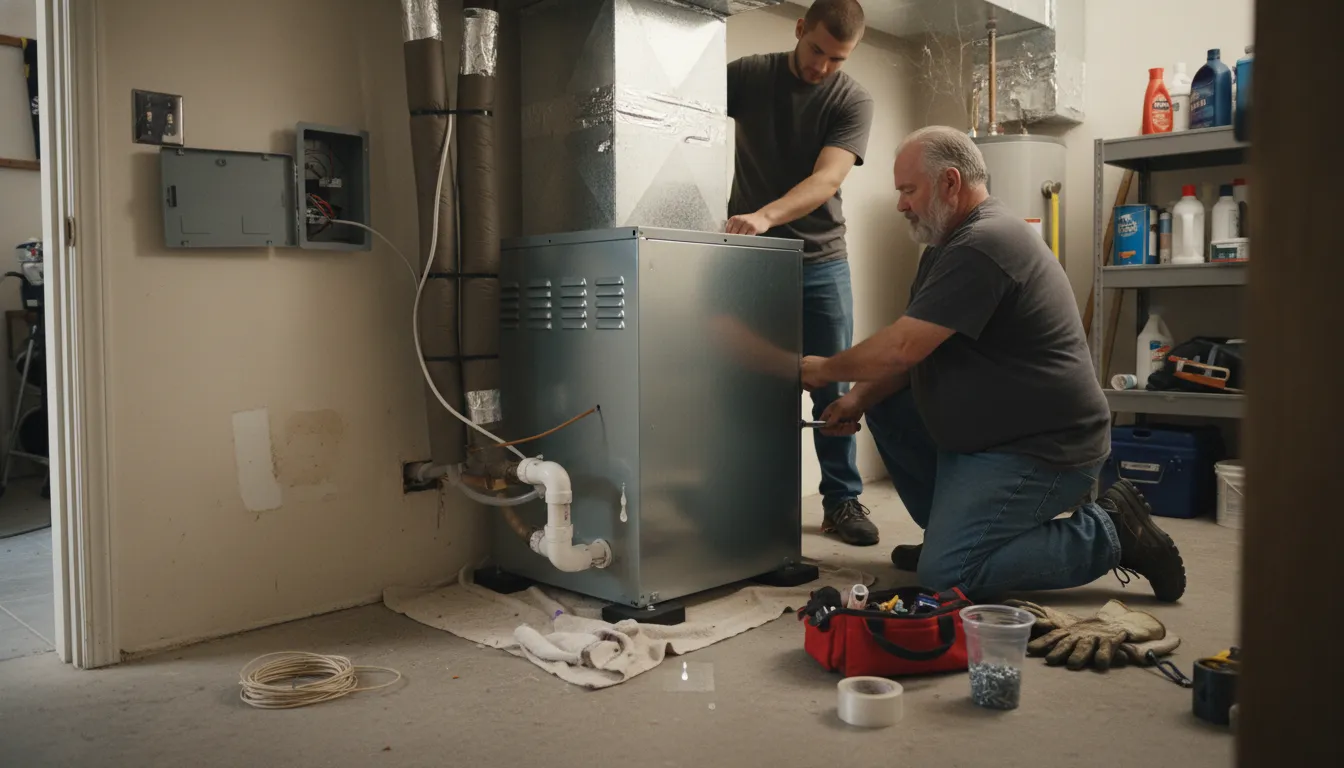
Find the Best HVAC Installers for Your Business
No obligation • Fast responses • Nationwide coverage

Why you can trust HVAC Firms
HVAC Firms is a leading United States resource for evaluating HVAC service providers. Our team researches companies, checks credentials, and reviews customer feedback to present clear, unbiased information. Listings and rankings are based on merit, and companies cannot pay to change our editorial content.
Search providers near you
Top HVAC Installers in Fountain Valley, California Ranked
Installing a new heating, ventilation, and air conditioning system is a significant investment in your home's comfort, efficiency, and value. In Fountain Valley's climate, a properly sized and installed system is essential for year-round comfort and managing energy costs. This guide will help you understand the local considerations, from system types and costs to the installation process and important California regulations, so you can make an informed decision when selecting a local provider for your HVAC project.
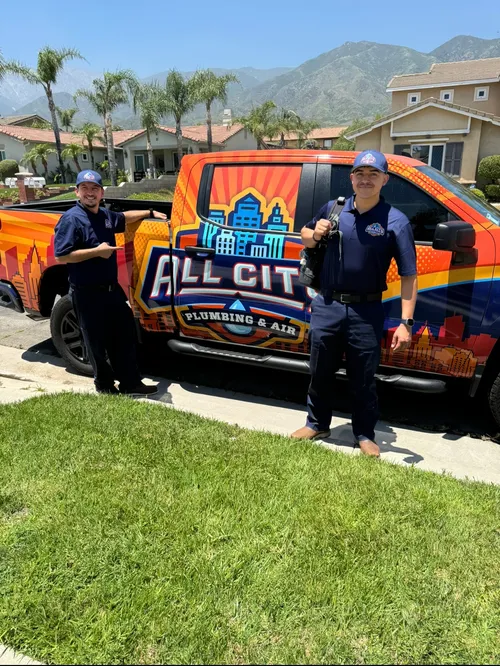
All City Plumbing, Air & Electrical
5612 E La Palma Ave, Anaheim, CA 92807
All City Plumbing, Air & Electrical is a full-service provider based in Anaheim, CA, offering plumbing, HVAC, and electrical services. They serve residential and commercial customers with repair, installation, and maintenance for air conditioning, furnaces, thermostats, and indoor air quality systems. The company is known for its ACE-certified technicians and uses advanced technology such as hydro jetting for plumbing services. With over 13 years in business, All City Plumbing, Air & Electrical provides 24/7 emergency service to address urgent HVAC and plumbing needs.
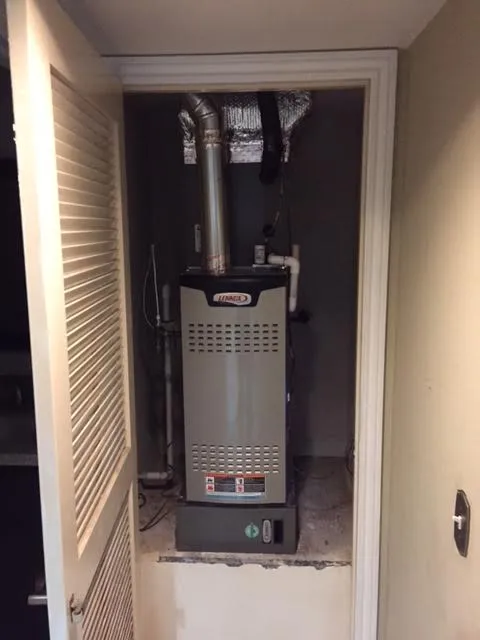
1st Choice Heating & Air Conditioning, Inc.
23372 Madero Suite B, Mission Viejo, CA 92691
1st Choice Heating & Air Conditioning, Inc. provides a wide range of HVAC services in Anaheim, CA. Their offerings include installation, repair, and maintenance of air conditioners, furnaces, heat pumps, mini-split systems, and thermostats, along with indoor air quality solutions. As a Lennox Premier Dealer and recipient of the Centurion Award, they specialize in Lennox products and deliver energy-efficient heating and cooling systems. Their technicians are trained to handle various HVAC needs, from tune-ups to system replacements, ensuring comfort throughout the year.
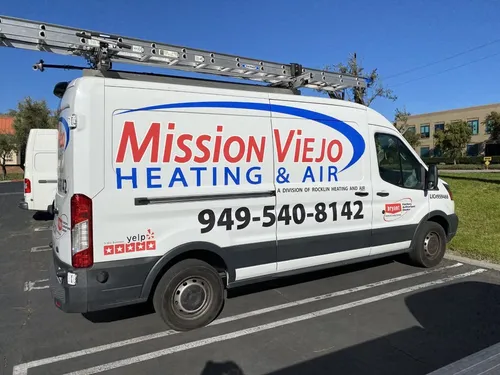
Mission Viejo Heating & Air
22600 Lambert St Suite 1101, Lake Forest, CA 92630
Mission Viejo Heating & Air provides heating and air conditioning repair and installation services in Long Beach, CA. They offer tailored HVAC solutions for homes and businesses, focusing on energy efficiency and durability. The company is available seven days a week to assist with heating and AC repairs and installations, ensuring customer comfort throughout the year.
Sano Heating & Air Conditioning
5546 E La Palma Ave, Anaheim, CA 92807
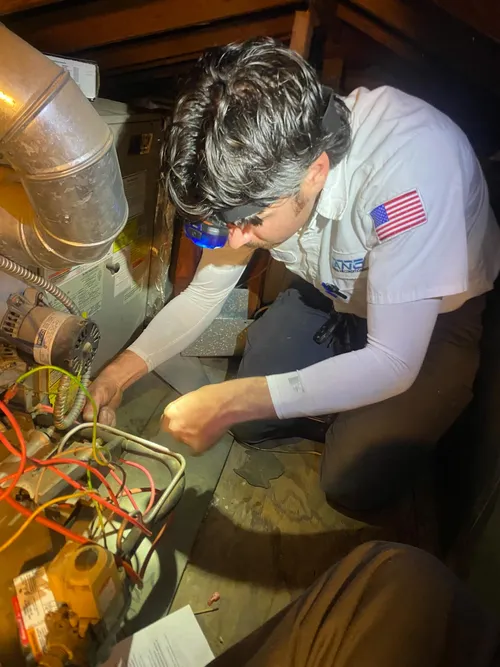
Sano Heating & Air Conditioning is an HVAC company based in Anaheim, CA, providing a range of heating and cooling services. They offer repair and installation for air conditioners, furnaces, heat pumps, mini splits, and perform HVAC tune-ups. The company also specializes in indoor air quality solutions and energy-efficient options like ductless and zoned systems. Serving Anaheim and the surrounding Orange County area, they handle new construction projects and have sheet metal capabilities to support their HVAC services.
Comfort Time Plumbing Heating & Cooling
8038 Freestone Ave, Santa Fe Springs, CA 90670
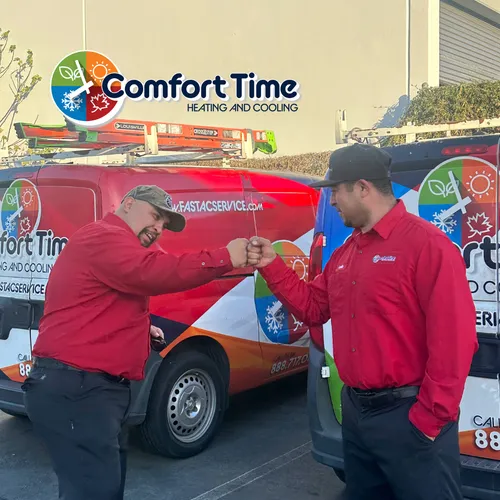
Comfort Time Plumbing Heating & Cooling is a family-owned company based in Los Angeles, CA, providing comprehensive HVAC and plumbing services for homes and businesses. They specialize in the repair and installation of air conditioning, furnaces, heat pumps, boilers, mini splits, and commercial refrigeration systems. Comfort Time Plumbing Heating & Cooling offers same-day service and uses advanced techniques such as trenchless sewer line replacement to address plumbing issues efficiently. Since 2008, they have served the local community with trained technicians who maintain up-to-date certifications and prioritize respect for customers' homes.
Understanding Your HVAC System Options
Choosing the right type of system is the first step toward efficient home comfort. The mild climate of Orange County offers several excellent options, each with its own advantages.
High-Efficiency Heat Pumps are an increasingly popular choice for Fountain Valley homes. These systems provide both heating and cooling in one unit by moving heat rather than generating it, making them highly efficient. They are particularly well-suited to our region's temperate weather and can offer significant energy savings compared to traditional systems.
Traditional AC with Gas Furnace combinations remain a reliable and common setup. This split system uses a central air conditioner for cooling and a separate gas furnace for heating. It's a proven technology that provides powerful, year-round climate control and can be a cost-effective solution depending on your home's existing infrastructure and natural gas availability.
Ductless Mini-Split Systems offer exceptional flexibility. These systems consist of an outdoor compressor unit connected to one or more indoor air handlers. They are ideal for room additions, homes without existing ductwork, or for creating "zones" with independent temperature control in different parts of the house, which can enhance comfort and efficiency.
The Importance of Proper Sizing and Load Calculation
One of the most critical aspects of a successful HVAC installation is ensuring the new system is correctly sized for your home. An oversized system will short-cycle, turning on and off frequently, leading to uneven temperatures, higher humidity, and increased wear. An undersized system will struggle to maintain comfort, especially on the hottest or coldest days.
This is where a Manual J load calculation becomes non-negotiable. This industry-standard assessment, performed by a qualified technician, calculates your home's precise heating and cooling needs. It considers square footage, insulation levels, window types and orientation, air leakage, and local climate data. Reputable Fountain Valley installers will insist on performing this calculation before providing a final quote, as it is the foundation for selecting the right equipment capacity.
A Step-by-Step Look at the Installation Process
A professional HVAC installation is a multi-stage project that involves careful planning and execution. Knowing what to expect can help the process go smoothly.
- Initial Consultation and Quote: The process begins with an in-home assessment. A technician will evaluate your current system, discuss your comfort needs, and perform the essential Manual J calculation. You should receive a detailed, written quote outlining equipment options, labor, and a project timeline. Many local companies offer same- or next-day consultations.
- Permits and Paperwork: Your contractor should handle pulling the necessary permits from the City of Fountain Valley. This step ensures the installation will be inspected and meet all local building and safety codes. A reputable installer will also help you navigate applications for available rebates and incentives.
- System Removal and Preparation: On installation day, the old heating or cooling equipment is safely removed. The work area is prepared, which may involve modifying pad locations, electrical connections, or refrigerant line sets.
- New System Installation: The new outdoor unit (condenser for AC or heat pump) and indoor unit (air handler or furnace) are installed. This phase includes connecting refrigerant lines, electrical wiring, condensate drainage, and the new thermostat. If included in the scope, any new or modified ductwork is installed at this time 1 2.
- System Testing and Inspection: Once physically installed, the system is charged with refrigerant, powered up, and put through a series of tests. The technician will check airflow, temperature differential, electrical readings, and ensure all components operate correctly. Finally, a city inspector will visit to approve the permitted work.
For a standard system replacement, the physical installation typically takes 1 to 2 days. However, the overall timeline from quote to completion can extend by several weeks when accounting for permit processing and scheduling the final inspection.
Find the perfect hvac installers for your needs
Get personalized recommendations and expert advice
Navigating Costs and Financing for Your Project
The total cost of an HVAC installation in Fountain Valley varies widely based on system type, efficiency, home size, and the complexity of the job. Understanding the cost breakdown helps in budgeting and comparing quotes.
- Equipment Costs: This is the largest variable, ranging from approximately $2,500 to $12,000 or more. High-efficiency models (with higher SEER2 ratings for cooling and HSPF for heat pumps) cost more upfront but offer lower operating costs. Brand choice also influences price 3.
- Installation and Labor: Professional labor for removing the old system and installing the new one generally falls between $1,000 and $4,000. This covers the skilled work of the technicians, which is crucial for performance and longevity.
- Ancillary Costs: Permits, new thermostat installation, and electrical upgrades can add $200 to $1,000. If your home's existing ductwork needs modification, sealing, or replacement, this can represent a significant additional cost but is often necessary for efficiency and code compliance.
- Total Project Cost: For a full system replacement in a typical Fountain Valley home, homeowners can expect a total investment in the range of $5,000 to $15,000+. Complex jobs involving extensive ductwork or high-end equipment can exceed this range 4.
Available Rebates and Incentives
A significant factor in managing cost is taking advantage of available rebates. California and local utility companies offer substantial incentives for installing high-efficiency equipment. Programs like the statewide BayREN (Bay Area Regional Energy Network) and others can provide rebates ranging from $2,000 to $8,000 or more for qualifying heat pumps and other efficient systems 5. Your installer should be knowledgeable about current programs and assist with the application.
Key Local Regulations: Title 24 and Fountain Valley Code
HVAC installations in California must comply with strict energy codes, primarily Title 24 of the California Code of Regulations. For homeowners, the most impactful requirement is for duct sealing. When a new air conditioner or heat pump is installed, any associated ductwork in unconditioned spaces (like attics or crawlspaces) must be tested and sealed to meet stringent leakage standards, often less than 15% leakage. This is not optional; it's a mandatory part of a permitted installation and is crucial for system efficiency 6 7.
Additionally, the Fountain Valley Municipal Code has specific requirements. For example, if your furnace or air handler is located in a garage, it must be installed on a secure platform that raises the unit at least 18 inches above the garage floor. This is a safety measure to protect the equipment from potential floodwater or vehicle impact. A qualified local installer will be familiar with these and all other applicable local codes.
Choosing the Right Fountain Valley Installer
Your choice of contractor is as important as your choice of equipment. Here are key actions to take:
- Get Multiple Detailed Quotes: Obtain at least three written estimates that include a breakdown of equipment model numbers, labor, permits, and any ancillary work.
- Verify Manual J is Included: Ensure each quote is based on a proper load calculation, not just the size of your old unit.
- Ask About Compliance and Rebates: Confirm the contractor will handle Title 24 duct testing/sealing and ask which current local rebates they can help you apply for.
- Check Credentials: Verify the company is licensed, insured, and has positive reviews from Fountain Valley residents.
Frequently asked questions
Sources
Footnotes
-
Step-by-Step HVAC Installation Guide - Carrier - https://www.carrier.com/residential/en/us/products/air-conditioners/hvac-installation/ ↩
-
What does standard AC installation include? - ANSA Painting - https://budmatthews.com/blog/what-does-standard-ac-installation-include ↩
-
How Much Does an Air Conditioner Cost for a 1,200-Square-Foot Home? - https://www.thisoldhouse.com/heating-cooling/air-conditioner-cost-for-1200-square-foot-home ↩
-
Home Depot HVAC Installation Cost, Pros & Cons, Reviews (2024) - https://www.hvaccalc.org/home-depot-hvac/ ↩
-
2025-2026 Guide on HVAC Replacement Cost in Orange ... - https://www.jmartiniaq.com/blog/how-much-does-hvac-replacement-cost-in-orange-county-in-2025-2026 ↩
-
HEATING-AIR CONDITIONING INSTALLATION GUIDE ... - https://www.fountainvalley.gov/DocumentCenter/View/465 ↩
-
Duct Sealing Requirements upon HVAC or Duct-System Replacement - http://title24stakeholders.com/wp-content/uploads/2017/10/2005_CASE-Report_Duct-Sealing-Requirements-upon-HVAC-or-Duct-System-Replacement-Light-Commercial-Buildings.pdf ↩