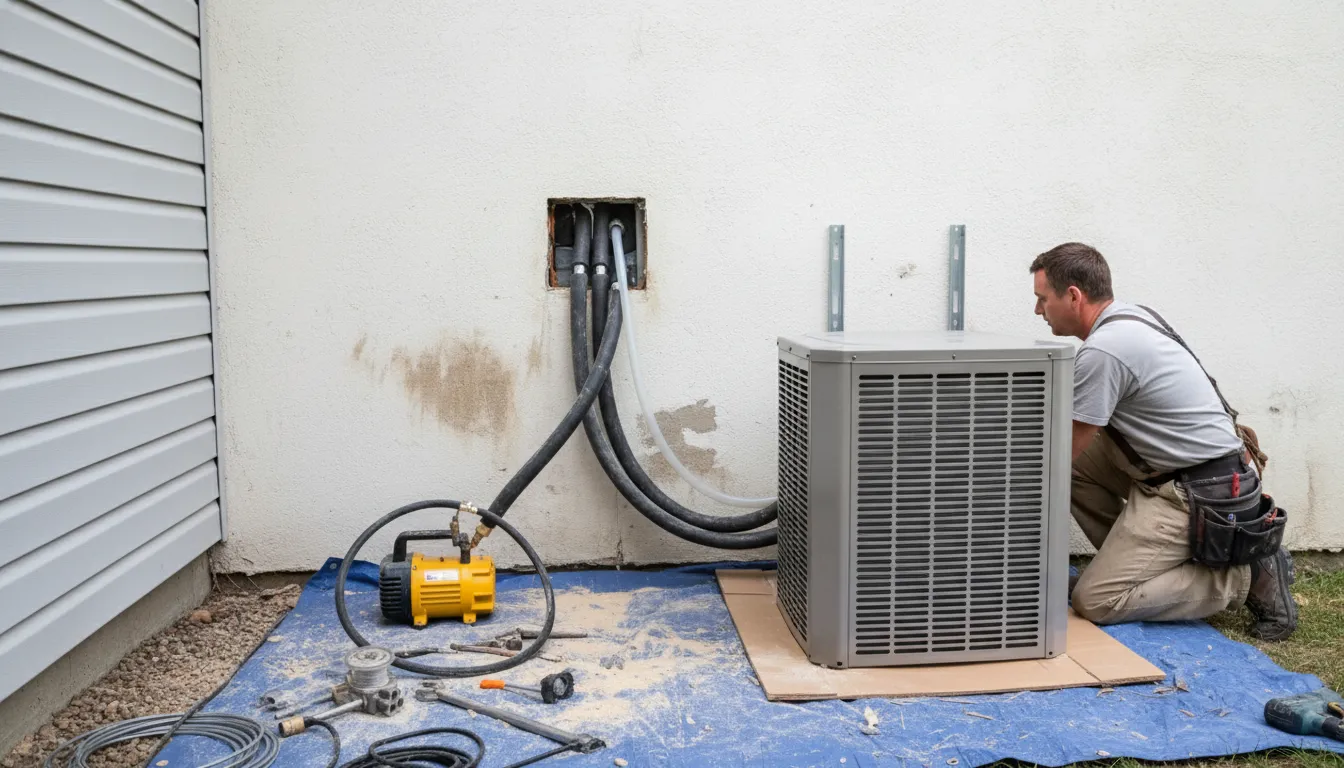
Find the Best Heat Pump Installation & Replacement Contractors for Your Business
No obligation • Fast responses • Nationwide coverage

Why you can trust HVAC Firms
HVAC Firms is a leading United States resource for evaluating HVAC service providers. Our team researches companies, checks credentials, and reviews customer feedback to present clear, unbiased information. Listings and rankings are based on merit, and companies cannot pay to change our editorial content.
Search providers near you
Top Heat Pump Installation & Replacement Contractors in Texas City, Texas Ranked
A heat pump is an all-in-one heating and cooling system that efficiently transfers heat, providing year-round comfort for your home. In Texas City's climate, a modern heat pump can be a smart upgrade, offering significant energy savings compared to traditional electric heating and effective cooling during humid summers. This guide helps you understand your options, from system types and costs to efficiency ratings and local incentives, so you can make an informed decision for your home.
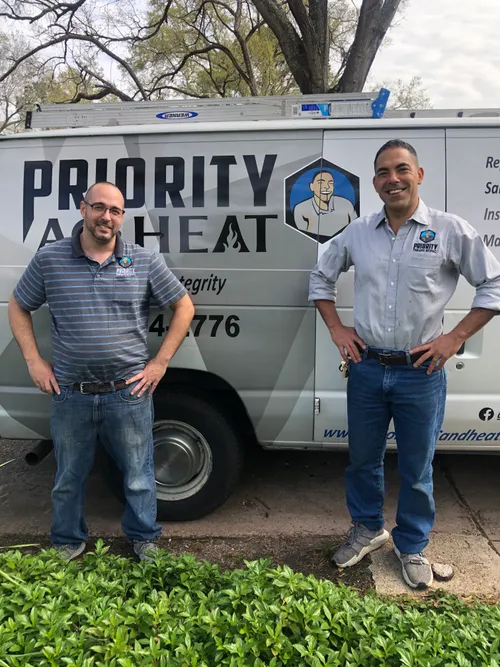
Priority AC & Heat
846 Wavecrest Ln, Houston, TX 77062
Priority AC & Heat is a family-owned HVAC company serving Houston, TX, and the greater Houston Bay Area since 2011. They offer a full range of air conditioning and heating services, including installation, repair, and maintenance for air conditioners, heat pumps, furnaces, and indoor air quality products. Their certified technicians provide 24-hour emergency repair services year-round, covering areas such as Alvin, Baycliff, Clear Lake, Deer Park, Friendswood, and more. One notable capability is their installation of the REME HALO whole home air purification system, which integrates with existing HVAC systems to reduce bacteria, mold, and viruses throughout the home.
Air Tech of Pasadena - Miles Service
2915 Preston Ave, Pasadena, TX 77503
Air Tech of Pasadena - Miles Service is an HVAC, plumbing, and electrical company serving Houston, TX, and surrounding areas. They provide installation and repair services for air conditioning, furnaces, heat pumps, and indoor air quality systems. The company emphasizes customer satisfaction with guarantees on their work and energy savings. Air Tech of Pasadena is fully accredited by the BBB with an A+ rating and offers a range of services to improve home comfort and efficiency.
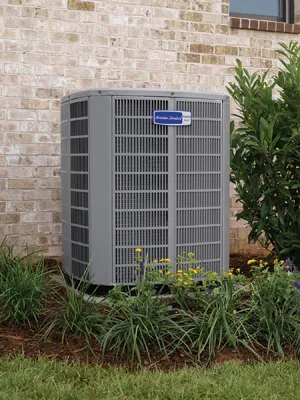
Dalton Air Conditioning & Heating
5410 Brookside Rd, Pearland, TX 77581
Dalton Air Conditioning & Heating is an HVAC company serving Houston, TX, with over 54 years of experience. They provide air conditioning, furnace, and heat pump repair and installation services for homes and small businesses. The company is a proud dealer of American Standard products and serves the Pearland area along with Friendswood and Manvel. Dalton Air Conditioning & Heating is recognized for its commitment to quality service and has received awards for outstanding performance since 2013.
A-Team's A/C & Heating, LLC
3734 Magnolia Ridge, League City, TX 77573
A-Team's A/C & Heating, LLC is a licensed HVAC contractor serving Houston, TX, and surrounding counties including Galveston, Harris, and Brazoria. They provide residential and commercial heating and air conditioning services, including installation, repair, and maintenance of air conditioners, furnaces, heat pumps, boilers, mini split systems, and geothermal heat pumps. The company also offers indoor air quality services such as duct cleaning, air duct sealing, and installation of air cleaners and humidifiers. As an American-Standard® dealer, they supply a wide range of comfort equipment and specialize in system customization. With 24/7 emergency service availability, A-Team's A/C & Heating supports customers with trained technicians and extended service agreements to maintain system performance.
Ellison Heating and Air Repair
1714 Houston Blvd, South Houston, TX 77587
Ellison Heating and Air Repair is a family-owned HVAC company serving Houston, TX, and nearby Gulf Coast communities including South Houston, Pasadena, and Pearland. Since 2008, they have provided installation, repair, and maintenance services for air conditioners, furnaces, heat pumps, and thermostats. Their certified technicians handle emergency repairs with a rapid response time, often arriving within 60 minutes, and offer indoor air quality solutions such as HEPA filters and UV-C lights. They also provide preventive maintenance plans and smart thermostat integration to enhance system efficiency and comfort.
Why Consider a Heat Pump in Texas City?
For Texas City homeowners, a heat pump installation represents a move toward greater home efficiency and comfort. Unlike a standard air conditioner paired with a furnace, a single heat pump system handles both heating and cooling by moving heat rather than generating it. This process is remarkably efficient, especially in our region's mild winters and hot, humid summers. The primary benefits include:
- Lower Operating Costs: Heat pumps can significantly reduce your heating bills, particularly if you're currently using electric resistance heat 1 2.
- Year-Round Comfort: One system provides both cooling and heating, simplifying your home's HVAC needs.
- Dehumidification: Modern units are designed to manage the high humidity that characterizes Texas City summers, improving indoor air quality.
- Environmental & Financial Incentives: High-efficiency models may qualify for federal tax credits, reducing your upfront investment.
Understanding Heat Pump Types and Efficiency
Choosing the right system starts with knowing the different types of heat pumps available and how their efficiency is measured.
Common Heat Pump Systems
- Air-Source Heat Pumps: This is the most common type installed in Texas City. It uses refrigerant to transfer heat between your home and the outdoor air. Its efficiency is measured by two key ratings: SEER (Seasonal Energy Efficiency Ratio) for cooling and HSPF (Heating Seasonal Performance Factor) for heating.
- Dual-Fuel Systems: Also known as hybrid systems, these combine a heat pump with a gas furnace. The heat pump handles moderate temperatures efficiently, while the furnace takes over during brief periods of extreme cold. This is an excellent option for homes with existing natural gas lines looking to maximize efficiency and reliability.
- Ductless Mini-Split Heat Pumps: These systems do not require ductwork. They consist of an outdoor unit connected to one or more indoor air handlers. Mini-splits are ideal for room additions, homes without ducts, or for creating "zones" with independent temperature control 3.
Decoding Efficiency Ratings
Efficiency directly impacts your comfort and utility bills. For Texas City's climate, paying attention to these ratings is crucial.
- SEER/SEER2: This measures cooling efficiency. The federal minimum standard is 15 SEER (14.3 SEER2). For our hot and humid conditions, experts often recommend units with a SEER rating of 16 or higher. High-efficiency models (18-20+ SEER) offer the best dehumidification and long-term savings 4 5.
- HSPF: This measures heating efficiency. A higher HSPF indicates better performance during the heating season.
- Variable-Speed Technology: Premium heat pumps feature variable-speed compressors and fans. They adjust their output in small increments to precisely match your home's needs, maintaining more consistent temperatures, improving humidity control, and operating more quietly and efficiently.
Cost Breakdown for Heat Pump Installation
The total cost for a new heat pump system in Texas City varies based on system type, efficiency, and the specifics of your home. Here's a general breakdown of what to expect.
Equipment & Installation Tiers:
- Entry-Level Systems (14-15 SEER): A standard-efficiency, single-stage heat pump typically ranges from $4,500 to $8,000 installed. This is often a straightforward replacement for an existing system.
- Mid-Range Systems (16-18 SEER): Better efficiency and features, such as two-stage compressors, usually cost between $7,000 and $11,000+.
- High-Efficiency/Variable-Speed Systems (20+ SEER): Premium models with the best humidity control and energy savings represent a larger upfront investment, generally $12,000 to $15,000+.
Additional Cost Factors: The figures above are for a standard replacement. Your final quote may include these additional components:
- Ductwork Modification/Repair: If your existing ducts are poorly sized, leaky, or incompatible, modifications can add $1,500 to $4,000+ 6.
- Electrical Service Upgrade: Older homes may require a panel upgrade to support the new system, which can be a significant additional cost 7.
- Thermostat: A new compatible thermostat, often a smart thermostat for optimal control, may be included or offered as an add-on.
- Permits: Local permitting fees are typically part of a professional installer's quote.
Find the perfect heat pump installation & replacement contractors for your needs
Get personalized recommendations and expert advice
Key Considerations for Texas City Homes
Local climate and home characteristics play a major role in selecting and sizing your system.
- Combating Humidity: Texas City's humidity is a major comfort factor. Ensure any system you consider has strong dehumidification capabilities, often a feature of higher-SEER and variable-speed models 8 9.
- Mild Winter Advantage: Our relatively mild winters are ideal for heat pump operation. The system runs efficiently without the extreme strain seen in colder climates, which can contribute to a typical lifespan of 10 to 15 years.
- Sizing is Critical: An improperly sized unit-too large or too small-will struggle with humidity, cycle on and off too frequently, and lead to higher energy bills. A professional load calculation (Manual J) is essential.
- The Existing Furnace Question: If you have a functional gas furnace, a dual-fuel system might offer the best balance of efficiency and cost-effectiveness, using the heat pump for most of the year and the furnace as a backup.
Incentives and Long-Term Value
Investing in a high-efficiency heat pump can be offset by available incentives and ongoing savings.
- Federal Tax Credits: Homeowners who install a qualifying high-efficiency heat pump may be eligible for a federal tax credit of up to $2,000. This incentive is part of the Inflation Reduction Act (IRA) and is available through 2032 10 11.
- Energy Savings: The shift from generating heat to moving it results in substantially lower electricity use for heating. Over the system's lifetime, these savings can be considerable, helping to recoup the initial investment.
- Increased Home Value: An efficient, modern HVAC system is an attractive feature for potential homebuyers.
The Professional Installation Process
A successful installation is just as important as the equipment you choose. A qualified professional will typically follow these steps:
- Home Evaluation & Load Calculation: Assessing your home's size, insulation, windows, and existing ductwork to determine the correct system size and type.
- Equipment Selection: Recommending specific models that match your home's needs, comfort goals, and budget.
- Removal & Preparation: Safely removing old equipment and preparing the site (pad, electrical, refrigerant lines).
- Installation & Testing: Installing the outdoor unit, indoor coil or air handler, connecting refrigerant and electrical lines, and integrating the thermostat. The system is then charged with refrigerant, started, and tested for proper operation, airflow, and efficiency.
- Final Review & Documentation: Reviewing system operation with you, explaining the warranty, and providing information on any applicable rebates or tax credits.
Frequently asked questions
Sources
Footnotes
-
Transforming Texas: How Heat Pumps Can Replace Electric ... - https://www.aceee.org/sites/default/files/pdfs/transforming_texas_-_how_heat_pumps_can_replace_electric_resistance_heat_reducing_costs_and_winter_power_peaks.pdf ↩
-
Are Heat Pumps Efficient in Texas' Climate? - Rhythm Energy - https://www.gotrhythm.com/blog/are-heat-pumps-worthwhile-for-texas-summers-and-winters ↩
-
Central Heating System: How Does It Work, Types & More - https://cielowigle.com/blog/central-heating/ ↩
-
Heat Pumps in Texas | The Complete Guide for Homeowners - https://jupitairhvac.com/texas-hvac-guide/equipment/heat-pumps/ ↩
-
Texas Air Care, Heat Pumps - Katy, TX, American-Standard - https://www.texasaircare.com/products/heat-pumps/ ↩
-
Heat Pump Installation Cost Texas 2025 - Jupitair HVAC - https://jupitairhvac.com/blog/heat-pump-installation-cost-guide-2025-north-texas/ ↩
-
Read Heat Pump Installation Cost Guide In Fort Worth Tx - https://r10heatandair.com/heat-pump-installation-cost/ ↩
-
Guide to Choosing a New HVAC System in Texas - https://willardac.com/blog/how-to-pick-a-new-hvac-system-for-your-home/ ↩
-
Air Conditioning Unit or Heat Pump: Which Is Best for Texans? - https://www.gotrhythm.com/blog/air-conditioning-unit-or-heat-pump-which-is-best-for-texans ↩
-
What Texans needs to know about heat pumps - https://environmentamerica.org/texas/center/articles/what-texans-needs-to-know-about-heat-pumps/ ↩
-
Heat Pump VS. Furnace: Which is Better For Texas Homes? - https://jonwayne.com/blog/heat-pump-vs-furnace-which-is-better-for-texas-homes/ ↩