Find the Best Heat Pump Installation & Replacement Contractors for Your Business
No obligation • Fast responses • Nationwide coverage

Why you can trust HVAC Firms
HVAC Firms is a leading United States resource for evaluating HVAC service providers. Our team researches companies, checks credentials, and reviews customer feedback to present clear, unbiased information. Listings and rankings are based on merit, and companies cannot pay to change our editorial content.
Search providers near you
Top Heat Pump Installation & Replacement Contractors in San Antonio, Texas Ranked
For San Antonio homeowners, a heat pump is an efficient, all-in-one solution for year-round comfort, providing both heating and cooling from a single system. This technology is particularly well-suited to the region's climate, offering significant energy savings compared to traditional electric resistance heating or older, less efficient systems. The following guide will help you understand the types of systems available, key considerations for your home, and how to connect with qualified local professionals for installation or replacement services.
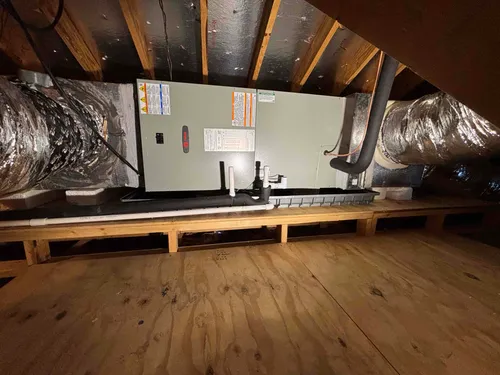
Legacy Home Services
2001 Wald Rd, New Braunfels, TX 78132
Legacy Home Services is a locally owned company providing heating, air conditioning, plumbing, and electrical services in San Antonio, TX, and surrounding areas. They offer a wide range of home comfort solutions including AC and furnace repair and installation, heat pump services, ductless system installation, indoor air quality products, and whole-home generator installation. Their team is equipped for on-site repairs and maintenance to optimize system performance and energy efficiency. Legacy Home Services also provides plumbing and electrical services, ensuring comprehensive home care. They serve multiple communities including New Braunfels, Seguin, and San Marcos, among others. The company offers emergency services and has a family plan membership for ongoing maintenance and inspections.
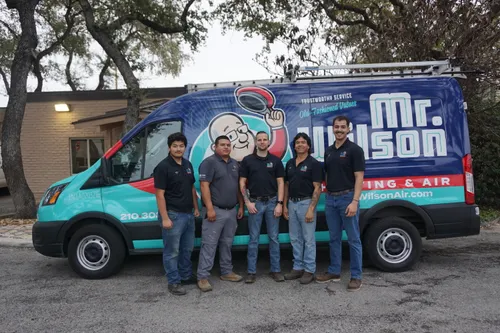
Mr. Wilson Heating & Air Conditioning
219 W Rhapsody Dr, San Antonio, TX 78216
Mr. Wilson Heating & Air Conditioning is an HVAC company serving San Antonio, TX. They provide a range of services including air conditioning, furnace, and heat pump repair and installation, as well as HVAC tune-ups and indoor air quality evaluations. The company has over 25 years of experience in maintaining and improving home and commercial comfort. They also focus on energy efficiency and offer air quality services to support healthier indoor environments.

All About Air Conditioning & Heating LLC
1118 Waverly Ave, San Antonio, TX 78201
All About Air Conditioning & Heating LLC offers HVAC installation, repair, and maintenance services in San Antonio, TX. They handle air conditioning, furnace, and heat pump systems to help maintain comfortable indoor environments year-round. Their team focuses on ensuring efficient system performance through expert tune-ups and repairs.
7K Mechanical Heating and Air Conditioning
San Antonio, TX
7K Mechanical Heating and Air Conditioning provides residential and commercial HVAC services in San Antonio, TX. Their licensed technicians handle installation, repair, and maintenance for heat pumps, gas furnaces, electric heating and cooling systems, mini-splits, and rooftop units. The company also specializes in commercial refrigeration service, including emergency repairs and preventive maintenance for walk-in coolers, freezers, and refrigerated prep units. With a veteran- and family-owned background, 7K Mechanical offers transparent estimates and clear explanations to ensure customers understand the work performed. They provide 24/7 emergency support for refrigeration failures and focus on energy-efficient solutions to improve comfort and reduce operating costs.
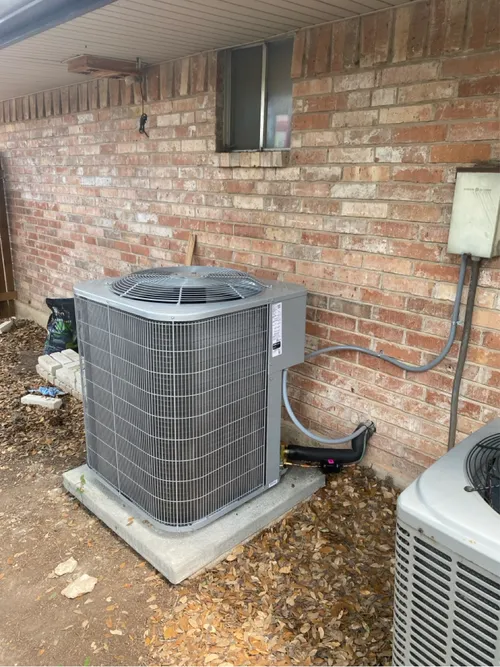
Cool Dynamics Heating & Cooling
7601 Marigold Trace St, Live Oak, TX 78233
Cool Dynamics Heating & Cooling is a family-owned HVAC company serving San Antonio, TX, and surrounding areas since 2013. They offer a range of services including air conditioning, furnace, and heat pump repair and installation, as well as HVAC tune-ups. Their certified team provides energy-efficient solutions and handles complete permit processing to ensure compliance and quality. Founded by Nathaniel Segura, the company emphasizes transparent pricing and clear communication to help customers make informed decisions about their home comfort.
Why a Heat Pump is a Smart Choice for San Antonio
San Antonio's long, hot summers and relatively mild winters create an ideal environment for heat pump operation. Unlike a standard air conditioner paired with a furnace, a heat pump doesn't generate heat; it simply moves it from one place to another. In summer, it extracts heat from inside your home and releases it outdoors. In winter, the process reverses, pulling ambient heat from the outside air-even on cool days-and transferring it indoors. This method of heat transfer is far more efficient than generating heat through combustion or electric resistance, leading to lower utility bills.
The primary advantage for local residents is this dual functionality. You get both a high-efficiency air conditioner and a highly efficient heater in one unit. For the majority of the heating season, a heat pump will be the most cost-effective way to warm your home 1. Its ability to dehumidify effectively during the humid summer months also contributes to enhanced indoor comfort and can further improve energy efficiency 2.
Types of Heat Pump Systems
Understanding the different configurations is key to selecting the right system for your home's layout and needs.
Air-Source Split Systems This is the most common type of residential heat pump. It consists of an outdoor unit (condenser) and an indoor unit (air handler or coil), connected by refrigerant lines. It uses the existing ductwork in your home to distribute conditioned air. These systems are a direct replacement for a traditional central AC and furnace setup and are an excellent choice for most homes with functional ducts 3.
Ductless Mini-Split Systems Mini-splits are perfect for homes without existing ductwork, such as older houses, room additions, or converted garages. They consist of one or more small, quiet indoor air-handling units mounted on walls or ceilings, connected to a single outdoor compressor. This setup allows for "zoning," meaning you can control the temperature in individual rooms, eliminating hot or cold spots and saving energy by not conditioning unoccupied spaces 4.
Dual-Fuel or Hybrid Systems This advanced setup combines an air-source heat pump with a gas furnace. The system intelligently switches between the two heat sources based on outdoor temperature. During San Antonio's typical mild winter, the efficient heat pump handles the heating load. On those rare occasions when temperatures drop into the 30s or below-where a standard heat pump's efficiency can decline-the system automatically switches to the gas furnace for powerful, reliable heat. This combination offers optimal efficiency and comfort year-round, ensuring you're prepared for any weather extreme Texas might deliver.
Key Efficiency Ratings: SEER and HSPF
When comparing heat pump options, you'll encounter two critical efficiency ratings mandated by the Department of Energy.
- SEER (Seasonal Energy Efficiency Ratio): Measures cooling efficiency. The higher the SEER, the more efficient the unit is at cooling. Given San Antonio's intense summer heat, opting for a higher SEER rating (16 or above) is a wise investment for long-term energy savings.
- HSPF (Heating Seasonal Performance Factor): Measures heating efficiency. A higher HSPF indicates better heating performance. For our climate, look for a unit with an HSPF of 8.2 or higher 5.
Units that meet strict efficiency guidelines set by the EPA can earn the ENERGY STAR® label. Choosing an ENERGY STAR-certified heat pump ensures you're getting a high-performance model that can significantly reduce energy consumption and qualify for various rebates and federal tax credits.
Climate Considerations for San Antonio Homes
San Antonio's specific weather patterns directly influence heat pump performance and selection.
- Mild Winters: Our winter climate is where heat pumps truly shine. They operate at peak efficiency in the 40-50°F range, which covers most of our heating season. This makes them vastly more efficient than systems that rely on expensive electric resistance heat strips for warmth.
- Summer Humidity: High-efficiency heat pumps with variable-speed compressors excel at humidity control. They can run at lower speeds for longer periods, removing more moisture from the air than a standard single-stage unit. This results in a more comfortable home without the "blast of cold" feel and can allow you to set your thermostat a few degrees higher, saving money.
- Preparing for Cold Snaps: While rare, Texas can experience sudden, severe cold fronts. A standard air-source heat pump's capacity drops as the temperature falls. For peace of mind, many homeowners opt for a dual-fuel system, which provides the gas furnace as a backup for these extreme events, ensuring uninterrupted comfort 6.
Find the perfect heat pump installation & replacement contractors for your needs
Get personalized recommendations and expert advice
Understanding Installation Costs and Incentives
The cost for a new heat pump installation in San Antonio varies widely based on system type, efficiency, and home-specific factors. Generally, homeowners can expect a range from roughly $6,000 to over $15,000 for a complete system installation 7.
Breakdown of Cost Factors:
- System Efficiency: A mid-range system (16-18 SEER) may cost between $7,500 and $11,000, while a premium, high-efficiency model (20+ SEER) can range from $12,000 to $18,500 or more.
- Home Infrastructure: Installing new ductwork can add $2,000 to $4,000. Upgrading an electrical panel to handle the new system's requirements may cost an additional $1,500 to $3,000 8.
- System Size & Features: Proper sizing (measured in tons) is critical. An oversized or undersized unit will be inefficient. Additional features like smart thermostats or advanced air filtration can also affect the final price.
Financial Incentives to Offset Cost: The good news is that federal incentives can significantly reduce your net investment. Through 2032, the federal government offers a tax credit of up to $2,000 for the installation of a qualified high-efficiency heat pump 9 10. This credit is applied directly to your tax liability, lowering your overall cost. Always consult with your tax professional and your HVAC contractor to ensure your chosen system qualifies.
The Professional Assessment: Your Next Step
Given the variables involved-from home size and existing ductwork to local electricity and gas rates-the most important step is to get a detailed, in-home assessment from a licensed HVAC professional. They will perform a Manual J load calculation to determine the precise size your home needs, evaluate your current ductwork, and discuss your comfort goals and budget.
A properly installed, correctly sized heat pump is a long-term investment that offers significant savings on energy bills, potentially providing an excellent return on investment over its lifespan, especially when combined with available incentives 11. By using this guide to inform your conversations, you can confidently navigate the process of upgrading your home's comfort system.
Frequently asked questions
Sources
Footnotes
-
Best Heating Systems for Texas Homes: Cost, Comfort and ... - https://colleyrefrigeration.com/best-heating-systems-texas-homes/ ↩
-
Heat Pump San Antonio Install & Cost Guide - https://www.countbricks.com/post/heat-pump-san-antonio ↩
-
Heat Pump Price Guides - Heat Pump Prices and Replacement Costs - https://heatpumppriceguides.com/ ↩
-
Heat Pump Systems - Department of Energy - https://www.energy.gov/energysaver/heat-pump-systems ↩
-
Heat Pump Systems - Department of Energy - https://www.energy.gov/energysaver/heat-pump-systems ↩
-
Heat Pumps vs Furnaces: Which Is Best for My San Antonio Home? - https://shaferservices.com/heat-pumps-vs-furnaces-which-is-best-for-my-san-antonio-home/ ↩
-
How Much Does a Heat Pump Installation Cost in San Antonio? - https://jonwayne.com/blog/how-much-does-a-heat-pump-installation-cost-in-san-antonio/ ↩
-
Heat Pumps in Texas | The Complete Guide for Homeowners - https://jupitairhvac.com/texas-hvac-guide/equipment/heat-pumps/ ↩
-
What Texans needs to know about heat pumps - https://environmentamerica.org/texas/center/articles/what-texans-needs-to-know-about-heat-pumps/ ↩
-
Heat Pump Installation Cost Texas 2025 - Jupitair HVAC - https://jupitairhvac.com/blog/heat-pump-installation-cost-guide-2025-north-texas/ ↩
-
2026 Heat Pump Cost Guide: Purchase, Installation & Repair - Carrier - https://www.carrier.com/residential/en/us/products/heat-pumps/how-much-does-a-heat-pump-cost/ ↩