Find the Best Heat Pump Installation & Replacement Contractors for Your Business
No obligation • Fast responses • Nationwide coverage

Why you can trust HVAC Firms
HVAC Firms is a leading United States resource for evaluating HVAC service providers. Our team researches companies, checks credentials, and reviews customer feedback to present clear, unbiased information. Listings and rankings are based on merit, and companies cannot pay to change our editorial content.
Search providers near you
Top Heat Pump Installation & Replacement Contractors in Fort Worth, Texas Ranked
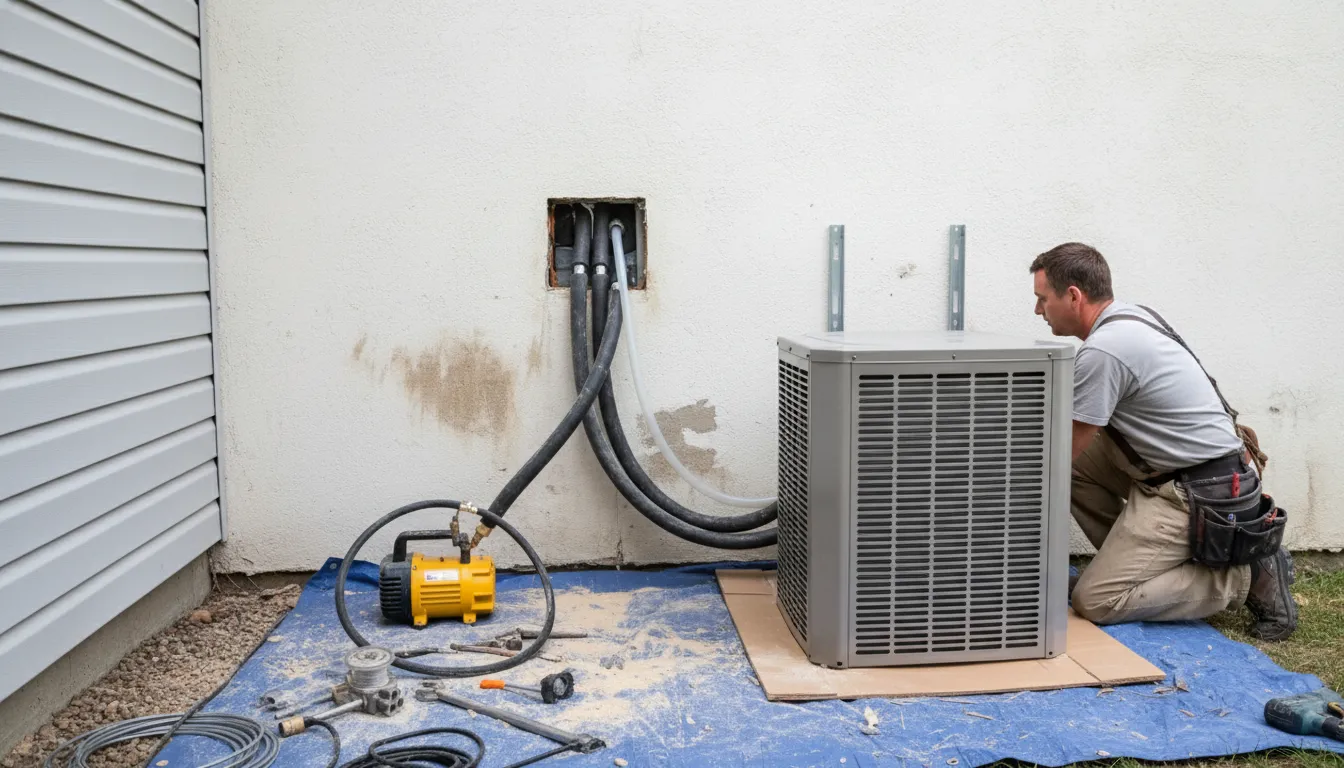
Upgrading your home's heating and cooling system to a heat pump is a smart move for Fort Worth homeowners seeking year-round comfort, energy efficiency, and lower utility bills. A heat pump is an all-in-one HVAC solution that provides both heating and cooling by transferring heat, rather than generating it through combustion, making it exceptionally efficient for our varied North Texas climate. This guide will help you understand the different types of heat pump systems, their costs, and the key considerations for choosing the right one for your home, connecting you with the information needed to find qualified local professionals for your project.
United States Home Services
1805 Royal Ln #101, Dallas, TX 75229
United States Home Services is a Dallas, TX-based company specializing in HVAC, plumbing, and insulation solutions. They provide a range of services including air conditioning, furnace, and heat pump repair and installation, as well as HVAC tune-ups. With over 20 years of experience, they serve homeowners throughout the Dallas metroplex, offering reliable and transparent service. One of their key capabilities is providing custom HVAC installations tailored to home comfort needs. The company emphasizes clear pricing and customer satisfaction, backed by a 100% satisfaction guarantee.
Mullins Mechanical Air Conditioning & Heating
Dallas, TX
Mullins Mechanical Air Conditioning & Heating is an HVAC company serving Dallas, TX. Established in 1979, they provide installation, repair, and maintenance services for air conditioning, furnaces, heat pumps, and indoor air quality systems for both residential and commercial properties. Their certified technicians focus on preventative maintenance and servicing all makes and models to help avoid additional repair costs. Mullins Mechanical emphasizes clear pricing and guarantees their work.
Dub's Heating and Air
501 Crandle Dr, White Settlement, TX 76108
Dub's Heating and Air is a veteran-owned HVAC company based in Fort Worth, TX. They provide a full range of heating, cooling, and indoor air quality services, including repairs, installations, and tune-ups for residential and light commercial customers. Their certified technicians focus on honest diagnostics and repairs before recommending replacements. Established in 2014, Dub's Heating and Air offers 24/7 emergency HVAC services to the Fort Worth area and surrounding communities. They serve Parker County, western Tarrant County, and nearby cities such as Weatherford, Aledo, and Benbrook.
Complete Cool Air
2410 Nettle Ln, Euless, TX 76039
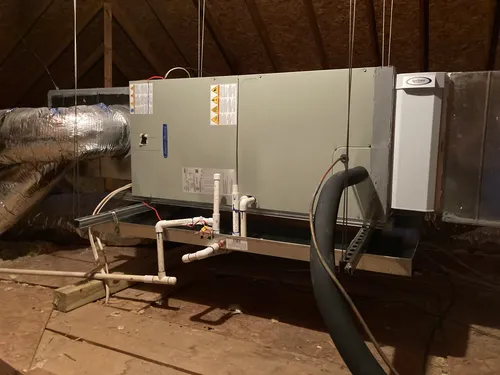
Complete Cool Air is an HVAC company serving Arlington, TX, and the surrounding areas. They provide a full range of heating and air conditioning services, including repair, installation, and maintenance for air conditioners, furnaces, and heat pumps. The company also focuses on indoor air quality by managing humidity levels and ensuring clean air circulation to promote a healthy environment. Their expertise includes heat pump repair and replacement to maintain year-round comfort.
Fix My Air DFW AC Repair Fort Worth
600 W 6th St, W 4th St Floor – Suite 70, Fort Worth, TX 76102
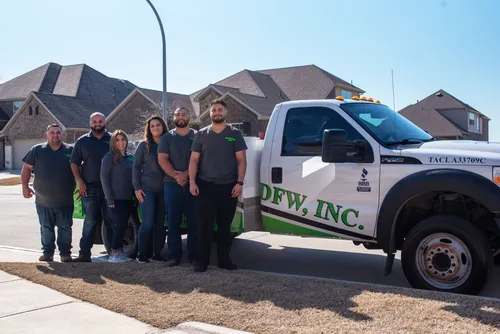
Fix My Air DFW AC Repair Fort Worth is an HVAC contractor serving Fort Worth, TX, and nearby cities including Saginaw, Keller, and Grapevine. They provide a wide range of residential and commercial HVAC services such as air conditioning repair and installation, furnace and heat pump services, duct cleaning, and indoor air quality solutions. Their team is skilled in handling complex HVAC systems, including geothermal heat pumps and duct modifications, ensuring efficient heating and cooling year-round. Established four years ago with over 15 years of combined experience, Fix My Air DFW offers 24-hour emergency HVAC repair to address urgent heating and cooling needs promptly.
Why Consider a Heat Pump for Your Fort Worth Home?
Fort Worth's climate, with its hot summers and generally mild winters, is ideally suited for air-source heat pump technology. Unlike a traditional air conditioner paired with a furnace, a single heat pump system handles both seasons. During summer, it acts like an AC, removing heat from your home. In winter, it reverses the process, extracting available heat from the outdoor air and moving it inside. Modern units are remarkably efficient even in cooler temperatures, making them a versatile and cost-effective choice for North Texas homes 1.
The primary benefits include:
- Significant Energy Savings: By moving heat instead of creating it, heat pumps can be 2-3 times more efficient than standard electric resistance heating, leading to noticeable reductions in your energy bills.
- Year-Round Comfort: One system manages both heating and cooling, simplifying your home maintenance and providing consistent comfort.
- Reduced Carbon Footprint: Higher efficiency means less energy consumption. When paired with a growing supply of renewable electricity, your home's heating and cooling becomes cleaner.
- Financial Incentives: High-efficiency heat pump installations often qualify for federal tax credits, such as the Inflation Reduction Act (IRA) credit of up to 30% (capped at $2,000) for models that meet specific efficiency tiers, along with potential local utility rebates 2 3.
Types of Heat Pump Systems
Understanding the different technologies available is the first step in selecting the right system for your property.
Air-Source Heat Pumps
This is the most common type of residential heat pump. It transfers heat between your house and the outside air. Advances in technology, especially inverter-driven compressors, allow modern air-source units to operate efficiently in Fort Worth's winter climate. While they may require a supplemental heat source during rare, severe cold snaps, they are an excellent and cost-effective primary system for our region 4.
Ductless Mini-Split Heat Pumps
A ductless mini-split is a type of air-source system perfect for homes without existing ductwork, room additions, sunrooms, or for creating zoned comfort. They consist of an outdoor compressor unit connected to one or more indoor air-handling units mounted on walls or ceilings. This setup allows you to control temperatures in individual rooms, eliminating energy waste in unused spaces and providing flexible installation options.
Geothermal (Ground-Source) Heat Pumps
Geothermal systems offer the highest efficiency by exchanging heat with the relatively constant temperature of the earth. While the upfront installation cost is significantly higher due to the required ground loop excavation, the operational savings are substantial over the system's lifespan. These systems are exceptionally reliable and quiet, making them a premium, long-term investment in efficiency 5.
Efficiency Ratings: Understanding SEER and HSPF
When comparing heat pump models, you'll encounter two key efficiency ratings:
- SEER (Seasonal Energy Efficiency Ratio): Measures cooling efficiency. The higher the SEER, the more efficient the unit is at cooling. In Fort Worth, where AC runs for many months, a high SEER rating is valuable.
- HSPF (Heating Seasonal Performance Factor): Measures heating efficiency. A higher HSPF indicates better performance and lower heating costs.
For our climate, look for a balanced system with strong ratings in both categories. New models are categorized into tiers, with high-efficiency units (often 20+ SEER) qualifying for the best financial incentives.
Choosing the Right Efficiency Level
- Entry-Level (~14 SEER): A good starting point for budget-conscious replacements, offering reliable performance.
- Mid-Range (16-18 SEER): Provides an excellent balance of upfront cost and operational savings, suitable for most homes.
- High-Efficiency (20+ SEER, Variable Speed): These top-tier models offer the lowest energy bills, superior humidity control, and quieter operation. They typically qualify for federal tax credits and local rebates, which can help offset their higher purchase price.
What to Expect: Heat Pump Installation Costs in Fort Worth
Installation costs vary widely based on system type, efficiency, home size, and the complexity of the installation (like modifying existing ductwork). Always get detailed, written estimates from multiple licensed contractors.
- Air-Source Heat Pump (Mid-Efficiency): For a standard, centrally-ducted system replacing an old AC and furnace, homeowners can expect costs in the range of $7,000 to $11,000.
- Air-Source Heat Pump (High-Efficiency): Installing a premium, variable-speed model (20+ SEER) typically ranges from $12,000 to $18,500 or more6 7.
- Ductless Mini-Split System: A single-zone system (one outdoor unit, one indoor head) generally costs between $4,000 and $6,000. Multi-zone systems serving multiple rooms start around $6,000 to $9,000+.
- Geothermal System: Due to the ground loop installation, these systems have a high initial investment, ranging from $16,000 to $55,000 or more, but offer the lowest operating costs over decades of use 8 9.
Find the perfect heat pump installation & replacement contractors for your needs
Get personalized recommendations and expert advice
Key Considerations for Your Fort Worth Installation
A successful heat pump project relies on more than just choosing a unit. Proper planning and professional execution are critical.
1. Professional Sizing (Manual J Load Calculation): An undersized unit will struggle to keep your home comfortable, while an oversized unit will short-cycle, leading to poor humidity control, uneven temperatures, and higher wear. A reputable contractor will perform a detailed load calculation specific to your home's insulation, windows, layout, and orientation.
2. Existing Ductwork Evaluation: If you're installing a ducted system, your existing ducts must be inspected. Leaky, poorly insulated, or undersized ducts can sabotage the efficiency of a new, high-performance heat pump. Sealing and insulating ductwork is often a recommended part of the installation process.
3. Backup Heat Source: For the handful of nights each year where temperatures in Fort Worth dip into the teens or lower, a heat pump's efficiency can drop. Most systems are integrated with a backup heat source, such as an electric resistance heating strip inside the air handler, to provide auxiliary heat during these extreme conditions, ensuring your home stays warm 10.
4. Local Permits and Codes: Professional installers will handle pulling the necessary permits from the City of Fort Worth and ensuring the installation meets all local building and mechanical codes. This is essential for safety, system performance, and preserving your manufacturer's warranty.
5. Incentive and Rebate Navigation: The landscape of federal tax credits (like the IRA), state programs, and local utility rebates is always evolving. A knowledgeable HVAC professional can help you identify which incentives you qualify for based on the specific equipment installed, potentially saving you thousands of dollars 11.
The Professional Installation Process
Working with a qualified, NATE-certified technician is non-negotiable for a heat pump installation. The process typically involves:
- Initial Consultation & Home Assessment: A technician evaluates your needs, performs a load calculation, inspects ductwork, and discusses options.
- System Selection & Proposal: You receive a detailed quote outlining the recommended equipment, labor, warranty, and final cost.
- Professional Installation: The old system is safely removed. The new outdoor unit and indoor coil/air handler are installed, electrical connections are made, refrigerant lines are set, and the system is integrated with your thermostat and ductwork.
- Testing & Commissioning: The technician charges the system with refrigerant, tests all modes of operation, checks airflow, and ensures the backup heat is functioning. They will also review the system's operation with you.
- Follow-up & Maintenance: Many contractors offer service plans to keep your new investment running at peak efficiency with annual tune-ups.
Frequently asked questions
Sources
Footnotes
-
Heat Pump Installation in Fort Worth - Ideal Partners - https://www.idealpartners.com/hvac/heating/heat-pump-installation/ ↩
-
Heat Pump Replacement in Fort Worth, TX - Installation - https://www.greentechdfw.com/heat-pumps/heat-pump-replacement-fort-worth-tx ↩
-
What Texans needs to know about heat pumps - https://environmentamerica.org/texas/center/articles/what-texans-needs-to-know-about-heat-pumps/ ↩
-
How to Choose the Right HVAC System for Your Home in North Texas - https://www.premierairandelectric.com/how-to-choose-the-right-hvac-system-for-your-home-in-north-texas ↩
-
Heat Pump Installation & Replacement Service In Fort Worth, TX - https://hawkphac.com/residential/heat-pump-installation/ ↩
-
Read Heat Pump Installation Cost Guide In Fort Worth Tx - https://r10heatandair.com/heat-pump-installation-cost/ ↩
-
Heat Pump Installation Cost Texas 2025 - Jupitair HVAC - https://jupitairhvac.com/blog/heat-pump-installation-cost-guide-2025-north-texas/ ↩
-
Heat Pump Price Guides - Heat Pump Prices and Replacement Costs - https://heatpumppriceguides.com/ ↩
-
Air Source Vs. Ground Source Heat Pump Comparison - https://greenleafair.com/heat-pump-comparison-air-source-vs-ground-source/ ↩
-
Heat Pump Service in Fort Worth - Williamson's AC Contracting - https://www.williamsonac.com/heat-pump-service ↩
-
Expert Residential Heat Pump Repair and Installation in Fort ... - https://www.grantac.com/heat-pump-repair-installation-fort-worth-tx/ ↩