Find the Best Heat Pump Installation & Replacement Contractors for Your Business
No obligation • Fast responses • Nationwide coverage

Why you can trust HVAC Firms
HVAC Firms is a leading United States resource for evaluating HVAC service providers. Our team researches companies, checks credentials, and reviews customer feedback to present clear, unbiased information. Listings and rankings are based on merit, and companies cannot pay to change our editorial content.
Search providers near you
Top Heat Pump Installation & Replacement Contractors in Corpus Christi, Texas Ranked
For homeowners in Corpus Christi, upgrading your home's heating and cooling system with a heat pump is a smart investment in year-round comfort and energy efficiency. These versatile systems provide both heating and cooling from a single unit, making them an excellent fit for the Gulf Coast's long, hot summers and mild winters. This guide will help you understand the types of systems available, key considerations for our local climate, and how to navigate the process of selecting and installing a new heat pump unit for your home.
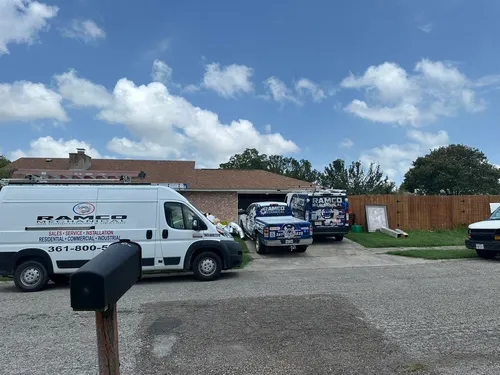
Ramco Mechanical, Inc.
241 45th St, Corpus Christi, TX 78405
Ramco Mechanical, Inc. provides heating and cooling services in Corpus Christi, TX. They offer repair, installation, and maintenance for air conditioners, furnaces, heat pumps, and HVAC systems. Their capabilities include HVAC tune-ups to ensure efficient system performance. The company serves residential customers seeking year-round home comfort.
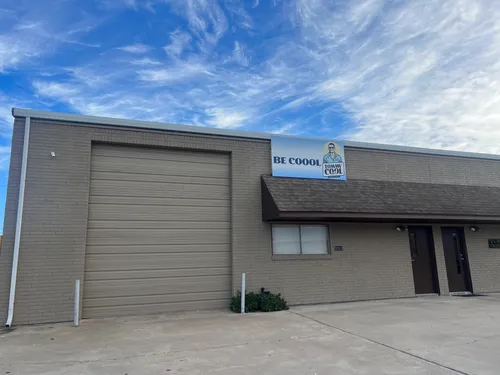
Tommy Cool Air, LLC
3728 Wow Rd Unit B, Corpus Christi, TX 78413
Tommy Cool Air, LLC is an HVAC company based in Corpus Christi, TX, offering a wide range of heating and cooling services. They provide air conditioning and furnace repair, installation of high-efficiency systems, heat pump services, ductless mini-split installation, and indoor air quality solutions including duct cleaning and UV light purification. With over 30 years of experience serving the Corpus Christi community, Tommy Cool Air understands the local climate and offers 24/7 emergency service to address urgent HVAC needs.
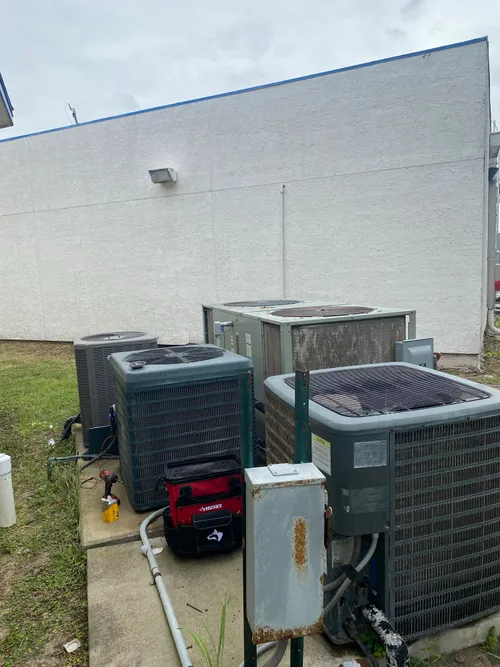
LJ HVAC & Maintenance
Corpus Christi, TX
LJ HVAC & Maintenance provides heating, cooling, and refrigeration services in Corpus Christi, TX. They serve both residential and commercial clients with HVAC repair, installation, and maintenance, including air conditioners, furnaces, heat pumps, and refrigeration units. The company offers commercial HVAC solutions and handles walk-in coolers, freezers, and display cases. With years of experience, LJ HVAC & Maintenance focuses on quality workmanship and dependable service to maintain comfort throughout the year.

Aire Serv of Corpus Christi
6000 S Padre Island Dr Ste 215, Corpus Christi, TX 78412
Aire Serv of Corpus Christi provides heating and air conditioning services in Corpus Christi, TX. They offer a range of HVAC services including air conditioner, furnace, and heat pump repair and installation, as well as thermostat installation and indoor air quality improvements. Their team also performs HVAC tune-ups and preventative maintenance to help extend system life and optimize efficiency. Aire Serv serves Corpus Christi and surrounding areas such as Falfurrias, Robstown, and Orange Grove. They are equipped to handle emergency heating and cooling repairs and provide upfront pricing for all services.

Just Better HVAC
Corpus Christi, TX
Just Better HVAC is a family-owned and operated business serving Corpus Christi, TX. They provide a range of HVAC services including installation, repair, and tune-ups for air conditioners, furnaces, and heat pumps. The company offers personalized consultations to help clients choose the best heating and cooling solutions for their homes or businesses. With three generations of experience, they emphasize honesty, integrity, and trust in their work.
Understanding Heat Pump Systems for Coastal Texas
A heat pump is an all-in-one HVAC solution that moves heat rather than generating it, offering highly efficient climate control. In cooling mode, it extracts heat from inside your home and releases it outdoors. In heating mode, the process reverses, pulling ambient heat from the outside air-even in cooler weather-and transferring it indoors. This technology is particularly effective in a climate like Corpus Christi's, where extreme cold is rare but efficient cooling is paramount.
The primary advantage of a heat pump over a traditional air conditioner paired with a separate furnace is its dual functionality and superior efficiency for moderate heating needs. For local residents, this can translate to lower annual energy bills and a reduced carbon footprint, especially when paired with our abundant sunshine and potential for solar power.
Common Types of Heat Pump Installations
When considering a new system, you'll typically choose from one of three main configurations, each suited to different home layouts and needs.
Central Ducted Heat Pumps This is the most common type of installation for homes with existing ductwork. A central heat pump system replaces both your old air conditioner and furnace, utilizing the same network of ducts to deliver conditioned air throughout your entire house. It's a seamless upgrade for many Corpus Christi homes looking to modernize their HVAC system.
Ductless Mini-Split Systems For homes without ducts, such as older properties, room additions, or targeted zones like garages or sunrooms, ductless mini-splits are an ideal solution. These systems consist of an outdoor compressor unit connected to one or more indoor air handlers mounted on walls or ceilings. They offer exceptional flexibility, allowing you to control temperatures in individual rooms, and are known for their high efficiency and quiet operation 1.
Dual-Fuel or Hybrid Systems This advanced setup combines an electric heat pump with a gas furnace. The system intelligently switches between the two fuel sources based on outdoor temperature to provide the most cost-effective heating. In Corpus Christi's mild winter, the heat pump handles most of the load efficiently. On those rare colder nights, the system automatically switches to the gas furnace, which can be more economical and effective in generating heat when temperatures drop significantly 2. This configuration offers the best of both worlds for energy savings and reliable comfort.
Key Efficiency Ratings: SEER2 and HSPF2
Understanding efficiency ratings is crucial for selecting a system that will save you money in the long run. Since 2023, new minimum efficiency standards have been in place, measured by updated metrics: SEER2 and HSPF2.
- SEER2 (Seasonal Energy Efficiency Ratio 2): This measures cooling efficiency. The higher the SEER2, the more efficient the system is at cooling your home. In the hot Corpus Christi climate, a higher SEER2 rating is a wise investment. The current federal minimum is 15.0 SEER2 in the South, but models are available up to 28 SEER2 and beyond.
- HSPF2 (Heating Seasonal Performance Factor 2): This measures heating efficiency. A higher HSPF2 means the unit provides more heat for the electricity it consumes. Look for a unit with a high HSPF2 to ensure efficient operation during our winter months.
Premium models often feature variable-speed compressors and fans. Unlike single-stage units that simply turn on and off, variable-speed technology allows the system to adjust its output in fine increments. This results in more consistent temperatures, better humidity control (a major comfort factor in our coastal humidity), quieter operation, and significantly improved energy efficiency 3.
Find the perfect heat pump installation & replacement contractors for your needs
Get personalized recommendations and expert advice
Corpus Christi Climate: Tailoring Your Heat Pump Choice
Our local weather directly impacts which heat pump features are most important. Corpus Christi experiences long, humid summers and short, generally mild winters. However, we are not immune to occasional cold snaps and freezing temperatures.
Performance in Mild Winters & Summer Humidity For the vast majority of the year, a properly sized heat pump operates with exceptional efficiency in our climate. The real test comes during our sporadic winter cold fronts. While modern cold-climate heat pumps can extract heat from air well below freezing, their efficiency drops as the temperature falls. For this reason, most systems include supplemental or backup heat, typically in the form of electric resistance heating strips inside the air handler. This backup provides reliable heat during the handful of nights each year when temperatures dip below the heat pump's most efficient range.
Managing indoor humidity is equally critical. Our coastal air is laden with moisture, and a good HVAC system must remove humidity effectively to prevent mold growth and ensure comfort. High-efficiency heat pumps, especially those with variable-speed capabilities, run for longer cycles at lower speeds, which is ideal for pulling more moisture from the air compared to a short-cycling, less efficient unit 4.
The Critical Importance of Professional Sizing Perhaps the most important step in the entire process is ensuring your new heat pump is correctly sized for your specific home. An oversized unit will short cycle-turning on and off rapidly-leading to poor humidity control, uneven temperatures, and increased wear and tear. An undersized unit will struggle to keep up on the hottest or coldest days.
A proper Manual J load calculation is non-negotiable. This industry-standard assessment, performed by a qualified technician, considers your home's square footage, insulation levels, window types, air infiltration, and local climate data to determine the exact heating and cooling capacity (measured in BTUs) your home requires. Never rely on a contractor's "rule of thumb" estimate.
Understanding Heat Pump Installation Costs in Corpus Christi
The cost of a new heat pump installation varies widely based on system type, efficiency, and home-specific factors. Below is a general overview of what homeowners in the area might expect.
Typical Price Ranges:
- Entry-Level Systems (Meeting Minimum SEER2 Standards): Installation for a basic, single-stage heat pump system typically ranges from $4,200 to over $7,000 5.
- Mid-Range Systems (16-18 SEER2, Better Features): For a higher-efficiency unit with improved comfort features, expect costs between $7,500 and $11,000+.
- High-Efficiency/Premium Systems (20+ SEER2, Variable-Speed): Top-tier systems offering the best efficiency, humidity control, and quietness can range from $12,000 to $19,000 or more 6.
Factors Influencing Your Final Price:
- Home Size & Layout: Larger homes require larger, more expensive units and more labor.
- Ductwork Condition: Existing ducts may need sealing, modification, or complete replacement, adding to the project cost.
- Electrical Requirements: Installing a new system may require an electrical panel upgrade or new wiring.
- Brand & Model: Premium brands like Trane, Carrier, or Lennox often come at a higher equipment cost.
- Local Labor Rates: Complexity of the installation and the contractor's expertise affect the labor portion of the quote.
Incentives and Financing to Offset Costs
Investing in a high-efficiency heat pump can be more affordable thanks to available financial incentives.
- Federal Tax Credits: The federal government offers a tax credit of up to $2,000 for the installation of a qualifying high-efficiency heat pump system. This credit is claimed on your annual income tax return 7 8.
- Energy Audit Credit: You may also qualify for a separate tax credit for a professional home energy audit. This audit can identify other ways to improve your home's efficiency, ensuring your new heat pump performs at its best 9.
When evaluating contractors, always ask for a detailed, written quote that breaks down equipment, labor, and any ancillary costs. Verify that the quote includes the removal of the old equipment, all necessary permits, and a clear warranty for both parts and labor.
Frequently asked questions
Sources
Footnotes
-
Best Heating Systems for Texas Homes: Cost, Comfort and ... - Colley Refrigeration ↩
-
Heat Pump vs Furnace: What Works Best in Texas Winters? - Silverspur Home ↩
-
Heat Pumps in Texas | The Complete Guide for Homeowners - Jupitair HVAC ↩
-
Are Heat Pumps Efficient in Texas' Climate? - Rhythm Energy ↩
-
What Texans needs to know about heat pumps - Environment America ↩