Find the Best Heat Pump Installation & Replacement Contractors for Your Business
No obligation • Fast responses • Nationwide coverage

Why you can trust HVAC Firms
HVAC Firms is a leading United States resource for evaluating HVAC service providers. Our team researches companies, checks credentials, and reviews customer feedback to present clear, unbiased information. Listings and rankings are based on merit, and companies cannot pay to change our editorial content.
Search providers near you
Top Heat Pump Installation & Replacement Contractors in Galveston, Texas Ranked
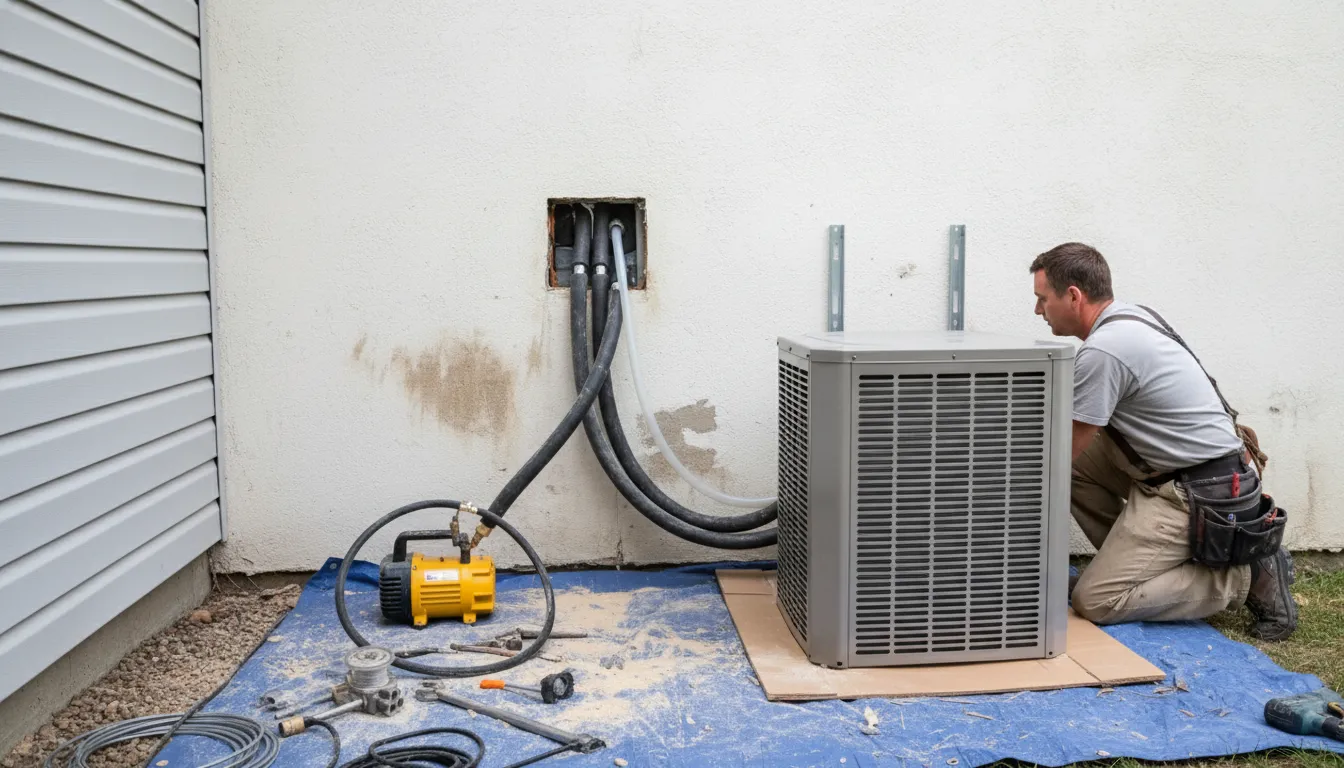
A heat pump is an efficient, all-in-one system that provides both heating and cooling for your home, making it an excellent choice for Galveston's climate. This technology works by transferring heat rather than generating it, offering significant energy savings and year-round comfort. For local homeowners, understanding the options, costs, and incentives available is key to making an informed decision. This guide will help you navigate the process of selecting and installing a heat pump system tailored to your specific needs.
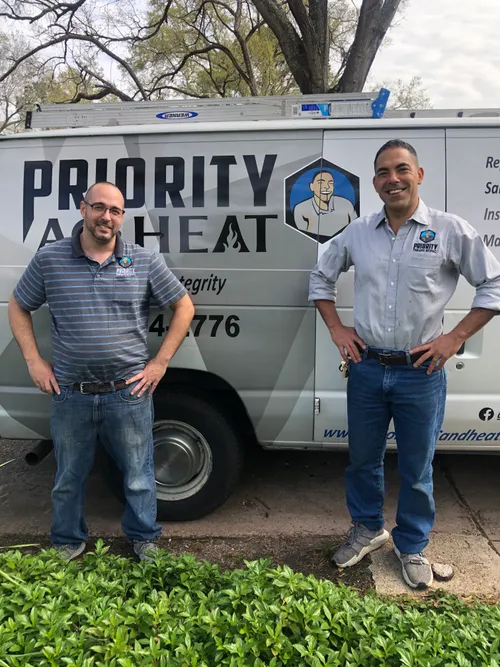
Priority AC & Heat
846 Wavecrest Ln, Houston, TX 77062
Priority AC & Heat is a family-owned HVAC company serving Houston, TX, and the greater Houston Bay Area since 2011. They offer a full range of air conditioning and heating services, including installation, repair, and maintenance for air conditioners, heat pumps, furnaces, and indoor air quality products. Their certified technicians provide 24-hour emergency repair services year-round, covering areas such as Alvin, Baycliff, Clear Lake, Deer Park, Friendswood, and more. One notable capability is their installation of the REME HALO whole home air purification system, which integrates with existing HVAC systems to reduce bacteria, mold, and viruses throughout the home.
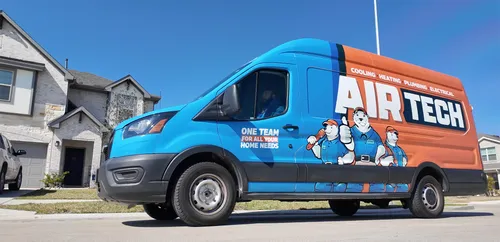
Air Tech of Pasadena - Miles Service
2915 Preston Ave, Pasadena, TX 77503
Air Tech of Pasadena - Miles Service is an HVAC, plumbing, and electrical company serving Houston, TX, and surrounding areas. They provide installation and repair services for air conditioning, furnaces, heat pumps, and indoor air quality systems. The company emphasizes customer satisfaction with guarantees on their work and energy savings. Air Tech of Pasadena is fully accredited by the BBB with an A+ rating and offers a range of services to improve home comfort and efficiency.
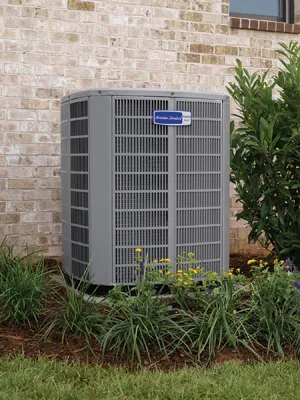
Dalton Air Conditioning & Heating
5410 Brookside Rd, Pearland, TX 77581
Dalton Air Conditioning & Heating is an HVAC company serving Houston, TX, with over 54 years of experience. They provide air conditioning, furnace, and heat pump repair and installation services for homes and small businesses. The company is a proud dealer of American Standard products and serves the Pearland area along with Friendswood and Manvel. Dalton Air Conditioning & Heating is recognized for its commitment to quality service and has received awards for outstanding performance since 2013.
AirSol Air Conditioning and Heating
13502 Utica St, Houston, TX 77015
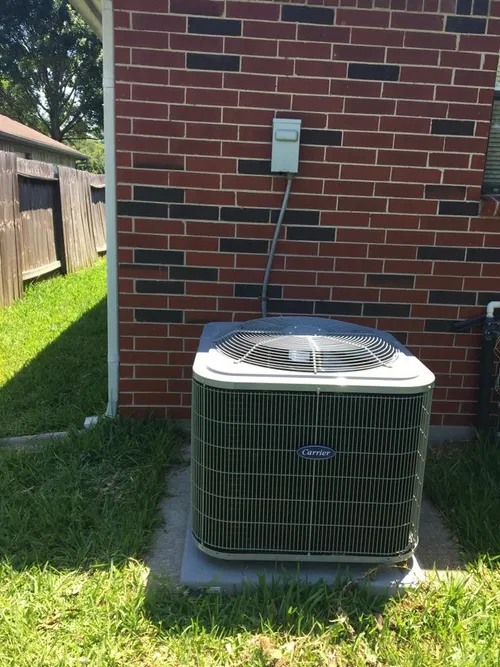
AirSol Air Conditioning and Heating is a family-owned HVAC company serving Houston, TX, and nearby areas. Established in 2016, they provide a full range of services including installation, repair, maintenance, and indoor air quality solutions. The company specializes in Carrier products and offers duct replacement along with heating and cooling system services. Their licensed and bonded technicians handle HVAC challenges with expertise, and they provide a 3/5/10 year warranty on labor. AirSol also offers 24/7 emergency services to address urgent HVAC needs.
A-Team's A/C & Heating, LLC
3734 Magnolia Ridge, League City, TX 77573
A-Team's A/C & Heating, LLC is a licensed HVAC contractor serving Houston, TX, and surrounding counties including Galveston, Harris, and Brazoria. They provide residential and commercial heating and air conditioning services, including installation, repair, and maintenance of air conditioners, furnaces, heat pumps, boilers, mini split systems, and geothermal heat pumps. The company also offers indoor air quality services such as duct cleaning, air duct sealing, and installation of air cleaners and humidifiers. As an American-Standard® dealer, they supply a wide range of comfort equipment and specialize in system customization. With 24/7 emergency service availability, A-Team's A/C & Heating supports customers with trained technicians and extended service agreements to maintain system performance.
Why a Heat Pump is Ideal for Galveston's Climate
Galveston's weather pattern-characterized by long, humid cooling seasons and relatively mild winters-is nearly perfect for heat pump operation. These systems excel in moderate temperatures, providing highly efficient heating when outdoor temperatures are above freezing and effective cooling throughout the hot Texas summers. Their dual functionality means you maintain a single, streamlined system for year-round climate control, which can simplify maintenance and reduce the need for separate heating and cooling units.
The primary advantage in our coastal climate is efficiency. During the heating season, a modern heat pump can deliver over 300% efficiency, meaning it moves three times more heat energy than the electrical energy it consumes. This is a stark contrast to traditional electric resistance heating, which is only 100% efficient. For the long cooling season, a heat pump operates identically to a high-efficiency central air conditioner, keeping your home comfortable while managing energy costs effectively.
Addressing Galveston's Occasional Cold Snaps
While our winters are generally mild, Galveston can experience brief cold snaps where temperatures dip below freezing. A standard air-source heat pump's efficiency decreases as the outdoor temperature drops, particularly below about 25°F1 2. For this reason, most heat pump installations in our area include a form of supplemental or "backup" heat. This is typically an electric resistance heating strip installed inside the air handler. This auxiliary heat engages automatically during extreme cold or when the heat pump needs to raise the temperature quickly, ensuring your home stays warm regardless of the weather3 4. This hybrid approach provides the best of both worlds: supreme efficiency for 95% of the year and reliable backup for the occasional deep freeze.
Types of Heat Pump Systems for Your Home
Not all heat pump installations are the same. The right system for your Galveston home depends on your existing infrastructure, layout, and comfort goals. Local HVAC professionals can assess your situation to recommend the best fit.
Ducted Split-System Heat Pumps
This is the most common type of installation, especially in homes with existing ductwork. A split-system consists of an outdoor unit (the condenser/compressor) and an indoor unit (the air handler). It uses your home's current network of air ducts to distribute conditioned air throughout the house. If you are replacing an old central air conditioner and furnace, a ducted split-system heat pump is often a straightforward swap that utilizes the same ductwork and electrical connections, which can help manage installation costs5 6.
Ductless Mini-Split Heat Pumps
For homes without existing ducts, such as older historic properties in Galveston, or for room additions like sunrooms or converted garages, ductless mini-splits are a superb solution. These systems feature a compact outdoor unit connected to one or more sleek, wall-mounted indoor air handlers via a small refrigerant line. They offer "zoned" comfort, allowing you to control the temperature in individual rooms. This can lead to additional energy savings, as you only condition the spaces you're using. They are also known for quiet operation and flexible installation options.
Geothermal (Ground-Source) Heat Pumps
While not detailed in the local research snippets, geothermal systems represent the pinnacle of heat pump efficiency. They use the stable temperature of the earth several feet below the surface to heat and cool your home. Although they have a significantly higher upfront installation cost due to the required ground loop excavation, they offer unparalleled efficiency and low operating costs, and they work exceptionally well in all outdoor temperatures. For homeowners in Galveston planning a long-term residence and major renovation, exploring geothermal options can be worthwhile.
Find the perfect heat pump installation & replacement contractors for your needs
Get personalized recommendations and expert advice
Understanding Efficiency Ratings: SEER and HSPF
When comparing heat pump models, you'll encounter two key efficiency ratings: SEER and HSPF. Understanding these will help you evaluate long-term value.
- SEER (Seasonal Energy Efficiency Ratio): This measures cooling efficiency. The higher the SEER rating, the more efficient the unit is at cooling. Modern standards require a minimum of 14 or 15 SEER, but high-efficiency models can reach 20+ SEER. Given Galveston's lengthy cooling season, investing in a higher SEER rating can translate to substantial summer energy savings.
- HSPF (Heating Seasonal Performance Factor): This measures heating efficiency. A higher HSPF indicates a more efficient heating performance. Look for models with an HSPF of 9 or higher for the best performance in our mild winter climate.
Choosing a system that carries the ENERGY STAR® label ensures it meets strict efficiency guidelines set by the U.S. Environmental Protection Agency. More importantly, ENERGY STAR-qualified heat pumps are eligible for federal tax credits, making a more efficient model more affordable over its lifespan.
Cost Overview for Heat Pump Installation in Galveston
The total investment for a new heat pump system varies widely based on several factors. It's crucial to get detailed, written estimates from licensed local contractors for an accurate price for your specific home.
Typical Cost Range: For a standard, full-system installation or replacement in Galveston, homeowners can expect a range from $4,000 to over $10,0007 8 9. More complex jobs, high-efficiency units, or installations requiring new ductwork can push costs toward the $15,000 to $25,000 range10 11.
Key Factors Influencing Price:
- System Size and Capacity: Measured in tons, this must be correctly calculated for your home's square footage, insulation, and window exposure. An undersized or oversized unit will perform poorly.
- Efficiency Rating: Higher SEER and HSPF models come with a higher equipment price tag but lower operating costs.
- Equipment Type: Ductless mini-split systems cost more per zone than a single ducted system but may be cheaper than installing all-new ductwork.
- Installation Complexity: The condition of existing electrical service, ductwork, and the physical accessibility of the installation site all affect labor costs.
- Brand and Features: Premium brands and models with advanced features (like variable-speed compressors for ultra-quiet operation) will cost more.
Financial Incentives and Long-Term Savings
The upfront cost of a heat pump is often offset by significant incentives and ongoing utility savings.
Federal Tax Credits
Homeowners who install a qualifying high-efficiency heat pump may be eligible for a federal tax credit of 30% of the project cost, up to a maximum of $2,000. This credit is applied directly to your income tax liability, providing a substantial reduction in your net system cost.
Potential Rebates and Local Incentives
Research is ongoing for state and utility-specific rebates. Some programs, particularly those aimed at income-qualified households, can offer substantial upfront discounts, with some mentions of rebates up to $8,00012. A local Galveston HVAC contractor should be aware of the latest available programs from entities like CenterPoint Energy or state efficiency initiatives.
Monthly Energy Savings
This is where a heat pump truly shines. By replacing an old air conditioner and an inefficient furnace or electric heating system, homeowners often see a 20% to 70% reduction in their annual energy bills for heating and cooling13. Because a heat pump moves heat rather than creating it from fuel, it can be two to three times more efficient than a standard gas furnace during moderate weather14. These savings accumulate over the system's 15+ year lifespan, making the higher initial investment pay for itself.
Choosing a Local Galveston Installation Professional
The success of your heat pump project hinges on proper sizing and expert installation. Here's how to find the right contractor:
- Get Multiple Quotes: Always obtain at least three detailed, written estimates. This allows you to compare not just price, but also proposed equipment, scope of work, and warranty terms.
- Verify Credentials: Ensure the company is licensed, insured, and has a good standing with the Texas Department of Licensing and Regulation. Look for technicians who are NATE-certified (North American Technician Excellence).
- Ask About Experience: Specifically inquire about their experience installing heat pumps in the Galveston area, as our coastal environment and specific climate needs are important considerations.
- Request a Load Calculation: A reputable contractor will perform a Manual J load calculation to determine the precise size your home needs, rather than simply matching the tonnage of your old system.
- Review the Proposal: The estimate should clearly list the model numbers, efficiency ratings (SEER/HSPF), warranty details (both parts and labor), and a complete description of the work to be performed.
Frequently asked questions
Sources
Footnotes
-
Heat Pumps in Texas | The Complete Guide for Homeowners - https://jupitairhvac.com/texas-hvac-guide/equipment/heat-pumps/ ↩
-
Heat Pump Conversion Galveston TX - https://www.bosworthac.com/heat-pump-conversion ↩
-
Is a Heat Pump or Traditional HVAC Right For You? | George's - https://georgesacservice.com/is-a-heat-pump-or-traditional-hvac-right-for-your-galveston-home/ ↩
-
2025 Ductless Heating and Cooling Systems Cost | Angi - https://www.angi.com/articles/ductless-heating-and-cooling-systems-cost.htm ↩
-
Heat Pump Price Guides - Heat Pump Prices and Replacement Costs - https://heatpumppriceguides.com/ ↩
-
Which Heating System Is Best for Your Texas Home? - https://nappsac.com/blog/which-heating-system-is-best-for-your-home/ ↩
-
Heat Pump Installation Cost Texas 2025 - Jupitair HVAC - https://jupitairhvac.com/blog/heat-pump-installation-cost-guide-2025-north-texas/ ↩
-
How Much Do Heat Pumps Cost? (2024 Price Estimate Guide) - https://jarboes.com/knowledge-center/how-much-do-heat-pumps-cost/ ↩
-
Air Conditioning Unit or Heat Pump: Which Is Best for Texans? - https://www.gotrhythm.com/blog/air-conditioning-unit-or-heat-pump-which-is-best-for-texans ↩
-
2026 Heat Pump Cost Guide: Purchase, Installation & Repair - Carrier - https://www.carrier.com/residential/en/us/products/heat-pumps/how-much-does-a-heat-pump-cost/ ↩
-
What's the Average Cost of HVAC Services in Texas? - https://thermaconservice.com/average-hvac-service-costs-texas/ ↩
-
Heat Pump vs AC Cost and Comfort Guide for Texas 2024 - https://www.goodeair.com/blog/heat-pump-vs-ac-texas-cost-comfort ↩
-
The Pros And Cons Of Heat Pumps In Texas: A Homeowner's ... - https://www.acproshvac.com/heat-pumps-in-texas-pros-cons/ ↩
-
What Texans needs to know about heat pumps - https://environmentamerica.org/texas/center/articles/what-texans-needs-to-know-about-heat-pumps/ ↩