Find the Best Heat Pump Installation & Replacement Contractors for Your Business
No obligation • Fast responses • Nationwide coverage

Why you can trust HVAC Firms
HVAC Firms is a leading United States resource for evaluating HVAC service providers. Our team researches companies, checks credentials, and reviews customer feedback to present clear, unbiased information. Listings and rankings are based on merit, and companies cannot pay to change our editorial content.
Search providers near you
Top Heat Pump Installation & Replacement Contractors in DeSoto, Texas Ranked
Considering a new heating and cooling system for your DeSoto home? A heat pump is a versatile, energy-efficient solution that provides both heating and air conditioning from a single unit. For North Texas residents, this technology is particularly well-suited to our climate, offering year-round comfort and significant potential savings on energy bills. This guide will help you understand the types of systems available, the costs involved, and the key factors to consider when planning a heat pump installation or replacement project.
United States Home Services
1805 Royal Ln #101, Dallas, TX 75229
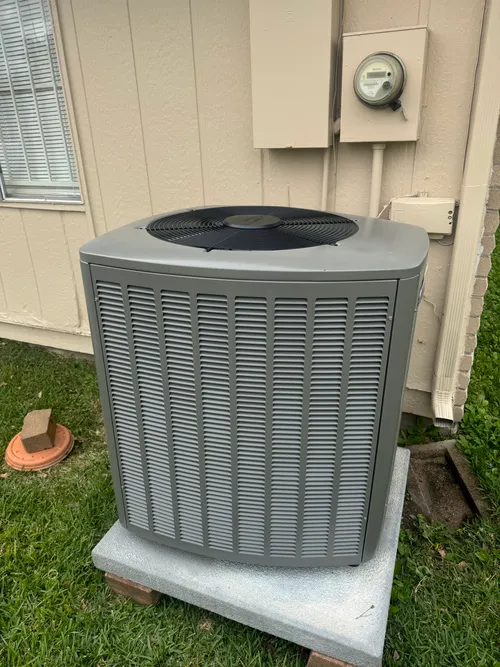
United States Home Services is a Dallas, TX-based company specializing in HVAC, plumbing, and insulation solutions. They provide a range of services including air conditioning, furnace, and heat pump repair and installation, as well as HVAC tune-ups. With over 20 years of experience, they serve homeowners throughout the Dallas metroplex, offering reliable and transparent service. One of their key capabilities is providing custom HVAC installations tailored to home comfort needs. The company emphasizes clear pricing and customer satisfaction, backed by a 100% satisfaction guarantee.
Aircons Heat & Better Air Inc
220 Commercial St, Garland, TX 75040
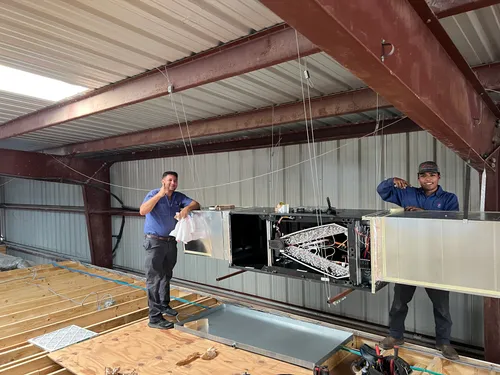
Aircons Heat & Better Air Inc is an HVAC company based in Dallas, TX, offering a wide range of heating and cooling services. They provide air conditioning and furnace repair, installation of heat pumps and geothermal systems, duct cleaning, thermostat installation, and indoor air quality solutions for both residential and commercial clients. The company is a certified Trane dealer and has over 15 years of experience in the industry. Their team is trained to handle all major HVAC brands and systems. Aircons Heat & Better Air Inc also offers financing options and is available for service calls day and night.

Tiger Air
17606 Preston Rd, Dallas, TX 75252
Tiger Air is an HVAC company based in Dallas, TX, offering heating and cooling services including furnace repair, AC installation, heat pump repair, and HVAC tune-ups. Serving Dallas County and surrounding areas, they provide both residential and commercial HVAC solutions. Established in 2016, Tiger Air is known for its certified technicians and comprehensive maintenance plans. Their team operates 13 hours daily to address heating and cooling needs efficiently.

Cozy - D Heating & A/C LLC
117 Elston Dr, Dallas, TX 75232
Cozy - D Heating & A/C LLC is an HVAC company based in Dallas, TX, serving the Dallas-Fort Worth metroplex. They provide heating, ventilation, and air conditioning services including installation, repair, and maintenance of systems such as furnaces, heat pumps, central air systems, and ductless mini-splits. With over 27 years in business since 1997, Cozy - D offers comprehensive HVAC solutions and emphasizes quality workmanship. Their technicians are drug tested and background checked, and they provide support six days a week.
Mullins Mechanical Air Conditioning & Heating
Dallas, TX
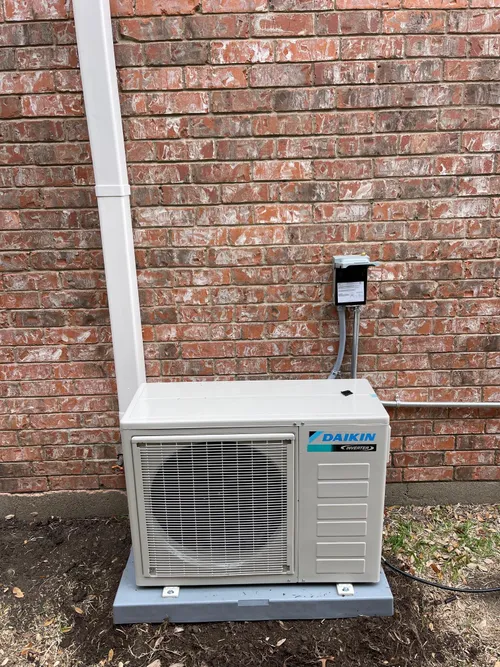
Mullins Mechanical Air Conditioning & Heating is an HVAC company serving Dallas, TX. Established in 1979, they provide installation, repair, and maintenance services for air conditioning, furnaces, heat pumps, and indoor air quality systems for both residential and commercial properties. Their certified technicians focus on preventative maintenance and servicing all makes and models to help avoid additional repair costs. Mullins Mechanical emphasizes clear pricing and guarantees their work.
Why a Heat Pump is a Smart Choice for DeSoto Homes
The climate in DeSoto and the broader North Texas region is ideal for heat pump technology. Our mild winters, with average lows ranging from 35-45°F, mean a modern air-source heat pump can efficiently handle heating demands for the vast majority of the season, only requiring supplemental backup heat on the coldest 5-10 days of the year. Conversely, our long cooling season-lasting seven months or more-means the same unit functions as a highly efficient air conditioner. This dual functionality makes a heat pump a practical and cost-effective year-round comfort system, often reducing operating costs by up to 40% compared to traditional electric resistance or gas heating systems 1.
Types of Heat Pump Systems
Not all heat pumps are the same. The right choice for your home depends on your existing infrastructure and specific comfort needs.
Air-Source Heat Pumps: This is the most common type of system for residential use. It transfers heat between your home and the outside air. Modern models are highly efficient even in cooler temperatures, making them an excellent fit for the DeSoto climate 2.
Ductless Mini-Split Systems: These systems are ideal for homes without existing ductwork, for room additions, or for creating zoned comfort in specific areas. A mini-split consists of an outdoor compressor/condenser and one or more indoor air-handling units, connected by a small conduit. They offer flexible installation and individual room control 3 4.
Understanding Efficiency: What SEER Ratings Mean for You
A critical factor in your heat pump's performance and long-term cost is its efficiency rating, known as SEER (Seasonal Energy Efficiency Ratio) for cooling and HSPF (Heating Seasonal Performance Factor) for heating. Higher SEER ratings indicate greater efficiency and lower operating costs.
- Standard Efficiency (14-15 SEER): These are baseline models that meet minimum federal standards. They have a lower upfront cost but higher long-term energy consumption.
- Mid-Range Efficiency (16-18 SEER): This is a popular choice for homeowners seeking a balance between initial investment and energy savings. These units offer significantly improved performance over standard models.
- High-Efficiency (20+ SEER): These top-tier models often feature variable-speed compressors that adjust output to match your home's exact needs, providing superior comfort, ultra-quiet operation, and the highest possible energy savings. They typically qualify for the maximum available rebates and tax credits.
Cost Breakdown for Heat Pump Installation in DeSoto
The total cost of a heat pump project can vary widely based on the system's size, efficiency, and the complexity of the installation. Here's a general overview of what DeSoto homeowners can expect:
System & Installation: For a complete, professionally installed system, costs typically range from $6,500 to $15,000 or more 5. A standard 14-18 SEER system might fall between $4,200 and $11,000, while high-efficiency models (20+ SEER) can range from $12,000 to $18,500+ 5.
Common Add-Ons & Modifications:
- Ductwork Modifications/Repair: If your existing ducts are leaky, poorly sized, or non-existent, modifications can add $2,000 to $4,000 to the project, especially in older homes.
- Electrical Panel Upgrade: Modern heat pumps may require more power. Upgrading your electrical service panel can cost an additional $1,500 to $3,000.
Financial Incentives: To offset the upfront cost, homeowners may qualify for a federal tax credit of up to $2,000 for installing a qualifying high-efficiency heat pump through 2032 6 7. Additional rebates from local utility companies may also be available, improving the overall return on investment.
Find the perfect heat pump installation & replacement contractors for your needs
Get personalized recommendations and expert advice
The Installation Process: What to Expect
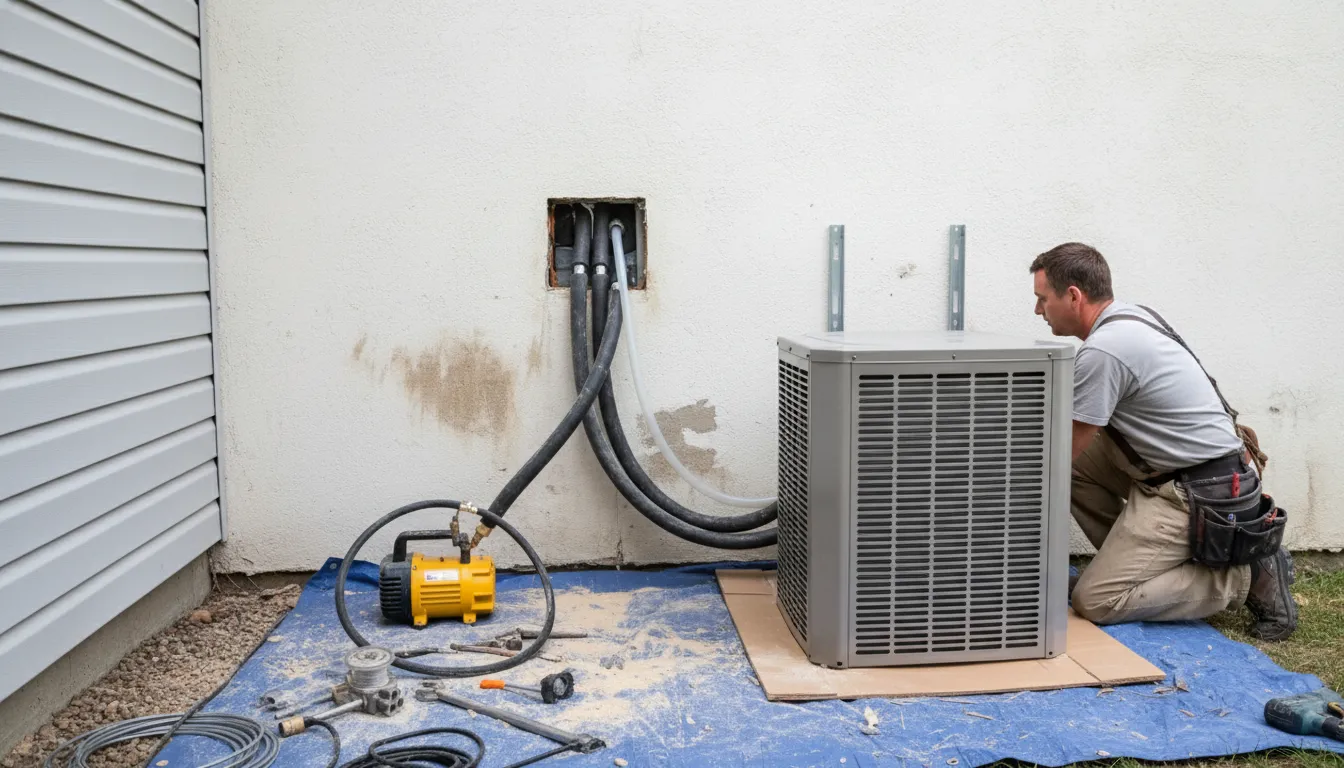
A professional heat pump installation is a multi-step process that ensures optimal performance and longevity. It typically begins with a detailed load calculation to correctly size the equipment for your home-a crucial step to avoid inefficiency and discomfort. The old system is then safely removed, and the new outdoor unit and indoor coil or air handler are set in place. Technicians will connect refrigerant lines, electrical wiring, and condensate drains, followed by a thorough evacuation of the system to remove moisture and air. After charging the system with refrigerant, the installer will test all modes of operation, calibrate the thermostat, and review the system's features with you.
Key Considerations Before You Invest
- Professional Sizing: Never guess your system size. An oversized unit will short-cycle (turn on and off too frequently), wasting energy and failing to properly dehumidify your air. An undersized unit will struggle to keep up on extreme days.
- Compatibility with Existing Equipment: If you're replacing an older system, your contractor will assess whether the existing indoor coil, air handler, and ductwork are compatible with the new heat pump for maximum efficiency.
- Warranty Coverage: Understand the manufacturer's warranty on parts and the compressor, as well as any labor warranty offered by the installation company. Proper registration of the equipment is often required to activate the full warranty.
- Backup Heat Source: Given our mild climate, a heat pump's built-in electric resistance "auxiliary heat" or "emergency heat" strips are usually sufficient for the handful of very cold days. Your installer can ensure this backup is properly integrated and sized.
Maintaining Your New System
To protect your investment and maintain peak efficiency, regular maintenance is essential. This includes changing air filters monthly, keeping the outdoor unit clear of debris and vegetation, and scheduling an annual professional tune-up. A maintenance visit typically involves cleaning coils, checking refrigerant levels, inspecting electrical components, and ensuring the system is operating safely and efficiently. Proper care can extend the life of your heat pump, prevent costly repairs, and keep your energy bills in check.
Frequently asked questions
Sources
Footnotes
-
Best Heating Systems for Texas Homes: Cost, Comfort and ... - https://colleyrefrigeration.com/best-heating-systems-texas-homes/ ↩
-
How Much Does a Heat Pump Cost? 2025 Expert Guide - https://www.solarreviews.com/blog/heat-pump-costs ↩
-
Heat Pump Cost & Replacement Cost Guide - Rahn Industries - https://rahnindustries.com/2023/08/08/heat-pump-replacement-cost-guide/ ↩
-
Which Heating System Is Best for Your Texas Home? - https://nappsac.com/blog/which-heating-system-is-best-for-your-home/ ↩
-
Heat Pump Installation Cost Texas 2025 - Jupitair HVAC - https://jupitairhvac.com/blog/heat-pump-installation-cost-guide-2025-north-texas/ ↩ ↩2
-
Heat Pumps in Texas | The Complete Guide for Homeowners - https://jupitairhvac.com/texas-hvac-guide/equipment/heat-pumps/ ↩
-
What Texans needs to know about heat pumps - https://environmentamerica.org/texas/center/articles/what-texans-needs-to-know-about-heat-pumps/ ↩