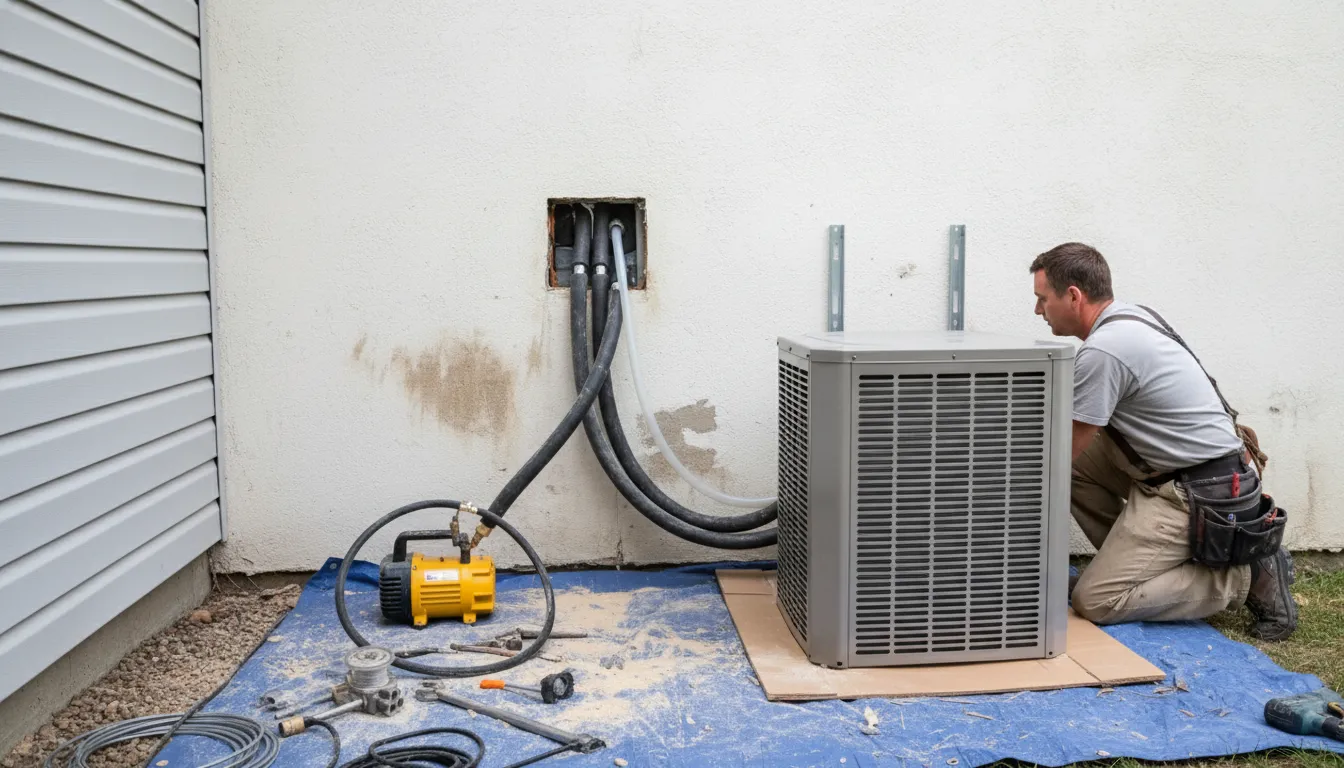
Find the Best Heat Pump Installation & Replacement Contractors for Your Business
No obligation • Fast responses • Nationwide coverage

Why you can trust HVAC Firms
HVAC Firms is a leading United States resource for evaluating HVAC service providers. Our team researches companies, checks credentials, and reviews customer feedback to present clear, unbiased information. Listings and rankings are based on merit, and companies cannot pay to change our editorial content.
Search providers near you
Top Heat Pump Installation & Replacement Contractors in Cedar Hill, Texas Ranked
Upgrading your home's heating and cooling system with a heat pump is a smart investment in year-round comfort and energy efficiency. For Cedar Hill residents, these systems are particularly well-suited, offering a single, dual-purpose solution that provides efficient cooling in our hot summers and reliable heating during the mild Texas winters. This guide will help you understand the types of systems available, key efficiency metrics, and what to consider when looking for a qualified local professional to handle your installation or replacement project.
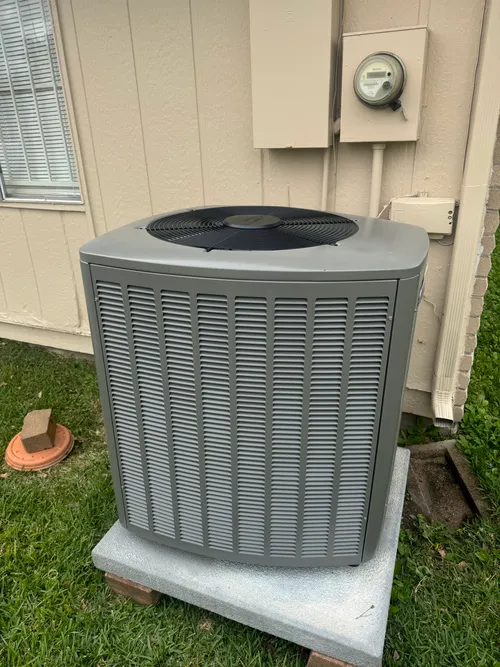
United States Home Services
1805 Royal Ln #101, Dallas, TX 75229
United States Home Services is a Dallas, TX-based company specializing in HVAC, plumbing, and insulation solutions. They provide a range of services including air conditioning, furnace, and heat pump repair and installation, as well as HVAC tune-ups. With over 20 years of experience, they serve homeowners throughout the Dallas metroplex, offering reliable and transparent service. One of their key capabilities is providing custom HVAC installations tailored to home comfort needs. The company emphasizes clear pricing and customer satisfaction, backed by a 100% satisfaction guarantee.
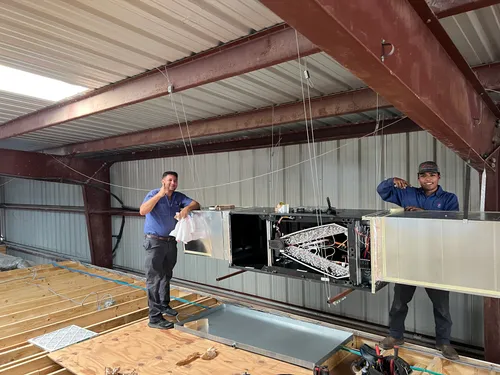
Aircons Heat & Better Air Inc
220 Commercial St, Garland, TX 75040
Aircons Heat & Better Air Inc is an HVAC company based in Dallas, TX, offering a wide range of heating and cooling services. They provide air conditioning and furnace repair, installation of heat pumps and geothermal systems, duct cleaning, thermostat installation, and indoor air quality solutions for both residential and commercial clients. The company is a certified Trane dealer and has over 15 years of experience in the industry. Their team is trained to handle all major HVAC brands and systems. Aircons Heat & Better Air Inc also offers financing options and is available for service calls day and night.

Tiger Air
17606 Preston Rd, Dallas, TX 75252
Tiger Air is an HVAC company based in Dallas, TX, offering heating and cooling services including furnace repair, AC installation, heat pump repair, and HVAC tune-ups. Serving Dallas County and surrounding areas, they provide both residential and commercial HVAC solutions. Established in 2016, Tiger Air is known for its certified technicians and comprehensive maintenance plans. Their team operates 13 hours daily to address heating and cooling needs efficiently.
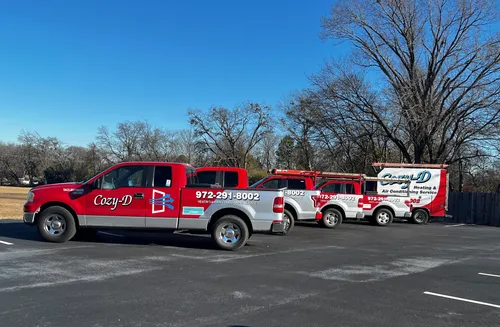
Cozy - D Heating & A/C LLC
117 Elston Dr, Dallas, TX 75232
Cozy - D Heating & A/C LLC is an HVAC company based in Dallas, TX, serving the Dallas-Fort Worth metroplex. They provide heating, ventilation, and air conditioning services including installation, repair, and maintenance of systems such as furnaces, heat pumps, central air systems, and ductless mini-splits. With over 27 years in business since 1997, Cozy - D offers comprehensive HVAC solutions and emphasizes quality workmanship. Their technicians are drug tested and background checked, and they provide support six days a week.
Mullins Mechanical Air Conditioning & Heating
Dallas, TX
Mullins Mechanical Air Conditioning & Heating is an HVAC company serving Dallas, TX. Established in 1979, they provide installation, repair, and maintenance services for air conditioning, furnaces, heat pumps, and indoor air quality systems for both residential and commercial properties. Their certified technicians focus on preventative maintenance and servicing all makes and models to help avoid additional repair costs. Mullins Mechanical emphasizes clear pricing and guarantees their work.
Why a Heat Pump is a Great Fit for Cedar Hill
The climate in North Texas, including Cedar Hill, is ideal for heat pump technology. These systems excel in moderate temperatures, which perfectly describes our winter season. Instead of generating heat like a traditional furnace, a heat pump transfers existing heat from the outside air into your home, a process that is remarkably energy-efficient when outdoor temperatures are above freezing 1. This means you can significantly reduce or even eliminate your reliance on a natural gas furnace for most of the year, leading to lower utility bills. In the summer, the system reverses, acting as a highly efficient central air conditioner by removing heat from your indoor air. This dual functionality makes a heat pump a versatile and cost-effective choice for managing your home's climate.
Understanding Heat Pump Types
Not all heat pump systems are the same. The right choice for your Cedar Hill home depends on your existing ductwork, your home's layout, and your specific comfort needs.
Ducted Air-Source Heat Pumps
This is the most common type of installation, especially in homes with existing ductwork. A ducted air-source heat pump (ASHP) replaces a traditional outdoor air conditioning unit and pairs with an indoor air handler. It uses your home's current duct system to distribute conditioned air throughout all connected rooms. This is an excellent option for a whole-home replacement of an aging AC and furnace combo, providing seamless, integrated heating and cooling.
Ductless Mini-Split Systems
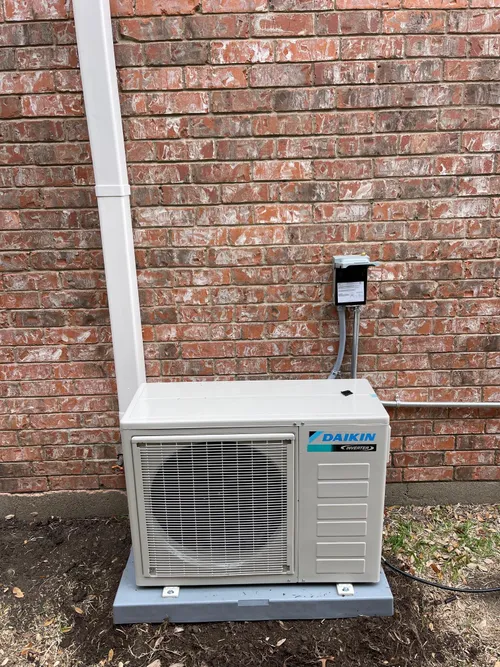
For homes without ducts, room additions, sunrooms, or garages, ductless mini-splits are an ideal solution. These systems consist of an outdoor compressor unit connected to one or more sleek, wall-mounted indoor air handlers via a small refrigerant line. They offer incredible flexibility for "zoning," allowing you to control the temperature in individual rooms. This can lead to even greater energy savings, as you only condition the spaces you are using.
Dual-Fuel or Hybrid Systems
While Cedar Hill's winters are mild, we do experience occasional cold snaps. A dual-fuel system combines an air-source heat pump with a backup gas furnace. The heat pump handles the heating load for the majority of the season, and the system automatically switches to the gas furnace when outdoor temperatures drop too low for the heat pump to operate efficiently. This setup provides the ultimate in efficiency and peace of mind, ensuring comfort regardless of the weather.
Decoding Efficiency: SEER2 and HSPF2
When comparing heat pumps, you'll encounter two crucial efficiency ratings: SEER2 and HSPF2. Understanding these will help you choose a system that maximizes your savings.
- SEER2 (Seasonal Energy Efficiency Ratio 2): This measures the cooling efficiency of the system over an entire season. The higher the SEER2 number, the more efficient the unit is at cooling your home. Modern systems typically range from around 14 to over 21 SEER2.
- HSPF2 (Heating Seasonal Performance Factor 2): This measures the heating efficiency. A higher HSPF2 rating means the unit provides more heat for the electricity it consumes. Look for models with an HSPF2 of 8.5 or higher to qualify for federal incentives.
Investing in a unit with higher efficiency ratings will have a higher upfront cost but will pay you back through significantly lower monthly energy bills for years to come.
Financial Incentives and Cost Considerations
The initial investment for a heat pump installation can be substantial, but several factors help offset this cost and improve the long-term value.
Federal Tax Credits: Homeowners can take advantage of a federal tax credit for installing a qualifying high-efficiency heat pump. This credit is worth 30% of the total project cost, up to a maximum of $2,000 2. To qualify, the system must meet specific minimum SEER2 and HSPF2 ratings (e.g., 16 SEER2 and 8.5 HSPF2). Be sure to discuss this with your installer and keep all product specification sheets for your tax records.
Typical Cost Ranges: Installation costs in Cedar Hill vary widely based on system type, size (measured in tons), efficiency, and the complexity of the installation (like modifying existing ductwork).
- Standard Ducted Air-Source Heat Pump: A full system replacement typically ranges from $6,000 to $14,000 or more installed 3.
- Ductless Mini-Split System: Costs are usually $3,500 to $7,000 per indoor zone (air handler), plus the cost of the outdoor unit4 5.
- Dual-Fuel System: Expect costs on the higher end of the ducted system range, as it involves installing both a heat pump and a gas furnace.
While the upfront price is higher than replacing just an air conditioner, remember that a heat pump replaces two appliances-your AC and your furnace. The long-term energy savings and increased home comfort provide excellent value over the system's lifespan.
Find the perfect heat pump installation & replacement contractors for your needs
Get personalized recommendations and expert advice
The Importance of Professional Sizing and Installation
A perfectly efficient heat pump will underperform if it is not correctly sized for your home. An undersized unit will struggle to keep up on the hottest or coldest days, while an oversized unit will short-cycle (turn on and off too frequently), leading to uneven temperatures, excess humidity in summer, and unnecessary wear and tear. A reputable professional will perform a Manual J load calculation, which considers your home's square footage, insulation, window types, and local climate to determine the precise system capacity needed.
Installation quality is equally critical. Proper refrigerant charging, secure electrical connections, and optimal placement of the outdoor unit all directly impact system performance, efficiency, and longevity. Always choose a licensed and insured contractor with proven experience in heat pump installations.
Maintaining Your Heat Pump for Peak Performance
To protect your investment and ensure your system runs efficiently for its full 15+ year lifespan, regular maintenance is key. Homeowners should:
- Keep the outdoor unit clear of debris, leaves, and vegetation (allow at least 2 feet of clearance).
- Regularly replace or clean the indoor air filter (usually every 1-3 months).
- Ensure vents and registers inside the home are not blocked by furniture or curtains.
It is also highly recommended to schedule a professional maintenance visit twice a year-ideally in the spring before cooling season and in the fall before heating season. A technician will clean the coils, check refrigerant levels, inspect electrical components, and ensure the system is operating safely and at peak efficiency.
Frequently asked questions
Sources
Footnotes
-
Are Heat Pumps Efficient in Texas' Climate? - Rhythm Energy - https://www.gotrhythm.com/blog/are-heat-pumps-worthwhile-for-texas-summers-and-winters ↩
-
What Texans needs to know about heat pumps - https://environmentamerica.org/texas/center/articles/what-texans-needs-to-know-about-heat-pumps/ ↩
-
2026 Heat Pump Costs | Purchase, Installation & Repair - Carrier - https://www.carrier.com/residential/en/us/products/heat-pumps/how-much-does-a-heat-pump-cost/ ↩
-
Heat Pumps in Texas | The Complete Guide for Homeowners - https://jupitairhvac.com/texas-hvac-guide/equipment/heat-pumps/ ↩
-
Heat Pump Price Guides - https://heatpumppriceguides.com/ ↩