
Find the Best Geothermal Heat Pump Contractors for Your Business
No obligation • Fast responses • Nationwide coverage

Why you can trust HVAC Firms
HVAC Firms is a leading United States resource for evaluating HVAC service providers. Our team researches companies, checks credentials, and reviews customer feedback to present clear, unbiased information. Listings and rankings are based on merit, and companies cannot pay to change our editorial content.
Search providers near you
Top Geothermal Heat Pump Contractors in Portsmouth, Virginia Ranked
A geothermal heat pump, also known as a ground-source heat pump, is a highly efficient system for heating and cooling your home by exchanging heat with the stable temperature of the earth. For Portsmouth residents, this technology offers a powerful way to reduce energy bills and environmental impact while ensuring year-round comfort. This guide explains how these systems work, the installation process, and how you can find qualified local experts to evaluate your property for a geothermal solution.
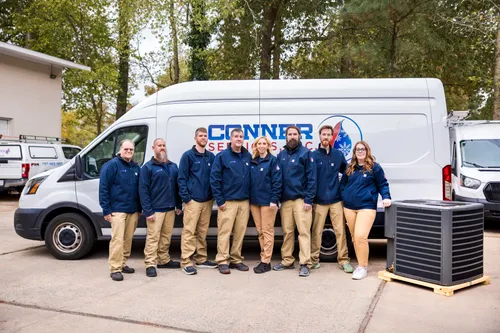
Conner Services Inc
1359 Virginia Beach Blvd, Virginia Beach, VA 23454
Conner Services Inc provides a wide range of heating, ventilation, and air conditioning services in Virginia Beach, VA. Their skilled technicians handle HVAC installation, repair, and maintenance for systems including furnaces, heat pumps, mini-splits, geothermal units, and ductwork. They also offer indoor air quality solutions such as filtration and UV lights, as well as smart home HVAC accessories. The company emphasizes energy-efficient options and comprehensive seasonal tune-ups to maintain system performance. Conner Services Inc holds multiple professional licenses and offers a one-year labor warranty on all services.
Galactic Air Incorporated
420 Investors Pl #107, Virginia Beach, VA 23452
Galactic Air Incorporated is a locally owned HVAC company serving Virginia Beach, VA, and the surrounding South Hampton Roads area. They provide a wide range of services including repair and installation of air conditioners, heat pumps, gas furnaces, geothermal heat pumps, ductless mini split systems, and water heaters. Their technicians are nationally certified and trained on the latest HVAC technologies, with a focus on systems like Trane. Galactic Air also offers indoor air quality services and ductwork repair or replacement. The company emphasizes attention to detail and professional service in both residential and commercial settings.
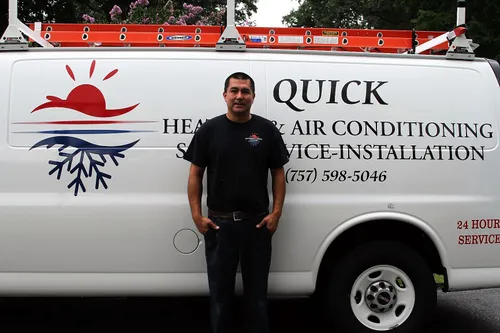
Quick Heating and Air Conditioning
207 Hollywood Blvd, Yorktown, VA 23692
Quick Heating and Air Conditioning is an HVAC company serving Virginia Beach, VA, and the surrounding Hampton Roads area. They provide repair and installation services for furnaces, heat pumps, air conditioning units, boilers, mini splits, geothermal heat pumps, and related systems. The company works with various brands and handles both residential and commercial projects. Quick Heating and Air Conditioning emphasizes honest and cost-effective solutions tailored to customer needs.
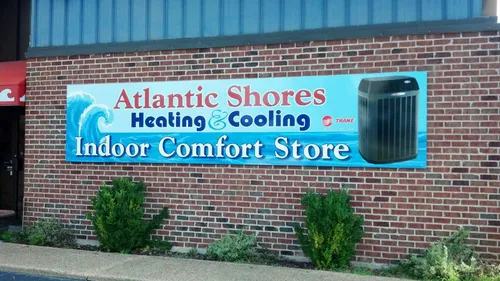
Atlantic Shores Heating and Cooling
3500 Robs Dr, Suffolk, VA 23434
Atlantic Shores Heating and Cooling is a family-owned HVAC company serving Chesapeake, VA, and surrounding areas. They provide a full range of heating and cooling services including air conditioner, furnace, heat pump, mini split, and geothermal heat pump repair, installation, and maintenance. The company also offers indoor air quality solutions and duct cleaning to help improve home environments. Founded in 1995, Atlantic Shores Heating and Cooling has over 20 years of experience and provides 24/7 emergency services to address urgent HVAC needs.

Puffin Mechanical
Virginia Beach, VA
Puffin Mechanical is a family-owned HVAC company serving Virginia Beach, VA, and the broader Hampton Roads area. With over 23 years of experience, they provide heating and cooling repair, replacement, and maintenance for heat pumps, air conditioners, furnaces, mini-splits, geothermal systems, and rooftop units. Their services include comprehensive HVAC tune-ups, home performance testing with blower door and infrared thermography, as well as air sealing and attic insulation to improve energy efficiency and indoor air quality. Puffin Mechanical focuses on reducing energy consumption to benefit both customers and the environment.
How Geothermal Heating and Cooling Works
At its core, a geothermal system uses the earth as a giant thermal battery. Just a few feet below the surface, the ground maintains a nearly constant temperature of 50-60°F year-round, regardless of the summer heat or winter chill above 1. A geothermal heat pump leverages this stable resource through a simple, brilliant process.
The system consists of two main parts: the ground loop and the heat pump unit. A water-based solution circulates through a network of pipes, called the ground loop, buried in your yard 2. In the winter, this fluid absorbs the earth's natural warmth. The heat pump then concentrates this low-grade thermal energy and transfers it to your home's air distribution system, providing warm air through your ducts. In the summer, the process reverses: the system extracts heat from your home's air and transfers it into the cooler ground loop fluid, which then dissipates the heat into the earth, leaving your home comfortably cooled. This efficient heat exchange process is why ground-source systems can drastically cut energy consumption for climate control.
Types of Ground Loop Systems for Portsmouth Properties
The configuration of the underground piping is a critical decision in geothermal installation. The right choice depends heavily on your property's characteristics-lot size, soil composition, and access to water. Here are the common loop types evaluated for homes in the Hampton Roads area.
Horizontal Closed Loop This is often the most cost-effective option if space allows. Contractors dig trenches four to six feet deep across a significant area of your yard-typically requiring ¼ to ¾ of an acre for an average home 3. Pipes are laid in these trenches in a slinky-coil or straight-run configuration. This method is well-suited for properties with ample land and is commonly used in Virginia's prevalent clay soils.
Vertical Closed Loop For homeowners with smaller lots, a vertical ground source heat pump system is the ideal solution. Contractors drill deep boreholes, typically 150 to 400 feet deep, and insert U-shaped pipe loops into each hole 4 5. The holes are then grouted. While the drilling increases the upfront cost, this system requires minimal horizontal land area, making it perfect for urban or suburban lots in Portsmouth neighborhoods.
Pond/Lake Loop If your property has access to a sufficient pond or lake, this can be an excellent option. Coils of pipe are submerged at a depth where water temperatures remain stable. The body of water acts as the heat exchange medium. This method usually has lower installation costs than drilling, provided the water source is adequate in volume and depth year-round 6 7.
Open Loop System An open loop system uses groundwater directly from a well. It pumps water from an aquifer through the heat pump and then discharges it, typically to a second well, pond, or approved drainage field. This system can be very efficient but requires an abundant, high-quality water source and compliance with local codes regarding water discharge.
The Geothermal Installation Process: What to Expect
Installing a residential geothermal system is a significant project that requires professional expertise. Understanding the steps can help you prepare and choose the right contractor.
-
Initial Site Assessment and Design: A qualified installer will first evaluate your home's heating and cooling loads, the condition of existing ductwork, and your property's characteristics. They will perform a geological survey to determine soil composition and thermal conductivity, which informs the design and sizing of the ground loop and heat pump unit.
-
Ground Loop Installation: This is the most substantial part of the project. For a horizontal system, heavy equipment will trench your yard. For a vertical system, a drilling rig will be brought in to create the boreholes. The high-density polyethylene pipes are then placed, connected into a continuous loop, and pressure-tested to ensure integrity before being buried or grouted.
-
Heat Pump and Indoor Component Installation: The indoor heat pump unit, which is typically about the size of a traditional furnace, is installed in your basement, utility room, or garage. It is connected to the ground loop and to your home's ductwork. If you don't have ducts, the system can be configured for ductless delivery in some cases 8.
-
Connection and Commissioning: The final stage involves connecting the electrical wiring and control systems. The installer will fill the loop with fluid, purge air from the lines, and start the system. They will test and balance the entire system to ensure it operates at peak efficiency and provide you with instructions on its use and maintenance 9.
Find the perfect geothermal heat pump contractors for your needs
Get personalized recommendations and expert advice
Benefits and Considerations for Portsmouth Homeowners
Choosing a geothermal system for your Portsmouth home comes with a compelling set of advantages, alongside important factors to weigh.
Substantial Energy Savings This is the most significant benefit. By tapping into the earth's consistent temperature, geothermal heat pumps operate with remarkable efficiency. They can reduce energy consumption for heating and cooling by up to 65-70% compared to conventional systems like furnaces and standard air conditioners 10 11. For homeowners facing Virginia's humid summers and chilly winters, this translates into dramatically lower utility bills.
Long-Term Reliability and Low Maintenance The ground loop is built from durable materials with a lifespan often exceeding 50 years. The indoor heat pump unit typically lasts 20-25 years, which is longer than the average air conditioner or furnace. With fewer mechanical parts exposed to the elements, these systems generally require less maintenance than traditional HVAC systems 12.
Environmental Impact and Comfort Geothermal systems use electricity to move heat, not to create it by burning fuel. This results in a significant reduction in your home's carbon footprint. Furthermore, they operate very quietly, provide even heating and cooling without hot or cold spots, and can be configured to supply a portion of your home's hot water, increasing overall efficiency 13.
Understanding the Investment The major consideration is the upfront installation cost, which is higher than that of a traditional HVAC system. For an average home in Portsmouth, total installation costs, including the ground loop and heat pump, often range from $20,000 to $40,000 or more, depending heavily on the loop type and property conditions 14 15. It's crucial to view this as a long-term investment. The monthly energy savings, combined with potential federal tax credits (like the Residential Clean Energy Credit) and stable, low operating costs, contribute to a favorable payback period over the life of the system.
Is Geothermal Right for Your Home?
Geothermal technology is a superb fit for many, but not all, properties. It is an especially wise consideration if you are building a new home, replacing an aging and inefficient HVAC system, or have a high annual heating and cooling bill. The suitability largely depends on your land. A larger, clear yard may favor a horizontal loop, while a compact urban lot may necessitate a vertical system. The first step is always a professional consultation with an experienced local installer who can provide a detailed analysis of your home's potential for geothermal heating and cooling.
Frequently asked questions
Sources
Footnotes
-
How a Geothermal Heat Pump Works | This Old House - https://www.youtube.com/watch?v=d5Tbsx3R2T8 ↩
-
Geothermal Heat Pumps | WBDG - https://www.wbdg.org/resources/geothermal-heat-pumps ↩
-
How Do Geothermal Systems Work for Residential Homes? - https://www.davisheat.com/blog/how-do-geothermal-systems-work-for-residential-homes/ ↩
-
Geothermal heat pumps: The ultimate guide to ground-source heat ... - https://termo-plus.com/blog/geothermal-ultimate-guide-to-ground-source-heat-pumps/ ↩
-
Ground source heat pumps: costs, savings and benefits - https://energysavingtrust.org.uk/advice/ground-source-heat-pumps/ ↩
-
Geothermal heat pumps are among the most earth-friendly home ... - https://www.whispervalleyaustin.com/geothermal-heat-pumps-are-among-the-most-earth-friendly-home-energy-sources-experts-say/ ↩
-
Geothermal Heating, Cooling, and Hot Water Systems - https://igshpa.org/wp-content/uploads/Homeowners-Guide-to-Geothermal.pdf ↩
-
All You Need to Know About Home Geothermal Heating & Cooling - Dandelion Energy - https://dandelionenergy.com/all-you-need-to-know-about-home-geothermal-heating-cooling ↩
-
Geothermal Heat Pump Installation Overview | EnergySage - https://www.energysage.com/heat-pumps/installing-geothermal-heat-pump/ ↩
-
5 Things You Should Know about Geothermal Heat Pumps - https://www.energy.gov/cmei/articles/5-things-you-should-know-about-geothermal-heat-pumps ↩
-
How Does a Geothermal System Work? - ClimateMaster - https://www.climatemaster.com/homeowner/side-links/how-it-works ↩
-
Understanding Geothermal Heating & Cooling Systems - https://www.tchvac.net/news/geothermal-heating-and-cooling-explained ↩
-
Geothermal Heat Pumps | Department of Energy - https://www.energy.gov/energysaver/geothermal-heat-pumps ↩
-
How Does A Geothermal Heat Pump Work? Complete 2025 ... - https://solartechonline.com/blog/how-does-geothermal-heat-pump-work/ ↩
-
Geothermal Heat Pump Guide: Installation Costs, Types And Benefits - https://modernize.com/hvac/heating-repair-installation/heat-pump/geothermal ↩