Find the Best Geothermal Heat Pump Contractors for Your Business
No obligation • Fast responses • Nationwide coverage

Why you can trust HVAC Firms
HVAC Firms is a leading United States resource for evaluating HVAC service providers. Our team researches companies, checks credentials, and reviews customer feedback to present clear, unbiased information. Listings and rankings are based on merit, and companies cannot pay to change our editorial content.
Search providers near you
Best Geothermal Heat Pump Contractors in Virginia Ranked
Geothermal heat pumps, also known as ground-source heat pumps, are a highly efficient heating and cooling technology that leverages the stable temperatures of the earth. For Virginia homeowners, this system offers a path to significant energy savings, reduced carbon footprint, and long-term comfort. This guide explains how geothermal works in the Commonwealth, covering the installation process, costs, incentives, and regulations, so you can make an informed decision and connect with qualified local professionals.
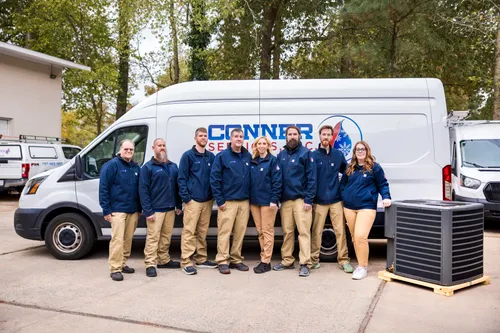
Conner Services Inc
1359 Virginia Beach Blvd, Virginia Beach, VA 23454
Conner Services Inc provides a wide range of heating, ventilation, and air conditioning services in Virginia Beach, VA. Their skilled technicians handle HVAC installation, repair, and maintenance for systems including furnaces, heat pumps, mini-splits, geothermal units, and ductwork. They also offer indoor air quality solutions such as filtration and UV lights, as well as smart home HVAC accessories. The company emphasizes energy-efficient options and comprehensive seasonal tune-ups to maintain system performance. Conner Services Inc holds multiple professional licenses and offers a one-year labor warranty on all services.
Galactic Air Incorporated
420 Investors Pl #107, Virginia Beach, VA 23452
Galactic Air Incorporated is a locally owned HVAC company serving Virginia Beach, VA, and the surrounding South Hampton Roads area. They provide a wide range of services including repair and installation of air conditioners, heat pumps, gas furnaces, geothermal heat pumps, ductless mini split systems, and water heaters. Their technicians are nationally certified and trained on the latest HVAC technologies, with a focus on systems like Trane. Galactic Air also offers indoor air quality services and ductwork repair or replacement. The company emphasizes attention to detail and professional service in both residential and commercial settings.

Automatic Climate HVAC & Air Conditioning
5601 Biggs Rd, Richmond, VA 23224
Automatic Climate HVAC & Air Conditioning has been serving Richmond, VA since 1983, offering a wide range of HVAC services for residential and commercial clients. They specialize in the installation, repair, and maintenance of traditional, geothermal, and mini-split heating and cooling systems. Their expertise includes comprehensive HVAC solutions designed to maintain efficient and reliable climate control throughout the year. With over 40 years of experience, Automatic Climate is equipped to handle everything from routine tune-ups to full system replacements in the Richmond area.

Owens Heating & Air Conditioning, Inc.
1542 Penniman Rd A, Williamsburg, VA 23185
Owens Heating & Air Conditioning, Inc. is a family-owned HVAC company serving Chesapeake, VA, and the surrounding Hampton Roads area. With over 40 years of experience, they provide a full range of heating and cooling services including installation, repair, and maintenance of air conditioners, furnaces, heat pumps, boilers, and geothermal systems. They also offer indoor air quality solutions, gas line services, thermostat installation, and water heating services. Owens Heating & Air Conditioning is an authorized dealer for major HVAC brands and provides 24-hour emergency service to address urgent HVAC needs.
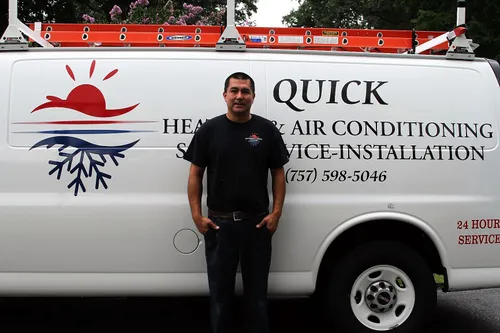
Quick Heating and Air Conditioning
207 Hollywood Blvd, Yorktown, VA 23692
Quick Heating and Air Conditioning is an HVAC company serving Virginia Beach, VA, and the surrounding Hampton Roads area. They provide repair and installation services for furnaces, heat pumps, air conditioning units, boilers, mini splits, geothermal heat pumps, and related systems. The company works with various brands and handles both residential and commercial projects. Quick Heating and Air Conditioning emphasizes honest and cost-effective solutions tailored to customer needs.
How Geothermal Systems Work in Virginia's Climate
A geothermal heat pump system doesn't create heat by burning fuel; it moves it. In the winter, it extracts heat from the ground and transfers it into your home. In the summer, the process reverses, pulling heat from your home and depositing it into the cooler earth. This exchange is possible because just a few feet below the surface, the ground maintains a relatively constant temperature year-round, typically between 50°F and 60°F in Virginia.
This stable thermal source makes geothermal exceptionally efficient, especially in Virginia's varied climate, which includes hot, humid summers and cold winters. Unlike air-source heat pumps that lose efficiency in extreme cold, a ground-source system provides consistent, reliable heating and cooling because it's working with the earth's steady temperature.
Key Benefits for Virginia Homeowners
Installing a geothermal heating and cooling system offers several compelling advantages:
- Substantial Energy Savings: Geothermal systems can reduce energy consumption for heating and cooling by 40% to 70% compared to conventional systems like furnaces and standard air conditioners 1. This translates directly to lower monthly utility bills.
- Long System Lifespan: The indoor heat pump unit typically lasts 25 to 30 years, while the underground piping loop (the most expensive component) can last 50 years or more with minimal maintenance. This far exceeds the lifespan of most traditional HVAC equipment.
- Low Operating Costs: After the initial investment, the cost to heat and cool your home is significantly lower due to the system's high efficiency, measured by its Coefficient of Performance (COP) and Energy Efficiency Ratio (EER) 2.
- Environmental Friendliness: By using renewable thermal energy from the ground and electricity, these systems drastically reduce greenhouse gas emissions associated with home comfort.
- Quiet Operation and Comfort: With no noisy outdoor condenser unit, operation is very quiet. The systems also provide more consistent temperatures and better humidity control than forced-air systems.
Understanding Installation Costs and Payback
The primary consideration for most homeowners is the upfront cost. In Virginia, a complete geothermal heat pump installation typically ranges from $20,000 to $60,000 or more 3. The wide range depends on several factors:
- System Size: Measured in tons, based on your home's heating and cooling load.
- Loop Type: The ground loop configuration (explained below) is a major cost driver.
- Site Conditions: Soil composition, land availability, and accessibility.
- Existing Ductwork: Whether your home can use existing ducts or requires new ones.
For a typical 3-ton residential system, the heat pump unit itself may cost around $7,500, with the remainder of the budget going toward the ground loop installation, labor, and other components 4.
While the initial price is high, the payback period-the time it takes for energy savings to equal the installation cost-is often between 5 and 10 years in Virginia. With the addition of federal and state incentives, this period can be even shorter. Over the system's 25+ year life, the total savings on energy bills are substantial, making it a sound long-term investment.
Find the perfect geothermal heat pump contractors for your needs
Get personalized recommendations and expert advice
Virginia-Specific Incentives and Rebates
Financial incentives are crucial for making geothermal technology accessible. Virginia residents can leverage a powerful combination of federal, state, and utility programs.
- Federal Tax Credit: The Residential Clean Energy Credit provides a 30% tax credit on the total installed cost of a qualifying geothermal heat pump system. This credit has been extended through 2032 5.
- Virginia Home Energy Rebates: State programs, often income-dependent, can provide additional rebates. For example, heat pump installations may qualify for rebates up to $8,000 6.
- Utility Rebates: Check with your local utility provider. Dominion Energy has historically offered equipment rebates (e.g., $750 per ton) and discounts through energy efficiency programs 7 8.
- Renewable Energy Credits (RECs): Some programs, like those offered through partners such as the Carbon Solutions Group, may allow homeowners to earn RECs for the clean energy their system produces, creating potential ongoing revenue.
Always verify the current status and details of these programs with your installer or the administering agency, as they can change.
Site Assessment and Ground Loop Options
A professional site evaluation is the first critical step. An installer will assess your property's suitability, which depends on:
- Soil Composition: Clay soils transfer heat better than sandy soils, which can influence loop design and efficiency 9 10.
- Groundwater: A high water table can enhance heat transfer and may make certain loop types more effective.
- Land Availability: Do you have sufficient open land for a horizontal loop, or will you need a vertical system?
Based on this assessment, one of three primary ground loop types will be recommended:
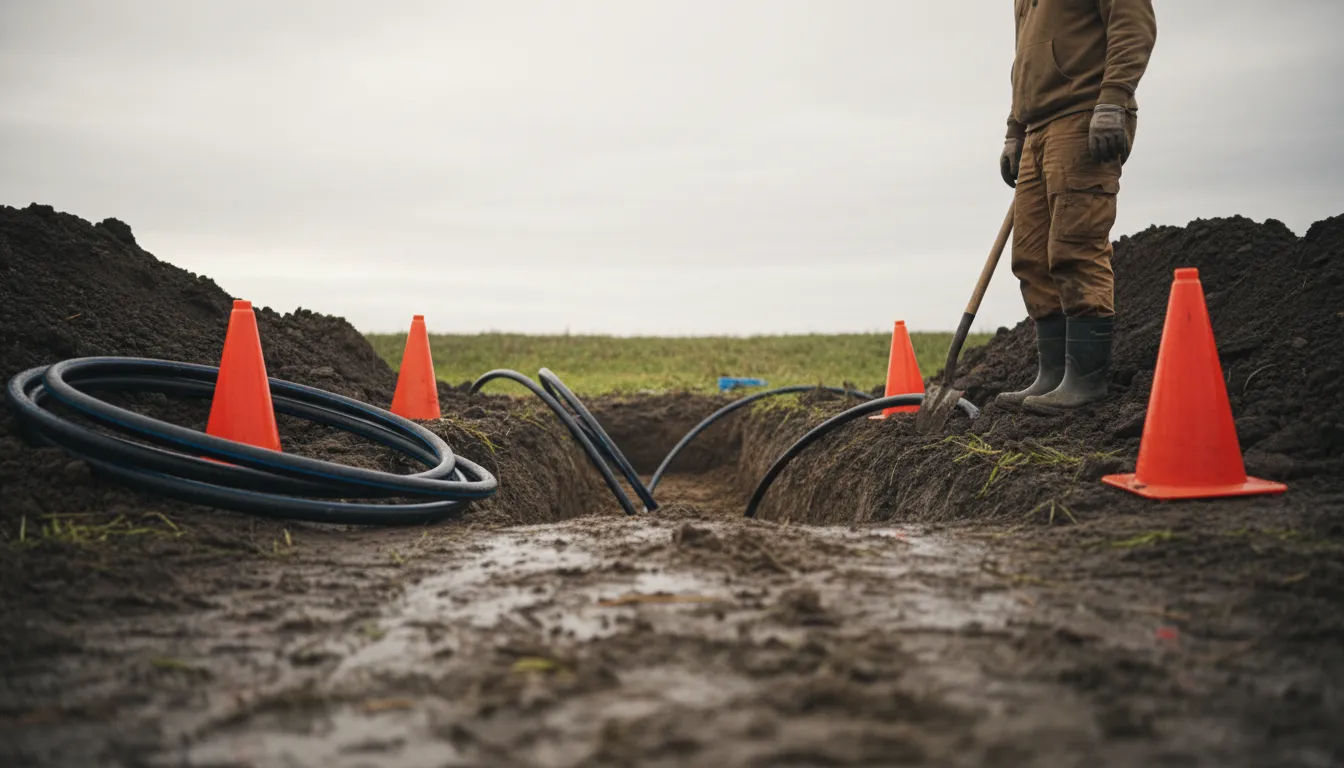
- Horizontal Loop: Pipes are laid in trenches 4 to 6 feet deep. This is the most cost-effective option but requires a significant amount of open land.
- Vertical Loop: Pipes are inserted into deep boreholes (150 to 450 feet). This is ideal for smaller lots and often has higher installation costs due to drilling.
- Pond/Lake Loop: If a sufficient body of water is available, a coil of pipe can be placed at the bottom. This is often the most efficient and least expensive option, but it's not available to most homeowners 11.
The Installation Process: Permits and Steps
Installing a geothermal system in Virginia involves specific regulatory steps, primarily managed by the Virginia Department of Environmental Quality (DEQ) for the drilling/well component.
- Consultation & Design: A certified installer evaluates your home and designs the system.
- Permitting: The installer must obtain a permit from the DEQ for the geothermal well (ground loop). This process includes submitting an application, and in some cases, posting a bond (typically $10,000-$25,000+) to ensure proper well closure and site restoration 12 13. An "express permit" may be available for simpler installations 14.
- Loop Installation: Drilling (vertical) or trenching (horizontal) begins once permits are approved.
- System Installation: The indoor heat pump unit is installed and connected to the loop and your home's ductwork or hydronic system.
- Inspection & Activation: The DEQ may inspect the well installation. After passing all inspections, the system is charged, tested, and activated.
Maintenance and Long-Term Care
One of the appealing aspects of geothermal systems is their low maintenance requirement. The underground loop is virtually maintenance-free for decades. Annual maintenance should focus on the indoor heat pump unit, similar to a traditional HVAC system, including checking filters, coils, and refrigerant levels. Always consult your installation professional for a specific maintenance plan to ensure peak efficiency and longevity.
Frequently asked questions
Sources
Footnotes
-
Geothermal Heat Pumps: Cost and Installation - https://www.energyhomes.org/renewable-technology/geoinstallation.html ↩
-
Guide to Geothermal Heat Pumps - https://www.energy.gov/sites/prod/files/guide_to_geothermal_heat_pumps.pdf ↩
-
Geothermal Heat Pump Guide: Installation Costs, Types And Benefits - https://modernize.com/hvac/heating-repair-installation/heat-pump/geothermal ↩
-
Geothermal HVAC Installation Cost | Estimate $15K - $40K - https://geo-us.com/blog/geothermal-hvac-installation-cost-explained/ ↩
-
Geothermal Heat Pumps | Falls Church, VA - Official Website - https://www.fallschurchva.gov/2282/Geothermal-Heat-Pumps ↩
-
Virginia Installer Overview January 2025.docx - Harvey Hottel - https://www.harveyhottel.com/wp-content/uploads/2025/01/Virginia-REC-Partner-Overview.pdf ↩
-
Geothermal Heat Pumps in Hampton Roads (2025) - https://kearneyandsons.com/blog/geothermal-heat-pumps-hampton-roads-2025 ↩
-
Geothermal HVAC Solutions | Virginia Beach, VA - Expert Air, Inc. - https://www.expertair757.com/geothermal ↩
-
The Complete Guide To Geothermal Heat Pump Installation - https://ultrageothermal.com/the-complete-guide-to-geothermal-heat-pump-installation/ ↩
-
SB893VG - 2025 Regular Session | LIS - https://lis.virginia.gov/bill-details/20251/SB893/text/SB893VG ↩
-
Geothermal Heat Pumps - Department of Energy - https://www.energy.gov/energysaver/geothermal-heat-pumps ↩
-
Chapter 170. Geothermal Energy Regulations - Virginia Law - https://law.lis.virginia.gov/admincodefull/title4/agency25/chapter170/ ↩
-
Virginia Administrative Code, Article 1, Section 12VAC5-630-272 - https://regulations.justia.com/states/virginia/title-12/agency-5/chapter-630/part-ii/article-1/section-12vac5-630-272/ ↩
-
12VAC5-630-271. Express geothermal well permits. - Virginia Law - https://law.lis.virginia.gov/admincode/title12/agency5/chapter630/section271/ ↩