Find the Best Geothermal Heat Pump Contractors for Your Business
No obligation • Fast responses • Nationwide coverage

Why you can trust HVAC Firms
HVAC Firms is a leading United States resource for evaluating HVAC service providers. Our team researches companies, checks credentials, and reviews customer feedback to present clear, unbiased information. Listings and rankings are based on merit, and companies cannot pay to change our editorial content.
Search providers near you
Top Geothermal Heat Pump Contractors in Newport News, Virginia Ranked
A geothermal heat pump is a highly efficient heating and cooling system that leverages the earth's stable underground temperature to regulate your home's climate. This technology, also known as a ground-source heat pump, is a smart long-term investment for Newport News homeowners, offering significant utility savings and environmental benefits. This guide explains how these systems work, what installation involves, and how you can find qualified local professionals to assess your property.
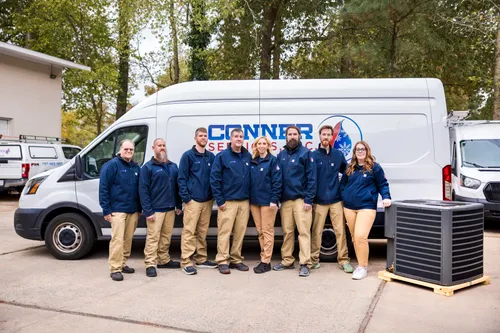
Conner Services Inc
1359 Virginia Beach Blvd, Virginia Beach, VA 23454
Conner Services Inc provides a wide range of heating, ventilation, and air conditioning services in Virginia Beach, VA. Their skilled technicians handle HVAC installation, repair, and maintenance for systems including furnaces, heat pumps, mini-splits, geothermal units, and ductwork. They also offer indoor air quality solutions such as filtration and UV lights, as well as smart home HVAC accessories. The company emphasizes energy-efficient options and comprehensive seasonal tune-ups to maintain system performance. Conner Services Inc holds multiple professional licenses and offers a one-year labor warranty on all services.
Galactic Air Incorporated
420 Investors Pl #107, Virginia Beach, VA 23452
Galactic Air Incorporated is a locally owned HVAC company serving Virginia Beach, VA, and the surrounding South Hampton Roads area. They provide a wide range of services including repair and installation of air conditioners, heat pumps, gas furnaces, geothermal heat pumps, ductless mini split systems, and water heaters. Their technicians are nationally certified and trained on the latest HVAC technologies, with a focus on systems like Trane. Galactic Air also offers indoor air quality services and ductwork repair or replacement. The company emphasizes attention to detail and professional service in both residential and commercial settings.

Owens Heating & Air Conditioning, Inc.
1542 Penniman Rd A, Williamsburg, VA 23185
Owens Heating & Air Conditioning, Inc. is a family-owned HVAC company serving Chesapeake, VA, and the surrounding Hampton Roads area. With over 40 years of experience, they provide a full range of heating and cooling services including installation, repair, and maintenance of air conditioners, furnaces, heat pumps, boilers, and geothermal systems. They also offer indoor air quality solutions, gas line services, thermostat installation, and water heating services. Owens Heating & Air Conditioning is an authorized dealer for major HVAC brands and provides 24-hour emergency service to address urgent HVAC needs.
Quick Heating and Air Conditioning
207 Hollywood Blvd, Yorktown, VA 23692
Quick Heating and Air Conditioning is an HVAC company serving Virginia Beach, VA, and the surrounding Hampton Roads area. They provide repair and installation services for furnaces, heat pumps, air conditioning units, boilers, mini splits, geothermal heat pumps, and related systems. The company works with various brands and handles both residential and commercial projects. Quick Heating and Air Conditioning emphasizes honest and cost-effective solutions tailored to customer needs.
Maximum Air Heating & Cooling Inc
Virginia Beach, VA
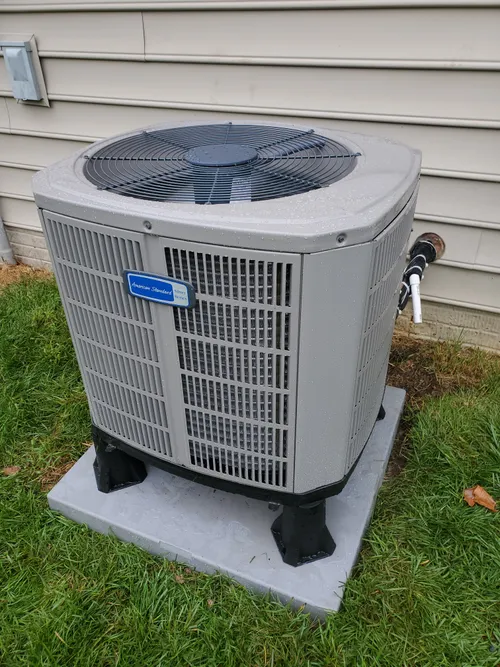
Maximum Air Heating & Cooling Inc is an HVAC company serving Virginia Beach, VA. They provide repair, installation, and maintenance services for air conditioning units, furnaces, heat pumps, and geothermal systems. Their offerings include system upgrades, indoor air quality solutions, ductwork repair, and thermostat installation. The company also specializes in energy-efficient technologies such as variable speed motors and energy recovery ventilators. Maximum Air has over 20 years of experience and is an authorized American Standard dealer. They emphasize safety and property protection during service visits.
How Geothermal Heating and Cooling Works
The core principle behind a geothermal system is remarkably simple: it uses the earth as a giant thermal battery. Just a few feet below the surface, the ground maintains a nearly constant temperature between 50°F and 60°F year-round, regardless of the summer heat or winter chill above. A geothermal heat pump taps into this stable energy source to provide both heating and air conditioning for your home.
Here's the basic cycle:
- In Winter: A fluid (typically water mixed with environmentally safe antifreeze) circulates through a loop of pipes buried in your yard, absorbing the earth's natural warmth. This slightly warmed fluid returns to the heat pump unit inside your home. The unit uses a refrigeration cycle to concentrate this low-grade heat and then distributes the resulting warm air through your existing ductwork or a separate air delivery system 1 2.
- In Summer: The process reverses. The heat pump extracts heat and humidity from your indoor air and transfers it into the circulating fluid. The now-warmed fluid travels through the underground loop, where it dissipates the heat into the cooler earth. Cooled air is then circulated back into your living spaces 3.
This exchange with the consistent ground temperature is what makes geothermal technology, or earth-coupled HVAC, so much more efficient than conventional air-source heat pumps or furnaces that must work harder against extreme outdoor air temperatures.
Types of Ground Loop Systems
The buried pipe network, called the ground loop, is the critical link between your home and the earth's energy. The right type of loop for your Newport News property depends on your land availability, soil composition, and budget. The two most common configurations are closed-loop systems.
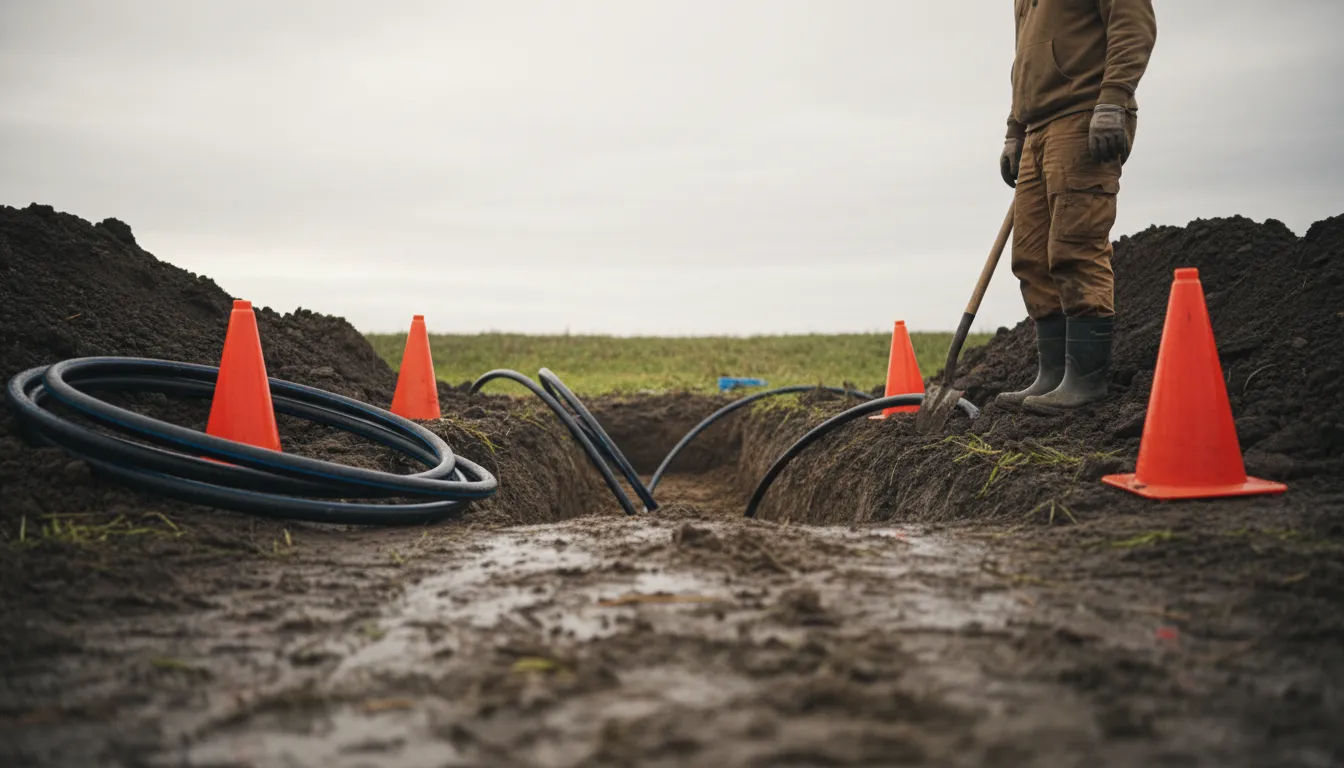
Horizontal Closed-Loop This is often the most cost-effective option if sufficient land is available. Contractors dig trenches four to six feet deep across a large area of your yard-typically requiring between a quarter to three-quarters of an acre for an average home 4. Pipes are laid in these trenches in a slinky-like configuration to maximize surface area. This method works well in areas with suitable soil, such as the clay soils found in parts of Virginia 4 5.
Vertical Closed-Loop For homes with smaller lots, like many in established Newport News neighborhoods, a vertical loop is the ideal solution. Contractors use drilling rigs to bore holes 150 to 450 feet deep 6 7. U-shaped pipes are inserted into each hole, which are then filled with a special grout to ensure good thermal contact with the earth. While drilling can increase the upfront installation cost, it minimizes landscape disturbance and is excellent for retrofitting existing homes 6 8.
Open-Loop System A less common alternative, an open-loop system uses groundwater from a well or a pond as the heat exchange fluid. After circulating through the heat pump, the water is discharged back into a second well, a pond, or a stream, depending on local codes. This system can be very efficient but requires an abundant, suitable water source and compliance with local environmental regulations.
The Geothermal Installation Process
Installing a ground-source heat pump is a significant project that requires careful planning and expert execution. Understanding the steps can help you prepare and communicate effectively with installers.
- Site Assessment and Design: A qualified installer will first evaluate your property. They'll assess soil conditions, available space, and your home's heating and cooling loads to determine the optimal loop type and size. This design phase is crucial for long-term system efficiency.
- Excavation or Drilling: For horizontal loops, trenching equipment digs the necessary network of trenches. For vertical loops, a drilling rig creates the deep boreholes. This is typically the most visually disruptive phase of the project.
- Loop Installation and Grouting: The high-density polyethylene pipes are placed in the trenches or boreholes. For vertical loops, the boreholes are filled with a thermally enhanced grout that seals the hole and improves heat transfer between the earth and the pipe.
- System Connection: The ground loops are connected to form a continuous circuit that runs to the house. The pipes are connected to the indoor heat pump unit, which is often similar in size to a traditional furnace.
- Ductwork and Commissioning: The heat pump is connected to your home's ductwork for air distribution. If you don't have ducts, the system can be configured for ductless delivery in some cases. Finally, the system is charged with fluid, powered up, and tested to ensure everything operates at peak performance 9.
Find the perfect geothermal heat pump contractors for your needs
Get personalized recommendations and expert advice
Benefits and Financial Considerations for Newport News
Investing in a geothermal climate system offers a compelling package of financial and lifestyle benefits for Virginia homeowners.
Substantial Energy Savings This is the most significant advantage. By leveraging the earth's consistent temperature, geothermal heat pumps operate with exceptional efficiency. Homeowners can typically expect to see a 40% to 80% reduction in their heating and cooling energy bills 10. Some reports indicate an overall energy savings of up to 65% annually 11 12. Given Newport News's climate with both hot, humid summers and chilly winters, these savings translate directly into lower monthly utility costs.
Understanding Costs and Payback The upfront cost for a residential geothermal system is higher than for a conventional HVAC system, often ranging between $20,000 and $40,000 for a complete installation, with potential for variation based on loop type, home size, and existing infrastructure 13 14 15. However, it's critical to view this as a long-term investment.
The combination of dramatic energy savings and available financial incentives leads to a compelling return on investment. Most homeowners find that the higher initial cost is recouped through utility savings within 5 to 10 years. After the payback period, you enjoy drastically lower operating costs for the decades-long lifespan of the system, which often exceeds 25 years for the underground components.
Incentives and Rebates To encourage the adoption of clean energy, significant financial incentives are available:
- Federal Tax Credit: A federal tax credit is available for qualifying geothermal heat pump installations, which can directly reduce your tax liability.
- Local Utility Rebates: It's worth checking with local providers, such as Dominion Energy, for any available rebates or special programs promoting energy efficiency.
Additional Advantages
- Quiet Operation: With no noisy outdoor condenser unit, geothermal systems run very quietly.
- Durability and Low Maintenance: The protected underground loops can last for generations (50+ years), and the indoor heat pump unit typically lasts 20+ years with minimal maintenance.
- Increased Home Value: Studies show that homes with geothermal systems often have higher resale values.
- Environmental Stewardship: By reducing fossil fuel consumption and associated greenhouse gas emissions, you significantly lower your household's carbon footprint, aligning with broader environmental goals in Virginia.
Local Factors for Newport News Properties
When considering geothermal in our area, a few local factors come into play:
- Soil and Land: Virginia's varied terrain and soil types, including clay, are generally suitable for geothermal loops. A professional assessment will determine if your specific property is better suited for horizontal trenches (if you have the space) or vertical drilling (ideal for smaller or landscaped lots).
- Retrofits vs. New Construction: Integrating a ground-source system is most straightforward during new home construction. However, retrofitting an existing home is very common and can be an excellent upgrade, especially when replacing an aging, inefficient system.
- Finding a Qualified Installer: Success hinges on proper design and installation. Look for experienced contractors who are certified by organizations like the International Ground Source Heat Pump Association (IGSHPA). They will have the expertise to correctly size the system and install the ground loop for optimal, long-term performance.
Frequently asked questions
Sources
Footnotes
-
How a Geothermal Heat Pump Works | This Old House - https://www.youtube.com/watch?v=d5Tbsx3R2T8 ↩
-
How Geothermal Heat Pumps Work - https://www.youtube.com/watch?v=XxlTnBukweI&t=37 ↩
-
Geothermal heat pumps - U.S. Energy Information Administration (EIA) - https://www.eia.gov/energyexplained/geothermal/geothermal-heat-pumps.php ↩
-
How Do Geothermal Systems Work for Residential Homes? - https://www.davisheat.com/blog/how-do-geothermal-systems-work-for-residential-homes/ ↩ ↩2
-
Geothermal Heating, Cooling, and Hot Water Systems - https://igshpa.org/wp-content/uploads/Homeowners-Guide-to-Geothermal.pdf ↩
-
Geothermal heating & cooling, heat pumps, heat exchange ... - https://aztechgeo.com/residential-geothermal/how-it-works/ ↩ ↩2
-
Geothermal Heat Pumps, Explained - Bosch Home Comfort - https://www.bosch-homecomfort.com/us/en/residential/connect/blog/geothermal-heat-pumps-go-green-save-green/ ↩
-
Understanding Geothermal Heating & Cooling Systems - https://www.tchvac.net/news/geothermal-heating-and-cooling-explained ↩
-
Geothermal Heat Pumps | WBDG - https://www.wbdg.org/resources/geothermal-heat-pumps ↩
-
Geothermal Heat Pumps | Falls Church, VA - Official Website - https://www.fallschurchva.gov/2282/Geothermal-Heat-Pumps ↩
-
About Geothermal - https://igshpa.org/about-geothermal/ ↩
-
Geothermal Heat Pumps: How They Work and Benefits for Your ... - https://www.rbiva.com/resources/geothermal-heat-pumps-how-they-work-and-benefits/ ↩
-
Geothermal Heat Pumps - Department of Energy - https://www.energy.gov/energysaver/geothermal-heat-pumps ↩
-
Geothermal Heat Pump Guide: Installation Costs, Types And Benefits - https://modernize.com/hvac/heating-repair-installation/heat-pump/geothermal ↩
-
Everything You Need to Know About Geothermal Heat Pumps - https://www.familyhandyman.com/article/everything-you-need-to-know-about-geothermal-heat-pumps/ ↩