
Find the Best Geothermal Heat Pump Contractors for Your Business
No obligation • Fast responses • Nationwide coverage

Why you can trust HVAC Firms
HVAC Firms is a leading United States resource for evaluating HVAC service providers. Our team researches companies, checks credentials, and reviews customer feedback to present clear, unbiased information. Listings and rankings are based on merit, and companies cannot pay to change our editorial content.
Search providers near you
Top Geothermal Heat Pump Contractors in Hampton, Virginia Ranked
Geothermal heat pumps, also known as ground-source heat pumps, are a highly efficient method for heating and cooling your home by leveraging the earth's stable underground temperature. For Hampton residents, this technology offers a way to achieve significant energy savings and reduce environmental impact while maintaining year-round comfort. This guide explains how these systems work, what installation entails, and how you can connect with qualified local experts to explore this sustainable option for your property.
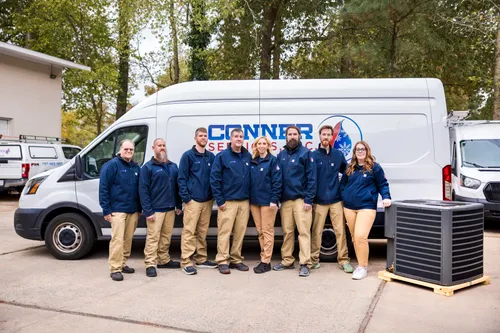
Conner Services Inc
1359 Virginia Beach Blvd, Virginia Beach, VA 23454
Conner Services Inc provides a wide range of heating, ventilation, and air conditioning services in Virginia Beach, VA. Their skilled technicians handle HVAC installation, repair, and maintenance for systems including furnaces, heat pumps, mini-splits, geothermal units, and ductwork. They also offer indoor air quality solutions such as filtration and UV lights, as well as smart home HVAC accessories. The company emphasizes energy-efficient options and comprehensive seasonal tune-ups to maintain system performance. Conner Services Inc holds multiple professional licenses and offers a one-year labor warranty on all services.
Galactic Air Incorporated
420 Investors Pl #107, Virginia Beach, VA 23452
Galactic Air Incorporated is a locally owned HVAC company serving Virginia Beach, VA, and the surrounding South Hampton Roads area. They provide a wide range of services including repair and installation of air conditioners, heat pumps, gas furnaces, geothermal heat pumps, ductless mini split systems, and water heaters. Their technicians are nationally certified and trained on the latest HVAC technologies, with a focus on systems like Trane. Galactic Air also offers indoor air quality services and ductwork repair or replacement. The company emphasizes attention to detail and professional service in both residential and commercial settings.

Owens Heating & Air Conditioning, Inc.
1542 Penniman Rd A, Williamsburg, VA 23185
Owens Heating & Air Conditioning, Inc. is a family-owned HVAC company serving Chesapeake, VA, and the surrounding Hampton Roads area. With over 40 years of experience, they provide a full range of heating and cooling services including installation, repair, and maintenance of air conditioners, furnaces, heat pumps, boilers, and geothermal systems. They also offer indoor air quality solutions, gas line services, thermostat installation, and water heating services. Owens Heating & Air Conditioning is an authorized dealer for major HVAC brands and provides 24-hour emergency service to address urgent HVAC needs.
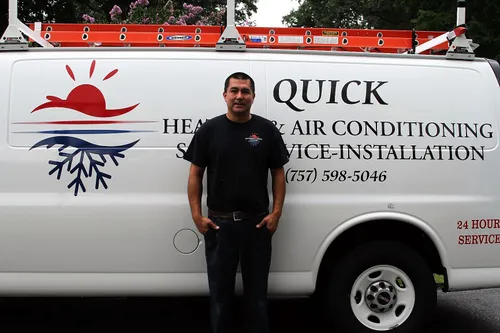
Quick Heating and Air Conditioning
207 Hollywood Blvd, Yorktown, VA 23692
Quick Heating and Air Conditioning is an HVAC company serving Virginia Beach, VA, and the surrounding Hampton Roads area. They provide repair and installation services for furnaces, heat pumps, air conditioning units, boilers, mini splits, geothermal heat pumps, and related systems. The company works with various brands and handles both residential and commercial projects. Quick Heating and Air Conditioning emphasizes honest and cost-effective solutions tailored to customer needs.
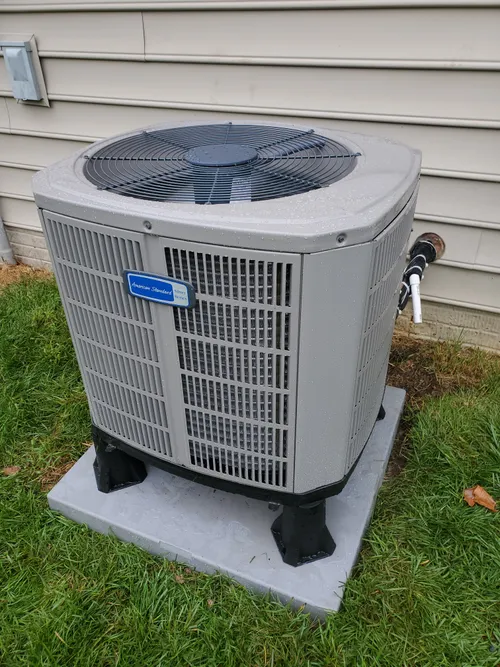
Maximum Air Heating & Cooling Inc
Virginia Beach, VA
Maximum Air Heating & Cooling Inc is an HVAC company serving Virginia Beach, VA. They provide repair, installation, and maintenance services for air conditioning units, furnaces, heat pumps, and geothermal systems. Their offerings include system upgrades, indoor air quality solutions, ductwork repair, and thermostat installation. The company also specializes in energy-efficient technologies such as variable speed motors and energy recovery ventilators. Maximum Air has over 20 years of experience and is an authorized American Standard dealer. They emphasize safety and property protection during service visits.
How Geothermal Energy Works for Home Comfort
A geothermal system operates on a simple principle of heat transfer. Unlike traditional systems that generate heat or cold air, a ground-source heat pump moves existing heat. Beneath the frost line, the earth maintains a relatively constant temperature of approximately 55°F year-round. A geothermal system uses this as a thermal battery.
The process involves a closed loop of pipes, called a ground loop, buried in your yard. A water-based solution circulates through these pipes. In the winter, this fluid absorbs the earth's warmth and carries it to an indoor unit, where a heat pump concentrates the heat and distributes it through your home's ductwork or radiant system 1 2. In the summer, the system reverses: it extracts heat from your indoor air and transfers it into the cooler ground loop, effectively providing air conditioning 3. This efficient exchange is why geothermal systems can slash energy use for heating and cooling by 40% to 80% compared to conventional systems like furnaces and standard air conditioners.
Types of Ground Loop Systems
The design of the underground ground loop is the cornerstone of any geothermal installation. The right type for your Hampton home depends primarily on your available land, soil conditions, and budget. There are three primary configurations.
Horizontal Closed Loops
This is often the most cost-effective option if space allows. Installers dig trenches four to six feet deep across a large area of your property. Pipes are laid in these trenches in a slinky-coil or straight-run pattern before being backfilled. A horizontal loop field typically requires between one-quarter and three-quarters of an acre of suitable land for an average home. This method is less invasive than drilling but causes significant temporary disruption to landscaping.
Vertical Closed Loops
For properties with smaller yards, vertical loops are the ideal solution. Contractors use a drilling rig to bore holes 150 to 400 feet deep 4. U-shaped pipe loops are inserted into each borehole, which are then grouted to ensure good thermal contact with the earth. While the drilling equipment is specialized and the per-foot cost can be higher, vertical systems require much less surface area, making them perfect for urban or suburban lots in Hampton 5 6. They also tend to have less impact on existing lawns and gardens.
Pond or Lake Loops
If your property has access to a sufficiently deep and large pond or lake, this can be an excellent option. Coils of pipe are submerged at a depth where water temperatures remain stable. The water body acts as the heat exchange medium instead of the earth 7 8. This configuration often has the lowest installation cost and minimal landscape disruption, as it avoids extensive trenching or drilling, but it is entirely dependent on having a suitable water source nearby.
Find the perfect geothermal heat pump contractors for your needs
Get personalized recommendations and expert advice
The Geothermal Installation Process in Hampton
Installing a geothermal heating and cooling system is a significant project that requires careful planning and expert execution. Understanding the steps involved can help Hampton homeowners know what to expect.
-
Site Assessment and Design: A qualified installer will first evaluate your property. They will assess soil composition, available land, bedrock depth, and the layout of your home to determine the most effective and efficient loop type and size. This stage includes calculating your home's heating and cooling loads to properly size the entire system.
-
Ground Loop Installation: This is the most visible phase. For a horizontal system, a backhoe will dig the network of trenches. For a vertical system, a drilling rig will be brought in to create the boreholes. The high-density polyethylene pipes are then placed, connected into a continuous loop, and pressure-tested to ensure there are no leaks before being sealed in the ground.
-
Indoor Unit Connection: The ground loop is connected to the heat pump unit inside your home, typically located in a basement, utility room, or garage. This unit, which is compact and quiet, is then integrated with your existing ductwork, air handlers, or radiant floor system. For homes without ducts, ductless options are also available 9.
-
System Startup and Restoration: Once everything is connected, the system is charged with fluid, powered up, and tested for optimal performance. Meanwhile, the excavation crew will backfill trenches, restore your yard, and reseed grass as needed. The surface disruption is temporary, and landscaping generally recovers within a single growing season.
Key Considerations for Hampton Homeowners
Before committing to a geothermal system, it's important to weigh several factors specific to your situation.
- Upfront Investment: The initial cost for a complete geothermal heat pump system in Hampton typically ranges from $20,000 to over $40,000, depending on your home's size, the chosen loop type, and site conditions 10. This is significantly higher than installing a new conventional furnace and air conditioner.
- Long-Term Savings & ROI: The higher initial cost is offset by dramatically lower operating expenses. With potential savings of 40-80% on heating and cooling bills, many homeowners see a return on investment within 5 to 10 years through energy savings 11 12. Furthermore, a geothermal system can increase your property's value and appeal.
- Space and Site Suitability: Your available land is the deciding factor. A horizontal loop requires ample open yard space, while a vertical loop can be installed on a small lot but may face challenges from bedrock. A professional assessment is crucial.
- System Longevity and Maintenance: The underground piping often comes with warranties of 25 to 50 years and can last generations. The indoor heat pump unit typically has a lifespan of 20-25 years, comparable to high-end conventional equipment. Maintenance is straightforward, involving routine checks of the pump, filters, and ductwork 13.
Benefits Beyond Energy Bills
Choosing a geothermal system offers advantages that extend beyond monthly utility statements.
- Quiet Operation: With no noisy outdoor condenser unit (like a traditional air conditioner), geothermal systems run very quietly. The main mechanical components are indoors.
- Enhanced Comfort: These systems provide consistent, even heating and cooling without the drafts or hot/cold spots associated with forced-air systems that start and stop frequently.
- Safety and Cleanliness: There is no combustion, so there's no risk of carbon monoxide poisoning, no need for a flue or fuel storage, and no open flames.
- Environmental Impact: By using renewable thermal energy from the ground and electricity (which is increasingly green), geothermal systems drastically reduce a home's carbon footprint for heating and cooling.
Frequently asked questions
Sources
Footnotes
-
How a Geothermal Heat Pump Works | This Old House - https://www.youtube.com/watch?v=d5Tbsx3R2T8 ↩
-
Geothermal (Ground Source) Heat Pumps - NY.gov - https://cleanheat.ny.gov/geothermal-heat-pumps/ ↩
-
Geothermal | Hampton, VA | Lighthouse Mechanical - https://www.lighthousemech.com/services/geothermal ↩
-
Geothermal Heat Pump Installation: What To Expect For Your ... - https://jomory.com/geothermal-heat-pump-installation-what-to-expect-for-your-property/ ↩
-
How Do Geothermal Systems Work for Residential Homes? - https://www.davisheat.com/blog/how-do-geothermal-systems-work-for-residential-homes/ ↩
-
Geothermal Heat Pumps, Explained - Bosch Home Comfort - https://www.bosch-homecomfort.com/us/en/residential/connect/blog/geothermal-heat-pumps-go-green-save-green/ ↩
-
Geothermal Heat Pumps - Department of Energy - https://www.energy.gov/energysaver/geothermal-heat-pumps ↩
-
Geothermal Heating, Cooling, and Hot Water Systems - https://igshpa.org/wp-content/uploads/Homeowners-Guide-to-Geothermal.pdf ↩
-
FAQs • What types of ground-source heat pumps and configurat - https://concordma.gov/FAQ.aspx?QID=484 ↩
-
Geothermal Heat Pumps | Falls Church, VA - Official Website - https://www.fallschurchva.gov/2282/Geothermal-Heat-Pumps ↩
-
How Does A Geothermal Heat Pump Work? Complete 2025 Guide - https://solartechonline.com/blog/how-does-geothermal-heat-pump-work/ ↩
-
Geothermal Heat Pump Guide: Installation Costs, Types And Benefits - https://modernize.com/hvac/heating-repair-installation/heat-pump/geothermal ↩
-
Exploring Geothermal Systems: Advantages and Considerations - https://dilandroandrews.com/understanding-geothermal-systems/ ↩