
Find the Best Geothermal Heat Pump Contractors for Your Business
No obligation • Fast responses • Nationwide coverage

Why you can trust HVAC Firms
HVAC Firms is a leading United States resource for evaluating HVAC service providers. Our team researches companies, checks credentials, and reviews customer feedback to present clear, unbiased information. Listings and rankings are based on merit, and companies cannot pay to change our editorial content.
Search providers near you
Top Geothermal Heat Pump Contractors in Lincoln, Nebraska Ranked
A geothermal heat pump is a highly efficient heating and cooling system that uses the Earth's stable underground temperature to regulate your home's climate. This technology, often called a ground-source heat pump, is a smart long-term investment for Lincoln homeowners seeking to reduce energy bills and environmental impact. This guide explains how these systems work, the installation process, and how you can find qualified local experts to evaluate your property for this sustainable solution.
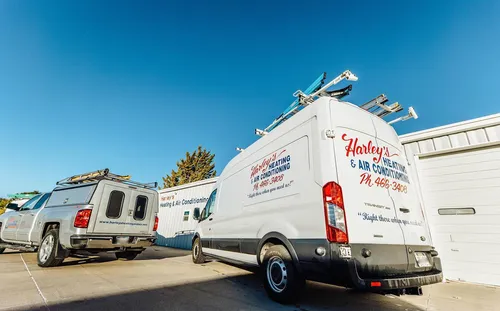
Harley's Heating & Air Conditioning
4224 Progressive Ave, Lincoln, NE 68504
Harley's Heating & Air Conditioning is a family-owned HVAC company serving Lincoln, NE, and surrounding areas since 1970. They provide a full range of heating and cooling services, including installation, repair, and maintenance of furnaces, heat pumps, boilers, air conditioners, and indoor air quality systems. Their NATE-certified technicians handle complex diagnostics and offer transparent solutions focused on energy efficiency and system reliability. Harley's also offers 24/7 emergency service without overtime fees, ensuring support when urgent heating or cooling issues arise.

Bruno Services
Omaha, NE
Bruno Services is an HVAC contractor based in Omaha, NE, providing residential and commercial heating and cooling solutions. Founded in 2022 by licensed and NATE-certified professionals, the company offers a wide range of services including installation, repair, and maintenance of furnaces, air conditioners, heat pumps, mini splits, and geothermal systems. They also handle indoor air quality services such as air purifier installation and filter maintenance. Bruno Services serves multiple locations around Omaha, including Bellevue, Lincoln, and Council Bluffs. The company provides emergency service and offers financing options for system replacements or installations.
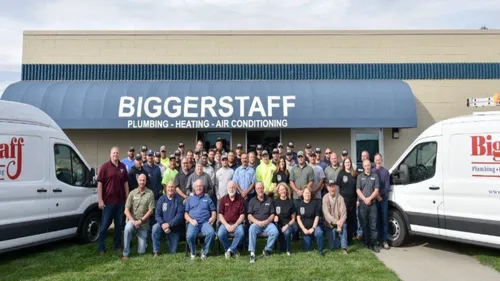
Biggerstaff Plumbing Heating & Air
3605 N 40th St, Lincoln, NE 68504
Biggerstaff Plumbing Heating & Air is a family-owned plumbing and HVAC company serving Lincoln, NE. Established in 1957, they provide a wide range of services including air conditioning, furnace, heat pump, boiler repair and installation, as well as geothermal system installation and indoor air quality solutions. Their NATE certified technicians offer specialized capabilities such as sewer camera inspections and sewer jetting. The company has over 65 years of experience in the industry.

Bruno HVAC Services LLC-Schuyler
Omaha, NE
Bruno HVAC Services LLC is an HVAC contractor serving Omaha, NE, and surrounding communities. Founded in 2022, the company provides residential and commercial heating and cooling services, including installation, repair, and maintenance of furnaces, air conditioners, heat pumps, mini splits, and geothermal systems. They also offer indoor air quality solutions such as air purifier installation and filter maintenance. The owners are licensed, bonded, and NATE certified HVAC professionals. Bruno HVAC Services LLC provides emergency service and financing options for customers.
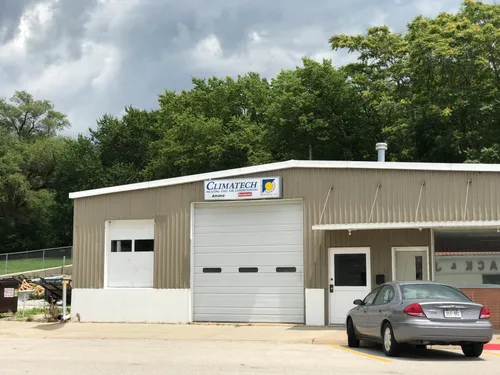
Climatech Heating & Air Conditioning
Lincoln, NE
Climatech Heating & Air Conditioning is a family-owned HVAC company serving Lincoln, NE. Since 1991, they have provided heating and cooling services including installation, repair, and maintenance of air conditioners, furnaces, heat pumps, mini splits, and geothermal systems. They also offer indoor air quality solutions, thermostat installation, ventilation services, and emergency repair when needed. Their licensed professionals focus on personalized service backed by a one-year labor guarantee and a 5% senior discount.
How Geothermal Energy Works for Home Comfort
The core principle behind a geothermal system is remarkably simple and effective. Just a few feet below the surface, the Earth maintains a nearly constant temperature year-round, typically between 40°F and 70°F in Nebraska. A geothermal heat pump harnesses this stable thermal energy.
In the winter, a fluid (usually a water and antifreeze solution) circulating through buried pipes, called a ground loop, absorbs the Earth's natural warmth. The heat pump inside your home then concentrates this low-grade heat and distributes it through your existing ductwork or radiant floor system. During Lincoln's hot summers, the process reverses: the system extracts heat from your home, transfers it to the fluid in the loop, and deposits it into the cooler ground. Because the system moves existing heat rather than generating it through combustion, it operates with exceptional efficiency.
Types of Ground Loop Systems
The underground loop field is the heart of any geothermal installation. The right type for your Lincoln home depends on your lot size, soil composition, and local geology. The most common configuration is a closed-loop system, where the fluid is permanently sealed within a network of high-density polyethylene pipes.
- Horizontal Closed Loops: This method involves excavating long, shallow trenches-usually 4 to 6 feet deep-and laying loops of pipe horizontally. It requires a larger amount of available land but is often less expensive to install than vertical systems where space permits 1.
- Vertical Closed Loops: For properties with limited yard space, like many in Lincoln, vertical loops are the ideal solution. Contractors use drilling rigs to bore holes 150 to 450 feet deep. U-shaped loops of pipe are inserted into each borehole, which are then grouted. This design minimizes land use and can offer superior performance in certain soil types.
- Open-Loop Systems: Less common, an open-loop system uses groundwater from a well or pond as the heat exchange fluid. After passing through the heat pump, the water is returned to a second well or discharged on the surface. These systems are highly dependent on water quality and availability and must comply with specific local regulations 2.
The Geothermal Installation Process
Installing a ground-source heat pump is a significant project that requires specialized expertise. The process typically follows these key steps:
- Site Assessment and Design: A qualified installer will evaluate your property, considering soil conditions, available space, and your home's heating and cooling loads. This assessment is critical for designing an efficient and properly sized loop field and system.
- Loop Field Installation: This is the major excavation phase. For a horizontal system, a backhoe digs the necessary trenches. For a vertical system, a drilling rig creates the boreholes. The pipe is then placed, connected, and pressure-tested to ensure integrity before the trenches or holes are backfilled 3.
- Indoor Unit and Connection: The geothermal heat pump unit-which is typically compact and quiet-is installed indoors, often in a basement, utility room, or garage. It is connected to the underground loop and to your home's distribution system, whether it's forced-air ducts or a hydronic (water-based) system for radiant floors or fan coils 4 5.
- System Startup and Commissioning: Once everything is connected, the system is charged with fluid, powered up, and meticulously tested. The contractor will balance the system and ensure it is operating at peak efficiency before handing it over to the homeowner 6.
Find the perfect geothermal heat pump contractors for your needs
Get personalized recommendations and expert advice
Benefits and Long-Term Value in Lincoln's Climate
The decision to install a geothermal heating and cooling system is an investment in long-term comfort, savings, and sustainability.
- Substantial Energy Savings: By leveraging the Earth's consistent temperature, geothermal systems can be 300% to 500% efficient, meaning they move three to five units of heat for every unit of electricity used to run them 7 8. This can translate to savings of 50% to 60% on heating and cooling bills compared to conventional air-source heat pumps or standard HVAC systems. Over the lifespan of the system, these savings are substantial.
- High Initial Cost with Strong ROI: The upfront cost for a complete geothermal system is higher than for a traditional furnace and air conditioner, often ranging from $20,000 to $40,000 or more for a typical Lincoln home 9 10. This cost primarily reflects the loop field installation. However, the dramatic reduction in monthly utility bills leads to a payback period, often estimated between 5 to 15 years. Furthermore, the system adds to your home's value and may qualify for federal tax credits, improving the overall return on investment 11 12.
- Exceptional Durability and Low Maintenance: The indoor heat pump components are designed to last about 25 years, which is significantly longer than the average lifespan of a conventional air conditioner or furnace. The underground polyethylene loop field is incredibly robust and often comes with warranties of 50 years or more, as it is protected from the weather and corrosion. With fewer mechanical parts exposed to the elements, maintenance requirements are generally minimal.
Is a Geothermal System Right for Your Home?
Consider a typical 2,000-square-foot home in Lincoln. By replacing an aging, inefficient HVAC system with a vertical-loop geothermal heat pump, the homeowner could slash their energy consumption for climate control. While the installation might represent a significant initial investment, the combination of lower monthly bills, potential tax incentives, and increased property value creates a compelling financial picture over a decade or more 13 14. The system also reduces peak demand on the electrical grid and lowers the home's carbon footprint, providing reliable comfort with less reliance on fossil fuels.
To determine if your property is a good candidate, the essential first step is a professional site evaluation by an experienced local installer. They can provide a detailed analysis of costs, potential savings, and the best system configuration for your specific needs.
Frequently asked questions
Sources
Footnotes
-
Understanding the Geothermal Process - https://www.dulinmechanical.com/article/understanding-geothermal-process ↩
-
Geothermal Heating and Cooling - Open Energy Information - https://openei.org/wiki/GeoBridge/Heating_and_Cooling ↩
-
Geothermal Cooling: Sustainable Solutions for AC Costs - https://envirotechgeo.com/geothermal-cooling-for-the-summer/ ↩
-
How Do Geothermal Systems Work for Residential Homes? - https://www.davisheat.com/blog/how-do-geothermal-systems-work-for-residential-homes/ ↩
-
Geothermal Heating & Cooling - Adams Electric Cooperative - https://adamselectric.coop/community/energy-efficiency-for-all/geothermal/ ↩
-
Quad Cities Geothermal Heat Pump Services | Installation & Repair - https://www.scheblerhvac.com/geothermal-heat-pumps/ ↩
-
Guide to Geothermal Heat Pumps - https://www.energy.gov/sites/prod/files/guide_to_geothermal_heat_pumps.pdf ↩
-
Geothermal Heating & Cooling - Department of Energy - https://www.energy.gov/eere/geothermal/geothermal-heating-cooling ↩
-
Geothermal Heat Pump Guide: Installation Costs, Types And Benefits - https://modernize.com/hvac/heating-repair-installation/heat-pump/geothermal ↩
-
All You Need to Know About Home Geothermal Heating & ... - https://dandelionenergy.com/all-you-need-to-know-about-home-geothermal-heating-cooling ↩
-
5 Things You Should Know about Geothermal Heat Pumps - https://www.energy.gov/cmei/articles/5-things-you-should-know-about-geothermal-heat-pumps ↩
-
Geothermal Heating, Cooling, and Hot Water Systems - https://igshpa.org/wp-content/uploads/Homeowners-Guide-to-Geothermal.pdf ↩
-
Is a Geothermal Heat Pump Right for You? - https://nebraskamagazine.org/geothermal-heat-pump-right-you ↩
-
Geothermal HVAC Systems | King of Prussia - https://www.uniqueheatingandcooling.com/hvac-university/geothermal-heating-cooling ↩