
Find the Best Geothermal Heat Pump Contractors for Your Business
No obligation • Fast responses • Nationwide coverage

Why you can trust HVAC Firms
HVAC Firms is a leading United States resource for evaluating HVAC service providers. Our team researches companies, checks credentials, and reviews customer feedback to present clear, unbiased information. Listings and rankings are based on merit, and companies cannot pay to change our editorial content.
Search providers near you
Top Geothermal Heat Pump Contractors in Thornton, Colorado Ranked
Geothermal heat pumps, also known as ground-source heat pumps, are a highly efficient method for heating and cooling your Thornton home by leveraging the earth's stable underground temperature. This technology matters because it can dramatically reduce energy bills and provide consistent comfort year-round, all while having a smaller environmental footprint than traditional HVAC systems. You can use this resource to understand how these systems work, their benefits, and what to consider when looking for local installation experts.
Tonville HVAC LLC
710 N 7th Ave #1, Brighton, CO 80601
Tonville HVAC LLC is a locally owned HVAC company serving Denver, CO, and surrounding areas. Since 1987, they have provided heating, air conditioning, geothermal, and ventilation services including installation, repair, and maintenance of furnaces, boilers, rooftop units, and ductless mini splits. Their team is experienced in geothermal system work and offers emergency service along with industry-leading warranties on workmanship and parts.
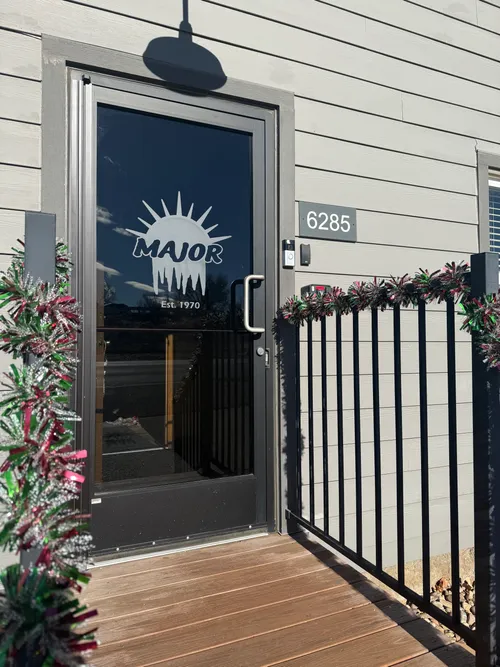
Major Heating and Air Conditioning - Denver
6285 W 48th Ave, Wheat Ridge, CO 80033
Major Heating and Air Conditioning - Denver has been providing heating and cooling services in Denver, CO since 1970. They offer a wide range of HVAC services including installation, repair, and tune-ups for air conditioners, furnaces, heat pumps, boilers, and geothermal heat pumps. The company serves both residential and commercial clients throughout the Denver metro area and surrounding regions. Major Heating and Air Conditioning is known for its expertise in custom commercial HVAC solutions and renewable geothermal systems.
Sensible Heating and Cooling
2895 W Oxford Ave # 4, Englewood, CO 80110
Sensible Heating and Cooling is a heating and cooling contractor based in Denver, CO, offering a wide range of HVAC services including repair, installation, and maintenance for air conditioners, furnaces, heat pumps, boilers, and geothermal systems. They specialize in both traditional HVAC solutions and alternative energy options, focusing on energy-efficient and environmentally friendly systems. With over a decade of experience and a team collectively bringing more than 100 years of expertise, Sensible Heating and Cooling is known for its capability in geothermal heating and cooling as well as air-source heat pump services. They provide emergency furnace repairs and comprehensive boiler services, supporting Denver residents with reliable HVAC solutions.

ABE Heating and Cooling
15000 Boston Ct, Brighton, CO 80602
ABE Heating and Cooling is an HVAC contractor based in Denver, CO, serving residential and light commercial clients. Since 1997, they have provided installation, repair, replacement, and maintenance services for a wide range of heating and cooling systems, including air-to-air and air-to-water heat pumps, geothermal heating and cooling, boilers, mini-split systems, and indoor air quality solutions. Their expertise includes geothermal heating and cooling installations, helping customers transition from traditional fossil fuel systems to more efficient geothermal options.
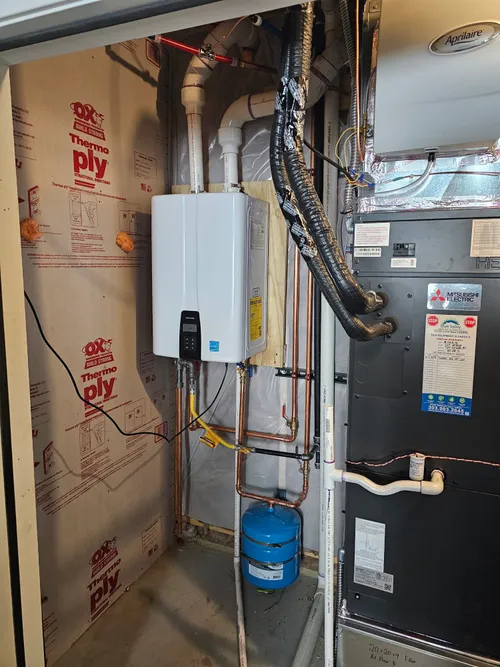
Blue Valley Heating & Cooling
1740 Skyway Dr UNIT H, Longmont, CO 80504
Blue Valley Heating & Cooling is an HVAC company based in Denver, CO, providing a wide range of heating, cooling, and plumbing services for both residential and commercial clients. Their offerings include air conditioning, furnace, heat pump, geothermal system installation and repair, as well as HVAC tune-ups. With over 30 years of experience, they focus on energy-saving solutions and sustainable options to improve indoor comfort and efficiency. Blue Valley Heating & Cooling also offers 24/7 emergency service and a maintenance membership program for ongoing support.
How Geothermal Systems Work in Thornton's Climate
The principle behind a geothermal heating and cooling system is elegantly simple: it uses the ground as a thermal battery. Just a few feet below the surface, the earth in Colorado maintains a relatively constant temperature between 45°F and 75°F year-round, regardless of the summer heat or winter chill above ground. A geothermal system taps into this stable resource through a network of buried pipes, called a ground loop.
Here's the basic process:
- Heat Transfer: A fluid (usually water mixed with antifreeze) circulates through the sealed loop of high-density polyethylene pipes buried in your yard.
- Winter Heating: During colder months, the fluid absorbs the gentle warmth from the earth and carries it to the heat pump unit inside your home. The heat pump concentrates this thermal energy and distributes it through your existing ductwork or radiant floor system 1.
- Summer Cooling: The process reverses for air conditioning. The system extracts heat and humidity from your indoor air, transfers it to the fluid in the loop, and disperses it into the cooler ground 2 3.
This method of exchanging heat with the ground is far more efficient than traditional air-source heat pumps or furnaces that must work harder as outside air temperatures become extreme.
Types of Ground Loop Systems
The configuration of the underground piping is a critical decision in your geothermal installation. The right choice depends heavily on your Thornton property's characteristics: lot size, soil composition, and geology.
Closed-Loop Horizontal Systems This is often the most cost-effective option for properties with sufficient space. Contractors dig trenches, typically 4 to 6 feet deep, and lay pipes in a series of loops. While this method requires a larger area (often 1/4 to 3/4 of an acre for a typical home), it generally involves lower excavation costs than drilling. It's a popular choice for new construction where the yard is already being worked on.
Closed-Loop Vertical Systems For homes in Thornton with smaller lots, a vertical ground source heat pump system is the ideal solution. Installers use a drilling rig to bore holes 150 to 400 feet deep. U-shaped pipe loops are inserted into each borehole, which are then grouted for optimal thermal conductivity. This method minimizes surface disruption, making yard restoration quicker, though the specialized drilling equipment can increase the upfront cost 4 5 6.
Open-Loop Systems Less common for residential use, an open-loop system uses groundwater from a well as the direct heat exchange fluid. After passing through the heat pump, the water is discharged, often back into a second well or a suitable surface drainage. This system can be highly efficient but is entirely dependent on having an adequate supply of clean water and complying with local codes regarding water use and discharge.
The Installation Process: What to Expect
Understanding the installation timeline and yard impact can help set proper expectations. A full geothermal system installation is a significant project, typically managed in clear phases over one to two weeks.
- Site Evaluation & Design: A qualified installer will assess your property, home's heating/cooling loads, and soil conditions to design the most effective loop field and select the right indoor heat pump unit.
- Loop Field Installation: This is the major exterior work. For a horizontal system, a backhoe will dig the trench network. For a vertical system, a drilling rig will be on-site for several days. The HDPE pipes are fused together into continuous loops and placed in the trenches or boreholes.
- Home Connection: A trench is dug from the loop field to your home's foundation. The pipes are brought into the basement or mechanical room through a penetration sealed against moisture and pests. This trench is later backfilled.
- Indoor Unit Installation: The geothermal heat pump unit is installed inside and connected to your home's ductwork or hydronic system, as well as to the incoming ground loop and your electrical panel.
- System Charging & Testing: The loop is filled and pressurized with fluid, the system is charged with refrigerant, and all components are thoroughly tested for performance and leaks.
- Yard Restoration: Finally, all excavated areas are backfilled and compacted. Topsoil is replaced, and the area is graded and seeded. While there is temporary disruption, grass and landscaping typically recover fully within one growing season 7.
Find the perfect geothermal heat pump contractors for your needs
Get personalized recommendations and expert advice
Financial Considerations: Cost, Savings, and Incentives
The decision to invest in a geothermal system involves weighing higher initial costs against substantial long-term savings.
Upfront Investment A complete geothermal heat pump system for a typical Thornton home represents a significant investment, with costs generally ranging from $20,000 to over $50,000 8. This wide range accounts for variables like home size, loop type (vertical drilling is more expensive than horizontal trenching), soil conditions, and the chosen indoor equipment. It's crucial to get detailed quotes from experienced installers.
Long-Term Energy Savings This is where geothermal systems shine. By leveraging the earth's consistent temperature, they operate with remarkable efficiency, often achieving 300% to 500% efficiency. This means for every unit of electricity used to run the pump and compressor, the system moves 3 to 5 units of heat 9 10 11. Homeowners can see reductions of up to 65% on their heating and cooling bills compared to conventional systems 12 13. For a Thornton household, this could translate to monthly savings that significantly offset the initial premium over time.
Incentives and Longevity Federal tax credits have historically been available to offset a percentage of the installed cost, including the ground loop, making the financial picture more attractive 14. Additionally, the components are built to last. The indoor heat pump unit often has a lifespan of 20 years or more, while the buried ground loop, made of durable plastic, can last 25 to over 50 years with no maintenance. This longevity contributes to an excellent return on investment over the life of the system.
Is a Geothermal System Right for Your Thornton Home?
Geothermal heating and cooling isn't a one-size-fits-all solution, but it's an excellent fit for many. Consider it if:
- You plan to stay in your home long enough to realize the long-term energy savings.
- You are building a new home or replacing an aging, inefficient HVAC system.
- Your property has the space (for horizontal loops) or suitable geology (for vertical drilling).
- Your primary goals include maximum energy efficiency, reduced carbon footprint, and consistent indoor comfort.
For existing homes, the feasibility is high during a major HVAC replacement. The key is to work with a knowledgeable local installer who can provide a detailed analysis of your property and an accurate projection of costs and savings.
Frequently asked questions
Sources
Footnotes
-
Understanding and Evaluating Geothermal Heat Pump Systems - https://www.nyserda.ny.gov/-/media/Project/Nyserda/Files/EERP/Residential/Geothermal/geothermal-manual.pdf ↩
-
Geothermal (Ground Source) Heat Pumps - NY.gov - https://cleanheat.ny.gov/geothermal-heat-pumps/ ↩
-
Geothermal Heating / Cooling - Hytech Home - https://hytechhome.com/geothermal-heating-cooling/ ↩
-
Geothermal Heat Pump Installation: What To Expect For Your Property - https://jomory.com/geothermal-heat-pump-installation-what-to-expect-for-your-property/ ↩
-
How Does A Geothermal Heat Pump Work? Complete 2025 Guide - https://solartechonline.com/blog/how-does-geothermal-heat-pump-work/ ↩
-
The Geothermal Process | Colorado Geothermal Drilling - https://www.cogeothermal.com/services/our-process/ ↩
-
Geothermal Heat Pumps - Department of Energy - https://www.energy.gov/energysaver/geothermal-heat-pumps ↩
-
Geothermal Heat Pump Guide: Installation Costs, Types And Benefits - https://modernize.com/hvac/heating-repair-installation/heat-pump/geothermal ↩
-
Geothermal Heating and Cooling | Colorado Energy Office ... - https://geothermal.colorado.gov/geothermal-heating-and-cooling ↩
-
All You Need to Know About Home Geothermal Heating & ... - https://dandelionenergy.com/all-you-need-to-know-about-home-geothermal-heating-cooling ↩
-
Addressing Common Misconceptions about Ground Coil Systems - Quality Heating & Cooling - https://qualityheating.com/misconceptions-about-ground-coil-systems/ ↩
-
5 Things You Should Know about Geothermal Heat Pumps - https://www.energy.gov/cmei/articles/5-things-you-should-know-about-geothermal-heat-pumps ↩
-
Guide to Geothermal Heat Pumps - https://www.energy.gov/sites/prod/files/guide_to_geothermal_heat_pumps.pdf ↩
-
How to mine your backyard for underground heat - https://www.cpr.org/2025/04/24/colorado-geothermal-energy-homes/ ↩