Find the Best Geothermal Heat Pump Contractors for Your Business
No obligation • Fast responses • Nationwide coverage

Why you can trust HVAC Firms
HVAC Firms is a leading United States resource for evaluating HVAC service providers. Our team researches companies, checks credentials, and reviews customer feedback to present clear, unbiased information. Listings and rankings are based on merit, and companies cannot pay to change our editorial content.
Search providers near you
Top Geothermal Heat Pump Contractors in Parker, Colorado Ranked
Geothermal heat pumps, also known as ground-source heat pumps, are a highly efficient method for heating and cooling your home by leveraging the stable temperatures found underground. For Parker residents, this technology offers a way to achieve significant energy savings and consistent comfort year-round, regardless of Colorado's fluctuating above-ground weather. This guide explains how these systems work, what installation entails, and how you can connect with qualified local professionals to explore this sustainable option for your property.
Major Heating and Air Conditioning - Denver
6285 W 48th Ave, Wheat Ridge, CO 80033
Major Heating and Air Conditioning - Denver has been providing heating and cooling services in Denver, CO since 1970. They offer a wide range of HVAC services including installation, repair, and tune-ups for air conditioners, furnaces, heat pumps, boilers, and geothermal heat pumps. The company serves both residential and commercial clients throughout the Denver metro area and surrounding regions. Major Heating and Air Conditioning is known for its expertise in custom commercial HVAC solutions and renewable geothermal systems.
Sensible Heating and Cooling
2895 W Oxford Ave # 4, Englewood, CO 80110
Sensible Heating and Cooling is a heating and cooling contractor based in Denver, CO, offering a wide range of HVAC services including repair, installation, and maintenance for air conditioners, furnaces, heat pumps, boilers, and geothermal systems. They specialize in both traditional HVAC solutions and alternative energy options, focusing on energy-efficient and environmentally friendly systems. With over a decade of experience and a team collectively bringing more than 100 years of expertise, Sensible Heating and Cooling is known for its capability in geothermal heating and cooling as well as air-source heat pump services. They provide emergency furnace repairs and comprehensive boiler services, supporting Denver residents with reliable HVAC solutions.
Bryant Colorado
8465 Concord Center Dr, Englewood, CO 80112
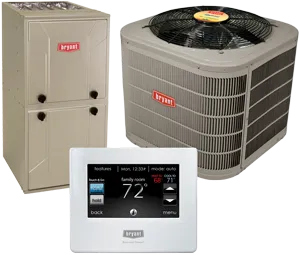
Bryant Colorado connects Denver, CO residents with authorized dealers for HVAC installation, repair, and maintenance services. They cover a wide range of systems including air conditioners, furnaces, heat pumps, boilers, mini splits, and geothermal heat pumps. Bryant Colorado offers expertise in indoor air quality solutions such as air cleaners, humidifiers, ventilators, UV lights, and PHI units to help maintain a healthy indoor environment. The company emphasizes dealer qualifications including technician background checks and extensive industry experience to ensure quality service. They provide support for advanced HVAC technologies like the Bryant Evolution system, which adapts to indoor conditions for efficient heating and cooling.
Tempcontrol Heating & Air Conditioning
Denver, CO
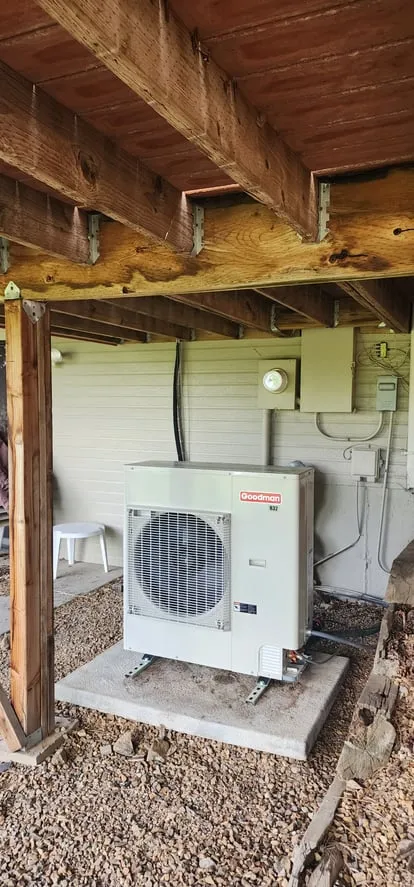
Tempcontrol Heating & Air Conditioning provides a broad range of HVAC services in Denver, CO. They handle repairs and installations for air conditioners, furnaces, heat pumps, boilers, mini splits, and geothermal heat pumps. Their services also include HVAC tune-ups to maintain system efficiency and comfort throughout the year.
PanTerra Energy
6900 CO-86, Kiowa, CO 80117
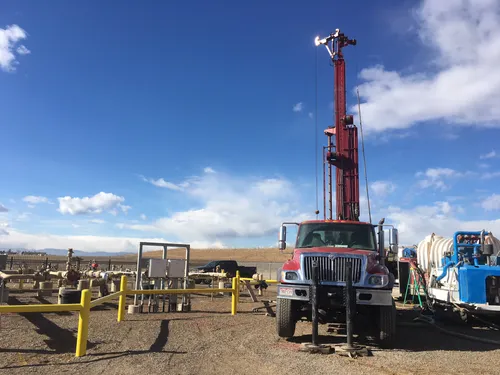
PanTerra Energy is a geothermal heat pump contractor based in Denver, CO. They provide geothermal systems for residential homes, municipal buildings, and utility applications, helping to reduce heating and cooling costs by using the earth's stable underground temperature. Their services also include cathodic protection systems to prevent pipeline corrosion, supporting long-term infrastructure integrity.
How Geothermal Systems Work in Parker's Climate
The core principle behind a geothermal heating and cooling system is remarkably simple: it exchanges heat with the earth, which maintains a nearly constant temperature just below the surface. In Parker, this ground temperature remains a stable 50-60°F throughout the year. This consistency is the key to the system's efficiency, especially when compared to air-source heat pumps that must work harder during our cold winters and hot summers when the outside air is at its most extreme.
The process involves a closed loop of pipes, called a ground loop, buried in your yard. A water-based fluid circulates through this loop:
- In Winter (Heating Mode): The fluid absorbs the earth's natural heat as it travels through the underground pipes. This warmed fluid is brought into the home's geothermal heat pump unit. The heat pump concentrates this thermal energy and transfers it to your home's air or hydronic distribution system 1.
- In Summer (Cooling Mode): The process reverses. The heat pump extracts excess heat and humidity from your home's air. This heat is transferred to the fluid in the loop, which then carries it back underground where it is dissipated into the cooler earth.
This elegant heat exchange process results in a system that provides both heating and air conditioning from a single, quiet unit, with exceptional efficiency.
Types of Ground Loops for Parker Properties
The design of the underground loop system is critical and depends on your specific lot's characteristics. Local installers will conduct a detailed site assessment to recommend the best type for your home.
- Vertical Closed Loops: This is a common choice for Parker homes, particularly those with smaller lots. Contractors use a drilling rig to bore holes typically 150 to 450 feet deep. U-shaped high-density polyethylene (HDPE) pipes are inserted into each borehole, which are then grouted to ensure good thermal contact with the earth and to protect groundwater 2. Vertical systems minimize land disturbance but can involve more upfront drilling costs.
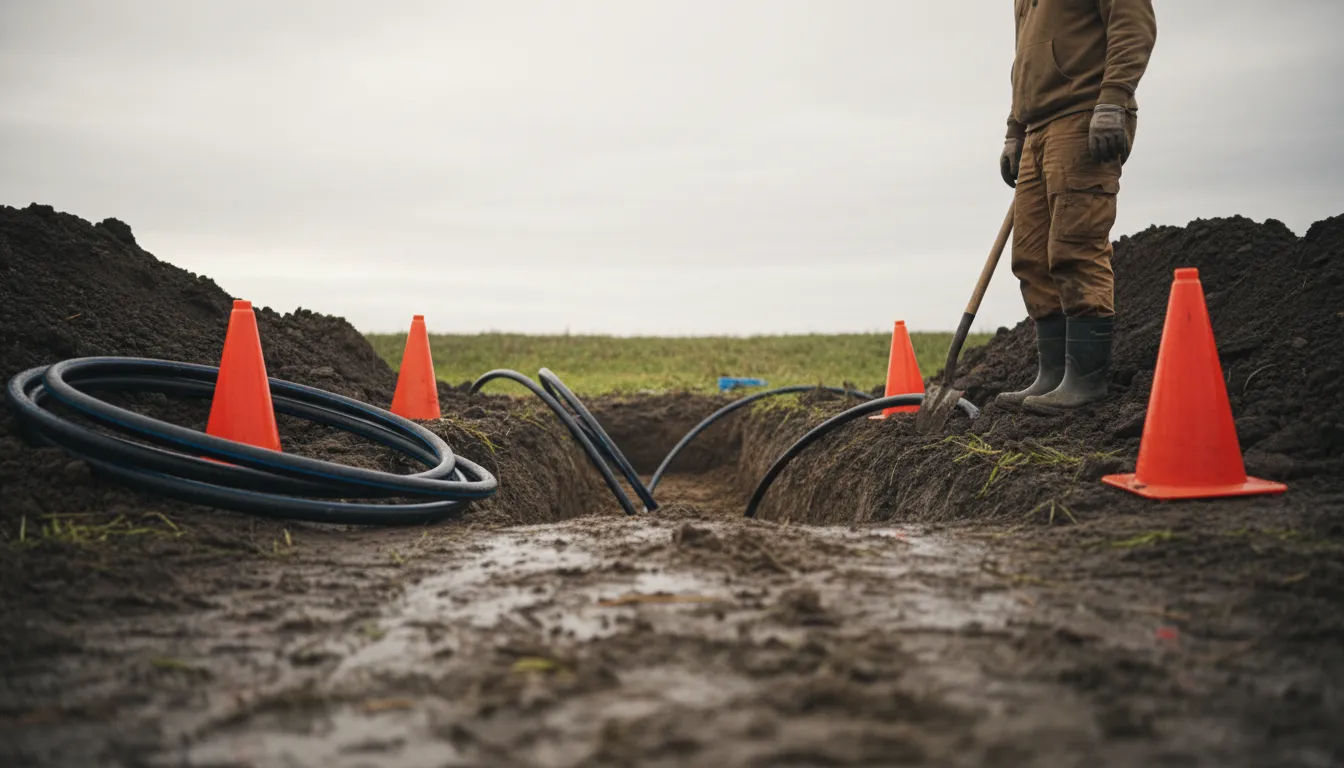
- Horizontal Closed Loops: If you have ample, clear land area, a horizontal loop may be an option. Trenches are dug about four to six feet deep, and pipes are laid in a series of parallel runs. This method generally requires more square footage of land but can be less expensive to install than vertical drilling if the site conditions are favorable 3.
- Pond/Lake Loops (Open Loop): If you have a sufficient pond or well on your property, an open-loop system can be highly efficient. It circulates water directly from the source through the heat pump and then returns it. This option requires a reliable, clean water source and adherence to local codes regarding water discharge.
The Installation Process: What to Expect
Installing a geothermal system is a significant project that requires specialized expertise. Understanding the steps can help you know what to expect when working with a local provider.
- Site Evaluation & Design: A certified installer will visit your property to evaluate soil conditions, rock content, available space, and your home's heating and cooling loads. This information is used to design the most effective and efficient loop field and select the properly sized heat pump unit.
- Drilling or Trenching: For a vertical system, a drilling rig will create the necessary boreholes. For a horizontal system, a backhoe or trencher will excavate the loop field area. This is the most visible phase of the outdoor work.
- Loop Installation & Connection: The durable HDPE pipe is placed into the boreholes or trenches. All sections are thermally fused together to create a continuous, leak-proof loop. The loops are then connected via horizontal trenches to a manifold that leads into your home.
- Indoor Unit Installation: The geothermal heat pump unit is installed inside your home, typically in a basement, utility room, or garage. It connects to your existing ductwork or radiant heating system. An experienced technician will also connect the unit to the fluid lines from the ground loop.
- System Charging & Startup: The loop is filled with the water-antifreeze solution, purged of air, and pressurized. The entire system is then tested and started up, with the technician calibrating it for optimal performance in Parker's climate 4.
Find the perfect geothermal heat pump contractors for your needs
Get personalized recommendations and expert advice
Key Considerations for Parker Homeowners
Before investing in a geothermal system, several local factors are important to weigh.
- Upfront Cost vs. Long-Term Savings: The initial investment for a geothermal heat pump system is higher than for a conventional furnace and air conditioner, often ranging from $20,000 to $40,000 or more for a residential installation 5 6. However, the operational savings are substantial. Due to their high efficiency-often measured by a Coefficient of Performance (COP) of 3 to 5-these systems can reduce your heating and cooling energy bills by 30% to 70% 7 8. With a ground loop that can last over 50 years and an indoor unit lasting 20-25 years, the return on investment often falls within 4 to 15 years 9 10.
- Property Suitability: The size and geology of your lot directly influence the loop type and cost. Vertical loops are ideal for smaller urban lots in Parker, while horizontal loops require more open space. The soil and rock composition can affect drilling speed and depth 11 12.
- Local Permitting and Regulations: Installing a ground loop, especially a vertical borehole, requires permits from local authorities in Douglas County. Reputable installers will handle this process, ensuring the work meets all building, drilling, and environmental codes 13.
Benefits Beyond Energy Bills
While utility savings are a major draw, geothermal heat pumps offer additional advantages that are valuable for Parker residents.
- Exceptional Comfort: These systems provide steady, even heating and cooling without the blasts of hot or cold air associated with traditional systems. They also excel at dehumidifying during the cooling season, improving indoor air quality.
- Durability and Low Maintenance: The protected, underground loop has an exceptionally long lifespan. The indoor heat pump components are housed in a protected environment, leading to less wear and tear than an outdoor condenser unit. Maintenance typically involves annual check-ups of the heat pump and monitoring the loop pressure.
- Environmental Impact: By using renewable thermal energy from the ground and electricity (which in Colorado is increasingly from renewable sources), a geothermal system dramatically reduces your home's carbon footprint associated with heating and cooling 14.
- Quiet Operation: Since there is no loud outdoor condenser unit, the system operates very quietly. The only moving parts indoors are the fan and compressor, which are housed in an insulated cabinet.
Frequently asked questions
Sources
Footnotes
-
How It Works: Geothermal Heat Pump 101 - GeoComfort Blog - https://geocomfort.com/blog/how-it-works-geothermal-heat-pump-101 ↩
-
The Geothermal Process | Colorado Geothermal Drilling - https://www.cogeothermal.com/services/our-process/ ↩
-
How Geothermal Heat Pumps Work - https://www.youtube.com/watch?v=XxlTnBukweI&t=37 ↩
-
All You Need to Know About Home Geothermal Heating & ... - https://dandelionenergy.com/all-you-need-to-know-about-home-geothermal-heating-cooling ↩
-
Everything You Need to Know About Geothermal Heat Pumps - https://www.familyhandyman.com/article/everything-you-need-to-know-about-geothermal-heat-pumps/ ↩
-
How Do Geothermal Systems Work for Residential Homes? - https://www.davisheat.com/blog/how-do-geothermal-systems-work-for-residential-homes/ ↩
-
Resources - Colorado Energy Office Geothermal - https://geothermal.colorado.gov/resources ↩
-
Geothermal Heating and Cooling | Colorado Energy Office ... - https://geothermal.colorado.gov/geothermal-heating-and-cooling ↩
-
How Does A Geothermal Heat Pump Work? Complete 2025 Guide - https://solartechonline.com/blog/how-does-geothermal-heat-pump-work/ ↩
-
Geothermal Heat Pump Installation (Steps, Benefits...) - https://pantherhvac.com/blog/geothermal-heat-pump-installation/ ↩
-
Geothermal Heat Pumps - Department of Energy - https://www.energy.gov/energysaver/geothermal-heat-pumps ↩
-
Geothermal heat pumps: The ultimate guide to ground-source ... - https://termo-plus.com/blog/geothermal-ultimate-guide-to-ground-source-heat-pumps/ ↩
-
Geothermal heating & cooling, heat pumps, heat exchange ... - https://aztechgeo.com/residential-geothermal/how-it-works/ ↩
-
How to mine your backyard for underground heat - https://www.cpr.org/2025/04/24/colorado-geothermal-energy-homes/ ↩