
Find the Best Geothermal Heat Pump Contractors for Your Business
No obligation • Fast responses • Nationwide coverage

Why you can trust HVAC Firms
HVAC Firms is a leading United States resource for evaluating HVAC service providers. Our team researches companies, checks credentials, and reviews customer feedback to present clear, unbiased information. Listings and rankings are based on merit, and companies cannot pay to change our editorial content.
Search providers near you
Top Geothermal Heat Pump Contractors in Lakewood, Colorado Ranked
Geothermal heat pumps, also known as ground-source heat pumps, offer a remarkably efficient way to heat and cool your Lakewood home by tapping into the earth's stable underground temperature. This technology moves heat rather than generating it, which can lead to significant energy savings and a reduced environmental footprint. This guide explains how these systems work, what installation in Lakewood involves, and how you can connect with qualified local professionals for your project.
Tonville HVAC LLC
710 N 7th Ave #1, Brighton, CO 80601
Tonville HVAC LLC is a locally owned HVAC company serving Denver, CO, and surrounding areas. Since 1987, they have provided heating, air conditioning, geothermal, and ventilation services including installation, repair, and maintenance of furnaces, boilers, rooftop units, and ductless mini splits. Their team is experienced in geothermal system work and offers emergency service along with industry-leading warranties on workmanship and parts.
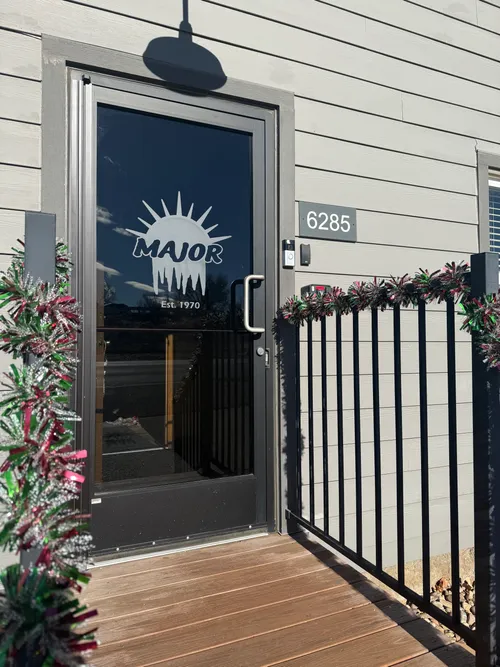
Major Heating and Air Conditioning - Denver
6285 W 48th Ave, Wheat Ridge, CO 80033
Major Heating and Air Conditioning - Denver has been providing heating and cooling services in Denver, CO since 1970. They offer a wide range of HVAC services including installation, repair, and tune-ups for air conditioners, furnaces, heat pumps, boilers, and geothermal heat pumps. The company serves both residential and commercial clients throughout the Denver metro area and surrounding regions. Major Heating and Air Conditioning is known for its expertise in custom commercial HVAC solutions and renewable geothermal systems.
Sensible Heating and Cooling
2895 W Oxford Ave # 4, Englewood, CO 80110
Sensible Heating and Cooling is a heating and cooling contractor based in Denver, CO, offering a wide range of HVAC services including repair, installation, and maintenance for air conditioners, furnaces, heat pumps, boilers, and geothermal systems. They specialize in both traditional HVAC solutions and alternative energy options, focusing on energy-efficient and environmentally friendly systems. With over a decade of experience and a team collectively bringing more than 100 years of expertise, Sensible Heating and Cooling is known for its capability in geothermal heating and cooling as well as air-source heat pump services. They provide emergency furnace repairs and comprehensive boiler services, supporting Denver residents with reliable HVAC solutions.

ABE Heating and Cooling
15000 Boston Ct, Brighton, CO 80602
ABE Heating and Cooling is an HVAC contractor based in Denver, CO, serving residential and light commercial clients. Since 1997, they have provided installation, repair, replacement, and maintenance services for a wide range of heating and cooling systems, including air-to-air and air-to-water heat pumps, geothermal heating and cooling, boilers, mini-split systems, and indoor air quality solutions. Their expertise includes geothermal heating and cooling installations, helping customers transition from traditional fossil fuel systems to more efficient geothermal options.

Loos & Sons HVAC LLC
Denver, CO
Loos & Sons HVAC LLC is a local HVAC contractor serving Denver, CO, and nearby areas including Longmont and Boulder County. They provide a range of heating and cooling services such as installation, maintenance, and repair of boilers, heat pumps, geothermal systems, mini split systems, and general HVAC equipment. Their expertise includes energy-efficient system setups and comprehensive tune-ups designed to improve system longevity and performance. The company emphasizes sustainable solutions like geothermal heat pumps and offers precise diagnostics and repairs to keep systems running smoothly.
How Geothermal Systems Work
The core principle behind a geothermal heating and cooling system is the consistent temperature of the earth. Just a few feet below the surface, the ground in Lakewood maintains a stable temperature between 50-60°F year-round, regardless of the summer heat or winter chill above. A geothermal heat pump leverages this constant temperature as a heat source in winter and a heat sink in summer.
In heating mode, a fluid circulating through pipes buried in the ground absorbs the earth's thermal energy. This warmed fluid is brought inside where the heat pump concentrates the heat and distributes it through your home's ductwork or radiant floor system. In cooling mode, the process reverses: the system extracts heat from your home and transfers it into the cooler ground 1 2. Because it's primarily moving existing heat, a ground-source heat pump can be up to 65% more efficient than conventional HVAC systems.
Types of Ground Loop Systems
The underground portion of the system, called the ground loop, is the critical component that exchanges heat with the earth. The right loop configuration for your Lakewood property depends on your land availability, soil conditions, and budget.
-
Closed-Loop Systems: This is the most common type, where a sealed loop of high-density polyethylene (HDPE) pipe circulates a water-based fluid. There are three main configurations:
-
Horizontal Loops: Pipes are laid in trenches dug 4 to 6 feet deep. This method requires a substantial amount of open land but is often less expensive than drilling if the space is available.
-
Vertical Loops: For properties with limited yard space, like many in Lakewood, vertical loops are the ideal solution. Boreholes are drilled 150 to 400 feet deep, and U-shaped loops of pipe are inserted into each hole. This is the most common choice for retrofitting existing homes.
-
Pond/Lake Loops: If you have access to a sufficient body of water, coils of pipe can be submerged at the bottom. This can be a very cost-effective loop option if conditions are right.
-
Open-Loop Systems: This system uses groundwater from a well or a pond as the heat exchange fluid. After passing through the heat pump, the water is returned to the ground via a second well or discharged on the surface. This system requires an adequate supply of clean water and compliance with local codes.
-
Hybrid Systems: These combine a smaller geothermal ground loop with a supplemental air-source heat pump to handle peak heating or cooling loads, optimizing efficiency and potentially reducing the initial installation cost 3.
The Installation Process in Lakewood
Installing a geothermal system is a significant project that involves careful planning and skilled execution. Here's a typical step-by-step overview:
- Site Assessment and Design: A qualified installer will evaluate your property to determine the best loop type, size the system correctly for your home's heating and cooling loads, and design the loop field layout.
- Ground Loop Installation: This is the most disruptive phase. For a horizontal system, a trenching machine will excavate the necessary trenches. For a vertical system, a drilling rig will be brought in to create the boreholes. The HDPE pipe is then placed and the trenches or boreholes are backfilled with a special grout to ensure good thermal contact with the earth.
- Indoor Unit Connection: The indoor heat pump unit is installed in your garage, basement, or mechanical closet. It is connected to the ground loop piping and to your home's existing ductwork or hydronic distribution system 4.
- System Startup and Testing: Once everything is connected, the system is charged with fluid, purged of air, and tested to ensure it operates at peak efficiency.
Find the perfect geothermal heat pump contractors for your needs
Get personalized recommendations and expert advice
Key Considerations for Lakewood Homeowners
Before committing to a geothermal system, several local factors should influence your decision.
- Property Space and Layout: The amount of available land is the primary driver for loop type. Homes with smaller lots in Lakewood will almost certainly require a vertical loop system, while properties with more acreage might have the option for horizontal trenches.
- Soil and Geology: The composition of the soil and rock affects heat transfer and drilling difficulty. A professional assessment will account for this.
- Project Timing: The installation process involves excavation or drilling, which can be disruptive to landscaping. Many homeowners find it most convenient to install a geothermal system during new construction or a major renovation when the property is already undergoing work 5.
- Local Permitting: Installing a ground-source heat pump in Lakewood requires permits, especially for drilling. A reputable installer will handle the permitting process, ensuring all work meets city and state regulations 6.
Benefits, Costs, and Long-Term Value
Understanding the long-term financial picture is crucial when evaluating a geothermal heat pump.
- Energy Savings and Efficiency: The most compelling benefit is operational cost savings. By using the earth's stable temperature, these systems can reduce your heating and cooling bills by up to 65% compared to conventional systems like furnaces and standard air conditioners 7 8.
- Installation Cost Range: The upfront cost for a complete geothermal system in Lakewood typically ranges from $12,000 to over $45,000. The wide range is due to variables like loop type (vertical drilling is more expensive than horizontal trenching), property characteristics, and the size of your home 9 10 11 12.
- Payback Period and Incentives: While the initial investment is higher, the monthly utility savings create a payback period, often between 5 to 15 years. Federal tax credits, and sometimes state or local incentives, can significantly reduce the net cost and accelerate payback.
- Exceptional Lifespan and Reliability: A major advantage of geothermal technology is its durability. The underground ground loops are typically warranted for 50 years and can last generations. The indoor heat pump unit generally has a lifespan of 20 to 25 years, which is longer than most conventional air conditioners and furnaces.
- Comfort and Environmental Impact: These systems provide even, draft-free heating and cooling and superior dehumidification in summer. They also have a much smaller carbon footprint, as they use electricity to move heat rather than burning fossil fuels on-site 13.
Frequently asked questions
Sources
Footnotes
-
Geothermal Heat Pump and Ground Loop Technologies - https://efiling.energy.ca.gov/GetDocument.aspx?tn=73451 ↩
-
FAQs • What types of ground-source heat pumps and configurat - https://concordma.gov/FAQ.aspx?QID=484 ↩
-
Geothermal Heat Pumps - Department of Energy - https://www.energy.gov/energysaver/geothermal-heat-pumps ↩
-
All You Need to Know About Home Geothermal Heating & ... - https://dandelionenergy.com/all-you-need-to-know-about-home-geothermal-heating-cooling ↩
-
Geothermal heat pumps: The ultimate guide to ground-source ... - https://termo-plus.com/blog/geothermal-ultimate-guide-to-ground-source-heat-pumps/ ↩
-
Geothermal heating & cooling, heat pumps, heat exchange ... - https://aztechgeo.com/residential-geothermal/how-it-works/ ↩
-
5 Things You Should Know about Geothermal Heat Pumps - https://www.energy.gov/cmei/articles/5-things-you-should-know-about-geothermal-heat-pumps ↩
-
How Does A Geothermal Heat Pump Work? Complete 2025 Guide - https://solartechonline.com/blog/how-does-geothermal-heat-pump-work/ ↩
-
Geothermal Heat Pumps - EnergySmart CNY - https://www.energysmartcny.org/heat-pumps/geothermal/ ↩
-
How Geothermal Heating and Cooling Systems Work | Belle Air - https://www.belleairservices.com/how-geothermal-heating-and-cooling-systems-work/ ↩
-
Guide to Geothermal Heat Pumps - https://www.energy.gov/sites/prod/files/guide_to_geothermal_heat_pumps.pdf ↩
-
How Do Geothermal Systems Work for Residential Homes? - https://www.davisheat.com/blog/how-do-geothermal-systems-work-for-residential-homes/ ↩
-
Geothermal (Ground Source) Heat Pumps - NY.gov - https://cleanheat.ny.gov/geothermal-heat-pumps/ ↩