
Find the Best Geothermal Heat Pump Contractors for Your Business
No obligation • Fast responses • Nationwide coverage

Why you can trust HVAC Firms
HVAC Firms is a leading United States resource for evaluating HVAC service providers. Our team researches companies, checks credentials, and reviews customer feedback to present clear, unbiased information. Listings and rankings are based on merit, and companies cannot pay to change our editorial content.
Search providers near you
Top Geothermal Heat Pump Contractors in Castle Rock, Colorado Ranked
A geothermal heat pump is a highly efficient heating and cooling system that leverages the Earth's stable underground temperature to regulate your home's climate. For homeowners in Castle Rock, this technology offers a powerful solution to manage energy costs and increase comfort, especially given Colorado's variable weather. This guide explains how geothermal systems work, the installation process, and how you can connect with qualified local professionals to explore this sustainable option for your property.
Sensible Heating and Cooling
2895 W Oxford Ave # 4, Englewood, CO 80110
Sensible Heating and Cooling is a heating and cooling contractor based in Denver, CO, offering a wide range of HVAC services including repair, installation, and maintenance for air conditioners, furnaces, heat pumps, boilers, and geothermal systems. They specialize in both traditional HVAC solutions and alternative energy options, focusing on energy-efficient and environmentally friendly systems. With over a decade of experience and a team collectively bringing more than 100 years of expertise, Sensible Heating and Cooling is known for its capability in geothermal heating and cooling as well as air-source heat pump services. They provide emergency furnace repairs and comprehensive boiler services, supporting Denver residents with reliable HVAC solutions.
Bryant Colorado
8465 Concord Center Dr, Englewood, CO 80112
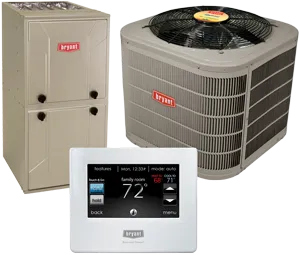
Bryant Colorado connects Denver, CO residents with authorized dealers for HVAC installation, repair, and maintenance services. They cover a wide range of systems including air conditioners, furnaces, heat pumps, boilers, mini splits, and geothermal heat pumps. Bryant Colorado offers expertise in indoor air quality solutions such as air cleaners, humidifiers, ventilators, UV lights, and PHI units to help maintain a healthy indoor environment. The company emphasizes dealer qualifications including technician background checks and extensive industry experience to ensure quality service. They provide support for advanced HVAC technologies like the Bryant Evolution system, which adapts to indoor conditions for efficient heating and cooling.
Tempcontrol Heating & Air Conditioning
Denver, CO
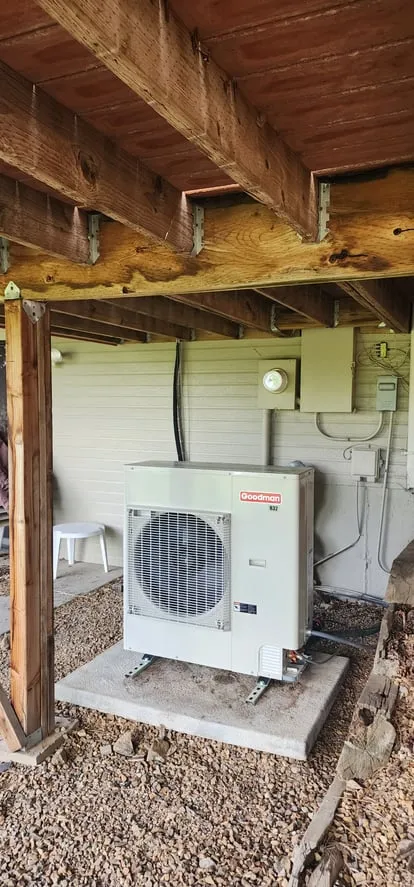
Tempcontrol Heating & Air Conditioning provides a broad range of HVAC services in Denver, CO. They handle repairs and installations for air conditioners, furnaces, heat pumps, boilers, mini splits, and geothermal heat pumps. Their services also include HVAC tune-ups to maintain system efficiency and comfort throughout the year.
PanTerra Energy
6900 CO-86, Kiowa, CO 80117
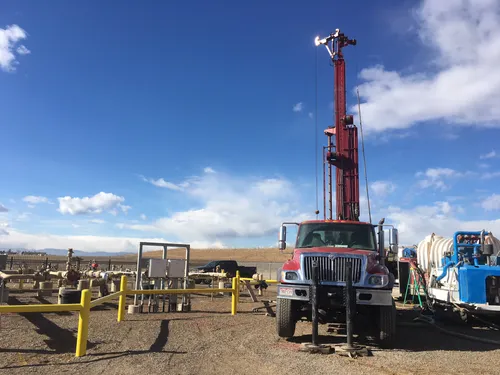
PanTerra Energy is a geothermal heat pump contractor based in Denver, CO. They provide geothermal systems for residential homes, municipal buildings, and utility applications, helping to reduce heating and cooling costs by using the earth's stable underground temperature. Their services also include cathodic protection systems to prevent pipeline corrosion, supporting long-term infrastructure integrity.
Road Runner HVAC
13770 E Smith Dr, Aurora, CO 80011
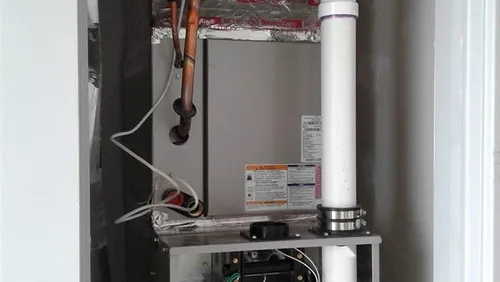
Road Runner HVAC is a family owned and operated company based in Aurora, CO, serving residential and light commercial clients. Since 1998, they have provided heating and cooling services including installation and repair of air conditioners, furnaces, heat pumps, and geothermal systems. Their capabilities include custom sheet metal fabrication to tailor HVAC projects to specific needs. The company focuses on energy-efficient equipment and ongoing technician training to stay current with industry advancements.
How Geothermal Systems Work in Castle Rock
The principle behind a ground-source heat pump is elegantly simple. Just a few feet below the surface, the Earth maintains a remarkably stable temperature of around 50 to 60 degrees Fahrenheit year-round, regardless of the summer heat or winter chill above ground 1 2. A geothermal system uses this constant temperature as a renewable energy source.
The process involves three key components:
- The Ground Loop: A network of high-density polyethylene pipes, called a ground loop, is buried in your yard. A water-based solution circulates through this closed loop.
- The Heat Pump Unit: Located inside your home, this unit contains a compressor and a heat exchanger.
- The Distribution System: This is typically your home's existing ductwork for forced air, or it can be a hydronic system for radiant floor heating.
In the winter, the fluid in the ground loop absorbs the Earth's latent heat and carries it to the indoor heat pump. The pump then concentrates this low-grade heat and transfers it to air or water, which is distributed throughout your home. In the summer, the process reverses: the system extracts heat from your indoor air and transfers it into the cooler ground loop, effectively dumping the heat into the Earth to provide cooling 3 4 5. This efficient heat exchange is why geothermal systems can reduce energy use for heating and cooling by up to 50% compared to conventional systems.
Types of Ground Loop Systems
The design of the underground loop field is critical and depends on your property's characteristics. There are several common configurations for residential geothermal installations:
Closed-Loop Systems (Most Common):
- Horizontal: Pipes are laid in trenches dug 4 to 6 feet deep. This method requires a significant amount of land area but is often less expensive than vertical drilling if space is available.
- Vertical: Pipes are inserted into boreholes drilled 150 to 400 feet deep. This is the ideal solution for homes with smaller lots, like many in Castle Rock, as it requires minimal surface area. It involves specialized drilling equipment.
- Pond/Lake: If you have access to a sufficient body of water, coils of pipe can be submerged at the bottom. This can be a very cost-effective loop option, but it requires specific site conditions 6.
Open-Loop System: This system uses groundwater from a well as the heat exchange fluid. After circulating through the heat pump, the water is discharged back into a second well or a suitable surface body. While potentially efficient, it requires an adequate supply of clean water and is subject to more local regulations, making it less common for residential use.
A professional installer will conduct a detailed site evaluation to determine the best loop type for your home's heating/cooling needs and your property's layout.
The Geothermal Installation Process
Installing a geothermal heating and cooling system is a significant project that requires careful planning and expert execution. Understanding the steps can help you prepare.
- Initial Assessment and Design: A qualified contractor will perform a detailed site survey, evaluate your soil and rock composition, and calculate your home's precise heating and cooling load. They will also arrange for utility locates to mark any underground lines.
- Loop Installation: This is the major earthwork phase. For a horizontal system, a backhoe or trencher will dig the necessary trenches. For a vertical system, a drilling rig will be brought in to create the boreholes. The pipes are then laid or inserted into these excavations 7.
- Pipe Fusion and Pressure Testing: Sections of HDPE pipe are thermally fused together to create a continuous, leak-proof loop. The entire loop is then pressurized and tested to ensure its integrity before being backfilled 8.
- Connection and Indoor Unit Installation: The loops are connected to the manifold that leads into your home. The indoor heat pump unit is installed in your basement, mechanical room, or garage. This unit is typically more compact and quieter than a traditional furnace and air conditioner.
- Integration with Home Systems: The installer will connect the geothermal unit to your existing ductwork and electrical supply. A compatible thermostat, often a smart thermostat, is installed to control the system efficiently 9.
Find the perfect geothermal heat pump contractors for your needs
Get personalized recommendations and expert advice
Benefits and Financial Considerations for Castle Rock Homes
The decision to install a geothermal system is a long-term investment in your home's comfort, efficiency, and value.
Key Benefits:
- Substantial Energy Savings: By tapping into the Earth's stable temperature, geothermal heat pumps operate with exceptional efficiency, often cutting heating and cooling bills by 30% to 50% 10 11. Over the system's lifespan, these savings are significant.
- Long-Term Reliability and Durability: The indoor heat pump components have a lifespan of 20 years or more, while the underground piping often carries warranties of 50 years and is expected to last for generations.
- Year-Round Comfort: These systems provide consistent, even heating in winter and highly effective, dehumidifying cooling in summer. They also operate very quietly.
- Environmental Impact: Geothermal systems have a very low carbon footprint, as they use renewable thermal energy from the ground and only require electricity to run the compressor and fans.
Understanding Costs and Incentives: The upfront cost for a complete geothermal system installation is higher than that of a standard HVAC system, typically ranging from $20,000 to $40,000 or more, depending on system size and loop type 12. However, this cost is mitigated by powerful financial incentives:
- Federal Tax Credit: The federal government offers a 30% tax credit for qualified geothermal heat pump installations through 2034 13. This credit directly reduces your federal income tax liability.
- Long-Term Return on Investment (ROI): When combined with monthly utility savings, the federal tax credit can lead to a compelling payback period, often within 5 to 10 years. For the remaining life of the system, you benefit from drastically lower operating costs.
Choosing the Right Professional
Given the complexity and permanence of a geothermal installation, selecting the right contractor is paramount. Look for a company with specific, proven experience in designing and installing ground-source heat pump systems. They should be licensed, insured, and able to provide references from local projects. A reputable installer will conduct a comprehensive home energy assessment, provide a detailed proposal outlining all costs, loop design, and equipment specifications, and clearly explain available rebates and the expected long-term savings.
Frequently asked questions
Sources
Footnotes
-
Geothermal Installation Denver CO Sustainable HVAC - https://www.servicebyveteran.com/geothermal/geothermal-installation-denver-co ↩
-
How to mine your backyard for underground heat - https://www.cpr.org/2025/04/24/colorado-geothermal-energy-homes/ ↩
-
Resources - Colorado Energy Office Geothermal - https://geothermal.colorado.gov/resources ↩
-
Geothermal Heating and Cooling | Colorado Energy Office ... - https://geothermal.colorado.gov/geothermal-heating-and-cooling ↩
-
Air Source vs Ground Source Heat Pump: Which Is Best? - https://harmonmechanical.com/air-source-vs-ground-source-heat-pump/ ↩
-
Understanding and Evaluating Geothermal Heat Pump Systems - https://northeastgeo.com/wp-content/uploads/2017/10/NYSERDA_Evaluating_GHP_Applications.pdf ↩
-
Geothermal Installation Steps Explained - https://ultrageothermal.com/geothermal-installation-steps-explained/ ↩
-
The Geothermal Process | Colorado Geothermal Drilling - https://www.cogeothermal.com/services/our-process/ ↩
-
Geothermal Heat Pump Installation: What To Expect For Your Property - https://jomory.com/geothermal-heat-pump-installation-what-to-expect-for-your-property/ ↩
-
Geothermal Heat Pumps - Department of Energy - https://www.energy.gov/energysaver/geothermal-heat-pumps ↩
-
Geothermal Heating and Cooling Systems for Colorado ... - https://accurateaircontrolcolorado.com/geothermal-heating-and-cooling-systems-for-colorado-springs-homes/ ↩
-
Geothermal Heat Pump Guide: Installation Costs, Types And Benefits - https://modernize.com/hvac/heating-repair-installation/heat-pump/geothermal ↩
-
All You Need to Know About Home Geothermal Heating & ... - https://dandelionenergy.com/all-you-need-to-know-about-home-geothermal-heating-cooling ↩