Find the Best Mini-Split Installers for Your Business
No obligation • Fast responses • Nationwide coverage

Why you can trust HVAC Firms
HVAC Firms is a leading United States resource for evaluating HVAC service providers. Our team researches companies, checks credentials, and reviews customer feedback to present clear, unbiased information. Listings and rankings are based on merit, and companies cannot pay to change our editorial content.
Search providers near you
Top Mini-Split Installers in Plymouth, Minnesota Ranked
A ductless mini-split system is a versatile heating and cooling solution that provides targeted comfort without the need for extensive ductwork. For Plymouth homeowners, this technology is particularly valuable for managing the distinct seasons, offering efficient zoned climate control for specific areas of your home. This guide will help you understand the process, benefits, and key considerations for finding a qualified professional to handle your installation.
Hurlburt Heating & Plumbing
1000 County Rd E Suite 115, Shoreview, MN 55126
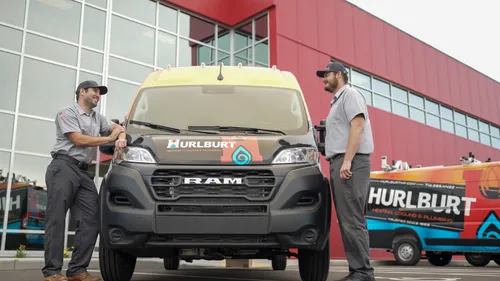
Hurlburt Heating & Plumbing is a family-owned home services provider serving Minneapolis, MN, and surrounding areas. Since 1959, they have offered a wide range of services including HVAC installation and repair, plumbing, and electrical work. Their HVAC services cover air conditioner and furnace repair, heat pump and mini split installation, indoor air quality solutions, and HVAC tune-ups. Hurlburt also provides whole-home air scrubbers, purifiers, humidifiers, and dehumidifiers to improve indoor air quality. With over six decades of experience, they combine modern technology with personalized service to address customer needs.

Nice Heating & Air
24 Onville Rd suite 101-9, Stafford, VA 22556
Nice Heating & Air is an HVAC company serving Minneapolis, MN, specializing in air conditioning, heating, and indoor air quality services. They provide installation, repair, and maintenance for systems including ductless mini splits, heat pumps, furnaces, and water heaters. The company has many years of experience and focuses on delivering high-quality products and services with a commitment to customer satisfaction. Their capabilities include HVAC tune-ups and indoor air quality improvements such as air purifier installation and ventilation services.

Furnace Doctors
102 County Rd C West, Little Canada, MN 55117
Furnace Doctors is an HVAC company based in Minneapolis, MN, offering a range of heating and cooling services. Their expertise includes furnace repair and replacement, air conditioner repair and installation, ductless system installation, and indoor air quality solutions such as air filtration and humidity control systems. The company emphasizes maximizing HVAC system performance and has installers with over 25 years of experience. Furnace Doctors also provides annual maintenance plans to help keep systems running efficiently.

Pronto Heating and Air Conditioning - Minneapolis
7415 Cahill Rd, Minneapolis, MN 55439
Pronto Heating and Air Conditioning - Minneapolis is an HVAC company serving Minneapolis, MN, and nearby communities. They provide installation, repair, and maintenance for heating and cooling systems including furnaces, air conditioners, boilers, heat pumps, and ductless mini splits. The company is a Bryant Factory Authorized Dealer with expertise in indoor air quality solutions such as air purification and advanced thermostats. Pronto Heating and Air Conditioning offers emergency service with a commitment to respond within 24 hours and has a history of recognized performance as a multiple Bryant Dealer of the Year finalist and winner.
Stafford Home Service
6225 Cambridge St, Minneapolis, MN 55416
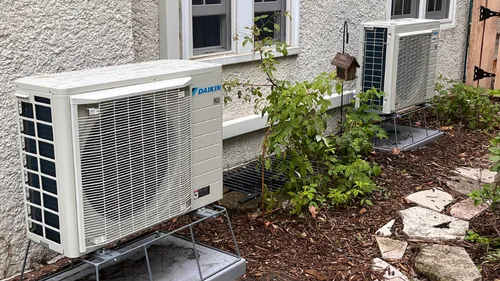
Stafford Home Service is a family-operated company based in Minneapolis, MN, offering residential HVAC and electrical services. They provide repairs, installations, and maintenance for heating and cooling systems including furnaces, heat pumps, boilers, mini-split systems, and air conditioning units. The company features licensed technicians with over 70 years of combined experience and emphasizes transparent pricing and customer satisfaction. Stafford Home Service also offers advanced HVAC solutions with Daikin products, known for energy efficiency and zoning capabilities. Since 2007, the company has continued a legacy of quality workmanship under current ownership. They serve Minneapolis and surrounding communities with a range of home comfort services.
Understanding Ductless Mini-Split Systems
Often called ductless heat pumps or simply mini-splits, these systems consist of two main components: a quiet outdoor compressor/condenser and one or more sleek indoor air handlers. They are connected by a small conduit that houses refrigerant lines, power cables, and a drain line, which only requires a roughly three-inch hole in an exterior wall. This makes them an ideal retrofit solution for spaces where extending traditional forced-air ductwork is impractical or prohibitively expensive.
The core appeal of a ductless installation is its ability to create independent temperature zones. Unlike a central system that treats the entire house as one unit, you can cool your home office during the day while keeping the bedroom slightly warmer, then reverse the settings at night. This zoned approach eliminates wasted energy on unoccupied rooms, which can lead to significant utility savings over time.
Ideal Applications for Plymouth Homes
Ductless technology solves specific comfort challenges common in our area. Here are the most popular uses:
- Home Additions & Renovations: Adding a sunroom, finishing a basement, or building a garage apartment? A mini-split is often the most cost-effective and efficient way to heat and cool the new space without the complexity and expense of extending your existing ducts 1 2.
- Supplementing Existing Systems: Do you have a room that's always too hot in summer or too cold in winter? A single-zone ductless unit can perfectly supplement your furnace and central air conditioner, solving those stubborn comfort problems without overhauling your entire HVAC system.
- Whole-Home Solutions for Older Properties: Many charming older homes in Plymouth were built without any ductwork. Installing a multi-zone ductless system provides a complete, modern heating and cooling solution that preserves architectural integrity and avoids the major construction project of adding ducts. They are also excellent for historic homes where preserving original walls and ceilings is a priority.
System Types: Single-Zone vs. Multi-Zone
Choosing the right system configuration is the first major decision.
- Single-Zone Systems: This setup includes one outdoor unit connected to one indoor air handler. It's designed to condition a single room or open area, like a garage, attic conversion, or great room. It's the most straightforward and typically least expensive option to install.
- Multi-Zone Systems: A single outdoor compressor can connect to multiple indoor units (commonly 2 to 5+). This allows you to independently control the temperature in several bedrooms, a living room, and a kitchen from one efficient outdoor unit. While the upfront investment is higher, the per-zone cost is often lower than installing multiple single-zone systems, and the energy savings from zoned control are substantial 3.
Critical Planning: Indoor Unit Placement
Professional installation hinges on optimal placement for both performance and comfort. The location of the indoor air handler is not just about aesthetics.
- Optimal Location: Installers typically mount the unit high on an interior wall to allow for the best possible air distribution across the room. A central location on the longest wall is often ideal. The goal is to ensure the conditioned air stream can flow unobstructed throughout the space.
- Locations to Avoid: Placement is critical to avoid. Units should not be installed directly above large furniture or electronics that block airflow, directly across from a window (which can cause short-cycling due to temperature sensing issues), or near sources of heat or steam like kitchens or bathrooms 4.
- Style Options: The common wall-mounted unit is just one option. Ceiling cassette models are recessed into the ceiling for a discreet look, and floor-standing console units are available for rooms where wall mounting isn't feasible 5.
Outdoor Unit Considerations
The outdoor condenser requires careful site planning for longevity and efficiency.
- Foundation: The unit must be placed on a stable, level pad (typically concrete or a composite pad) to prevent vibration and noise.
- Clearance: Ample clearance is non-negotiable. The unit needs unrestricted airflow on all sides-especially the intake and exhaust sides-to operate efficiently and prevent overheating. Professional installers will follow manufacturer specifications, which usually require several feet of clearance from walls, shrubs, and debris.
- Accessibility: Leave room for future maintenance. Technicians need easy access to clean coils, check electrical connections, and perform routine service 6.
Find the perfect mini-split installers for your needs
Get personalized recommendations and expert advice
Understanding Installation Costs in Plymouth
Investment in a ductless system varies based on your home's specific needs. Local factors like the scope of work, electrical requirements, and equipment choice all influence the final price.
- Single-Zone Installation: For a basic one-room system, homeowners can expect a total installed cost typically ranging from $3,000 to $8,000. This includes the equipment, labor, and standard materials 7.
- Multi-Zone Installation: A system with one outdoor unit supporting 2 to 5 indoor zones generally ranges from $7,500 to $15,000 or more. The final cost depends heavily on the number of zones, the efficiency (SEER2 rating) of the equipment, the brand, and the complexity of running linesets to each indoor location 8 9 10.
- Key Cost Factors:
- Number of Zones: Each additional indoor unit adds to the equipment and labor cost.
- System Efficiency: Higher SEER2-rated models cost more upfront but save significantly on long-term energy bills.
- Electrical Work: If a new dedicated circuit or electrical panel upgrade is needed, this will add to the project cost.
- Installation Complexity: Running linesets through finished walls, across attics, or between floors adds labor time.
The Professional Installation Process
A proper installation by a certified technician is crucial for system performance, efficiency, and warranty validity. The process generally follows these key steps:
- System Design & Load Calculation: A professional will assess your space to determine the correct heating and cooling capacity (in BTUs) needed for each zone, preventing under- or over-sizing.
- Mounting the Units: The indoor air handler(s) are securely mounted on the predetermined wall locations, and the outdoor unit is placed on its pad with proper clearances.
- Creating the Penetration: A small hole (about 3 inches in diameter) is carefully drilled through the exterior wall for each lineset.
- Running Connections: The refrigerant lineset, electrical conduit, and condensate drain line are connected between the indoor and outdoor units, run through the wall penetration, and neatly sealed.
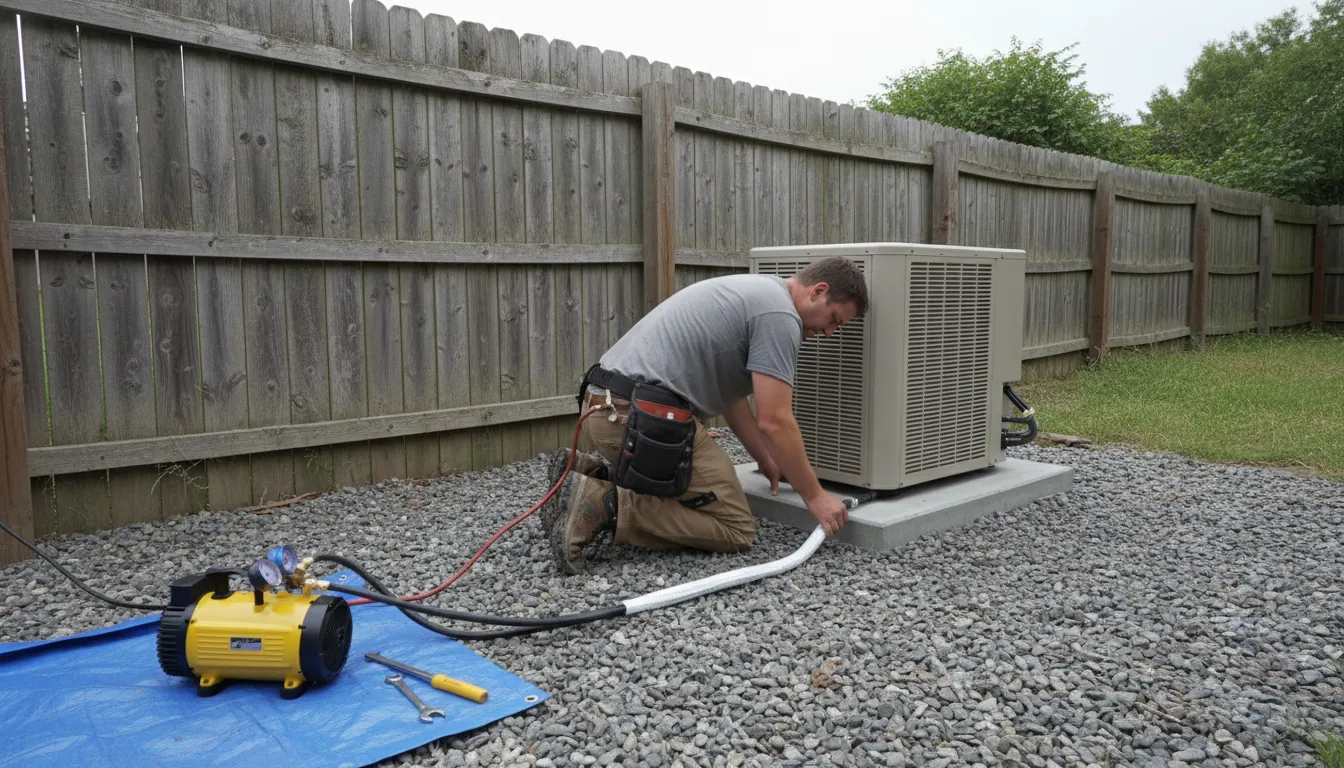
- Vacuum, Charge, & Test: The system is evacuated of air and moisture, charged with the precise amount of refrigerant, and thoroughly tested for leaks, proper operation, and optimal airflow 11.
Frequently asked questions
Sources
Footnotes
-
Ductless mini split installation ramsey, mn: Top Comfort 2025 - https://www.staffordhomeservice.com/blog/ductless-mini-split-installation-ramsey-mn ↩
-
Best Mini Split AC Installation Location - Carrier - https://www.carrier.com/residential/en/us/products/ductless-mini-splits/install-ductless-ac/best-mini-split-placement/ ↩
-
How Much Does a Mini Split Installation Cost? (2026) - HomeGuide - https://homeguide.com/costs/ductless-mini-split-ac-cost ↩
-
Ductless Mini-Splits: A Comprehensive Cost Breakdown - https://www.myfivestarhomeservices.com/ductless-mini-splits-a-comprehensive-cost-breakdown/ ↩
-
How Much Does a Mini-Split Installation Cost? - Taskrabbit Blog - https://www.taskrabbit.com/blog/mini-split-installation-cost/ ↩
-
Best Place to Install a Ductless Mini Split System - https://jacobsheating.com/blog/mini-split-placement/ ↩
-
Ductless Mini-Split Installation Cost in 2025: Full Breakdown - https://osborneheatingncooling.com/ductless-mini-split-installation-cost/ ↩
-
Ductless Mini-Split Installation Costs in Minnesota - AIR COMFORT HEATING & AIR - https://www.aircomfortmn.com/blog/ductless-mini-split-installation-costs-in-minnesota ↩
-
Ductless Mini Split Setup: An Ultimate Guide - Airflow Heating & Air - https://www.goairflow.com/blog/ductless-mini-split-installation/ ↩
-
Mini Split System Average Cost in Minnesota (2025 Update) - https://genzryan.com/blog/mini-split-system-cost/ ↩
-
Ductless mini-split installation: Cool 2025 Guide - Southern Air - https://www.southern-air.com/blog/ductless-mini-split-installation ↩