Find the Best Mini-Split Installers for Your Business
No obligation • Fast responses • Nationwide coverage

Why you can trust HVAC Firms
HVAC Firms is a leading United States resource for evaluating HVAC service providers. Our team researches companies, checks credentials, and reviews customer feedback to present clear, unbiased information. Listings and rankings are based on merit, and companies cannot pay to change our editorial content.
Search providers near you
Top Mini-Split Installers in Minneapolis, Minnesota Ranked
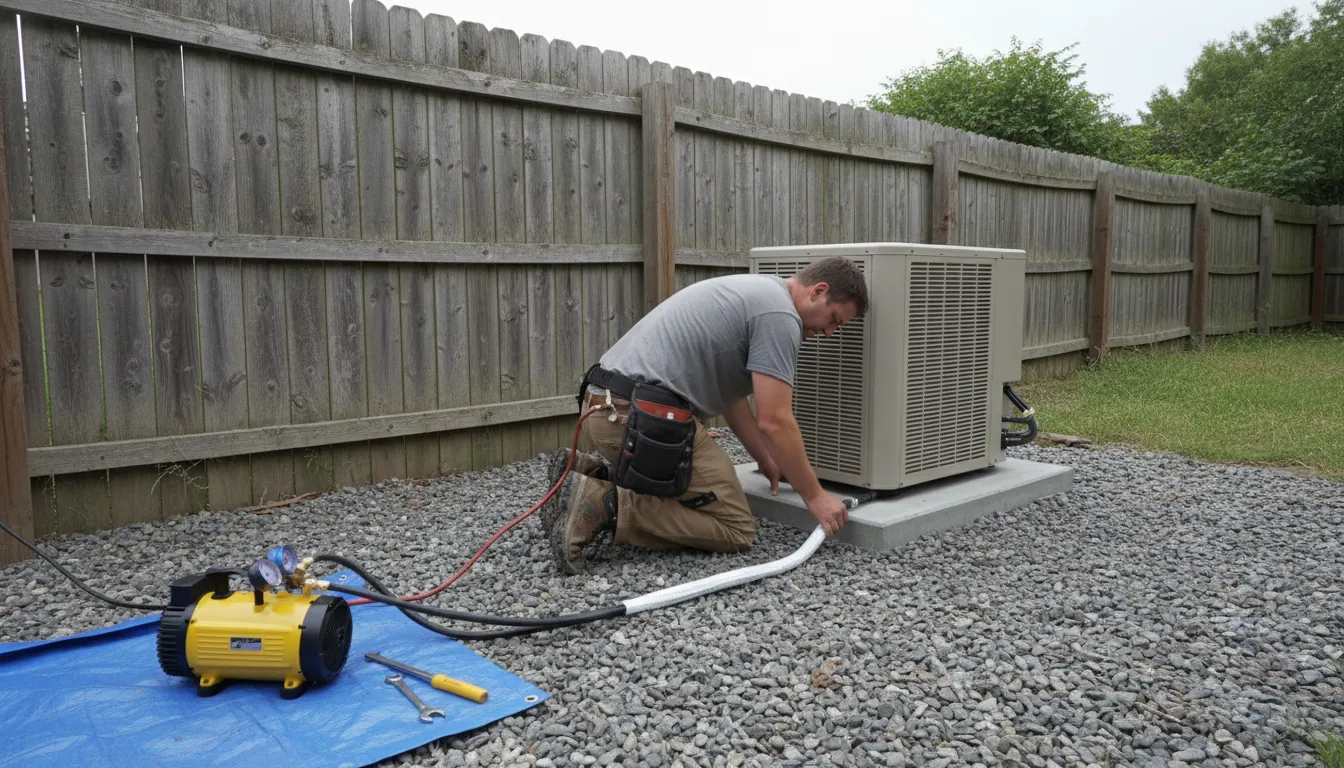
A ductless mini-split system is an efficient solution for adding targeted heating and cooling to spaces without existing ductwork. In Minneapolis, where temperature extremes are common, these systems provide zoned comfort, allowing you to efficiently heat or cool specific rooms, additions, or entire older homes. This guide helps you understand the applications, components, and costs of mini-split installation so you can find the right local expertise for your project.
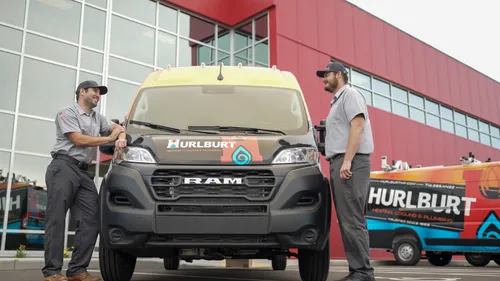
Hurlburt Heating & Plumbing
1000 County Rd E Suite 115, Shoreview, MN 55126
Hurlburt Heating & Plumbing is a family-owned home services provider serving Minneapolis, MN, and surrounding areas. Since 1959, they have offered a wide range of services including HVAC installation and repair, plumbing, and electrical work. Their HVAC services cover air conditioner and furnace repair, heat pump and mini split installation, indoor air quality solutions, and HVAC tune-ups. Hurlburt also provides whole-home air scrubbers, purifiers, humidifiers, and dehumidifiers to improve indoor air quality. With over six decades of experience, they combine modern technology with personalized service to address customer needs.

Nice Heating & Air
24 Onville Rd suite 101-9, Stafford, VA 22556
Nice Heating & Air is an HVAC company serving Minneapolis, MN, specializing in air conditioning, heating, and indoor air quality services. They provide installation, repair, and maintenance for systems including ductless mini splits, heat pumps, furnaces, and water heaters. The company has many years of experience and focuses on delivering high-quality products and services with a commitment to customer satisfaction. Their capabilities include HVAC tune-ups and indoor air quality improvements such as air purifier installation and ventilation services.

Furnace Doctors
102 County Rd C West, Little Canada, MN 55117
Furnace Doctors is an HVAC company based in Minneapolis, MN, offering a range of heating and cooling services. Their expertise includes furnace repair and replacement, air conditioner repair and installation, ductless system installation, and indoor air quality solutions such as air filtration and humidity control systems. The company emphasizes maximizing HVAC system performance and has installers with over 25 years of experience. Furnace Doctors also provides annual maintenance plans to help keep systems running efficiently.

Pronto Heating and Air Conditioning - Minneapolis
7415 Cahill Rd, Minneapolis, MN 55439
Pronto Heating and Air Conditioning - Minneapolis is an HVAC company serving Minneapolis, MN, and nearby communities. They provide installation, repair, and maintenance for heating and cooling systems including furnaces, air conditioners, boilers, heat pumps, and ductless mini splits. The company is a Bryant Factory Authorized Dealer with expertise in indoor air quality solutions such as air purification and advanced thermostats. Pronto Heating and Air Conditioning offers emergency service with a commitment to respond within 24 hours and has a history of recognized performance as a multiple Bryant Dealer of the Year finalist and winner.
Stafford Home Service
6225 Cambridge St, Minneapolis, MN 55416
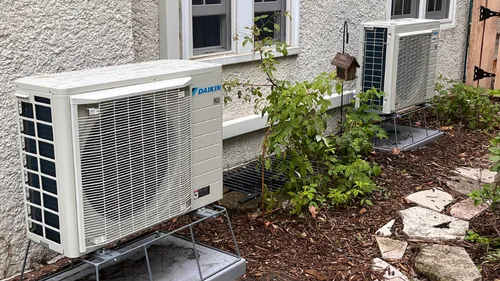
Stafford Home Service is a family-operated company based in Minneapolis, MN, offering residential HVAC and electrical services. They provide repairs, installations, and maintenance for heating and cooling systems including furnaces, heat pumps, boilers, mini-split systems, and air conditioning units. The company features licensed technicians with over 70 years of combined experience and emphasizes transparent pricing and customer satisfaction. Stafford Home Service also offers advanced HVAC solutions with Daikin products, known for energy efficiency and zoning capabilities. Since 2007, the company has continued a legacy of quality workmanship under current ownership. They serve Minneapolis and surrounding communities with a range of home comfort services.
Ideal Applications for Ductless Systems in Minneapolis Homes
Ductless mini-splits, often called ductless heat pumps, are particularly well-suited for the unique housing stock and climate needs of Minneapolis. Their flexibility makes them a popular choice for several specific scenarios.
- Room Additions and Sunrooms: When you add a sunroom, finish a basement, or convert a garage, extending existing ductwork can be prohibitively expensive and disruptive. A ductless system provides a dedicated, efficient climate control solution for these new spaces without the need for major renovation.
- Older and Historic Homes: Many beautiful older homes in Minneapolis neighborhoods were built without central air conditioning or have inefficient, difficult-to-modify duct systems. Installing a ductless mini-split offers a whole-home heating and cooling solution that preserves architectural integrity while providing modern comfort.
- Creating Zoned Comfort: For families with different temperature preferences or rooms with unique usage patterns, zoned comfort is key. Installing a mini-split in a home office, nursery, or master bedroom allows for independent temperature control, improving comfort and potentially lowering overall energy bills by not conditioning unused spaces 1.
Understanding System Types and Indoor Unit Options
Choosing the right configuration is crucial for maximizing comfort and efficiency. Systems are defined by their zone capacity and the style of indoor units.
Single-Zone Systems: This configuration consists of one outdoor compressor unit connected to a single indoor air handler. It's an ideal and cost-effective solution for conditioning one specific area, such as a living room, garage workshop, or attic apartment.
Multi-Zone Systems: A single outdoor unit can connect to multiple indoor units (typically 2 to 5+), creating independent zones. This is perfect for heating and cooling several rooms or an entire floor. Each indoor unit can be controlled separately, offering superior efficiency for whole-house applications.
The style of indoor unit affects both aesthetics and performance:
- Wall-Mounted Units: The most common and generally most affordable option. They are mounted high on an interior wall and provide excellent airflow distribution.
- Ceiling Cassette Units: Recessed into the ceiling for a discreet, flush appearance. They distribute air in four directions for even coverage but typically involve higher installation costs due to carpentry work 2.
- Floor Console Units: Low-profile units that sit near the floor, often used in spaces with limited wall space or where wall mounting is not desirable.
Key Installation Considerations for a Successful Project
Proper planning and installation are as important as the equipment itself. Several technical factors must be addressed for optimal performance and longevity.
- Indoor Unit Placement: For best airflow and comfort, indoor units should be installed on interior walls. This minimizes the length of the line set running to the outside and avoids exposing the lines to extreme temperature swings in exterior walls. Consider the path of airflow to avoid blowing directly onto seating or bedding.
- Outdoor Unit Clearance: The outdoor condenser requires adequate clearance (usually several feet) on all sides for proper airflow and service access. Placement should consider noise relative to neighboring windows and should be on a stable, level pad.
- Line Set Routing: The refrigerant lines and electrical wiring (the "line set") connect the indoor and outdoor units. While a standard length (often 15 feet) is typically included, longer runs or complex routing through walls, attics, or crawl spaces will increase installation complexity and cost 3.
- Electrical Requirements: Ductless systems require a dedicated 240-volt circuit run from the main electrical panel to the outdoor unit. Older homes may need an electrical service upgrade to accommodate this new load.
- Condensate Drainage: Like all air conditioners and heat pumps, mini-splits produce condensation during cooling mode. The drain line must be pitched correctly for gravity drainage. If the indoor unit is installed in a location where gravity drainage isn't possible, a condensate pump will be required.
Find the perfect mini-split installers for your needs
Get personalized recommendations and expert advice
Cost Breakdown for Mini-Split Installation in Minneapolis
Investment in a ductless system varies widely based on system size, complexity, and equipment choices. Understanding the cost factors helps in budgeting for your Minneapolis project.
Typical Cost Ranges:
- Single-Zone System: Installing a single-zone ductless mini-split in Minneapolis typically ranges from $3,000 to $8,000 4 5. The final price depends on the unit's efficiency (SEER2 rating), brand, and the complexity of the installation (electrical work, line set length).
- Multi-Zone System (2-3 zones): For a system with two or three indoor heads, homeowners can expect costs between $5,500 and $9,500+ 6.
- Multi-Zone System (4+ zones): Larger whole-home systems with four or more zones generally range from $8,000 to $15,000 or more 7 8.
Primary Factors Influencing Cost:
- Number of Zones and Indoor Units: Each additional indoor head adds to the equipment and labor cost.
- Equipment Efficiency and Brand: Higher SEER2 ratings indicate greater cooling efficiency, which can save on energy bills but has a higher upfront cost. Brand reputation and features also affect price.
- Installation Complexity: Costs rise with the need for longer line sets, ceiling cassette installations requiring carpentry, condensate pumps, or significant new electrical work 9.
- Home Readiness: The existing electrical service and the accessibility of installation locations (attic access, wall construction) can impact labor time and cost.
Benefits of Choosing a Ductless Heat Pump
Beyond solving specific spatial challenges, mini-splits offer compelling advantages for Minneapolis residents.
- Energy Efficiency: By eliminating duct losses (which can account for more than 30% of energy consumption in forced-air systems), ductless systems operate very efficiently. They also allow you to turn off conditioning in unoccupied rooms 10 11.
- Year-Round Comfort: Modern ductless heat pumps provide both heating and cooling. Advanced models can efficiently extract heat from outside air even in Minneapolis's cold winters, serving as a primary or supplemental heat source.
- Improved Indoor Air Quality: Without ductwork, there's no network for dust, allergens, and mold to accumulate and circulate throughout your home. Many indoor units also feature multi-stage filtration.
- Flexibility and Quiet Operation: The zoned design offers unparalleled control over your home's climate. Both indoor and outdoor units are designed for quiet performance, a noticeable benefit compared to traditional systems.
Frequently asked questions
Sources
Footnotes
-
Ductless mini split installation ramsey, mn: Top Comfort 2025 - https://www.staffordhomeservice.com/blog/ductless-mini-split-installation-ramsey-mn ↩
-
Mini Split Installation Minneapolis, MN | Expert Service - https://www.staffordhomeservice.com/mini-split/mini-split-installation-minneapolis-mn ↩
-
Ductless Mini-Splits: A Comprehensive Cost Breakdown - https://www.myfivestarhomeservices.com/ductless-mini-splits-a-comprehensive-cost-breakdown/ ↩
-
Ductless Mini-Split Installation Costs in Minnesota - AIR COMFORT HEATING & AIR - https://www.aircomfortmn.com/blog/ductless-mini-split-installation-costs-in-minnesota ↩
-
Ductless Mini Split Installation Costs in 2026 - Carrier - https://www.carrier.com/residential/en/us/products/ductless-mini-splits/ductless-mini-split-installation-cost/ ↩
-
Cost to Install Mini Split AC System in 2025 - https://dellahome.com/blogs/della-blog/cost-to-install-mini-split-ac-system ↩
-
Ductless Mini-Split Installation Cost in 2025: Full Breakdown - https://osborneheatingncooling.com/ductless-mini-split-installation-cost/ ↩
-
Mini Split System Average Cost in Minnesota (2025 Update) - https://genzryan.com/blog/mini-split-system-cost/ ↩
-
Ductless Mini-Splits: A Comprehensive Cost Breakdown | Fire & Ice - https://indoortemp.com/resources/cost-of-mini-split-ductless-system ↩
-
Ductless mini splits - Heating & Cooling - CenterPoint Energy - https://www.centerpointenergy.com/en-us/residential/services/home-service-plus/products/heating-cooling/ductless-air-conditioners?sa=mn ↩
-
Mini-Splits Explained: Costs, Benefits, and Use Cases - https://petermanhvac.com/about-us/blog/mini-splits-complete-guide/ ↩