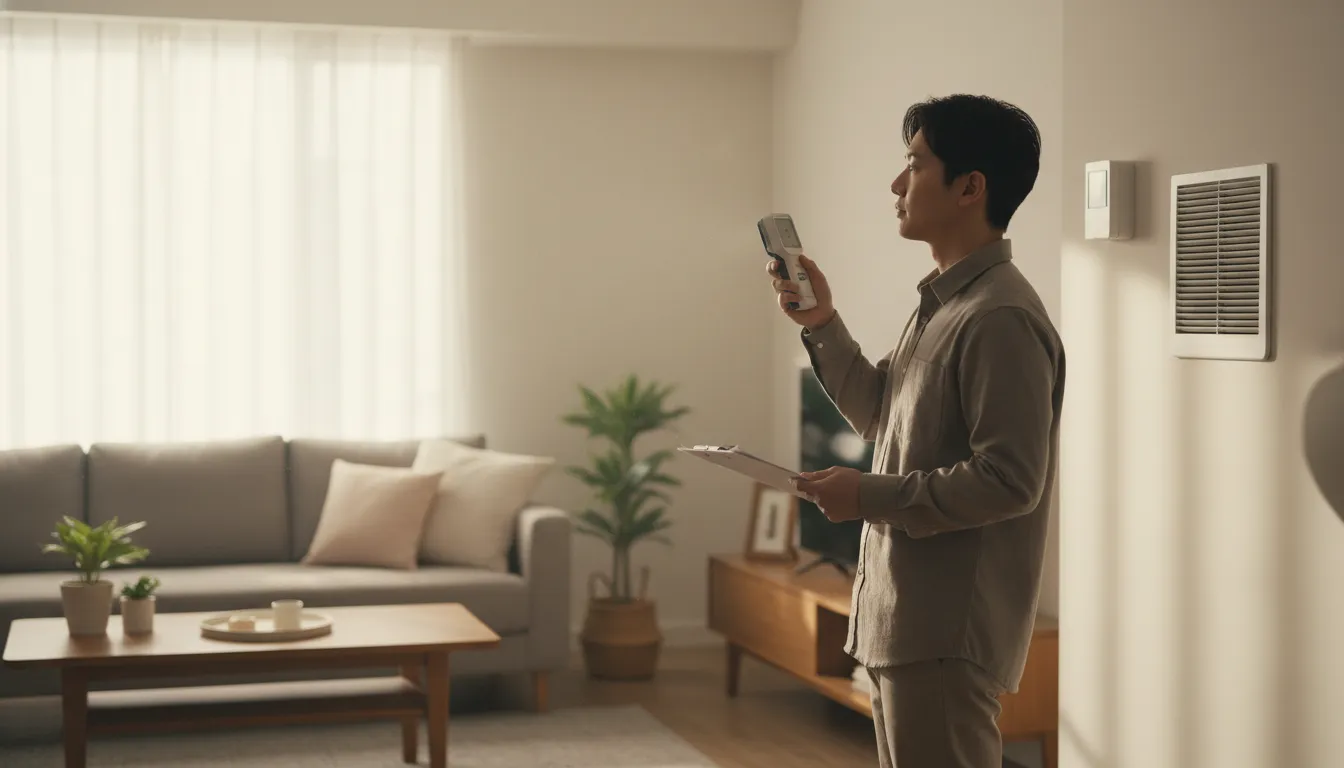
Find the Best Indoor Air Quality Service Providers for Your Business
No obligation • Fast responses • Nationwide coverage

Why you can trust HVAC Firms
HVAC Firms is a leading United States resource for evaluating HVAC service providers. Our team researches companies, checks credentials, and reviews customer feedback to present clear, unbiased information. Listings and rankings are based on merit, and companies cannot pay to change our editorial content.
Search providers near you
Top Indoor Air Quality Service Providers in Omaha, Nebraska Ranked
The air you breathe inside your Omaha home or office has a direct impact on your health, comfort, and well-being. Indoor Air Quality (IAQ) refers to the condition of the air within buildings, encompassing pollutants like dust, mold, chemical vapors, and gases. In a region with high humidity, agricultural activity, and specific geological risks, managing your interior environment is crucial. This guide explores the common air quality challenges in the Omaha metro area, the solutions available from local specialists, and how you can take steps to ensure your indoor air is clean and safe.
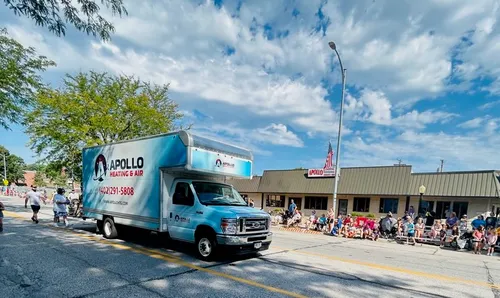
Apollo Heating & Air Conditioning
114 W Mission Ave, Bellevue, NE 68005
Apollo Heating & Air Conditioning is a family-owned HVAC company serving Omaha, NE, and the surrounding areas including southeast Nebraska and southwest Iowa. Established in 1971, they provide a wide range of heating and cooling services such as furnace, heat pump, and air conditioning installation, repair, and maintenance. The company is a Lennox Premier Dealer but works on all makes and models. They also offer specialized services including geothermal heat pump installation, ductless mini-split systems, custom sheet metal fabrication, and indoor air quality solutions. Apollo Heating & Air Conditioning supports both residential and commercial clients with comprehensive HVAC solutions.
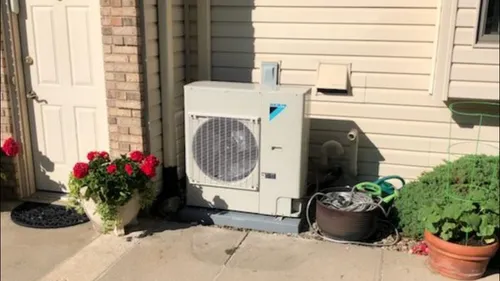
Air Care
15125 Irene St, Omaha, NE 68138
Air Care is a full-service HVAC company serving Omaha, NE, and Council Bluffs. They provide residential and commercial heating, ventilation, and air conditioning services including installation, maintenance, and repair of air conditioners, furnaces, and indoor air quality systems. Air Care is an authorized Daikin and AprilAire dealer with over 20 years of experience. They offer thorough HVAC tune-ups and air quality analysis to ensure safe and efficient system operation.
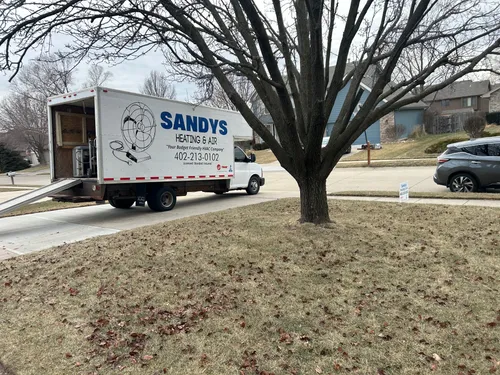
Sandys Heating and Air
720 N Frontier Dr, Papillion, NE 68046
Sandys Heating and Air is an HVAC company based in Omaha, NE, offering a wide range of heating and cooling services. They provide air conditioner and furnace installation, repair, and maintenance, as well as mini split system installation and upkeep. Their services also include indoor air quality solutions such as air purification and whole home humidifier installation. The company serves residential and commercial customers in Omaha and surrounding areas including Bellevue, Papillion, and La Vista. Sandys Heating and Air offers 24/7 emergency HVAC services, ensuring prompt assistance for urgent heating and cooling issues. Their technicians specialize in furnace and air conditioner repairs, ductless mini-splits, and commercial HVAC maintenance.
Donovan Brothers Heating and Cooling
Omaha, NE
Donovan Brothers Heating and Cooling is a locally owned HVAC company serving Omaha, NE. Established in 1922, they provide heating and cooling repair and installation services, including furnace and air conditioning systems as well as mini split installations. Their offerings also include indoor air quality solutions such as humidifiers and carbon monoxide detectors, helping customers maintain a healthy home environment.
BreezeTech Heating and Cooling
729 N Frontier Rd Ste 1, Papillion, NE 68046
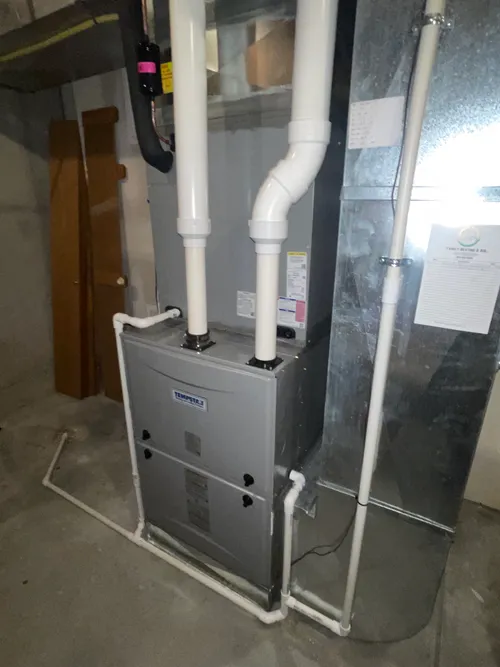
BreezeTech Heating and Cooling provides HVAC repair, installation, and maintenance services in Omaha, NE. They handle air conditioning, furnace, and heat pump systems, ensuring comfortable indoor temperatures year-round. The company also offers indoor air quality solutions, including humidifiers, smart thermostats, UV lights, air purifiers, and filters to improve home air cleanliness. BreezeTech focuses on keeping HVAC systems running efficiently through tune-ups and repairs.
Understanding Omaha's Indoor Air Challenges
Modern construction techniques create energy-efficient, tightly sealed homes, which is excellent for utility bills but can trap pollutants inside. When combined with Nebraska's unique environmental factors, several specific IAQ concerns become prominent for Omaha residents.
Radon Gas: This colorless, odorless radioactive gas is a leading environmental cause of lung cancer and is a significant concern in Nebraska. Radon naturally occurs in soil and can seep into homes through cracks in the foundation, sump pits, or gaps around utility pipes. The U.S. Environmental Protection Agency (EPA) recommends testing all homes below the third floor for this hazard.
Mold and Mildew: Nebraska's climate brings periods of high humidity, especially during summer months. This moisture can lead to mold growth in basements, crawl spaces, bathrooms, and around leaky windows. Mold spores can trigger allergic reactions, asthma attacks, and other respiratory issues 1.
Particulates and Allergens: Omaha's proximity to agricultural land means dust and pollen are common airborne particulates. Inside the home, pet dander, dust mites, and insect debris add to the mix. These particles are frequent triggers for allergy and asthma sufferers.
Volatile Organic Compounds (VOCs): These are gases emitted from a wide array of household products, including paints, varnishes, cleaning supplies, adhesives, and even new furniture or carpeting. Off-gassing from these materials can contribute to headaches, dizziness, and long-term health concerns 2.
Carbon Monoxide (CO): An acute danger, this deadly, odorless gas can be produced by malfunctioning fuel-burning appliances like furnaces, water heaters, or stoves. Proper ventilation and working CO detectors are non-negotiable for safety.
Outdoor Air Infiltration: The Omaha-Council Bluffs metro area can experience days with elevated levels of ozone and particle pollution, which can enter homes and degrade the indoor environment 3.
Professional Assessment and Testing
If you suspect an air quality issue-such as persistent musty odors, worsening allergy symptoms, or condensation problems-a professional assessment is a wise first step. Local environmental and HVAC firms offer specialized testing to identify the exact pollutants in your air.
Types of Testing:
- Radon Testing: Professionals typically recommend a long-term test (3-12 months) for the most accurate reading of your home's radon levels, as concentrations can fluctuate daily 4. Short-term tests are also available.
- Mold Inspection: This involves a visual assessment and often air or surface sampling to identify mold species and spore counts.
- Comprehensive IAQ Testing: Some providers offer broad testing that can measure levels of VOCs, formaldehyde, carbon dioxide (CO2), humidity, and particulate matter (PM2.5).
The cost for professional air testing in Omaha typically ranges from $300 to $500, though specialized testing for mold or asbestos can exceed $1,000 5 6. For ongoing awareness, smart air quality monitors from brands like Airthings or IQAir allow for real-time tracking of parameters like radon, CO2, VOCs, and humidity from your smartphone 7 8.
Find the perfect indoor air quality service providers for your needs
Get personalized recommendations and expert advice
Solutions for Cleaner Indoor Air
Once the specific issues in your home are identified, a range of effective solutions can be implemented, often through your home's existing HVAC system.
Source Control: The most effective strategy is to remove or reduce the source of pollution. This includes using low-VOC paints, ensuring proper ventilation when using chemical cleaners, fixing water leaks promptly to prevent mold, and sealing foundation cracks to reduce radon entry.
Ventilation Improvements: Introducing fresh, filtered air is key. While opening windows helps, it's not always practical with extreme temperatures or high outdoor pollen. Air Exchangers, like Heat Recovery Ventilators (HRVs) or Energy Recovery Ventilators (ERVs), systematically bring in fresh outdoor air while exhausting stale indoor air, recovering energy in the process to maintain efficiency.
Air Cleaning and Filtration:
- Advanced HVAC Filters: Upgrading from a standard fiberglass filter to one with a higher Minimum Efficiency Reporting Value (MERV rating)-such as MERV 8 or higher-can capture a greater percentage of dust, pollen, and mold spores 9 10.
- Whole-House Air Purifiers: Installed directly into your ductwork, these systems, such as high-efficiency particulate air (HEPA) or electrostatic models, clean all the air circulating through your home. Installation typically ranges from $1,000 to $3,000 11.
- UV Germicidal Lights: Installed inside the ductwork near the HVAC coil, ultraviolet-C (UVC) lights help neutralize mold, bacteria, and viruses as air passes by, keeping the coil clean and the air more sanitized.
- Air Scrubbers: These devices, often using a combination of UV light and a catalytic process, actively reduce gases, odors, and particles in the air. Systems like these can cost approximately $1,400 or more 12.
Humidity Control: Maintaining indoor relative humidity between 30% and 50% is vital. It discourages mold growth and dust mites while improving comfort.
- Whole-Home Dehumidifiers: Integrated with your HVAC system, these are highly effective for managing Omaha's summer humidity, particularly in basements. They can range from $1,300 to $4,300 for installation 13.
- Whole-Home Humidifiers: During dry winter months, adding moisture to the air protects wood furnishings, reduces static electricity, and can ease dry skin and respiratory irritation.
Radon Mitigation: If testing reveals elevated radon levels (4 pCi/L or higher), a mitigation system is essential. A typical system uses a vent pipe and fan to pull radon gas from beneath the home's foundation and exhaust it safely above the roofline, preventing its entry into living spaces.
Maintenance: The First Line of Defense
Many air quality problems can be prevented with simple, consistent maintenance of your home systems.
- Change HVAC Filters Regularly: This is the easiest and most important step. Check filters monthly and replace them at least every 90 days, or more often if you have pets or allergies.
- Schedule Professional HVAC Maintenance: An annual tune-up ensures your furnace and air conditioner are operating efficiently and safely, checking for issues like cracked heat exchangers that could leak carbon monoxide.
- Clean Ductwork: Have air ducts inspected and cleaned if there is visible mold growth, vermin infestation, or excessive dust/debris.
- Use Exhaust Fans: Always use bathroom and kitchen exhaust fans to remove moisture and cooking pollutants directly to the outside.
- Test Detectors: Monthly, test your smoke alarms and carbon monoxide detectors, and replace batteries as needed.
Frequently asked questions
Sources
Footnotes
-
Indoor Air Quality and Mold - https://www.douglascountyhealth.com/air-quality/indoor-mold ↩
-
Indoor Air Quality Services in Greater Omaha - https://www.radonmidwest.com/indoor-air-quality-services.html ↩
-
New 'State of the Air' Report Finds Omaha Metro Area Air ... - https://www.lung.org/media/press-releases/nebraska-state-of-the-air-report-2025 ↩
-
Indoor Air Quality Services in Omaha, NE - https://www.justcallburton.com/heating/indoor-air-quality/ ↩
-
How Much Does Indoor Air Quality Testing Cost? [2026 Data] - https://www.angi.com/articles/how-much-does-indoor-air-quality-testing-cost.htm ↩
-
How Much Does a Home Indoor Air Quality Test Cost? Key ... - https://skycleanair.com/how-much-does-a-home-indoor-air-quality-test-cost/ ↩
-
iqair AirVisual PRO AIR-QUALITY Monitor - https://www.google.com/search?q=product&prds=pvt:hg,productid:12731750861393503074,catalogid:16835460390359639346,gpcid:10152811169155146236,mid:576462399365726378&ibp=oshop ↩
-
Airthings View Plus Air Quality Monitor - https://www.google.com/search?q=product&prds=pvt:hg,productid:6072329373947128373,catalogid:7712427545849036561,gpcid:4854218481369443652,mid:576462731890981916&ibp=oshop ↩
-
Air Quality - City of Lincoln, NE - https://www.lincoln.ne.gov/City/Departments/Health-Department/Environmental/Air ↩
-
Indoor Air Quality - Harley's Heating and Air Conditioning - https://harleysheatingandair.com/additional-services/indoor-air-quality/ ↩
-
Whole House Air Purifiers - Carrier - https://www.carrier.com/residential/en/us/products/indoor-air-quality/air-purifiers/ ↩
-
How Much Do Indoor Air Quality Systems Cost? - https://www.callmattioni.com/blog/t-indoor-air-quality-systems-cost/ ↩
-
Indoor Air Quality Services in Omaha - Getzschman Heating - https://getzschman.com/indoor-air-quality/ ↩