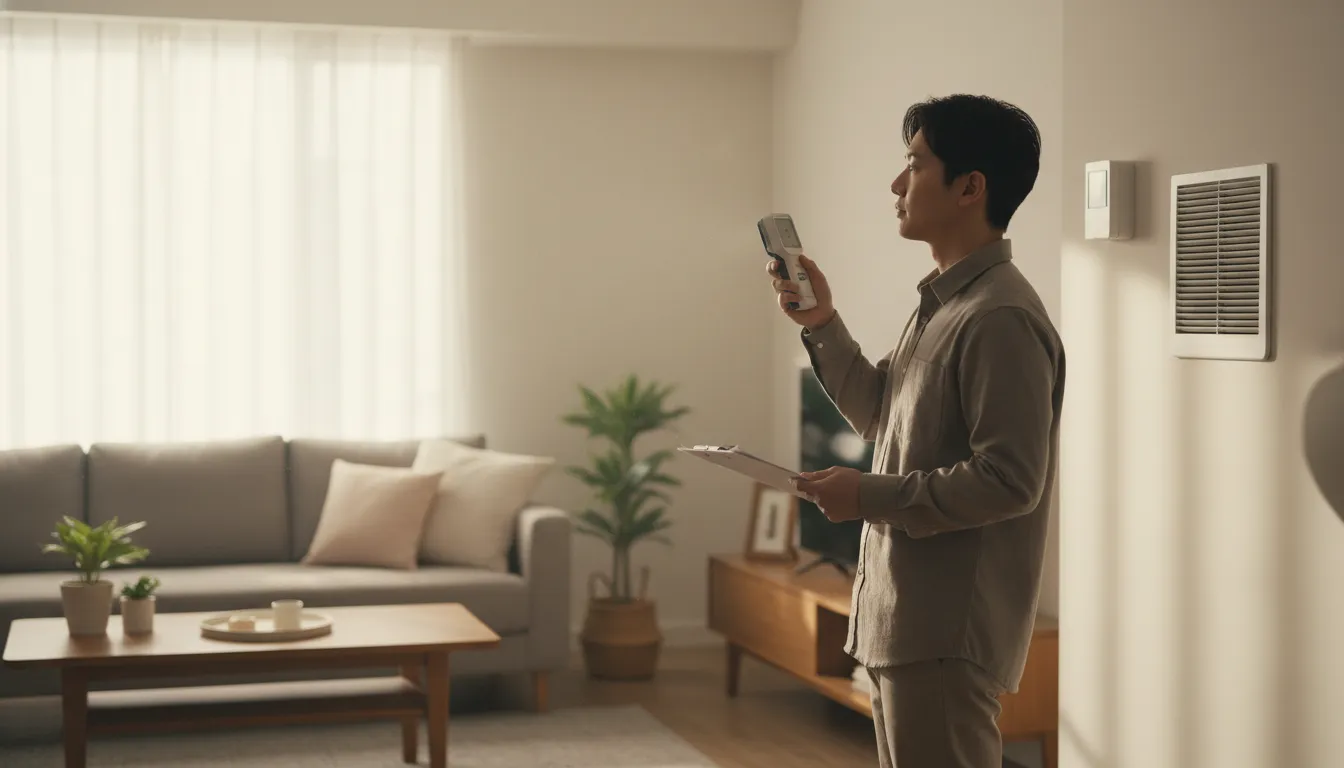
Find the Best Indoor Air Quality Service Providers for Your Business
No obligation • Fast responses • Nationwide coverage

Why you can trust HVAC Firms
HVAC Firms is a leading United States resource for evaluating HVAC service providers. Our team researches companies, checks credentials, and reviews customer feedback to present clear, unbiased information. Listings and rankings are based on merit, and companies cannot pay to change our editorial content.
Search providers near you
Best Indoor Air Quality Service Providers in Nebraska Ranked
The air you breathe inside your Nebraska home has a direct impact on your health, comfort, and energy bills. Indoor air quality (IAQ) refers to the condition of the air within and around buildings, particularly as it relates to the health and well-being of occupants. In Nebraska, managing IAQ is crucial due to common local concerns like radon, seasonal allergens, and humidity-driven mold. This resource provides clear, actionable information on Nebraska's air quality guidance, common pollutants, testing options, and improvement strategies to help you create a healthier living environment for your family.
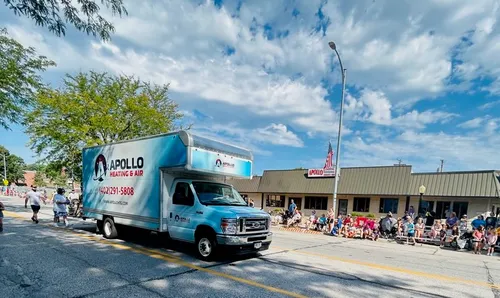
Apollo Heating & Air Conditioning
114 W Mission Ave, Bellevue, NE 68005
Apollo Heating & Air Conditioning is a family-owned HVAC company serving Omaha, NE, and the surrounding areas including southeast Nebraska and southwest Iowa. Established in 1971, they provide a wide range of heating and cooling services such as furnace, heat pump, and air conditioning installation, repair, and maintenance. The company is a Lennox Premier Dealer but works on all makes and models. They also offer specialized services including geothermal heat pump installation, ductless mini-split systems, custom sheet metal fabrication, and indoor air quality solutions. Apollo Heating & Air Conditioning supports both residential and commercial clients with comprehensive HVAC solutions.
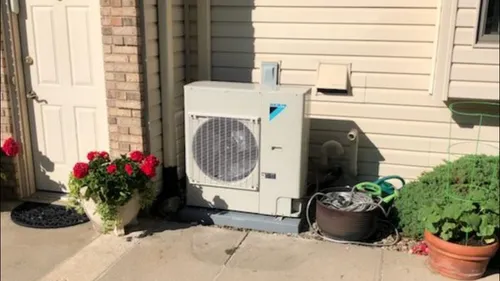
Air Care
15125 Irene St, Omaha, NE 68138
Air Care is a full-service HVAC company serving Omaha, NE, and Council Bluffs. They provide residential and commercial heating, ventilation, and air conditioning services including installation, maintenance, and repair of air conditioners, furnaces, and indoor air quality systems. Air Care is an authorized Daikin and AprilAire dealer with over 20 years of experience. They offer thorough HVAC tune-ups and air quality analysis to ensure safe and efficient system operation.
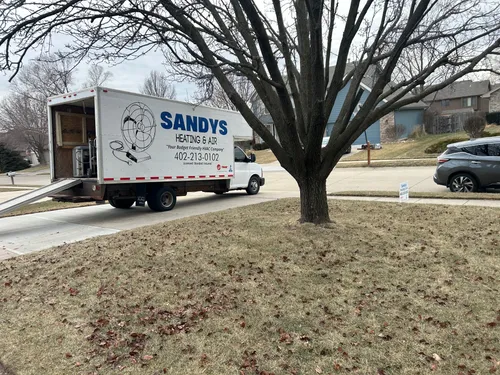
Sandys Heating and Air
720 N Frontier Dr, Papillion, NE 68046
Sandys Heating and Air is an HVAC company based in Omaha, NE, offering a wide range of heating and cooling services. They provide air conditioner and furnace installation, repair, and maintenance, as well as mini split system installation and upkeep. Their services also include indoor air quality solutions such as air purification and whole home humidifier installation. The company serves residential and commercial customers in Omaha and surrounding areas including Bellevue, Papillion, and La Vista. Sandys Heating and Air offers 24/7 emergency HVAC services, ensuring prompt assistance for urgent heating and cooling issues. Their technicians specialize in furnace and air conditioner repairs, ductless mini-splits, and commercial HVAC maintenance.
Donovan Brothers Heating and Cooling
Omaha, NE
Donovan Brothers Heating and Cooling is a locally owned HVAC company serving Omaha, NE. Established in 1922, they provide heating and cooling repair and installation services, including furnace and air conditioning systems as well as mini split installations. Their offerings also include indoor air quality solutions such as humidifiers and carbon monoxide detectors, helping customers maintain a healthy home environment.
BreezeTech Heating and Cooling
729 N Frontier Rd Ste 1, Papillion, NE 68046
BreezeTech Heating and Cooling provides HVAC repair, installation, and maintenance services in Omaha, NE. They handle air conditioning, furnace, and heat pump systems, ensuring comfortable indoor temperatures year-round. The company also offers indoor air quality solutions, including humidifiers, smart thermostats, UV lights, air purifiers, and filters to improve home air cleanliness. BreezeTech focuses on keeping HVAC systems running efficiently through tune-ups and repairs.
Understanding Nebraska's Approach to Indoor Air
Unlike some states with extensive regulations, Nebraska's primary framework for residential indoor air is guidance-based, focusing on education and best practices. The Nebraska Department of Health and Human Services (DHHS) is the leading source for this information, emphasizing that good IAQ is achieved through proactive management rather than reaction to problems.
The cornerstone of statewide regulation is the Nebraska Clean Indoor Air Act, which prohibits smoking in nearly all enclosed indoor public places and workplaces 1 2 3. This law significantly reduces exposure to secondhand smoke, a major indoor air pollutant. For your private residence, however, the state provides recommendations, not mandates, empowering homeowners to take control of their indoor environment.
The Four Pillars of Healthy Indoor Air
Nebraska DHHS outlines four key strategies for maintaining good air quality in your home. Think of these as the foundational pillars of a healthy indoor environment.
-
Source Control: The most effective way to improve air quality is to prevent pollutants from entering the air in the first place. This includes storing paints, solvents, and pesticides in sealed containers in well-ventilated areas, cleaning up spills and water leaks promptly to prevent mold, and adopting a no-smoking policy indoors.
-
Ventilation: Diluting stale, polluted indoor air with fresh outdoor air is essential. This involves both general ventilation (like opening windows when weather permits) and spot ventilation. Ensure that exhaust fans in your kitchen and bathrooms are vented directly to the outside and not just into an attic, and run them during and after cooking or showering.
-
Filtration: Your home's HVAC system is your first line of defense against airborne particles like dust, pollen, and pet dander. Using a furnace or air conditioner filter with an appropriate Minimum Efficiency Reporting Value (MERV) rating can trap these particles. Higher MERV ratings (like MERV 11-13) capture smaller particles but may require a system check to ensure they don't restrict airflow.
-
Humidity Control: Nebraska's climate can lead to both high summer humidity and dry winter air. Maintaining indoor relative humidity between 30% and 50% is recommended to inhibit mold growth, dust mites, and the survival of some viruses, while also protecting your home's structure 4 5. Dehumidifiers, air conditioners, and proper ventilation manage high humidity, while humidifiers can add moisture during dry winters.
Common Indoor Air Pollutants in Nebraska Homes
Being aware of the specific threats in your region is the first step toward mitigation. Here are the key pollutants of concern for Nebraska residents.
Radon
Radon is a colorless, odorless, radioactive gas that occurs naturally in soil and rock. It can seep into homes through cracks in foundations, floor drains, and sump pits. Nebraska is considered a radon-prone state. The Nebraska DHHS recommends long-term testing (for more than 90 days) for the most accurate assessment of your exposure. The U.S. Environmental Protection Agency (EPA) action level is 4.0 picocuries per liter (pCi/L). If your test results are at or above this level, professional radon mitigation is strongly advised.
Carbon Monoxide (CO)
Produced by the incomplete burning of fuels like natural gas, oil, wood, and propane, carbon monoxide is a deadly, undetectable gas. Common sources include furnaces, water heaters, fireplaces, and attached garages. Installing CO detectors on every level of your home, especially near sleeping areas, is a critical safety measure 6. Regular maintenance of fuel-burning appliances by a qualified technician is also essential for prevention.
Mold and Biological Pollutants
Mold spores, dust mites, pet dander, and pest debris thrive in moist environments. In Nebraska, humidity, flooding, and minor leaks can create ideal conditions for mold growth 7. Controlling moisture is the only way to control mold. This means fixing leaks immediately, ensuring proper drainage around your home's foundation, and using exhaust fans. The presence of a musty odor or visible mold growth often indicates a problem that needs to be addressed at its source.
Particulate Matter and Allergens
This category includes dust, pollen, insect parts, and other tiny particles suspended in the air. These can aggravate allergies and asthma. Regular cleaning with a HEPA-filter vacuum, damp-dusting surfaces, and using high-quality HVAC filters are effective control methods 8.
Volatile Organic Compounds (VOCs)
VOCs are gases emitted from a wide array of household products, including paints, varnishes, cleaning supplies, adhesives, and even new furniture and carpets 9 10. They can cause short-term irritation and may have long-term health effects. Increasing ventilation when using these products, choosing low-VOC alternatives, and allowing new materials to "off-gas" in a well-ventilated space before installation can reduce exposure.
Find the perfect indoor air quality service providers for your needs
Get personalized recommendations and expert advice
Testing Your Home's Air Quality
How do you know if you have an air quality issue? Testing provides answers. You have two main options: DIY test kits and professional assessment.
DIY Test Kits are available at hardware stores or online for pollutants like radon, mold, and VOCs. They are affordable and useful for initial screening. For example, a charcoal-based radon test kit can give you a preliminary reading. However, their accuracy can vary, and they often require you to send samples to a lab for analysis, with additional fees.
Professional IAQ Inspection is recommended for a comprehensive, accurate diagnosis, especially if occupants are experiencing unexplained health issues or you suspect a specific problem like hidden mold. A professional can use calibrated equipment to test for a wide range of pollutants, identify sources, and provide a detailed remediation plan 11.
What Does Professional Testing Cost in Nebraska?
Costs depend on your home's size, location, and the specific contaminants tested. Here's a general breakdown based on regional and national averages:
- Basic Professional IAQ Inspection: Typically ranges from $285 to $584. A comprehensive assessment testing for multiple pollutants can cost $1,000 or more.
- Specific Pollutant Testing (Professional):
- Radon: $150-$800.
- Mold: $300-$1,000 12.
- VOCs: $200-$400.
- Carbon Monoxide: $100-$200 (often part of a broader inspection).
- Improvement/Remediation Costs (Average):
Ventilation Standards and New Construction
While existing homes follow guidance, new construction and major renovations-especially those utilizing certain federal or state energy efficiency funding-may be subject to specific standards. A key benchmark is the ASHRAE 62.2 standard, which sets minimum requirements for whole-house and local exhaust ventilation rates in residential buildings 15 16.
This standard ensures that new, tightly built energy-efficient homes have a controlled, mechanical means of bringing in fresh outdoor air and exhausting stale air, preventing the buildup of indoor pollutants. If you are building a new home or undergoing a major weatherization project in Nebraska, discussing ASHRAE 62.2 compliance with your builder or contractor is advisable for long-term air quality and health 17.
Taking Action: Simple Steps for Nebraska Homeowners
You don't need to start with expensive tests or equipment. Begin with these practical steps:
- Test for Radon: Purchase a long-term radon test kit. It's an inexpensive investment for a potentially life-saving diagnosis.
- Check Your Filters: Locate your HVAC system's filter, note its size and MERV rating, and set a reminder to replace it every 1-3 months.
- Inspect Ventilation: Turn on your kitchen and bathroom fans. Do they move air strongly? Ensure their exterior vents are not blocked by debris.
- Control Moisture: Use a hygrometer (a small, inexpensive device) to monitor your home's humidity. Run a dehumidifier in damp basements in summer.
- Install Alarms: Ensure you have working CO detectors on every floor and smoke alarms in all required locations.
- Choose Products Wisely: Opt for low-VOC or fragrance-free cleaning and personal care products, and ventilate well when painting or using strong chemicals.
By understanding the principles and priorities for indoor air quality in Nebraska, you can make informed decisions to protect your home's environment. From simple daily habits to targeted professional interventions, every action contributes to cleaner, healthier air for you and your family.
Frequently asked questions
Sources
Footnotes
-
Clean Indoor Air Act FAQ - DHHS - Nebraska.gov - https://dhhs.ne.gov/Pages/Smoke-Free-FAQ.aspx ↩
-
Clean Indoor Air Act - Panhandle Public Health District - https://www.pphd.org/Pages/cia.htm ↩
-
Air Quality Solutions - MRB Mechanical - https://mrb-mechanical.com/services/air-quality-solutions/ ↩
-
Indoor Air Quality - DHHS - Nebraska.gov - https://dhhs.ne.gov/Pages/Indoor-Air-Quality.aspx ↩
-
Air Quality - City of Lincoln, NE - https://www.lincoln.ne.gov/City/Departments/Health-Department/Environmental/Air ↩
-
Air Quality - City of Lincoln, NE - https://www.lincoln.ne.gov/City/Departments/Health-Department/Environmental/Air ↩
-
Indoor Air Quality - DHHS - Nebraska.gov - https://dhhs.ne.gov/Pages/Indoor-Air-Quality.aspx ↩
-
Asthma and Indoor Air Quality : Historical Online Content - https://nebraskaasthmacoalition.org/online-content/asthma-and-indoor-air-quality.html ↩
-
Indoor Air Quality - DHHS - Nebraska.gov - https://dhhs.ne.gov/Pages/Indoor-Air-Quality.aspx ↩
-
Greater Omaha Indoor Air Quality Testing - https://npiweb.com/greateromaha/services/indoor-air-testing/ ↩
-
How Much Does an Indoor Air Quality Test Cost? - Ambient Edge - https://www.ambientedge.com/faqs/how-much-does-an-indoor-air-quality-test-cost/ ↩
-
How Much Does Indoor Air Quality Testing Cost? [2026 Data] - https://www.angi.com/articles/how-much-does-indoor-air-quality-testing-cost.htm ↩
-
How Much Is an IAQ Test for a Home? - Scott-Lee Heating - https://scottleeheating.com/how-much-is-an-iaq-test-for-a-home/ ↩
-
How Much Does Indoor Air Quality Testing Cost? [2025 Data] - https://www.homeadvisor.com/cost/environmental-safety/test-indoor-air-quality/ ↩
-
Nebraska's New Residential Energy Code Requirements and ... - https://www.mwalliance.org/sites/default/files/Residential%20Air%20Sealing%20Principles%20and%20Ventilation%20Strategies%20-%20Final.pdf ↩
-
FACTSheet ASHRAE 62.2 - https://dee.nebraska.gov/sites/default/files/publications/ashrae.pdf ↩
-
How much ventilation do I need in my home to improve indoor ... - https://www.epa.gov/indoor-air-quality-iaq/how-much-ventilation-do-i-need-my-home-improve-indoor-air-quality ↩