Find the Best Indoor Air Quality Service Providers for Your Business
No obligation • Fast responses • Nationwide coverage

Why you can trust HVAC Firms
HVAC Firms is a leading United States resource for evaluating HVAC service providers. Our team researches companies, checks credentials, and reviews customer feedback to present clear, unbiased information. Listings and rankings are based on merit, and companies cannot pay to change our editorial content.
Search providers near you
Top Indoor Air Quality Service Providers in Gastonia, North Carolina Ranked
The air you breathe inside your Gastonia home or office has a direct impact on your health, comfort, and productivity. Indoor air quality, or IAQ, refers to the condition of the air within and around buildings, particularly as it relates to the health and well-being of occupants. In Gastonia, this is especially important due to our region's unique climate and environmental factors, which can introduce specific pollutants like mold, radon, and allergens into indoor spaces. This guide will help you understand the common local air quality concerns, the testing and improvement options available, and how to connect with professionals who can assess and enhance your indoor environment.
Pristine Air Duct Cleaning
Charlotte, NC
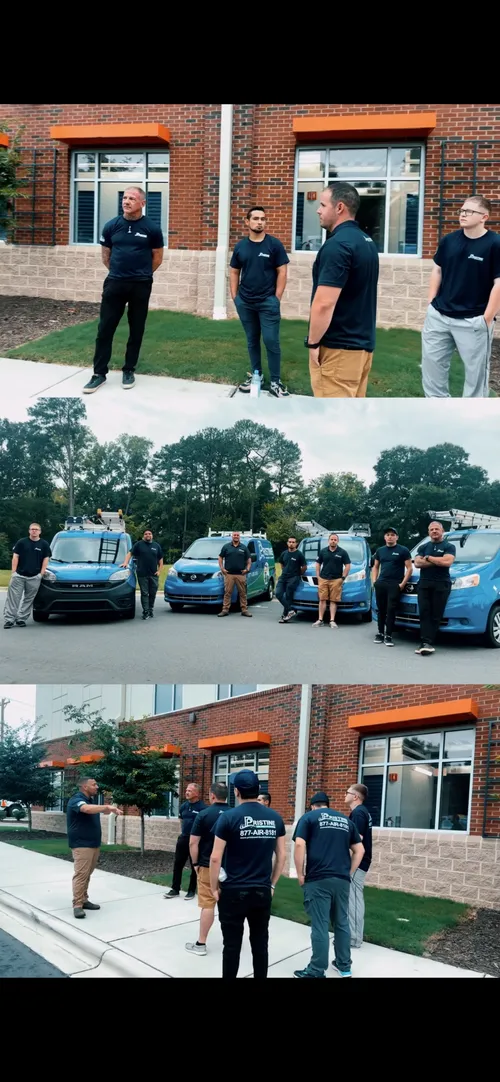
Pristine Air Duct Cleaning is a duct cleaning and indoor air quality service provider based in Charlotte, NC. They use hospital-grade equipment and NADCA-certified protocols to clean and restore air quality in homes and commercial spaces. Their services include deep cleaning of HVAC supply and return lines, dryer vent cleaning to reduce fire hazards, and duct repair to prevent energy loss and improve system efficiency. The company emphasizes transparent quotes and has served thousands of customers in the Charlotte area.
Panther Heating and Cooling
722 Corporate Blvd Suite 105, Rock Hill, SC 29730
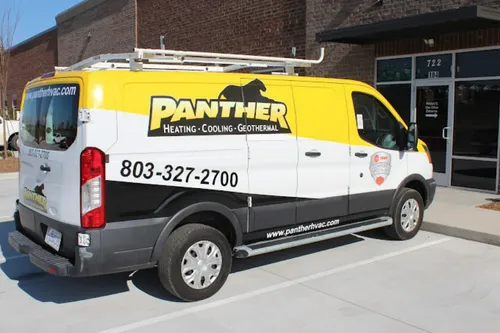
Panther Heating and Cooling is an HVAC company based in Charlotte, NC, offering a full range of heating and cooling services including installation, repair, and maintenance of furnaces, air conditioners, heat pumps, and mini-split systems. They also provide indoor air quality solutions and smart thermostat installations. The company serves Charlotte and surrounding areas such as Rock Hill, Tega Cay, Fort Mill, Indian Land, York, Clover, Matthews, and Waxhaw. Panther Heating and Cooling emphasizes skilled, certified technicians and offers 24/7 emergency HVAC services to address urgent needs promptly.
Andrews Heating & Cooling
920 Albright Rd, Rock Hill, SC 29730
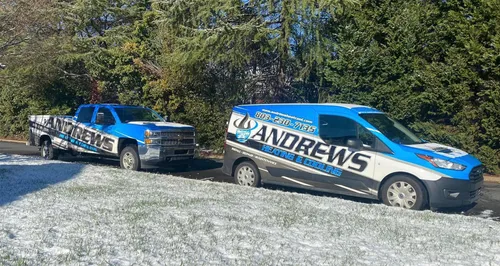
Andrews Heating & Cooling is an HVAC company serving Charlotte, NC, and nearby areas. They provide a range of services including air conditioning repair, furnace installation and repair, HVAC tune-ups, duct cleaning, and indoor air quality improvements. The company is equipped to handle emergency heating and air conditioning repairs with 24/7 availability. Founded by Mike Andrews and now led alongside his son Jackson, the business operates with a focus on honesty and dedication, serving customers since its establishment with Christian values guiding their work.
Dryer Vent and Duct Ventz by DryerVentz | DuctVentz
1300 Burtonwood Cir, Charlotte, NC 28212
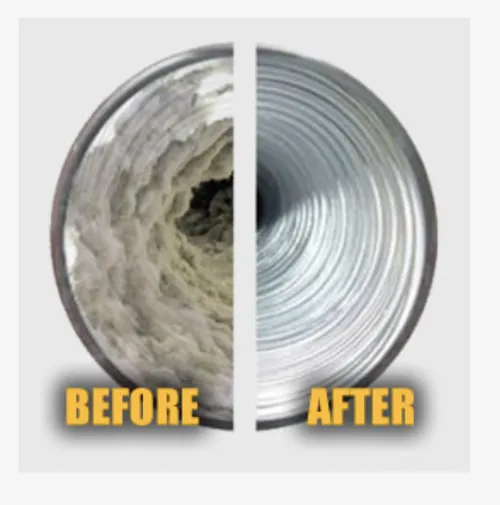
Dryer Vent and Duct Ventz by DryerVentz | DuctVentz provides duct cleaning and indoor air quality services in Charlotte, NC. The company specializes in dryer vent cleaning and air duct cleaning to improve indoor air quality and reduce risks such as house fires and carbon monoxide leaks. They follow manufacturer and US Fire Administration maintenance recommendations and use certified original parts. Owner Ben Davey manages every job and offers same-day service.
All City Heat and Air
6128 Brookshire Blvd Suite L, Charlotte, NC 28216
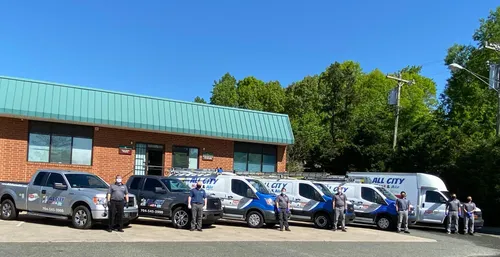
All City Heat and Air provides heating and cooling services in Charlotte, NC. They offer installation, repair, and maintenance for air conditioners, furnaces, and HVAC systems. Their NATE-certified technicians assist with system sizing, seasonal tune-ups, and rapid repairs. The company also specializes in indoor air quality solutions, including ductwork repair, zone control systems, and air filtration and purification. With 50 years of experience, All City Heat and Air is a Bryant Factory Authorized Dealer.
Why Indoor Air Quality Matters in Gastonia
Living in the Charlotte metropolitan area and the Piedmont region of North Carolina presents distinct challenges for maintaining clean indoor air. The combination of high humidity, seasonal pollen, and urban pollutants means that the air inside your Gastonia property isn't just recirculated outdoor air-it's a complex mix influenced by your home's construction, ventilation, and daily activities. Poor IAQ can trigger allergies and asthma, cause headaches and fatigue, and even contribute to long-term health issues. For families, seniors, and business owners in Gaston County, proactively managing the indoor atmosphere is a key component of a healthy lifestyle and a comfortable, efficient building.
Common Indoor Air Pollutants in Gastonia Homes
Understanding the specific threats is the first step toward cleaner air. Here are the most prevalent indoor air contaminants faced by Gastonia residents.
High Humidity and Mold Growth
North Carolina's climate is a primary driver of indoor air issues. High humidity levels, particularly during the long, warm seasons, create a perfect breeding ground for mold and mildew. These biological contaminants can grow on walls, in carpets, and within HVAC systems, releasing spores that degrade air quality and can cause respiratory problems and allergic reactions. Controlling moisture is not just about comfort; it's a critical defense against mold.
Radon Gas: A Silent Local Threat
Radon is a naturally occurring, radioactive gas that can seep into homes from the ground. It is the second leading cause of lung cancer. The risk in North Carolina is significant, with 77 of the state's 100 counties having radon levels above the EPA's recommended action level. Because it is odorless and invisible, specialized testing is the only way to know if your Gastonia home has elevated, dangerous levels of this gas.
Volatile Organic Compounds (VOCs)
Modern, energy-efficient homes are built to be tightly sealed, which is great for utility bills but can trap pollutants inside. VOCs are gases emitted from a wide array of common household products, including paints, varnishes, cleaning supplies, adhesives, and even new furniture and building materials. These compounds can cause short-term irritation and may have long-term health effects, making proper ventilation and source control essential.
Particulate Matter and Allergens
Dust, pet dander, pollen, and microscopic particles from both indoor and outdoor sources are pervasive. Gastonia's location means pollen from grasses, trees, and weeds can be intense, while areas near major traffic corridors like I-85 may also deal with fine particulate matter from vehicle emissions 1 2. These particles can easily be inhaled, aggravating allergies and asthma.
Combustion Gases
Homes with gas stoves, furnaces, water heaters, or fireplaces risk exposure to carbon monoxide (CO) and nitrogen dioxide (NO₂) if these appliances are not properly vented or maintained 3. Carbon monoxide is a deadly, odorless gas, making functional CO detectors on every floor a non-negotiable safety requirement.
How to Test Your Gastonia Home's Air Quality
You can't manage what you don't measure. Several effective approaches range from DIY monitoring to comprehensive professional analysis.
Professional IAQ Assessments
For a definitive analysis, hiring a local professional is the best course of action. Companies in the Gastonia area, such as CDA Environmental, Roland Black Heating & Cooling, and AdvantaClean, offer specialized testing services for mold, radon, VOCs, and particulate levels 4 5. A professional assessment typically involves:
- Visual Inspection: Checking for moisture sources, mold growth, and ventilation issues.
- Instrument Testing: Using advanced tools to measure levels of specific pollutants like radon, formaldehyde, or carbon monoxide.
- Sample Collection: Taking air or surface samples (e.g., for mold spores) to be analyzed in a laboratory. The cost for a basic professional inspection in Gastonia generally starts around $300, with comprehensive testing ranging from $700 to $1,200 or more 6.
Continuous Air Quality Monitoring
Technology now allows for ongoing tracking of your environment. Smart air quality monitors, like the Airthings View Plus (available for approximately $300-$330), can provide continuous, app-based data on key metrics such as radon, CO₂, humidity, temperature, and VOCs 7 8. This is an excellent tool for identifying patterns, like humidity spikes in a basement, that a one-time test might miss.
HVAC System Inspection
Your heating and cooling system is the lungs of your home. A poorly maintained HVAC system can be a major distributor of dust, allergens, and mold spores. Having a qualified technician from a Gastonia-based company inspect and clean your ductwork, check for microbial growth in the evaporator coil, and ensure proper airflow is a foundational step in improving overall indoor environmental quality 9 10.
Find the perfect indoor air quality service providers for your needs
Get personalized recommendations and expert advice
Solutions and Improvements for Cleaner Air
Once you've identified the issues, a range of solutions can dramatically improve your indoor atmosphere. Investment in these improvements not only benefits health but can also enhance the efficiency and value of your property.
Source Control and Moisture Management
The most effective strategy is to prevent pollutants from entering the air in the first place.
- Control Humidity: Use dehumidifiers, especially in basements and crawl spaces, to maintain relative humidity between 30% and 50%. This single step can drastically inhibit mold growth and dust mites 11 12.
- Increase Ventilation: Use exhaust fans in bathrooms and kitchens to remove moisture and pollutants at the source. For whole-home solutions, consider installing an Energy Recovery Ventilator (ERV) or Heat Recovery Ventilator (HRV), which brings in fresh outdoor air without sacrificing energy efficiency.
- Choose Low-VOC Products: Opt for paints, cleaners, and building materials labeled as low-VOC when renovating or furnishing your home.
Advanced Air Cleaning and Filtration
When source control isn't enough, cleaning the air is the next line of defense.
- Upgrade HVAC Filters: Replace standard fiberglass filters with high-efficiency pleated filters rated MERV 11 or higher. These can capture a much higher percentage of dust, pollen, and other particles 13. Remember to check and change them regularly.
- Install Whole-Home Air Purifiers: These systems, integrated directly into your HVAC ductwork, use technologies like high-efficiency particulate air (HEPA) filtration, ultraviolet (UV-C) light to kill microbial growth, or needlepoint bipolar ionization (NPBI) to neutralize particles and pathogens 14. Installation costs typically range from $500 to $2,500, depending on the technology and home size 15.
- Radon Mitigation Systems: If testing reveals high radon levels, a mitigation system is essential. These systems use a vent pipe and fan to draw radon gas from beneath the home and exhaust it safely above the roofline. Professional installation in Gastonia generally costs between $700 and $1,200+ 16 17.
Routine Maintenance
Clean air requires consistent upkeep.
- Schedule Regular HVAC Maintenance: Have your system serviced at least twice a year to ensure it operates cleanly and efficiently.
- Clean Ductwork: Consider professional air duct cleaning if there is visible mold growth, significant vermin infestation, or excessive dust and debris being released from supply vents.
- Use Portable Solutions: In rooms where central systems fall short, such as a home office or bedroom, a portable HEPA air purifier can provide targeted relief from allergens and particles.
Frequently asked questions
Sources
Footnotes
-
How Common Are Indoor Air Contaminants in North Carolina ... - https://www.getmapleair.com/blog-post/how-common-are-indoor-air-contaminants-in-north-carolina-homes ↩
-
Environmental Quality - City of Gastonia - https://www.gastonianc.gov/images/files/planning/documents/2025/10-EnvironmentalQuality.pdf ↩
-
Identifying Signs of Poor Home Air Quality and How to Improve It - https://www.lunsprocarolina.com/blog/identifying-signs-of-poor-home-air-quality-and-how-to-improve-it ↩
-
Gastonia Air Quality Solutions | Roland Black Heating & Cooling - https://www.rolandblack.com/hvac-services/air-quality/ ↩
-
Indoor Air Quality Test Charlotte, Concord & Gaston Co., NC - https://www.cdaenvironmental.com/indoor-air-quality-testing ↩
-
How Much Does An Indoor Air Quality Test Cost? - https://www.cleanairsciences.com/indoor-air-quality-cost/ ↩
-
How to test indoor air quality in your home - Airthings - https://www.airthings.com/resources/how-to-test-air-quality-in-your-home ↩
-
Airthings View Plus Air Quality Monitor - https://www.google.com/search?q=product&prds=pvt:hg,productid:6072329373947128373,catalogid:7712427545849036561,gpcid:4854218481369443652,mid:576462731890981916&ibp=oshop ↩
-
Indoor Air Quality Solutions | Charlotte NC & Gastonia NC - https://www.gsmsince1927.com/homeairquality ↩
-
Indoor Environmental Quality in Residences - NC Epidemiology - https://epi.dph.ncdhhs.gov/oee/iaq/homes.html ↩
-
How to Improve Indoor Air Quality - Strada Services - https://stradaservices.com/about-us/blog/how-to-improve-indoor-air-quality/ ↩
-
Enhanced Indoor Air Quality Strategies ref guide BDC - USGBC - https://www.usgbc.org/node/2755634 ↩
-
Indoor Air Quality (IAQ) in Summer: Why It Matters for Your Health, Comfort, and Productivity - https://www.alwaysreadyrepair.com/post/indoor-air-quality-iaq-in-summer-why-it-matters-for-your-health-comfort-and-productivity ↩
-
Needlepoint Bipolar Ionization (NPBI™) Turns Senior Living HVAC Systems into Powerful Tools for Pathogen Reduction - https://cdn.ymaws.com/www.leadingagetexas.org/resource/resmgr/ann/direct_supply_safety_-_npbi_.pdf ↩
-
Indoor Air Quality Services Financing Options with Bass Air - https://bass-air.com/financing/indoor-air-quality-services-financing-options-with-bass-air/ ↩
-
How Much Does Professional Home Indoor Air Quality Testing Cost? - https://www.airpf.com/how-much-does-a-home-indoor-air-quality-testing-cost/ ↩
-
Indoor Air Quality Services Financing Options with Robertson Electric in Charlottesville - https://robertsonelectric.com/financing/indoor-air-quality-services-financing-options-with-robertson-electric-in-charlottesville/ ↩