Find the Best Indoor Air Quality Service Providers for Your Business
No obligation • Fast responses • Nationwide coverage

Why you can trust HVAC Firms
HVAC Firms is a leading United States resource for evaluating HVAC service providers. Our team researches companies, checks credentials, and reviews customer feedback to present clear, unbiased information. Listings and rankings are based on merit, and companies cannot pay to change our editorial content.
Search providers near you
Top Indoor Air Quality Service Providers in Durham, North Carolina Ranked
The air inside your Durham home or business is a critical component of your health and comfort. Indoor air quality (IAQ) refers to the condition of the air within and around buildings, especially as it relates to the health and well-being of occupants. In Durham, this is a significant consideration due to our region's warm, humid climate, the prevalence of older homes, and modern, tightly sealed construction that can trap pollutants. Common local concerns range from mold and radon to allergens and traffic pollution. Understanding and managing your indoor environment is essential for reducing allergy symptoms, preventing long-term health issues, and creating a more comfortable living space. This guide will help you identify common pollutants, explore professional testing and improvement options available locally, and provide actionable steps you can take to breathe easier.
Air Works Heating & Air
5100 Unicon Dr #107, Wake Forest, NC 27587
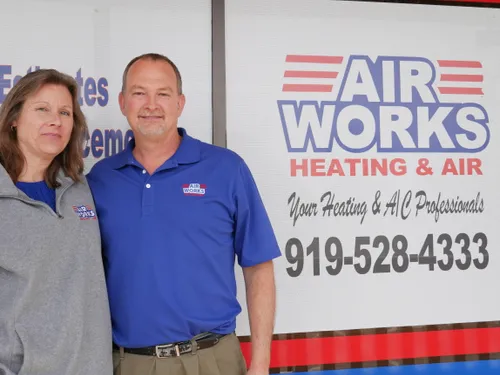
Air Works Heating & Air is a family-owned HVAC and plumbing company serving Raleigh, NC, and the surrounding Wake County area. Since 2007, they have provided furnace and air conditioning repairs, installations, indoor air quality services, and duct cleaning. Their certified technicians work with top brands like American Standard and Mitsubishi Electric, offering services such as furnace replacements, AC tune-ups, and ductless mini split installations. The company emphasizes straightforward pricing and backs their work with a one-year parts and labor warranty.
VentPrevent Air Duct & Dryer Vent Cleaning
119 SW Maynard Rd Suite 120, Cary, NC 27511
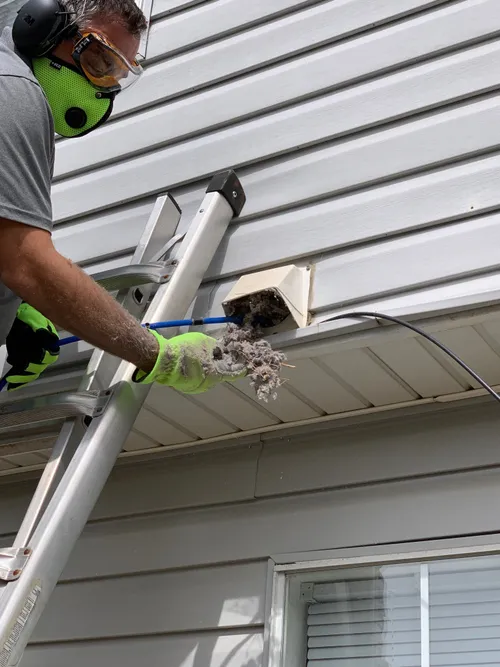
VentPrevent Air Duct & Dryer Vent Cleaning is a veteran-owned company based in Raleigh, NC, specializing in dryer vent and air duct cleaning services. They serve Cary, Apex, Raleigh, and the greater Triangle area, focusing on improving indoor air quality and preventing dryer fires. Their trained staff uses industry-leading equipment, including HEPA-filtered vacuum systems and commercial-grade dryer part replacements, to clean and repair vents and ducts. The company also offers bird nest removal and prevention services to protect dryer ducts from wildlife intrusion. VentPrevent provides both residential and commercial services and emphasizes safety and efficiency in their work.
Smart Home Comfort
Raleigh, NC
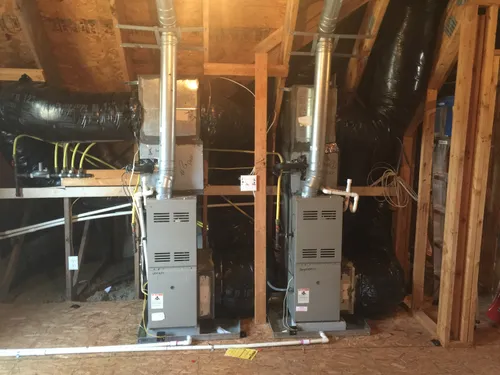
Smart Home Comfort is an HVAC company serving Raleigh, NC, specializing in heating and cooling installation, repair, and maintenance. They offer services including air conditioning and furnace repair, heat pump installation, duct cleaning, and indoor air quality improvements. The company provides AeroSeal duct sealing to improve airflow and energy efficiency. Smart Home Comfort operates with a focus on personalized service and is available 24/7 for emergency HVAC needs.
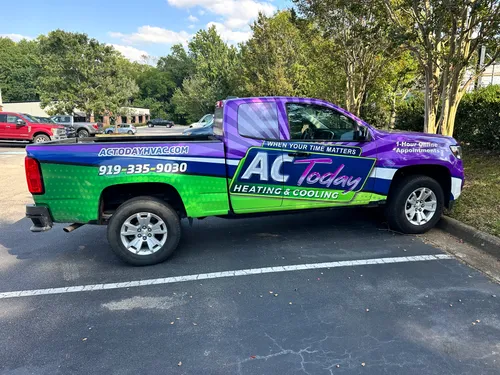
AC Today Heating & Air Conditioning Cary
1750 NW Maynard Rd Suite 105, Cary, NC 27513
AC Today Heating & Air Conditioning Cary provides a range of HVAC services in Raleigh, NC. They handle installation, maintenance, diagnostics, repairs, system replacements, and indoor air quality solutions. Their expertise includes air conditioning, furnace, and heat pump services, as well as tune-ups to keep systems running efficiently.
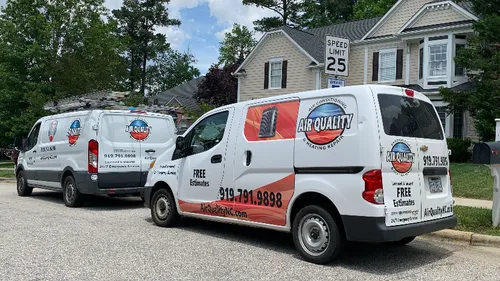
Air Quality Air Conditioning And Heating Repair
7203 Holly Springs Rd, Raleigh, NC 27606
Air Quality Air Conditioning And Heating Repair is a family-owned HVAC company serving Raleigh, NC. Since 2003, they have provided residential heating and cooling services including installation, repair, tune-ups, and indoor air quality solutions. The company offers 24/7 emergency service and specializes in fast installations, often completing new system setups within a day. Their work includes warranties covering labor and equipment, reflecting their commitment to lasting quality. Over two decades, they have grown from a one-person operation to a skilled seven-person team focused on integrity and transparency.
Why Indoor Air Quality Matters in Durham
We spend up to 90% of our time indoors, where pollutant levels can be two to five times higher than outdoor levels. For Durham residents, several unique environmental factors make indoor air a primary health focus. The humid subtropical climate creates a perfect breeding ground for mold and mildew, particularly in attics, crawl spaces, and basements 1. Furthermore, North Carolina's geology means radon gas-a colorless, odorless radioactive gas-is a significant concern, with 77 of the state's 100 counties, including those in the Piedmont region, having a high potential for levels above the EPA's action level 2. Combined with allergens from our lush greenery and potential pollution from major roadways like I-885 and the Durham Freeway, taking a proactive approach to your home's air is not just about comfort-it's a vital part of maintaining your household's health 3 4.
Common Indoor Air Pollutants in Durham Homes
Identifying the sources of poor air is the first step toward improvement. Here are the most prevalent contaminants found in Durham-area residences and commercial buildings:
- Mold and Moisture: This is arguably the top IAQ issue in Durham. Persistent humidity, combined with potential water intrusion from heavy rains or plumbing leaks, leads to mold growth. Mold releases spores and mycotoxins into the air, which can trigger allergic reactions, asthma attacks, and other respiratory problems.
- Radon Gas: Seeping from the ground into homes through cracks in foundations, radon is the second leading cause of lung cancer in the United States. Testing is the only way to know if your home has elevated levels, and it's recommended every two years for North Carolina homes.
- Volatile Organic Compounds (VOCs): These are gases emitted from a wide array of household products, including paints, varnishes, cleaning supplies, adhesives, and even new furniture and building materials. In tightly sealed, energy-efficient homes, these chemicals can accumulate to levels that cause headaches, nausea, and irritation of the eyes, nose, and throat.
- Combustion Gases: Appliances like gas stoves, furnaces, water heaters, and wood-burning fireplaces can produce carbon monoxide (CO) and nitrogen dioxide (NO₂) if not properly vented. CO is a deadly, odorless gas, while NO₂ can irritate the airways and exacerbate respiratory conditions.
- Allergens and Particulates: Pollen from North Carolina's abundant trees and grasses, pet dander, dust mites, and insect debris are common airborne particles. These allergens often circulate through a home's HVAC system and can settle in ductwork, continuously re-entering your living spaces.
- Traffic-Related Pollution: For homes and businesses near major thoroughfares, pollutants from vehicle exhaust-including fine particulate matter (PM2.5)-can infiltrate indoors. Studies have shown this impact is often greater in marginalized communities.
Professional Indoor Air Quality Testing and Inspection
If you suspect an issue or simply want peace of mind, professional testing provides a definitive assessment. Local specialists in Durham offer comprehensive evaluations to pinpoint problems.
What a Professional Inspection Involves: A certified expert will conduct a thorough walk-through of your property, looking for visible signs of water damage, mold growth, and ventilation issues. They will assess your HVAC system, including ductwork and air handlers, for cleanliness and efficiency. The inspection is typically followed by specific tests based on your concerns:
- Air Spore Traps: These devices sample the air to quantify and identify the types of mold spores present, helping to determine if indoor levels are abnormally high compared to the outdoors 5.
- ERMI/HERTSMI-2 Testing: These are more specialized, DNA-based tests that analyze dust samples to identify specific mold species and provide a toxicity index score for the home. This is often used when investigating potential mold-related health issues 6.
- Radon Testing: Professionals use specialized detectors placed in the lowest lived-in level of the home (e.g., a basement or first floor) for a period of 48 hours to several months to get an accurate average radon level.
- VOC Testing: Using advanced sensors or lab-based air sampling, technicians can measure the concentration of various chemical contaminants in your indoor air.
- HVAC System Inspection: A critical component often overlooked, this involves checking for leaks in ducts, assessing filter efficiency, and ensuring the system is properly sized and balanced for adequate airflow and humidity control 7.
Find the perfect indoor air quality service providers for your needs
Get personalized recommendations and expert advice
Solutions and Improvements for Durham Homes
Once testing identifies the issues, a range of solutions are available from Durham-area professionals. The right approach depends on the specific pollutants and the severity of the problem.
1. Source Control and Remediation: The most effective strategy is to remove the source of the pollution.
- Mold Mitigation: Professional mold remediation is critical for resolving high mold concentrations. This process involves containment, removal of contaminated materials, deep cleaning, and addressing the underlying moisture source to prevent recurrence. This service can be a significant investment but is essential for health and property integrity 8.
- Radon Mitigation: If high radon levels are detected, a mitigation system is installed. This typically involves a vent pipe and fan that pulls radon from beneath the house and vents it safely above the roofline, preventing its entry into living spaces.
- HVAC and Air Duct Cleaning: Having your ductwork professionally cleaned can remove significant accumulations of dust, allergens, and even mold. This service, often bundled with inspections, ranges from reasonable to higher costs depending on the system's size and contamination level 9.
2. Air Cleaning and Filtration: When source control isn't fully possible, cleaning the air is the next line of defense.
- Advanced HVAC Filtration: Upgrading the filter in your central HVAC system to a high-efficiency particulate air (HEPA) filter or a high Minimum Efficiency Reporting Value (MERV) rated filter can capture a greater percentage of airborne particles.
- Stand-Alone Air Purifiers: Portable units with HEPA and activated carbon filters are effective for single rooms. For whole-home solutions, professionals can install in-duct air purification systems, such as those using Pür Plasma or UV-C light technology, designed to neutralize mold spores, VOCs, bacteria, and viruses 10 11.
3. Ventilation and Humidity Control: Improving how air moves and managing moisture are foundational to good IAQ.
- Mechanical Ventilation: Ensuring bathroom and kitchen exhaust fans are functional and vented to the outside is crucial. For tightly sealed homes, an Energy Recovery Ventilator (ERV) or Heat Recovery Ventilator (HRV) can introduce fresh, filtered outdoor air while conserving energy.
- Humidity Management: Keeping indoor relative humidity between 30% and 50% inhibits mold growth and dust mites. This can be achieved through properly sized and functioning air conditioners, and the use of standalone or whole-house dehumidifiers, especially in damp basements and crawl spaces 12 13.
DIY Maintenance and Prevention Tips
While professional services are key for major issues, consistent homeowner maintenance is the best prevention.
- Seal and Ventilate: Regularly check for and repair leaks in roofs, windows, and foundations. Run exhaust fans during and after showers and cooking, and periodically open windows when outdoor air quality is good to flush out indoor pollutants 14.
- HVAC Upkeep: Change your HVAC system's air filter every 1-3 months. Have your heating and cooling system inspected and serviced by a professional twice a year to ensure it operates efficiently and doesn't become a source of contamination.
- Control Humidity: Use dehumidifiers in chronically damp areas. Ensure your air conditioner condensate drain line is clear.
- Choose Low-VOC Products: Opt for paints, cleaners, adhesives, and building materials labeled as low-VOC or zero-VOC to reduce chemical off-gassing in your home.
- Install Carbon Monoxide Detectors: Place CO detectors on every level of your home, especially near sleeping areas. Basic units are an affordable and critical safety measure, typically costing between $20 and $50 15.
Frequently asked questions
Sources
Disclaimer: The information provided is based on search results and for informational purposes only. It is recommended to contact local licensed professionals for specific advice and testing.
Footnotes
-
SafeAir Certified Mold Inspection Inc. Brings Awareness to ... - https://www.heraldmailmedia.com/press-release/story/34497/safeair-certified-mold-inspection-inc-brings-awareness-to-hidden-link-between-mold-toxicity-and-joint-pain-in-durham-homes/ ↩
-
Indoor Environmental Quality in Residences - NC Epidemiology - https://epi.dph.ncdhhs.gov/oee/iaq/homes.html ↩
-
Traffic pollution overly impacts marginalized communities ... - https://www.wunc.org/environment/2023-07-31/traffic-pollution-impact-marginalized-communities-durham ↩
-
Identifying Signs of Poor Home Air Quality and How to Improve It - https://www.lunsprocarolina.com/blog/identifying-signs-of-poor-home-air-quality-and-how-to-improve-it ↩
-
Indoor Air Quality Testing | Green Home Solutions of Durham - https://www.greenhomesolutions.com/durham-nc/our-services/air-quality-testing/ ↩
-
Mold Inspection and Testing in durham, NC - Certified Indoor Air - https://www.certifiedindoorairinc.com/durham-nc ↩
-
Main stages of indoor air quality services testing, remediation & maintenance? - Thermacon Service Company, Inc. - https://thermaconservice.com/indoor-air-quality-testing-remediation-maintenance/ ↩
-
Indoor Environmental Systems Inc - https://www.google.com/viewer/place?mid=/g/1tf7s_p4 ↩
-
Durham Chimney Sweep & Air Duct Cleaning Service - https://www.google.com/viewer/place?mid=/g/11lnnr7hp_ ↩
-
NC Fresh Air Solutions - https://www.google.com/viewer/place?mid=/g/11lw3s373g ↩
-
Durham Heating & Air Conditioning - https://www.google.com/viewer/place?mid=/g/11f32gx_cv ↩
-
How Common Are Indoor Air Contaminants in North Carolina ... - https://www.getmapleair.com/blog-post/how-common-are-indoor-air-contaminants-in-north-carolina-homes ↩
-
Indoor Environmental Quality in Residences - NC Epidemiology - https://epi.dph.ncdhhs.gov/oee/iaq/homes.html ↩
-
How to Improve Indoor Air Quality | Simple Home & Workplace Tips - https://www.iaqanswers.com/how-to-improve-indoor-air-quality ↩
-
Identify Mold in Your Air Ducts with a DIY Mold Testing Kit - https://www.instagram.com/reel/DLD8UyxNRPM/ ↩