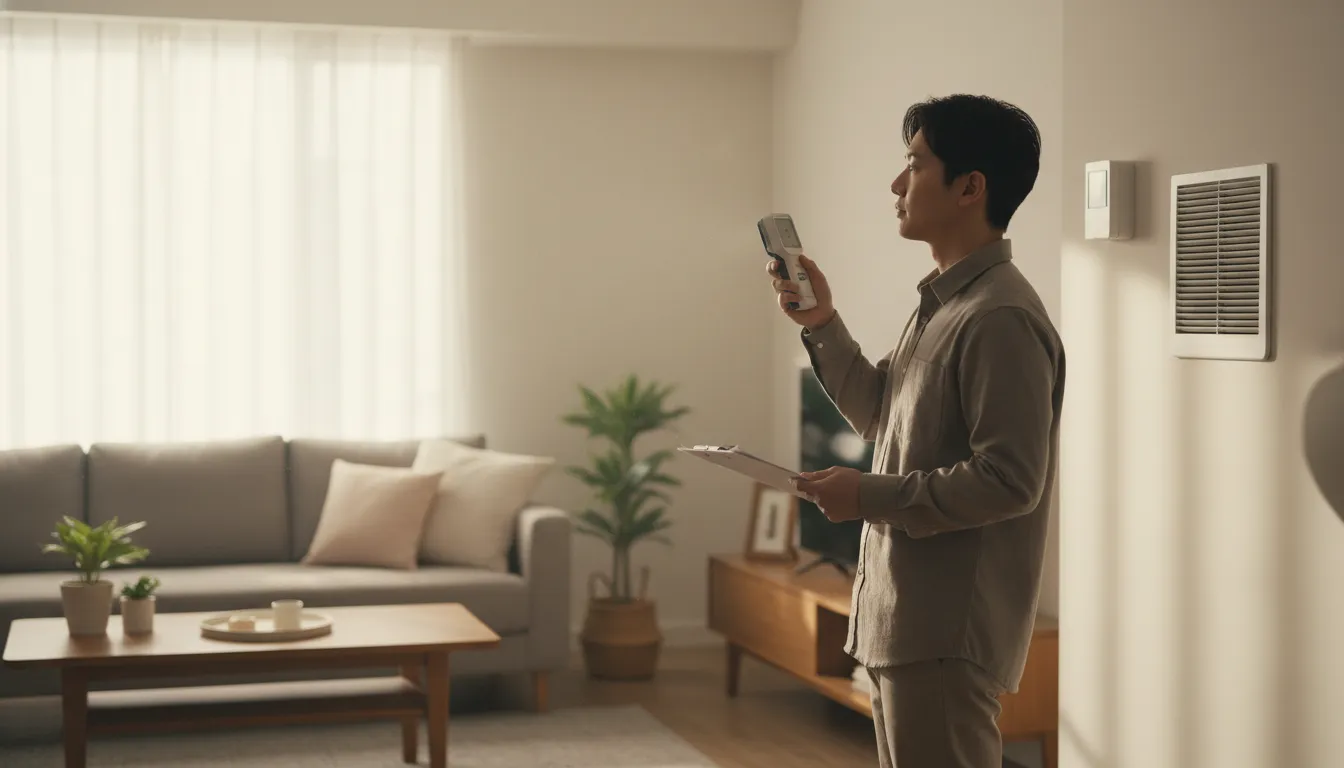
Find the Best Indoor Air Quality Service Providers for Your Business
No obligation • Fast responses • Nationwide coverage

Why you can trust HVAC Firms
HVAC Firms is a leading United States resource for evaluating HVAC service providers. Our team researches companies, checks credentials, and reviews customer feedback to present clear, unbiased information. Listings and rankings are based on merit, and companies cannot pay to change our editorial content.
Search providers near you
Top Indoor Air Quality Service Providers in Charlotte, North Carolina Ranked
The air you breathe inside your home or office in Charlotte has a direct impact on your health, comfort, and productivity. Indoor Air Quality (IAQ) refers to the condition of the air within and around buildings, particularly as it relates to the health and well-being of occupants. In Charlotte, this is a critical concern due to the region's unique climate and rapid growth, which can trap pollutants like mold, radon, and allergens indoors. This guide explains the local factors affecting your air, outlines common problems and solutions, and helps you connect with qualified professionals who can assess and improve your indoor environment.
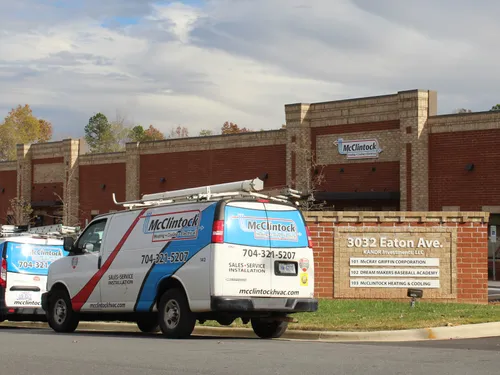
McClintock Heating and Cooling
3032 Eaton Avenue Suite 103, Indian Trail, NC 28079
McClintock Heating and Cooling is a locally owned and fully licensed HVAC company serving Charlotte, NC, and surrounding areas. They offer a range of heating and cooling services including repair and installation of air conditioners, furnaces, heat pumps, and indoor air quality solutions. The company also provides plumbing and electrical services, expanding their support for home and commercial comfort needs. With over 24 years of experience, McClintock Heating and Cooling focuses on tailored solutions that improve energy efficiency and system performance.

Pristine Air Duct Cleaning
Charlotte, NC
Pristine Air Duct Cleaning is a duct cleaning and indoor air quality service provider based in Charlotte, NC. They use hospital-grade equipment and NADCA-certified protocols to clean and restore air quality in homes and commercial spaces. Their services include deep cleaning of HVAC supply and return lines, dryer vent cleaning to reduce fire hazards, and duct repair to prevent energy loss and improve system efficiency. The company emphasizes transparent quotes and has served thousands of customers in the Charlotte area.
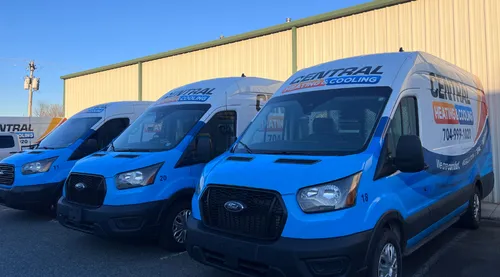
Central Heating & Cooling
4824 Unionville - Indian Trail Rd W unit b, Indian Trail, NC 28079
Central Heating & Cooling is an HVAC company based in Charlotte, NC, specializing in heating and cooling system repair, installation, maintenance, and indoor air quality services. The company focuses exclusively on HVAC systems, providing expert advice and service to ensure stable indoor climate control with maximum efficiency and safety. They offer air quality solutions using ActivePure Technology to continuously clean and protect indoor air and surfaces. Central Heating & Cooling emphasizes integrity, teamwork, and professionalism in their work. They have received consistent 5-star reviews and are known for their knowledgeable technicians and thorough approach.
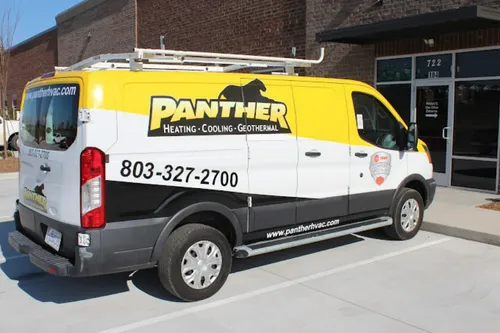
Panther Heating and Cooling
722 Corporate Blvd Suite 105, Rock Hill, SC 29730
Panther Heating and Cooling is an HVAC company based in Charlotte, NC, offering a full range of heating and cooling services including installation, repair, and maintenance of furnaces, air conditioners, heat pumps, and mini-split systems. They also provide indoor air quality solutions and smart thermostat installations. The company serves Charlotte and surrounding areas such as Rock Hill, Tega Cay, Fort Mill, Indian Land, York, Clover, Matthews, and Waxhaw. Panther Heating and Cooling emphasizes skilled, certified technicians and offers 24/7 emergency HVAC services to address urgent needs promptly.
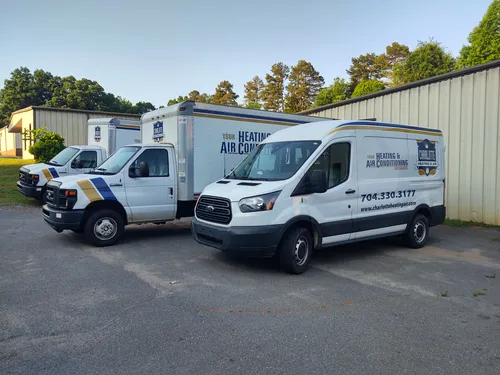
Charlotte Heating & Air
8621 Fairview Rd B, Mint Hill, NC 28227
Charlotte Heating & Air is an HVAC company serving Charlotte, NC, with over 20 years of experience. They provide heating and cooling services, HVAC maintenance, and indoor air quality solutions. The company services all major brands and focuses on performing work to manufacturer specifications. They offer thorough maintenance plans aimed at extending system life and addressing issues early.
Why Charlotte's Climate Demands Attention to Indoor Air
Charlotte's humid subtropical climate is a primary driver of indoor air quality challenges. The high humidity levels, especially during the long, warm seasons, create an ideal breeding ground for mold and dust mites. Furthermore, the area's significant seasonal pollen counts, driven by local vegetation like ragweed, can easily infiltrate homes and trigger allergies and asthma. As the city continues to grow with new construction, well-sealed, energy-efficient buildings can inadvertently trap volatile organic compounds (VOCs) off-gassing from new materials, leading to a phenomenon often called "sick building syndrome". Understanding these local pressures is the first step toward creating a healthier indoor space.
Common Indoor Air Pollutants in Charlotte Homes
Residents and business owners in the Queen City should be aware of several specific contaminants that are prevalent in the region.
- Mold and Mildew: The combination of Charlotte's heavy rainfall and high humidity makes moisture control a constant battle. Hidden water intrusion in crawlspaces, basements, or behind walls can lead to widespread mold growth, which releases spores and sometimes harmful mycotoxins into the air.
- Radon Gas: Due to the local soil composition and geology, radon-a colorless, odorless radioactive gas-is a significant concern. Many homes in the Charlotte area have been found to have radon levels above the Environmental Protection Agency's (EPA) recommended action level of 4 picocuries per liter (pCi/L).
- Volatile Organic Compounds (VOCs): Sources include new building materials, paints, furniture, carpets, and common household cleaning products. In tightly sealed homes, these chemicals, including formaldehyde, can accumulate to levels that cause irritation and long-term health issues.
- Pollen and Outdoor Allergens: Charlotte is situated in the Piedmont region, which is notorious for high pollen counts. These microscopic particles can enter through ventilation systems, doors, and windows, significantly impacting indoor air for allergy sufferers, particularly in late summer and fall 1.
- Combustion Pollutants: Poorly vented gas stoves, fireplaces, wood-burning stoves, and even fumes from attached garages can introduce dangerous gases like carbon monoxide (CO) and nitrogen dioxide (NO₂) into the living space 2 3.
Professional Testing and Assessment
Because many air quality issues are invisible or have symptoms that mimic common ailments, professional testing is often the most reliable way to diagnose problems. Local specialists use a variety of methods to pinpoint contaminants.
- Comprehensive IAQ Assessment: A professional evaluation typically starts with a visual inspection and discussion of occupant symptoms, followed by targeted testing. Companies provide detailed, actionable reports to guide remediation efforts.
- Mold and Mycotoxin Testing: This involves taking air and surface samples to identify not just the presence of mold, but the specific species and whether they are producing toxic byproducts 4.
- VOC Testing: Specialists may use advanced tools like gas chromatography and mass spectrometry to detect and quantify the levels of various chemical pollutants in your air 5.
- Moisture Mapping: Using specialized equipment, technicians can detect hidden moisture behind walls or under floors-the root cause of many mold problems-without destructive probing 6.
- Radon Testing: Given the local risk, radon testing is strongly recommended for all homes and should be repeated at least every two years, or after any major renovation.
- Continuous Monitoring: For commercial buildings, schools, or laboratories, advanced systems like the AntrumX can monitor up to 32 different zones for a range of pollutants, providing real-time data 7.
Find the perfect indoor air quality service providers for your needs
Get personalized recommendations and expert advice
Solutions for Healthier Indoor Air
Once the specific issues in a building are identified, a range of solutions can be implemented to clean and purify the air.
Source Control and Ventilation The most effective strategy is to remove or reduce the source of pollution. This includes using low-VOC paints and materials, ensuring gas appliances are properly vented, and promptly fixing water leaks 8. Increasing ventilation is equally crucial; simply running exhaust fans in bathrooms and kitchens during and after use can significantly reduce moisture and pollutant levels.
Air Cleaning and Purification When source control isn't enough, air cleaning devices are essential.
- Advanced Filtration: Upgrading your HVAC system's filter to a high-efficiency particulate air (HEPA) filter can capture fine particles like pollen, dust, and mold spores.
- UV Germicidal Lamps: Installing ultraviolet (UV-C) lights inside the HVAC system's air handler can help inhibit the growth of mold and bacteria on cooling coils and other surfaces 9.
- Whole-Home Air Purifiers: These systems, such as ionization or photocatalytic oxidation units, are integrated directly into the ductwork to treat all the air circulating through your home.
Humidity and Moisture Management Maintaining indoor relative humidity between 30% and 50% is key to discouraging mold growth and dust mites 10. This can be achieved through:
- Properly sized and functioning air conditioning systems.
- The use of standalone or whole-home dehumidifiers, particularly for damp basements and crawlspaces 11.
- Ensuring proper drainage and grading around the home's foundation.
Regular HVAC Maintenance Your heating and cooling system is the lungs of your home. Neglecting it can worsen air quality. Essential maintenance includes professional inspections twice a year and changing filters regularly (typically every 1-3 months, depending on the filter type and household conditions) 12.
Navigating Costs and Services
Investing in indoor air quality varies based on the scope of the problem and the solutions required. Basic interventions like installing carbon monoxide detectors are relatively low-cost 13. Professional IAQ testing and assessments will have a service fee, with costs varying for specialized tests like mycotoxin or VOC analysis 14. Larger improvements, such as installing a whole-home air purification system, dehumidifier, or undertaking mold remediation, represent a more significant investment but are crucial for long-term health and property protection 15 16. It's advisable to consult with local professionals who can provide specific quotes based on a detailed assessment of your unique situation.
Frequently asked questions
Sources
Footnotes
-
Weather IQ: Why is pollen so bad in the Carolinas? - WCNC - https://www.wcnc.com/article/weather/weather-iq/why-is-pollen-so-bad-in-the-carolinas/275-bb31e57f-d2c6-48f5-a60b-0bca13d27351 ↩
-
Charlotte Indoor Air Quality - Tyson Services - https://www.tysonman.com/hvac-services/indoor-air-quality/ ↩
-
Identifying Signs of Poor Home Air Quality - LunsPro Carolina - https://www.lunsprocarolina.com/blog/identifying-signs-of-poor-home-air-quality-and-how-to-improve-it ↩
-
Mycotoxin Testing | Green Home Solutions of Charlotte, NC - https://www.greenhomesolutions.com/charlotte-nc/our-services/environmental-mycotoxin-testing/ ↩
-
VOC Testing Charlotte NC | AirMD Lab - https://airmd.com/areas-served/north-carolina/charlotte/voc-testing/ ↩
-
Mold Testing in Charlotte - Indoor Science - https://indoorscience.com/city/charlotte-testing/ ↩
-
Indoor Air Quality Monitor Supplier in North Carolina | Antrum - https://mikemooresales.com/products/antrum/ ↩
-
Indoor Environmental Quality in Residences - NC Epidemiology - https://epi.dph.ncdhhs.gov/oee/iaq/homes.html ↩
-
Indoor Air Quality in Charlotte - ALKO Heating & Cooling - https://alkoheatcool.com/indoor-air-quality/ ↩
-
Indoor Air Quality Charlotte NC - Humidifiers, Purifiers & Filters - https://www.mcclintockhvac.com/indoor-air-quality-iaq-charlotte-ncs-iaq-specialists ↩
-
Indoor Air Quality Services - Charlotte Comfort Systems - https://charlottecomfortsystems.com/services/air-quality/ ↩
-
Indoor Air Quality Services in Charlotte | Air Testing - https://www.parkshvac.com/air-quality/ ↩
-
How Common Are Indoor Air Contaminants in North Carolina ... - https://www.getmapleair.com/blog-post/how-common-are-indoor-air-contaminants-in-north-carolina-homes ↩
-
Indoor Air Quality Testing | Green Home Solutions of Charlotte ... - https://www.greenhomesolutions.com/charlotte-nc/our-services/air-quality-testing/ ↩
-
Air Quality Services for Homeowners - Green Home Solutions - https://www.greenhomesolutions.com/charlotte-nc/who-we-serve/home-owners/ ↩
-
Indoor Air Quality (IAQ) in North Carolina - Hahn Mason - https://hahnmason.com/products/indoor-air-quality-iaq/ ↩