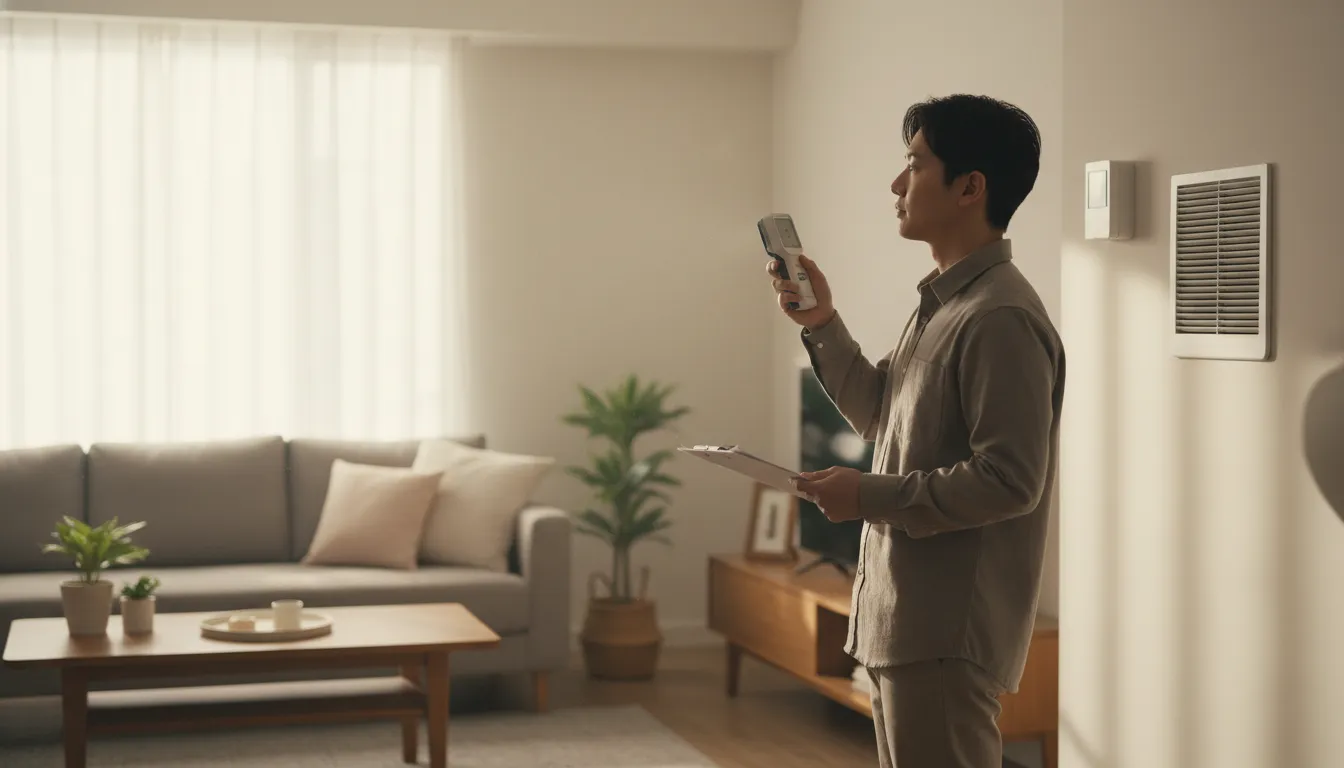
Find the Best Indoor Air Quality Service Providers for Your Business
No obligation • Fast responses • Nationwide coverage

Why you can trust HVAC Firms
HVAC Firms is a leading United States resource for evaluating HVAC service providers. Our team researches companies, checks credentials, and reviews customer feedback to present clear, unbiased information. Listings and rankings are based on merit, and companies cannot pay to change our editorial content.
Search providers near you
Best Indoor Air Quality Service Providers in North Carolina Ranked
The air inside your North Carolina home can be more polluted than the air outside, impacting your health, comfort, and even the value of your property. Indoor air quality (IAQ) refers to the condition of the air within your living spaces, influenced by pollutants, humidity, and ventilation. In a state with diverse climates-from humid coastal plains to pollen-heavy Piedmont and cooler mountains-managing your home's air is essential. This guide explains the common contaminants, state guidelines, testing options, and improvement strategies to help you find the right local expertise for assessment and solutions.
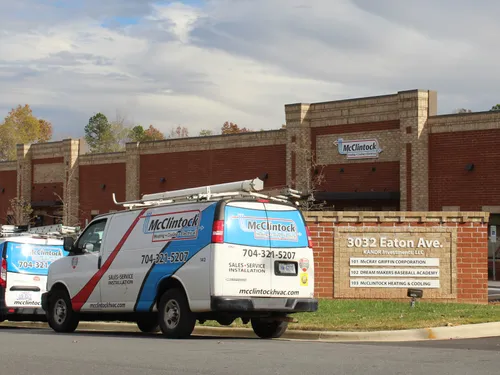
McClintock Heating and Cooling
3032 Eaton Avenue Suite 103, Indian Trail, NC 28079
McClintock Heating and Cooling is a locally owned and fully licensed HVAC company serving Charlotte, NC, and surrounding areas. They offer a range of heating and cooling services including repair and installation of air conditioners, furnaces, heat pumps, and indoor air quality solutions. The company also provides plumbing and electrical services, expanding their support for home and commercial comfort needs. With over 24 years of experience, McClintock Heating and Cooling focuses on tailored solutions that improve energy efficiency and system performance.

Pristine Air Duct Cleaning
Charlotte, NC
Pristine Air Duct Cleaning is a duct cleaning and indoor air quality service provider based in Charlotte, NC. They use hospital-grade equipment and NADCA-certified protocols to clean and restore air quality in homes and commercial spaces. Their services include deep cleaning of HVAC supply and return lines, dryer vent cleaning to reduce fire hazards, and duct repair to prevent energy loss and improve system efficiency. The company emphasizes transparent quotes and has served thousands of customers in the Charlotte area.
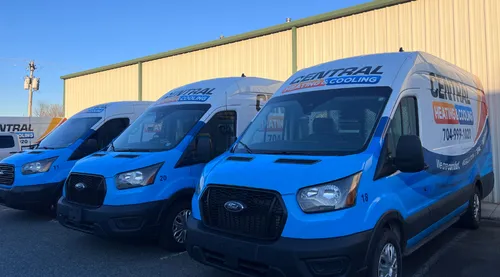
Central Heating & Cooling
4824 Unionville - Indian Trail Rd W unit b, Indian Trail, NC 28079
Central Heating & Cooling is an HVAC company based in Charlotte, NC, specializing in heating and cooling system repair, installation, maintenance, and indoor air quality services. The company focuses exclusively on HVAC systems, providing expert advice and service to ensure stable indoor climate control with maximum efficiency and safety. They offer air quality solutions using ActivePure Technology to continuously clean and protect indoor air and surfaces. Central Heating & Cooling emphasizes integrity, teamwork, and professionalism in their work. They have received consistent 5-star reviews and are known for their knowledgeable technicians and thorough approach.
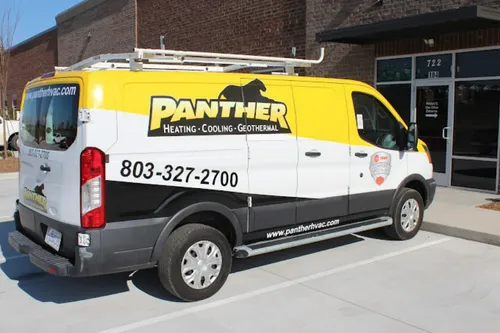
Panther Heating and Cooling
722 Corporate Blvd Suite 105, Rock Hill, SC 29730
Panther Heating and Cooling is an HVAC company based in Charlotte, NC, offering a full range of heating and cooling services including installation, repair, and maintenance of furnaces, air conditioners, heat pumps, and mini-split systems. They also provide indoor air quality solutions and smart thermostat installations. The company serves Charlotte and surrounding areas such as Rock Hill, Tega Cay, Fort Mill, Indian Land, York, Clover, Matthews, and Waxhaw. Panther Heating and Cooling emphasizes skilled, certified technicians and offers 24/7 emergency HVAC services to address urgent needs promptly.
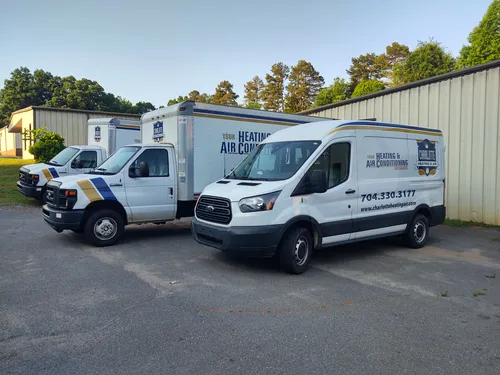
Charlotte Heating & Air
8621 Fairview Rd B, Mint Hill, NC 28227
Charlotte Heating & Air is an HVAC company serving Charlotte, NC, with over 20 years of experience. They provide heating and cooling services, HVAC maintenance, and indoor air quality solutions. The company services all major brands and focuses on performing work to manufacturer specifications. They offer thorough maintenance plans aimed at extending system life and addressing issues early.
Why Indoor Air Quality Matters in North Carolina
North Carolinians spend a significant amount of time indoors, where concentrations of some pollutants can be two to five times higher than outdoor levels. Poor IAQ is linked to short-term effects like headaches, dizziness, and fatigue, as well as long-term respiratory diseases, heart disease, and even cancer. For vulnerable populations such as children, the elderly, and those with asthma or allergies, the impact is even more pronounced. Given the state's specific environmental challenges-high humidity promoting mold, seasonal pollen influxes, and radon gas in certain geological zones-proactive IAQ management isn't just a luxury; it's a key component of home maintenance and personal wellness.
Common Indoor Air Pollutants in NC Homes
Understanding the specific threats in your region is the first step toward cleaner air. North Carolina homes face a distinct set of common contaminants.
Radon Gas
This odorless, radioactive gas is the leading cause of lung cancer among non-smokers. It seeps into homes from the underlying soil. In North Carolina, 77 of the state's 100 counties are classified as Zone 1, having the highest potential for elevated radon levels. Testing for radon is a critical and relatively inexpensive step for every homeowner.
Mold and Moisture
North Carolina's humidity, particularly in coastal areas like Wilmington and the mountainous regions around Asheville, creates ideal conditions for mold growth. Mold spores can trigger allergic reactions, asthma attacks, and other respiratory issues. Moisture problems often stem from leaks, flooding, or condensation due to inadequate ventilation.
Volatile Organic Compounds (VOCs)
These gases are emitted from a wide array of household products, including paints, varnishes, cleaning supplies, adhesives, and even new furniture and building materials. Concentrations can be highest in newly constructed or renovated homes. Exposure can cause eye, nose, and throat irritation, headaches, and nausea.
Combustion Gases
Appliances that burn fuel, such as gas stoves, furnaces, water heaters, and fireplaces, can produce harmful gases like carbon monoxide (CO) and nitrogen dioxide (NO₂) if they are not properly vented, installed, or maintained. CO is particularly dangerous as it is colorless and odorless.
Particulates and Allergens
This category includes dust, dust mites, pet dander, and pollen. North Carolina's intense pollen seasons can significantly degrade indoor air as particles are tracked inside. These allergens are common triggers for asthma and allergy sufferers 1.
North Carolina Guidelines and Building Codes
While there are no specific state-level OSHA standards for general indoor air quality in residences, North Carolina provides clear guidance and has building codes that directly impact IAQ 2.
The NC Mechanical Code and Ventilation
The state's building codes are crucial for new construction. The North Carolina Mechanical Code requires mechanical ventilation systems in most new, tightly sealed homes to ensure a continuous supply of fresh outdoor air and the exhaust of stale, polluted indoor air 3. This is a critical measure to prevent the buildup of contaminants in modern, energy-efficient homes.
Recommended Air Exchange Rates
Guidelines from health agencies recommend that homes achieve a minimum air exchange rate to dilute pollutants. A common standard is at least 0.35 air changes per hour (ACH) or a minimum ventilation rate of 15 cubic feet per minute (cfm) per person 4. Properly sized and maintained HVAC systems are essential to meet these targets.
Exhaust and Moisture Control
Building codes and best practices mandate that bathrooms and kitchens have exhaust fans that vent directly to the outdoors-not into attics or crawl spaces 5. This is the most effective way to remove moisture and pollutants generated from cooking and showering at their source.
Humidity Management
The North Carolina Department of Health and Human Services (NCDHHS) advises keeping indoor relative humidity below 60% to inhibit mold growth and dust mite populations, with an ideal range often between 30% and 50% 6 7.
Find the perfect indoor air quality service providers for your needs
Get personalized recommendations and expert advice
Professional IAQ Testing and Inspection
If you suspect an issue or are buying a new home, professional testing provides a definitive analysis. Costs in North Carolina vary based on the size of your home and the scope of testing.
What Testing Involves
A comprehensive IAQ inspection assesses ventilation effectiveness, measures humidity levels, and tests for specific pollutants like mold spores, VOCs, radon, and carbon monoxide. Professionals use calibrated equipment to provide accurate readings that DIY kits cannot match.
Typical Cost Ranges
- Standard Professional IAQ Test: $292 - $584 on average.
- Home Inspection with IAQ Add-ons: $400 - $600 8 9.
- Mold or Air Quality Sample (Single Room): $300 - $500.
- Radon Testing: $125 - $220 10.
- DIY Test Kits: $15 - $200 (offer a preliminary screen but lack the accuracy of professional analysis).
Investing in professional testing identifies the exact nature of your air quality problems, allowing for targeted and cost-effective solutions.
Solutions and Improvement Strategies
Once you understand your home's IAQ profile, you can implement effective solutions. These range from simple behavioral changes to significant home system upgrades.
Source Control
The most effective way to improve air quality is to prevent pollutants from entering in the first place.
- Radon: Install an active soil depressurization (ASD) radon mitigation system. Average installation cost in NC: $800 - $1,300 11 12.
- Moisture & Mold: Address the water source immediately. Professional mold remediation typically costs between $1,200 and $3,800 13.
- VOCs: Choose low-VOC or zero-VOC paints, finishes, and building materials. Increase ventilation dramatically during and after renovation projects.
- Combustion Gases: Ensure fuel-burning appliances are professionally inspected annually and are properly vented. Install UL-listed carbon monoxide detectors on every floor.
- Particulates: Use a high-quality doormat, remove shoes at the door, and groom pets regularly.
Ventilation Improvements
Bringing in fresh air is non-negotiable for good IAQ.
- Use Exhaust Fans: Always run bathroom and kitchen fans during and for 20 minutes after showering or cooking.
- Open Windows: When outdoor air quality is good (check local air quality indexes), cross-ventilate your home.
- Consider an ERV/HRV: For tightly sealed homes, an Energy Recovery or Heat Recovery Ventilator efficiently brings in fresh air while minimizing energy loss.
Air Cleaning Devices
While not a substitute for source control and ventilation, air cleaners can help.
- HVAC Filters: Upgrade to a higher Minimum Efficiency Reporting Value (MERV) filter (MERV 13 or higher is effective at capturing fine particles) and change it every 1-3 months 14.
- Portable Air Purifiers: Effective for single rooms. Choose a unit with a HEPA filter for allergens and a carbon filter for odors/VOCs. Prices range from $20 to $500+ 15.
- Whole-House Air Cleaners: These are installed directly into your HVAC ductwork, providing cleaning for the entire home.
HVAC Maintenance
Your heating and cooling system is the lungs of your home. Have it professionally serviced twice a year-before the heating and cooling seasons. This includes cleaning coils, checking refrigerant levels, and ensuring the system is moving air properly. Duct cleaning or replacement may be recommended if there is substantial visible mold growth, vermin infestation, or excessive dust/debris.
Frequently asked questions
Sources
Footnotes
-
The Importance of Indoor Air Quality in Raleigh Homes - https://allenkelly.com/the-importance-of-indoor-air-quality-in-raleigh-homes/ ↩
-
Indoor Air Quality | NC DOL - NC Department of Labor - https://www.labor.nc.gov/indoor-air-quality ↩
-
Chapter 4 Ventilation: North Carolina Mechanical Code 2024 - https://up.codes/viewer/north_carolina/imc-2021/chapter/4/ventilation ↩
-
How much ventilation do I need in my home to improve indoor air quality? - https://www.epa.gov/indoor-air-quality-iaq/how-much-ventilation-do-i-need-my-home-improve-indoor-air-quality ↩
-
Indoor Environmental Quality in Residences - NC Epidemiology - https://epi.dph.ncdhhs.gov/oee/iaq/homes.html ↩
-
Indoor Environmental Quality in Residences - NC Epidemiology - https://epi.dph.ncdhhs.gov/oee/iaq/homes.html ↩
-
Indoor Air Quality - Environmental Health & Safety - https://ehs.unca.edu/programs/indoor-air-quality/ ↩
-
Air Quality Test | Home Inspection Services | Radon Testing - https://mindfulhomeinspectionsnc.com/air-quality-testing/ ↩
-
How Much Is a Home Inspection in NC? | Local Inspector Pricing - https://www.realminspections.com/how-much-is-a-home-inspection-in-nc/ ↩
-
How Much Does Indoor Air Quality Testing Cost? [2026 Data] - https://www.angi.com/articles/how-much-does-indoor-air-quality-testing-cost.htm ↩
-
How Common Are Indoor Air Contaminants in North Carolina ... - https://www.getmapleair.com/blog-post/how-common-are-indoor-air-contaminants-in-north-carolina-homes ↩
-
Indoor Environmental Systems Inc - https://www.google.com/viewer/place?mid=/g/1tf7s_p4 ↩
-
How Much Does Indoor Air Quality Testing Cost? [2025 Data] - https://www.homeadvisor.com/cost/environmental-safety/test-indoor-air-quality/ ↩
-
Indoor Environmental Quality and Air-Cleaning Devices - https://epi.dph.ncdhhs.gov/oee/iaq/devices.html ↩
-
Expert Answers to Your Top Indoor Air Quality Questions - https://bartoncreekac.com/indoor-air-quality-faqs ↩