Find the Best Indoor Air Quality Service Providers for Your Business
No obligation • Fast responses • Nationwide coverage

Why you can trust HVAC Firms
HVAC Firms is a leading United States resource for evaluating HVAC service providers. Our team researches companies, checks credentials, and reviews customer feedback to present clear, unbiased information. Listings and rankings are based on merit, and companies cannot pay to change our editorial content.
Search providers near you
Top Indoor Air Quality Service Providers in Chapel Hill, North Carolina Ranked
The quality of the air inside your home or office is a critical component of your health and comfort. Indoor air quality (IAQ) refers to the condition of the air within buildings, influenced by pollutants, humidity, and ventilation. In Chapel Hill, addressing IAQ matters because local climate and building practices can create specific challenges that impact well-being, productivity, and even property value. This guide helps you understand common local air quality concerns, the professional assessment process, and effective strategies for improvement, connecting you with the expertise needed to breathe easier.
Air Works Heating & Air
5100 Unicon Dr #107, Wake Forest, NC 27587
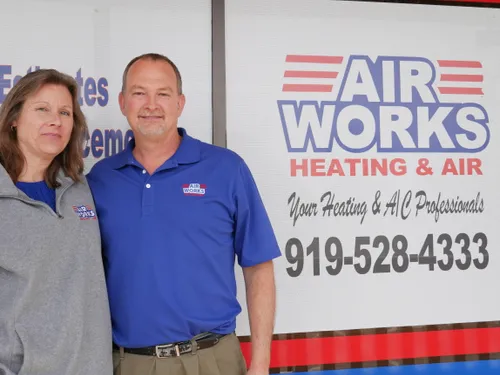
Air Works Heating & Air is a family-owned HVAC and plumbing company serving Raleigh, NC, and the surrounding Wake County area. Since 2007, they have provided furnace and air conditioning repairs, installations, indoor air quality services, and duct cleaning. Their certified technicians work with top brands like American Standard and Mitsubishi Electric, offering services such as furnace replacements, AC tune-ups, and ductless mini split installations. The company emphasizes straightforward pricing and backs their work with a one-year parts and labor warranty.
VentPrevent Air Duct & Dryer Vent Cleaning
119 SW Maynard Rd Suite 120, Cary, NC 27511
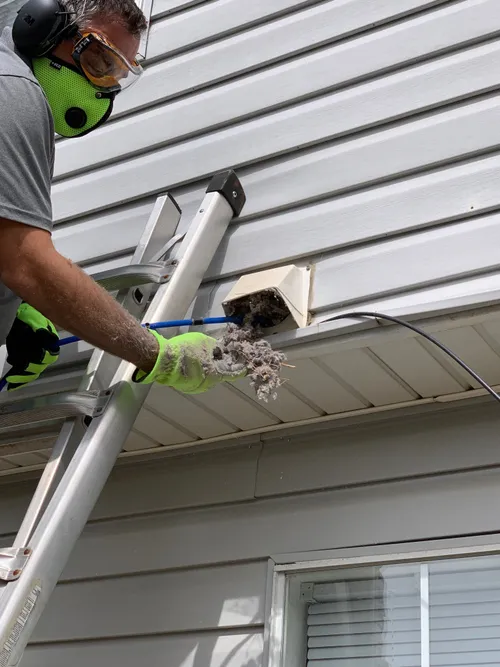
VentPrevent Air Duct & Dryer Vent Cleaning is a veteran-owned company based in Raleigh, NC, specializing in dryer vent and air duct cleaning services. They serve Cary, Apex, Raleigh, and the greater Triangle area, focusing on improving indoor air quality and preventing dryer fires. Their trained staff uses industry-leading equipment, including HEPA-filtered vacuum systems and commercial-grade dryer part replacements, to clean and repair vents and ducts. The company also offers bird nest removal and prevention services to protect dryer ducts from wildlife intrusion. VentPrevent provides both residential and commercial services and emphasizes safety and efficiency in their work.
Smart Home Comfort
Raleigh, NC
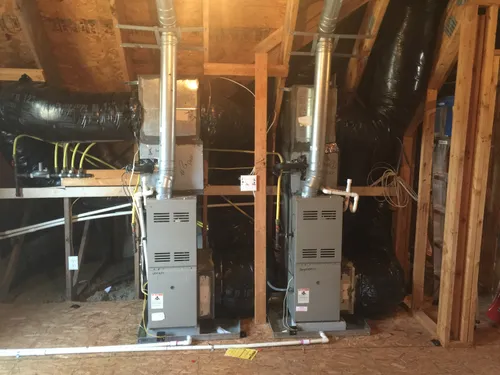
Smart Home Comfort is an HVAC company serving Raleigh, NC, specializing in heating and cooling installation, repair, and maintenance. They offer services including air conditioning and furnace repair, heat pump installation, duct cleaning, and indoor air quality improvements. The company provides AeroSeal duct sealing to improve airflow and energy efficiency. Smart Home Comfort operates with a focus on personalized service and is available 24/7 for emergency HVAC needs.
AC Today Heating & Air Conditioning Cary
1750 NW Maynard Rd Suite 105, Cary, NC 27513
AC Today Heating & Air Conditioning Cary provides a range of HVAC services in Raleigh, NC. They handle installation, maintenance, diagnostics, repairs, system replacements, and indoor air quality solutions. Their expertise includes air conditioning, furnace, and heat pump services, as well as tune-ups to keep systems running efficiently.
Air Quality Air Conditioning And Heating Repair
7203 Holly Springs Rd, Raleigh, NC 27606
Air Quality Air Conditioning And Heating Repair is a family-owned HVAC company serving Raleigh, NC. Since 2003, they have provided residential heating and cooling services including installation, repair, tune-ups, and indoor air quality solutions. The company offers 24/7 emergency service and specializes in fast installations, often completing new system setups within a day. Their work includes warranties covering labor and equipment, reflecting their commitment to lasting quality. Over two decades, they have grown from a one-person operation to a skilled seven-person team focused on integrity and transparency.
Common Indoor Air Pollutants in Chapel Hill Homes
The air inside Chapel Hill residences and businesses can contain a variety of pollutants, many of which are generated from everyday activities and materials. Understanding these common contaminants is the first step toward managing your indoor environment.
- Mold and Moisture: Chapel Hill's humid climate is a primary driver for moisture issues, which can lead to mold growth. This is often the most visible and concerning IAQ problem, prompting many homeowners to seek professional inspection.
- Particulate Matter (PM2.5): Fine particles from sources like cooking, burning candles, fireplaces, and even outdoor events like wildfires can infiltrate the home. These particles are small enough to inhale deeply and pose significant health risks.
- Carbon Dioxide (CO2): In an effort to improve energy efficiency, modern homes are often tightly sealed. This can lead to a buildup of carbon dioxide from occupant exhalation, resulting in feelings of stuffiness, drowsiness, and reduced cognitive function.
- Volatile Organic Compounds (VOCs): These are gases emitted from a wide array of products including paints, cleaning supplies, building materials, and furnishings. Reducing VOC exposure is a key goal of many indoor air quality improvement plans. 1
The Professional IAQ Assessment Process
When concerns arise, Chapel Hill professionals follow a systematic, multi-step approach to diagnose air quality issues accurately. This process ensures that solutions are targeted and effective, rather than based on guesswork.
1. Initial Visual Inspection A thorough inspection is the cornerstone of any professional assessment. Experts from local firms like Green Home Solutions of Chapel Hill and Certified Indoor Air begin by examining the property for signs of water damage, condensation, structural issues, and potential pollutant sources. This step helps guide the subsequent, more technical phases of testing.
2. Targeted Sampling and Monitoring Based on the initial findings, technicians collect specific samples. This may include:
- Air samples to measure spore counts for mold, general air quality parameters (temperature, humidity, CO2), or specific chemical pollutants.
- Surface swabs to identify mold or other contaminants on building materials. For broader monitoring, low-cost sensor networks are also used in community and research settings to track pollutants like PM2.5 over time. 2 3
3. Laboratory Analysis Samples are sent to accredited, independent laboratories for precise analysis. This provides objective, legally defensible data that forms the basis for any remediation plan or health recommendations. 4 5
Understanding Costs for Testing and Improvement
Investing in better indoor air involves costs for both diagnosis and solutions. Being informed helps in planning and selecting the right services.
Professional Testing Costs The average cost for a professional indoor air quality assessment typically ranges from $250 to $550, though it can be as low as $100 for a basic check or exceed $1,000 for comprehensive testing of multiple specific pollutants. 6 The final price depends on the size of the property, the number of samples taken, and the types of pollutants analyzed.
Improvement and Mitigation Strategies The cost to improve your air quality varies widely and should be guided by three fundamental principles, often applied in this order of effectiveness: source control, improved ventilation, and air cleaning. 7 8
- Source Control: This is frequently the most cost-effective long-term strategy. It involves removing or sealing the source of the pollution. Examples include fixing water leaks, switching to low-VOC paints and cleaners, or ensuring combustion appliances are properly vented. Costs here are tied to the repair or replacement of materials.
- Improved Ventilation: Diluting indoor pollutants with fresh outdoor air is crucial. Strategies range from no-cost behavioral changes (opening windows when weather and outdoor air quality permit) to installing dedicated mechanical ventilation systems like Energy Recovery Ventilators (ERVs), which have higher upfront equipment and installation costs. 9 10
- Air Cleaning: When source control and ventilation are insufficient, air purifiers can be effective. Portable units with HEPA and carbon filters are a relatively low-cost solution for individual rooms. Whole-home air cleaners integrated into your HVAC system provide whole-building coverage but involve professional installation. 11 12
Find the perfect indoor air quality service providers for your needs
Get personalized recommendations and expert advice
Health and Comfort Impacts of Poor IAQ
The reasons to prioritize your indoor environment extend beyond property preservation to direct impacts on health and daily life. Poor indoor air quality can manifest in both short-term and long-term effects.
- Immediate Symptoms: Often mistaken for allergies or a cold, exposure to pollutants like mold spores, VOCs, or high CO2 levels can cause headaches, dizziness, fatigue, and irritation of the eyes, nose, and throat. 13 14
- Long-Term Health Risks: Prolonged exposure to certain indoor pollutants is linked to more serious conditions, including respiratory diseases, heart disease, and even cancer. This makes proactive management especially important for vulnerable populations like children, the elderly, and those with pre-existing conditions.
- Cognitive and Productivity Effects: Studies have shown that elevated levels of CO2 and VOCs can impair cognitive function, decision-making, and focus. In both home offices and commercial settings in Chapel Hill, improving IAQ can directly support better performance and comfort. 15
Special Considerations for Chapel Hill Properties
Chapel Hill's specific environment and building stock present unique IAQ considerations that local experts are familiar with.
- Historic Homes and Renovations: Older homes may have specific ventilation challenges, older building materials that off-gas differently, or hidden moisture issues from aging foundations or roofs. Professional testing can be invaluable before and after renovations.
- High Humidity and Seasonal Changes: The area's humidity promotes mold growth and dust mites. Managing indoor humidity levels (ideally between 30-50%) with dehumidifiers or properly sized AC systems is a key local concern. 16
- New, Tightly Built Homes: While energy-efficient, newer homes may lack sufficient natural air exchange, leading to the buildup of VOCs from new materials and elevated CO2. This makes mechanical ventilation solutions particularly relevant for modern builds in the area.
Taking the Next Steps
If you suspect an indoor air quality issue in your Chapel Hill home or business, the path forward is clear. Start by noting any persistent symptoms or visible signs like mold or condensation. Research local providers who offer comprehensive inspections and testing, such as Green Home Solutions of Chapel Hill or Certified Indoor Air. 17 A professional assessment will provide the data needed to make informed decisions, whether it's a simple fix like increasing ventilation or a planned investment in air purification technology.
Frequently asked questions
Sources
Footnotes
-
Low-Cost Air Quality Sensing towards Smart Homes - MDPI - https://www.mdpi.com/2073-4433/12/4/453 ↩
-
Request for Indoor Air Quality/Mold Investigation - https://ehs.unc.edu/topics/indoor-air-quality/request-for-indoor-air-quality-investigation/ ↩
-
Estimating PM 2.5 concentrations at public schools in North ... - https://www.nature.com/articles/s41598-025-26539-3 ↩
-
Mold Inspection and Testing in cHAPEL HILL, NC - https://www.certifiedindoorairinc.com/chapel-hill-nc ↩
-
Understanding Commercial Indoor Air Quality Testing: What's Involved? - https://www.aeroenergy.com/understanding-commercial-indoor-air-quality-testing-whats-involved/ ↩
-
How Much Does Professional Home Indoor Air Quality Testing Cost? - https://www.airpf.com/how-much-does-a-home-indoor-air-quality-testing-cost/ ↩
-
THREE BASIC STRATEGIES TO IMPROVE INDOOR AIR QUALITY - https://airquip.com/three-basic-strategies-to-improve-indoor-air-quality/ ↩
-
Critical review on emerging health effects associated with the indoor air quality and its sustainable management - https://www.sciencedirect.com/science/article/pii/S0048969723007799 ↩
-
The Inside Story: A Guide to Indoor Air Quality | CPSC.gov - https://www.cpsc.gov/Safety-Education/Safety-Guides/Home/The-Inside-Story-A-Guide-to-Indoor-Air-Quality ↩
-
Assessment of Indoor Air Quality in Residential Buildings of - https://ideas.repec.org/a/gam/jsusta/v14y2022i2p739-d721606.html ↩
-
Experimental and Modeled Assessment of Interventions to Reduce ... - https://pmc.ncbi.nlm.nih.gov/articles/PMC10863606/ ↩
-
by 1!1 f:-- - Carolina Digital Repository - https://cdr.lib.unc.edu/downloads/7d278z703 ↩
-
What Makes Indoor Air Unhealthy? - American Lung Association - https://www.lung.org/clean-air/indoor-air/indoor-air-pollutants ↩
-
How To Recognize the Signs of Poor Indoor Air Quality - Attune IoT - https://www.attuneiot.com/resources/signs-poor-iaq ↩
-
INDOOR AIR QUALITY THE ISSUE The average adult breathes about 2,000 gallons (7570 liters) of air each day and most Americans spe - https://www.ashrae.org/file%20library/about/government%20affairs/public%20policy%20resources/briefs/indoor-air-quality_2023.pdf ↩
-
Indoor Air Quality Testing | Green Home Solutions of Chapel Hill - https://www.greenhomesolutions.com/chapel-hill-nc/our-services/air-quality-testing/ ↩
-
First in Mold Inspection and Testing | Chapel Hill, NC - https://www.certifiedindoorairinc.com/chapel-hill-nc ↩