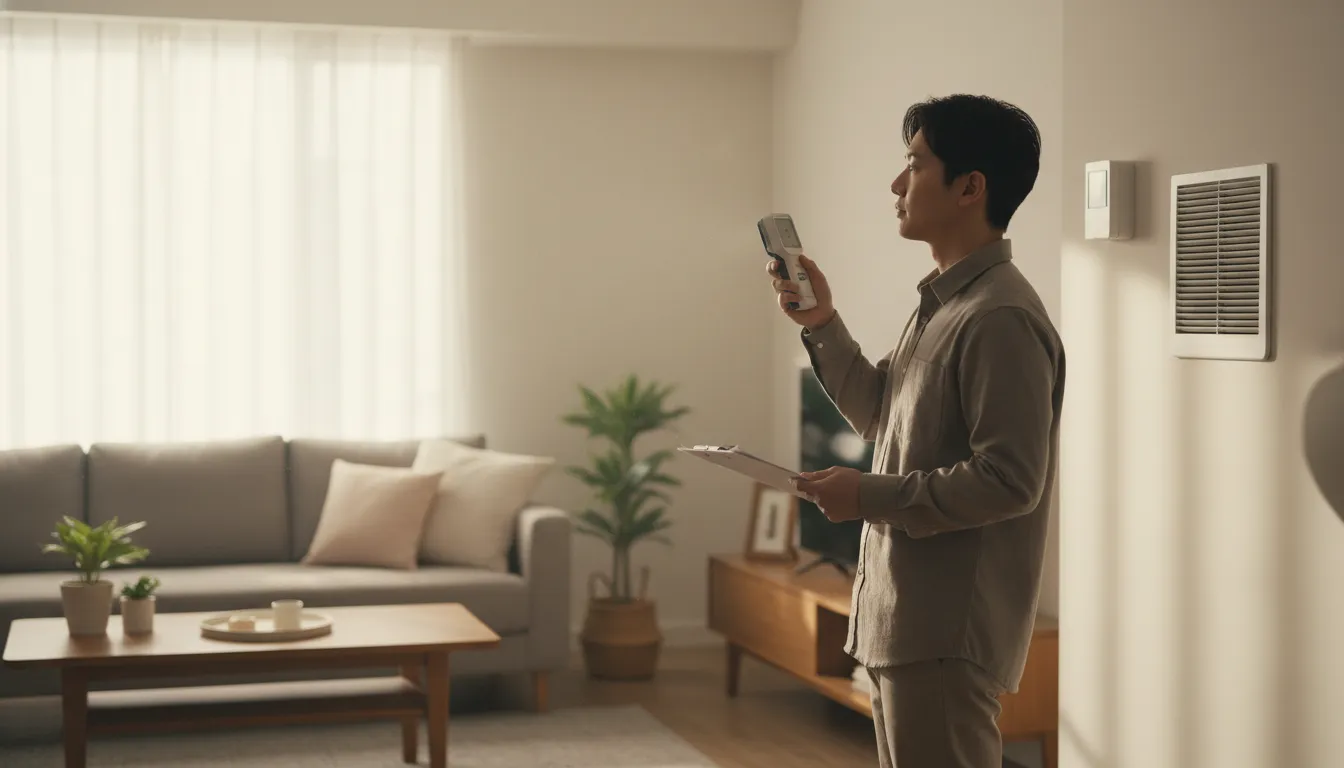
Find the Best Indoor Air Quality Service Providers for Your Business
No obligation • Fast responses • Nationwide coverage

Why you can trust HVAC Firms
HVAC Firms is a leading United States resource for evaluating HVAC service providers. Our team researches companies, checks credentials, and reviews customer feedback to present clear, unbiased information. Listings and rankings are based on merit, and companies cannot pay to change our editorial content.
Search providers near you
Top Indoor Air Quality Service Providers in Apex, North Carolina Ranked
The air you breathe inside your Apex home or business has a direct impact on your health, comfort, and productivity. Indoor air quality (IAQ) refers to the condition of the air within and around buildings, particularly as it relates to the health and well-being of occupants. In Apex, this is a critical concern due to our region's unique climate and rapid growth, which can trap pollutants indoors. Understanding common contaminants, knowing how to test for them, and implementing effective solutions are essential steps to creating a safer indoor environment. This guide will help you identify local air quality challenges and connect with the professional services needed to address them.
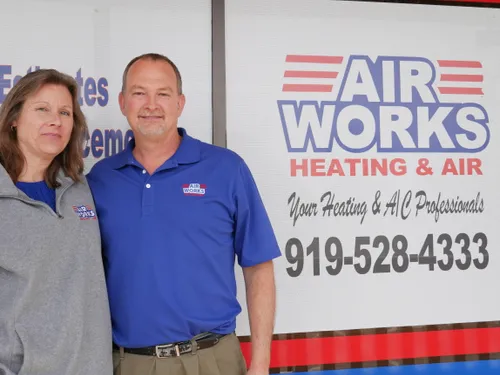
Air Works Heating & Air
5100 Unicon Dr #107, Wake Forest, NC 27587
Air Works Heating & Air is a family-owned HVAC and plumbing company serving Raleigh, NC, and the surrounding Wake County area. Since 2007, they have provided furnace and air conditioning repairs, installations, indoor air quality services, and duct cleaning. Their certified technicians work with top brands like American Standard and Mitsubishi Electric, offering services such as furnace replacements, AC tune-ups, and ductless mini split installations. The company emphasizes straightforward pricing and backs their work with a one-year parts and labor warranty.
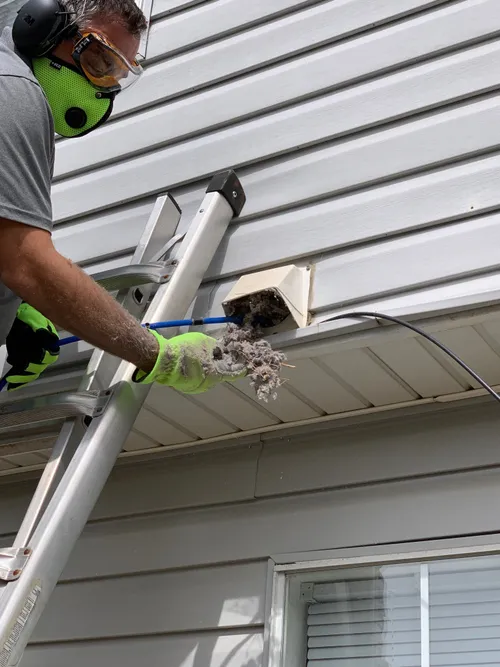
VentPrevent Air Duct & Dryer Vent Cleaning
119 SW Maynard Rd Suite 120, Cary, NC 27511
VentPrevent Air Duct & Dryer Vent Cleaning is a veteran-owned company based in Raleigh, NC, specializing in dryer vent and air duct cleaning services. They serve Cary, Apex, Raleigh, and the greater Triangle area, focusing on improving indoor air quality and preventing dryer fires. Their trained staff uses industry-leading equipment, including HEPA-filtered vacuum systems and commercial-grade dryer part replacements, to clean and repair vents and ducts. The company also offers bird nest removal and prevention services to protect dryer ducts from wildlife intrusion. VentPrevent provides both residential and commercial services and emphasizes safety and efficiency in their work.
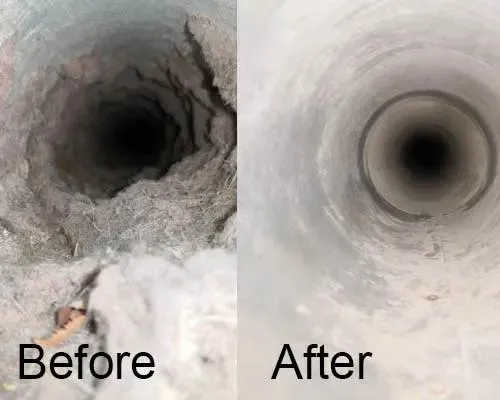
DUCK DUCT, LLC
138 Curling Crk Dr, Clayton, NC 27527
DUCK DUCT, LLC provides air duct and dryer vent cleaning, as well as insulation services in Raleigh, NC. Serving nearby areas including Wake Forest, Cary, Clayton, Garner, and Apex, the company focuses on improving indoor air quality and energy efficiency for both residential and commercial properties. Their certified technicians specialize in duct and vent cleaning, dryer vent installation, and home insulation to enhance HVAC performance and reduce fire risks. With over a decade of experience, DUCK DUCT, LLC holds NADCA certification, ensuring adherence to industry standards.
Smart Home Comfort
Raleigh, NC
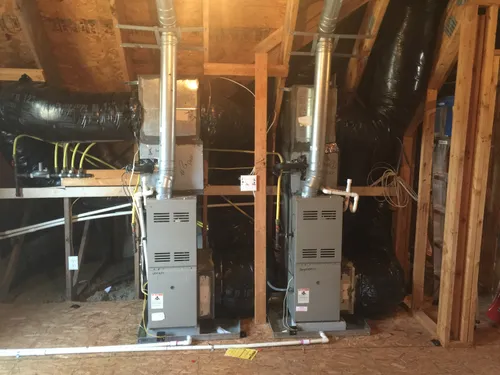
Smart Home Comfort is an HVAC company serving Raleigh, NC, specializing in heating and cooling installation, repair, and maintenance. They offer services including air conditioning and furnace repair, heat pump installation, duct cleaning, and indoor air quality improvements. The company provides AeroSeal duct sealing to improve airflow and energy efficiency. Smart Home Comfort operates with a focus on personalized service and is available 24/7 for emergency HVAC needs.
AC Today Heating & Air Conditioning Cary
1750 NW Maynard Rd Suite 105, Cary, NC 27513
AC Today Heating & Air Conditioning Cary provides a range of HVAC services in Raleigh, NC. They handle installation, maintenance, diagnostics, repairs, system replacements, and indoor air quality solutions. Their expertise includes air conditioning, furnace, and heat pump services, as well as tune-ups to keep systems running efficiently.
Why Indoor Air Quality Matters in Apex
Apex residents face specific environmental factors that can degrade the air inside their homes and workplaces. The humid subtropical climate brings high moisture levels for much of the year, creating an ideal breeding ground for mold and mildew. Furthermore, the area's rapid development has led to the construction of modern, energy-efficient homes that are tightly sealed. While excellent for reducing energy bills, these "tight" buildings can trap pollutants inside, leading to a buildup of contaminants without adequate ventilation. The geological makeup of the region also presents a silent threat: radon gas. Data shows that 77 of North Carolina's 100 counties, including Wake County, have buildings with radon levels above the Environmental Protection Agency's (EPA) recommended action level. Proactive management of your indoor environment is not just about comfort-it's a vital component of maintaining your family's health.
Common Indoor Air Pollutants in Apex Homes
Recognizing the sources of poor air quality is the first step toward improvement. The primary culprits in our area include:
- Mold and Moisture: High humidity, often exacerbated by crawl space moisture, leaky pipes, or poor bathroom ventilation, is the leading cause of mold growth in Apex homes. Mold spores can trigger allergies, asthma attacks, and other respiratory issues 1.
- Radon Gas: This colorless, odorless radioactive gas seeps from the ground into buildings. It is the second leading cause of lung cancer in the United States. The North Carolina Department of Health and Human Services recommends testing all homes for radon 2.
- Volatile Organic Compounds (VOCs): These are gases emitted from a wide array of household products, including paints, varnishes, cleaning supplies, new furniture, carpets, and building materials. Off-gassing from these items can cause headaches, nausea, and long-term health effects.
- Particulate Matter (PM2.5): This includes fine dust, pollen, pet dander, and other microscopic particles that can be inhaled deep into the lungs. These allergens are often circulated throughout a home by the HVAC system.
- Combustion Gases: Appliances like gas stoves, water heaters, and fireplaces can produce carbon monoxide (CO) and nitrogen dioxide (NO₂) if not properly vented. Carbon monoxide is especially dangerous, as it is undetectable without a monitor and can be fatal 3.
- Inadequate Ventilation: As mentioned, tightly sealed homes limit the natural exchange of indoor and outdoor air. This can lead to elevated levels of carbon dioxide (CO₂) from exhalation, making air feel stale and stuffy, and reducing cognitive function, especially in home offices or classrooms 4.
How to Test and Monitor Your Indoor Air
You can't manage what you don't measure. Professional assessment and ongoing monitoring are key to understanding your specific air quality situation.
Professional Inspections and Testing Local firms like Certified Indoor Air and LRC Indoor Testing & Research offer comprehensive inspections 5 6. A professional assessment typically includes:
- Visual Inspection: Experts look for signs of moisture intrusion, water damage, and visible mold growth in prone areas like basements, bathrooms, and attics.
- Air Sampling: Technicians collect air samples that are sent to a laboratory for analysis. This can identify concentrations of mold spores, specific VOCs, and other airborne contaminants 7.
- Radon Testing: The NC Radon Program advises testing homes at least every two years. Professionals use specialized devices to measure radon levels over a period of time to get an accurate reading.
- HVAC System Evaluation: Your heating and cooling system can be a source of contamination if ducts are dirty or components are moldy. An inspection of the ductwork and air handler is often part of a full IAQ audit.
Continuous Monitoring Solutions For real-time awareness, consider a continuous air quality monitor. Devices like the Airthings View Plus track multiple parameters 24/7, including radon, CO₂, PM2.5, VOCs, humidity, and temperature 8. This data can be accessed via a smartphone app, allowing you to see how activities like cooking, cleaning, or changes in weather affect your indoor environment. For commercial buildings in Apex, monitoring systems are crucial for ensuring occupant health and meeting potential wellness standards 9.
Find the perfect indoor air quality service providers for your needs
Get personalized recommendations and expert advice
Effective Solutions for Cleaner Indoor Air
Once you've identified the issues, a range of solutions is available, from simple DIY steps to whole-house systems installed by local HVAC and air quality specialists.
Source Control and Maintenance The most effective strategy is to eliminate pollutants at their source.
- Use exhaust fans in kitchens and bathrooms.
- Choose low-VOC paints and cleaning products.
- Address water leaks and moisture problems immediately.
- Ensure combustion appliances are properly vented and serviced annually.
- Vacuum regularly with a HEPA-filtered vacuum cleaner.
Ventilation and Filtration Improvements Improving air exchange and cleaning recirculated air are foundational steps.
- Increase Ventilation: Periodically open windows when weather permits. Consider installing an Energy Recovery Ventilator (ERV) or Heat Recovery Ventilator (HRV), which brings in fresh outdoor air while conserving energy by tempering the incoming air.
- Upgrade HVAC Filters: Replace standard filters with high-efficiency pleated filters with a MERV rating of 11-13. These trap a significantly higher percentage of dust, pollen, and mold spores 10. Check and replace filters monthly during high-use seasons.
- Duct Cleaning: Have your air ducts professionally cleaned if inspection reveals excessive dust, debris, or suspected mold growth.
Advanced Purification and Humidity Control For comprehensive protection, integrated systems provide the highest level of air cleaning.
- Whole-House Air Purifiers: These units, such as those featuring Pür Plasma or other advanced technologies, are installed directly into your HVAC system. They are designed to break down VOCs, neutralize viruses and bacteria, and capture ultrafine particles, with some systems offering performance many times greater than standard filters 11 12.
- Whole-House Dehumidifiers: Installed by local HVAC technicians, these systems are critical in Apex's climate. They maintain indoor humidity levels between 30-50%, which is ideal for comfort and prevents mold growth 13. Companies like Thermo Direct specialize in these installations for Apex homes 13.
- Portable Air Purifiers: For targeted cleaning in bedrooms, home offices, or other specific areas, standalone HEPA air purifiers can be very effective.
- Carbon Monoxide Detectors: These are non-negotiable safety devices. Install them on every level of your home, especially near sleeping areas. Basic models are affordable, typically costing between $20 and $50 14.
Maintaining Healthy Air Long-Term
Good indoor air quality is an ongoing commitment. Establish a routine that includes:
- Scheduling annual HVAC maintenance, which should include a check of system cleanliness and airflow.
- Testing for radon every two years, or after any major renovation to your home's foundation 15.
- Monitoring humidity levels, especially during the humid summer months.
- Being vigilant for signs of moisture or mold, such as musty odors or condensation on windows.
By taking a proactive approach-testing, implementing solutions, and maintaining your systems-you can ensure the air in your Apex home supports a healthy and comfortable lifestyle for years to come 16 17.
Frequently asked questions
Sources
Footnotes
-
Identifying Signs of Poor Home Air Quality and How to Improve It - https://www.lunsprocarolina.com/blog/identifying-signs-of-poor-home-air-quality-and-how-to-improve-it ↩
-
NCDHHS Shares Radon Data, Resources Ahead of Radon Action Month | NCDHHS - https://www.ncdhhs.gov/news/press-releases/2025/12/16/ncdhhs-shares-radon-data-resources-ahead-radon-action-month ↩
-
Indoor Air Quality - https://www.rockinghamcountync.gov/pview.aspx?id=21386 ↩
-
How to Monitor Indoor Air Quality - TSI - https://tsi.com/occupational-health-safety/learn/how-to-monitor-indoor-air-quality ↩
-
Mold Inspection and Testing | Apex, NC - Certified Indoor Air - https://www.certifiedindoorairinc.com/apex-nc ↩
-
LRC Indoor Testing & Research: Mold Assessment Raleigh, NC - https://www.lrcresearch.com/ ↩
-
Certified Indoor Air: Mold Inspection | Raleigh, NC - https://www.certifiedindoorairinc.com/ ↩
-
Monitoring Services | Apex Air Quality Solutions - https://apexairquality.com/services/174-2/monitoring-services/ ↩
-
Efficient Ways to Monitor IAQ in Commercial Buildings - tektelic - https://tektelic.com/expertise/efficient-ways-to-monitor-iaq-in-commercial-buildings/ ↩
-
How Common Are Indoor Air Contaminants in North Carolina ... - https://www.getmapleair.com/blog-post/how-common-are-indoor-air-contaminants-in-north-carolina-homes ↩
-
4 Major Indoor Air Pollutants Impacting Your Health - https://evergreenairquality.com/what-are-the-4-major-indoor-air-pollutants/ ↩
-
Apex Heating and Air Conditioning improves Indoor Air Quality - https://apexheatingandair.com/indoor_air_quality/ ↩
-
Air Quality Testing Apex, NC - Thermo Direct - https://www.thermodirectinc.com/air-quality-testing-apex-nc/ ↩ ↩2
-
How Common Are Indoor Air Contaminants in North Carolina ... - https://www.getmapleair.com/blog-post/how-common-are-indoor-air-contaminants-in-north-carolina-homes ↩
-
How to test indoor air quality in your home - Airthings - https://www.airthings.com/resources/how-to-test-air-quality-in-your-home ↩
-
The future of offices: the benefits of ventilation, filtration and monitoring - https://www.temperaturecontrol.co.uk/legislation/the-future-of-offices-the-benefits-of-ventilation-filtration-and-monitoring/ ↩
-
Indoor Air Quality in Monsoon | Why Monitoring Matters - https://aurassure.com/2025/09/19/indoor-air-quality-in-monsoon/ ↩